

Buckingham Palace is one of London’s most popular tourist attractions, thanks to its long history and its status as the official residence of British monarchs since 1837. More precisely, from 1837 until 2026. Last month, reports said King Charles and Queen Camilla were breaking with the tradition begun by Queen Victoria nearly 200 years ago and would not move into the famous palace, instead remaining at Clarence House, where they have lived for more than two decades.
Representatives of the royal household were quick to push back, saying in a public statement that the palace had not been completely abandoned and would continue to serve as the administrative headquarters of the monarchy. “(Buckingham Palace) will be a buzzing hive of royal activity in every other way,” a palace spokesperson told CNN. “His Majesty retains huge affection for Buckingham Palace and a deep respect for its role in royal and public life.”
Gallery
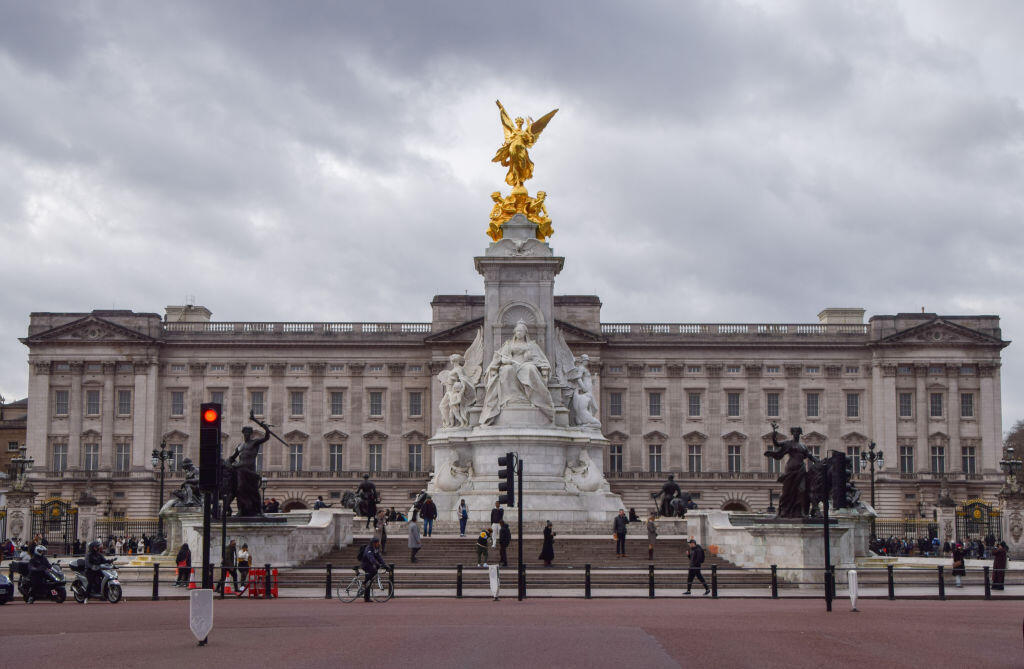
Buckingham Palace is one of London’s most popular tourist attractions
(Photo: Vuk Valcic/SOPA Images/LightRocket via Getty Images)
The palace will also remain the main venue for ceremonial and official events, including receptions for foreign leaders and dignitaries. “Their Majesties will, however, have access to private rooms within the Palace where they can retire during the course of a working day, and which could be utilised as potential residential accommodation in times ahead,” said the king’s treasurer, James Chalmers.
However, there are concerns that breaking with tradition could lead to a decline in the number of tourists who flock daily to the palace gates. One visitor told Reuters last month that a palace without royals “loses some of its magic.”
Charles’ decision came even as the palace was nearing the completion of a decade-long renovation program costing £369 million ($488 million). The renovation included replacing aging electrical cables, lead pipes and boilers, many of them for the first time in 60 years, due to concerns over potential water and fire damage.
The renovation may not have been cheap, but it was likely necessary given the building’s long history. Buckingham House was purchased by George III in 1761 for Queen Charlotte and their children to live in. When George IV became king, he commissioned architect John Nash to expand the house into a palace, but George died before the work was completed.
William IV, who ruled from 1830 to 1837, preferred to remain at Clarence House and offered Buckingham Palace as a replacement for the Houses of Parliament after they burned down in 1834. Parliament rejected the offer. Victoria, who inherited the building, therefore became the first monarch to use Buckingham Palace as an official residence.
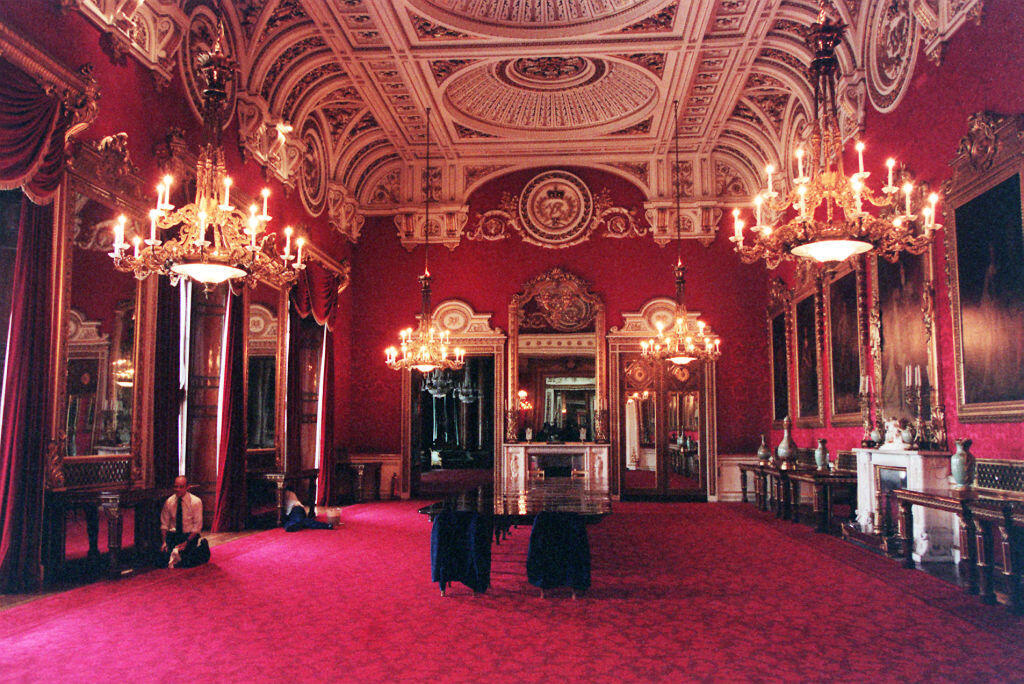
Today, the building contains 775 rooms, including 78 bathrooms
(Photo: Sean Dempsey - PA Images/PA Images via Getty Images)
In 1845, she oversaw the palace’s final expansion, adding the east wing facing The Mall. Today, the building contains 775 rooms, including 78 bathrooms.
Charles’ decision sparked controversy. “The taxpayer has just funded a major refurbishment of Buckingham Palace, only for Charles to unilaterally decide he won’t use it” Graham Smith, chief executive of Republic, a group that campaigns to abolish the British monarchy, told CNN. “But he won’t hand it over for others to use either. It’s half in and half out, preventing it from being turned into a world class museum and art gallery,” Smith added.
However, Charles is not the first member of the royal family to forgo the pleasures of living in Buckingham Palace. Even Victoria, who was the first to turn the palace into the family home and the monarchy’s official center of operations, chose to spend most of her time after the death of her husband, Prince Albert, in 1861 at Windsor Castle. Victoria stayed at Buckingham Palace so rarely that, according to The Telegraph, in 1864 a sign was placed on the residence’s gates reading: “These commanding premises to be let or sold, in consequence of the late occupant's declining business.”
Charles’ mother, Queen Elizabeth II, also preferred to move to Windsor during the COVID-19 pandemic. The official explanation was renovation work, but according to Robert Hardman, a royal expert who wrote biographies of King Charles and Queen Elizabeth, “the late Queen never much liked living at Buckingham Palace.”
According to Hardman, she was unhappy in 1936 when she was forced to move to the palace after her father, George VI, became king following the abdication of his brother. After her father’s death, she hoped to remain at Clarence House with her husband, Prince Philip, and their children, but then-Prime Minister Winston Churchill told her that the sovereign had to “move in above the shop,” Hardman said.
King George V also preferred the country estate of Sandringham in Norfolk over Buckingham Palace. Various reports have suggested that the heir to the throne, Prince William, also does not intend to move to Buckingham Palace after becoming king, instead planning to remain with his family at Fort Belvedere in Windsor Great Park.
According to Hardman, the royals’ dislike of the palace stems from the fact that it “was never really designed as a home. If you walk through the door of Clarence House, you feel like you’re going into a home. It’s a grand home, but it’s a home. If you walk into the door of Buckingham Palace, you feel you’re entering a head of state’s office.”
The issue even received its own thread on Reddit, where users tried to understand why Charles was distancing himself from Buckingham Palace. In that discussion, the conclusion was similar: the palace was described as a dark, poorly maintained and unwelcoming building. “Buckingham Palace is gray and sad,” one user wrote. “It is also too large to run a real household there, with too many people constantly coming and going. And there are many tourists at the gates every day.”
In any case, there is little reason to worry about Charles and Camilla, as they have no shortage of other residences, from Windsor Castle outside London to Balmoral in Scotland. Last month, Charles also revealed his tax declarations, showing that he is among the top 100 taxpayers in the United Kingdom.
The king receives an annual income from the Duchy of Lancaster estate, which was established to provide the monarch with an independent source of funds to cover official and private expenses. The estate includes land, investments and property. For the current year, the allocation to the king stood at £25.2 million (roughly $34 million). Other taxable sources of income include the king’s investments and savings, as well as money generated from his private estates, Balmoral and Sandringham.