

In recent weeks, I’ve been asked the same question repeatedly by both local sellers and international buyers: Are sales actually happening during this time?
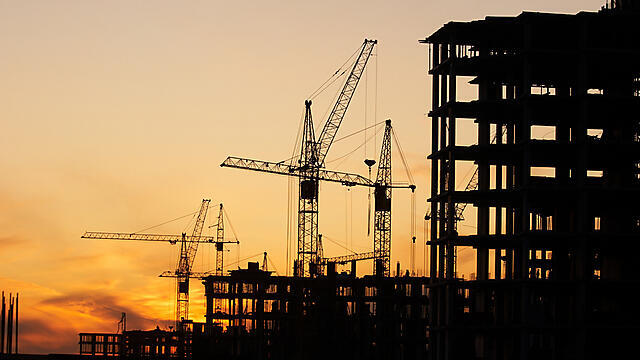
I’ll give it to you straight: from what I’m experiencing on the ground the answer is yes. Sales are still happening. Buyers are still buying. Contracts are still being signed. But the market is far more sensitive than it once was, and conditions need to be right.
One thing has become increasingly clear: today’s market is rewarding realism, not wishful thinking. Properties that are priced relative to current market conditions are moving. Those that are not, in many cases, are not even generating a phone call.
Radio silence
In real estate, the market often speaks long before the headlines do. Sometimes it speaks through offers. Sometimes through foot traffic. And sometimes, quite simply, through silence.
Over the past six months, I’ve watched countless listings come to market with pricing expectations that may have made sense three years ago, but no longer in line with today’s economic reality.
In many cases, if a property is priced even 5% above where buyers currently see value, it’s not simply that offers don’t come in, the phone doesn’t ring at all. No showings. No inquiries. No negotiation. Just silence.
And in this business, nothing is worse than a property that sits on the market for months with no movement.
The reality many sellers are unwilling to accept
Recently, I sat with a seller in my office who was frustrated. He had been trying to sell his apartment for nearly six months. Very few serious inquiries came in. One offer came in, but in his eyes, it was far too low. From my perspective, it was something else entirely: an indicator.
He began explaining to me why his asking price was justified. “There’s nothing else like my apartment in this neighborhood,” he said. And to be fair, he wasn’t entirely wrong. His home was relatively modern, in excellent condition and clearly well maintained. But it was also in a very old building, with no elevator, no protected room and no visible redevelopment plans on the horizon. The price he wanted was roughly 10% above where I personally valued the property in today’s market.
Tel Aviv
(Photo: Noah Sander)
Then he told me something interesting. He and his family had recently purchased another property themselves. Ideally, they wanted to stay in the same neighborhood. But in the end, they bought a neighborhood over because they couldn’t find something that matched their needs, budget and criteria where they originally wanted to be.
And whether he realized it or not, he had just described exactly what today’s buyers are doing.
If buyers can’t find the right value in their first-choice neighborhood, they’re no longer stretching endlessly to make the numbers work. Many simply can't go back to the bank and borrow more capital the way some may have been able, or willing, to do three or four years ago. Instead, they’re adjusting. They’re compromising. Sometimes it’s one neighborhood over. Sometimes it’s another city entirely.
And this is where many sellers are struggling. They may view certain offers as disappointing, or even “not reflective of the market.” But in reality, when serious buyers repeatedly arrive within a similar price range, that’s usually the market speaking.
It doesn’t mean there’s no room for negotiation. It doesn’t mean a seller can’t achieve a stronger closing price. But it does mean that if the market continues sending the same message, and nobody is offering anywhere near your asking price, eventually the message becomes difficult to ignore.
The resale market is feeling the pressure
On the second-hand side of the market, particularly with older buildings with apartments that require substantial renovation, the pressure has become even more noticeable. From what I’m seeing on the ground, this segment has softened considerably over the past six months.
Today’s buyers are far more selective with where they deploy their capital. If someone is being asked premium pricing in areas like the Old North or Lev Ha'ir of Tel Aviv, they increasingly expect premium value in return - whether that means a modern building, private parking, an elevator, a protected room, updated finishes or clear redevelopment potential.
Older apartments with none of those advantages, yet still priced as if market conditions haven’t changed, will struggle to sell, and in many cases end up selling for less than they could have, had they priced their properties properly from day one.
I’ve had numerous owners approach me in recent months to list their properties. The meetings start off positive. Motivation is high, and the optimism is there. Until we get to the most important question- what price are should we list at?

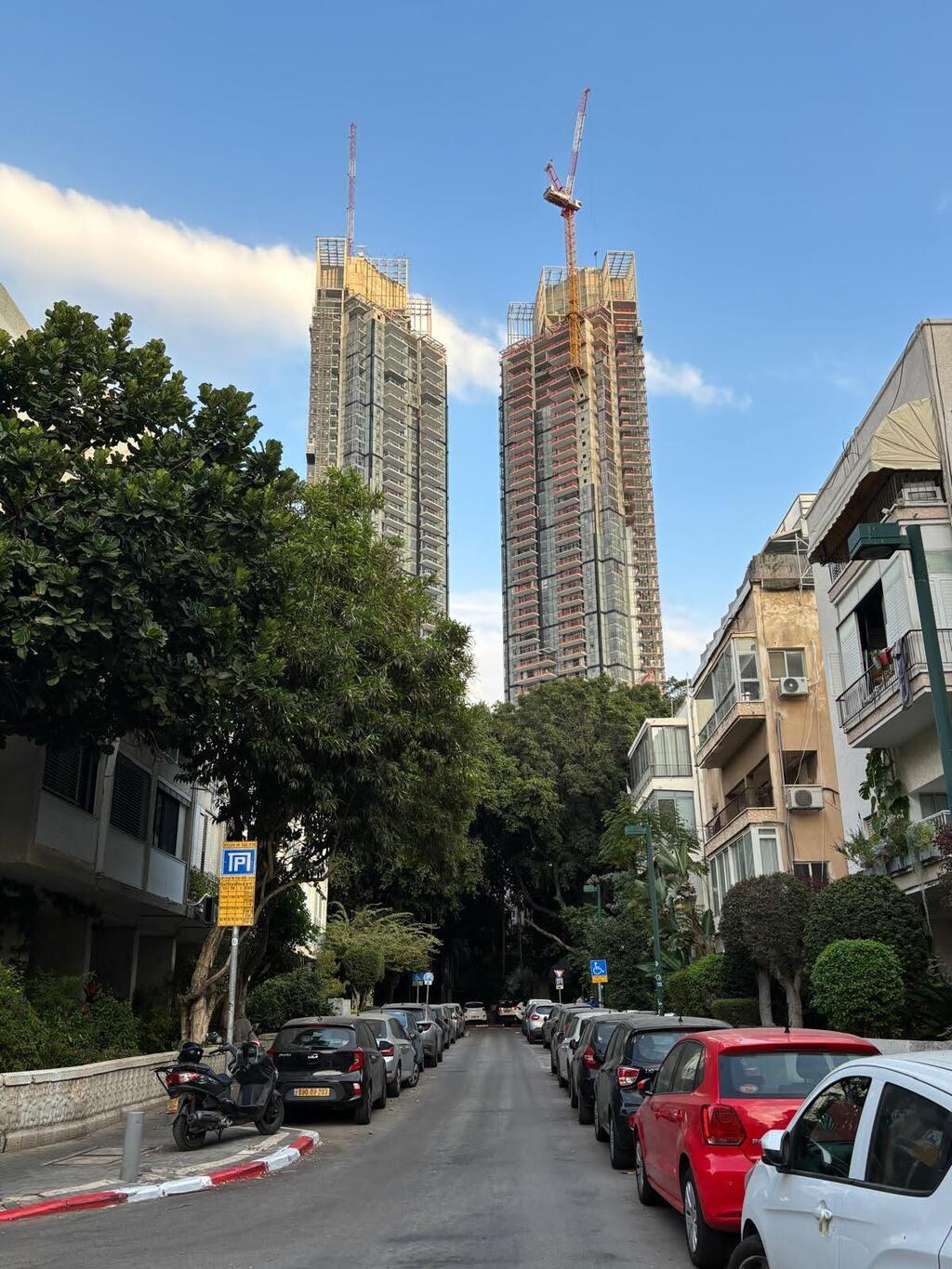
Construction in Tel Aviv
(Photo: Yaron Brenner)
In several recent cases, the gap between what a seller wanted and what I believed the market would support was simply too wide. In those situations, I respectfully declined the listing altogether. Not because I didn’t like the property. Not because I didn’t want the business. But because I already knew what the likely outcome would be.
In today’s market, I genuinely want to be proven wrong. Show me a property I valued too conservatively that ultimately sells far above expectations. I’m sure those one-off cases exist.
But one exceptional sale is not a market trend. And it’s certainly not a pricing strategy.
Developers are facing a different yet similar reality
On the developer side the story is more complex but the market dynamics are not entirely different. Construction costs are higher. Financing costs are higher. Labor shortages, supply chain pressures, on going war and broader uncertainty have all added pressure to margins.
At the same time, buyers are facing their own reality. Interest rates are no longer what they were three years ago. Borrowing capacity is lower. Monthly carrying costs are higher. Many international buyers are also dealing with significantly weaker purchasing power due to currency fluctuations and broader global uncertainty.
The result is a quiet standoff. Developers understandably do not want, and often cannot lower, pricing below what their original projections they presented to the bank and investors. Buyers, on the other hand, are less willing, or in many cases unable, to pay prices that may have worked in a completely different economic climate. That doesn’t mean deals are not happening, they absolutely are, but at a slower pace and less frequency.
One interesting trend I’ve been noticing through my conversations with developers is that the ultra-luxury segment - penthouses, premium units and high-ticket properties - appears to be holding up surprisingly well. In many cases, these are among the first units to sell. Meanwhile, the mid-market and lower-budget inventory often takes considerably longer to move.
Permits exist but construction delays are more frequent
One of the more interesting phenomena I’m seeing is that some projects already have permits in hand and, by all appearances, are ready to move forward - yet they’re not breaking ground.
What’s often happening behind the scenes is that developers are sitting on approved permits to start construction while struggling to sell inventory at the prices they originally projected. This can complicate financing from the bank, impact projected margins and ultimately create significant delays in getting a project off the ground.
Tel Aviv
(Photo: Noah Sander)
The larger developers often have the financial strength, track record, and business infrastructure to weather these conditions and continue moving forward despite an evolving market. Others, however, are being forced to wait, or in some cases walk away from projects entirely.
How buyers can minimize risk
For buyers considering new construction, there are a few simple but important steps that can significantly reduce risk.
First, whenever possible, look for projects where construction is clearly underway. Dirt moving, cranes in the air, and real progress on site. Second, do your homework on the developer. Look beyond the glossy brochure. Research what projects they are actively building today, not just what they plan to build tomorrow.
If a developer’s footprint consists mostly of “Coming Soon” signs around the city, but very little actual construction activity, it may be worth asking some tougher questions before moving forward.
Looking ahead
Could demand surge once the war fully subsides? Possibly. Likely, even. Real estate has always been an emotional industry, and Israel has repeatedly shown extraordinary resilience in the face of uncertainty. Long-term demand for quality housing remains very real.
But emotion and euphoria does not change someone’s economic viability overnight. Demand alone does not rewrite economic reality. Buyers today have different financing conditions, different purchasing power and far more options than many sellers may realize.
And in today’s market, every potential seller eventually has to answer one very simple question: Are you a real seller, or are you simply testing the market?
Because if it’s the latter, the market has a way of delivering a very sobering reality check.
Over the next six months, I personally expect pricing on many new construction projects to remain relatively stable, with developers continuing to offer creative incentives - whether that’s favorable payment schedules, construction index protection, or other benefits designed to help bridge the gap with buyers.
The second-hand market may tell a different story. Particularly for older apartments in aging buildings, requiring substantial renovation, with no clear redevelopment plans on the horizon, I would not be surprised to see continued downward pressure in pricing - even in the most desirable parts of Tel Aviv.
From where I stand on the ground, the opportunities are still very much there. For buyers, for sellers and for developers alike. But in today’s market, the properties that move are not necessarily the best properties.
They’re the properties priced for the reality of today, not the memories of yesterday.
- Noah Sander is a Canadian born real estate professional based in Tel Aviv and founder of zionistinvestor.com, an AI-powered platform helping international buyers navigate the Israeli property market. For inquiries: [email protected]
First published: 20:32, 05.04.26