


The government is weighing a new approach to restore neighborhoods ravaged by Iranian missile fire—an initiative that could offer not only swift compensation to affected families but also generate significant financial returns for the state.
According to a proposal submitted by the Israel Builders Association to the inter-ministerial task force for rehabilitating missile impact zones, homeowners whose apartments were destroyed would receive full, immediate compensation, empowering them to purchase a new home elsewhere.
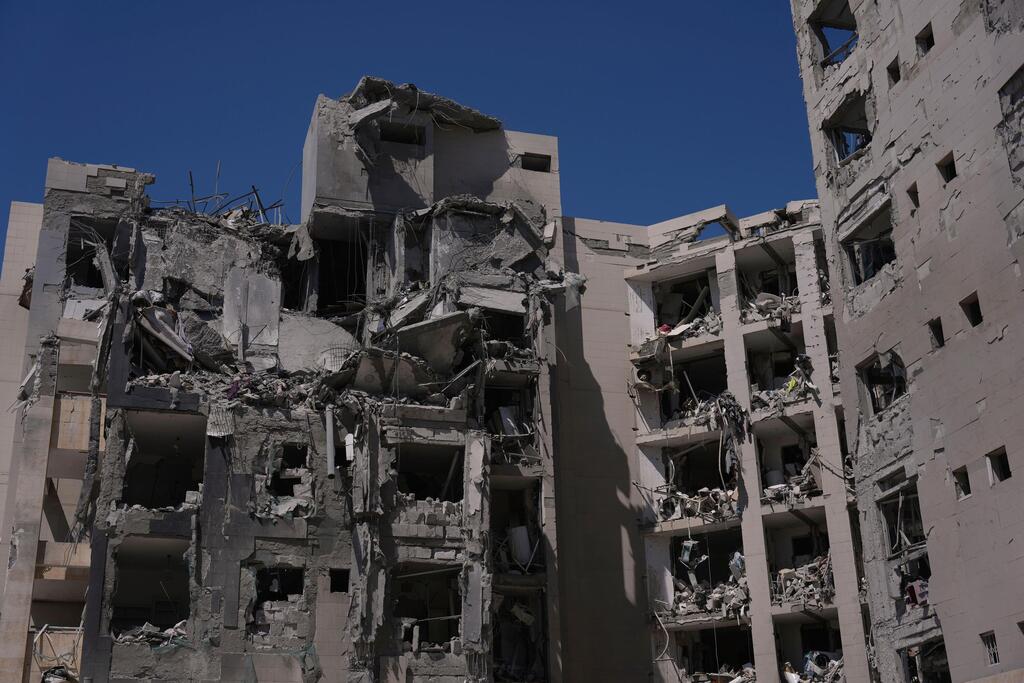
In exchange, the state would inherit development rights to the original sites, redesign the neighborhoods, and sell the land to developers via competitive bidding—likely at a considerable profit.
For many families whose homes were reduced to rubble, the path forward remains unclear. With entire buildings lying in ruin, residents are left waiting—both for answers and for a sense of direction. While efforts to advance urban renewal are underway, concerns within the Justice Ministry linger over the possibility of imposing such renewal and infringing on property rights. The Builders Association, deeply involved in reconstruction efforts, has stepped in to help remove the legal and logistical roadblocks.
In a letter sent to the inter-ministerial team—comprised of representatives from the Finance, Housing, Interior, and Justice ministries—Vice President Tomer Tzali’ach of the Builders Association outlined a strategic plan that is fast, cost-effective, and rooted in practicality.
In cases where an urban renewal project is already underway, the association suggests giving homeowners a choice: accept a cash payout and start anew elsewhere, or remain in the project under improved terms. To encourage the latter, developers would need to offer more generous compensation. If a resident opts out, the state would assume their property rights and step into their place.
More than a monetary issue
But rebuilding isn’t just a matter of compensation. Property rights must be addressed head-on. Under current law, those whose homes are destroyed can receive compensation equal to their apartment’s value—or reconstruction with modern upgrades like fortified safe rooms and elevators. This, by the by, gives owners little incentive to support urban renewal projects, which might add new housing to their buildings or introduce entirely new towers into their neighborhoods. Some resist what they see as unnecessary change.
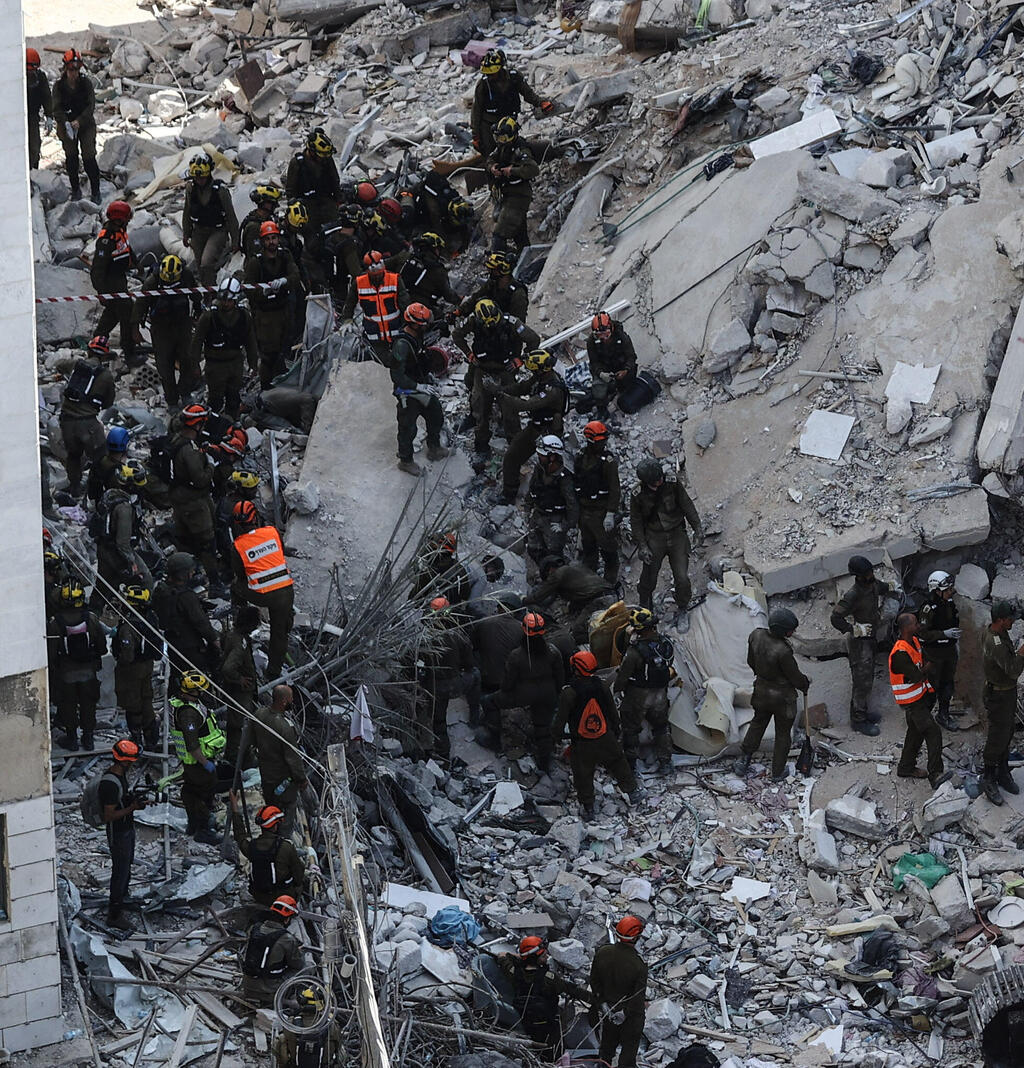
Iranian missile impact in Bat Yam
(Photo: Gil Nechushtan)
To counter this, the Builders Association proposes increasing building rights for original units and ensuring that urban renewal does not come at the expense of existing entitlements. Where majority approval for a project is lacking—or where opposition threatens to stall progress—the state should be authorized to expropriate ownership rights, offering fair compensation based on the estimated value of a new apartment with upgraded rights.
Once the state holds those rights, it could fast-track a new master plan for the area, maximizing density and development potential, and issuing permits without delay. The ultimate sale of the land to developers would then recoup—and likely exceed—the state’s initial outlay.
Where a project already has majority support, the state would need only to expropriate units from dissenters—who would be compensated—allowing developers to proceed unimpeded. Affected residents could also be supported through government-backed mortgages to secure replacement homes.
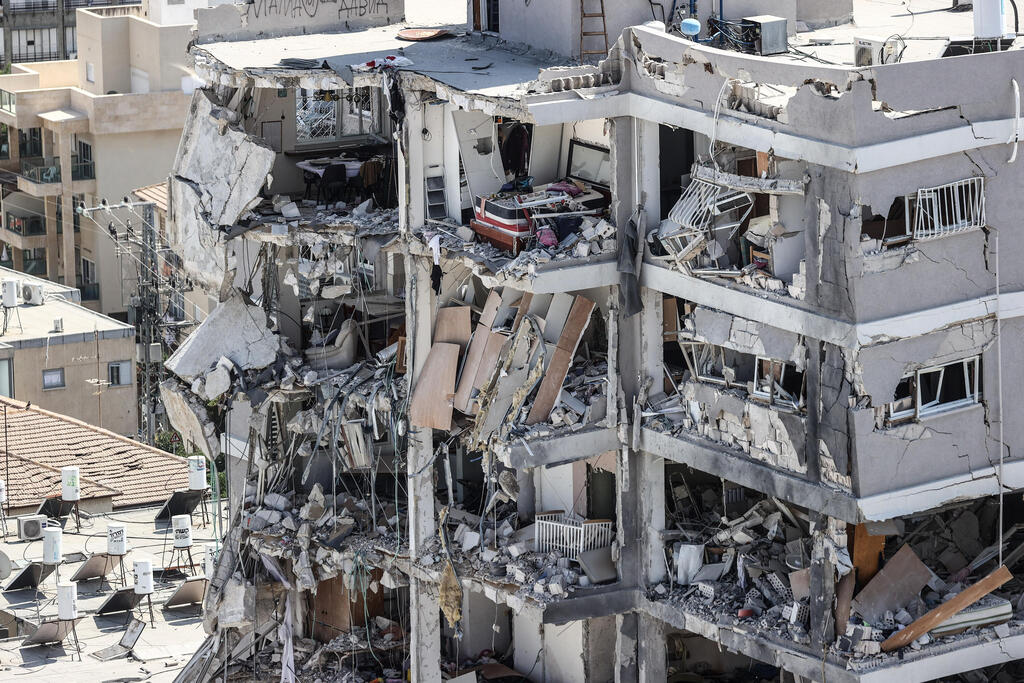
Iranian missile impact in Bat Yam
(Photo: Gil Nechushtan)
“Our proposed model gives homeowners maximum flexibility,” Tzali’ach wrote. “They can rent, purchase a replacement apartment, or wait for new construction in their original neighborhood. We believe this not only protects property rights but offers a swift, dignified solution that opens the door for widespread renewal.”
A crucial component of the plan is dramatically reducing the time it takes to secure planning and construction permits—currently a process that can drag on for years. “That timeline is simply unacceptable, especially when entire buildings have been reduced to rubble,” Tzali’ach noted. “To rebuild quickly, we need new tools—streamlined, efficient, and practical—that can shrink the planning window to just a few short months.”
Get the Ynetnews app on your smartphone: Google Play: https://bit.ly/4eJ37pE | Apple App Store: https://bit.ly/3ZL7iNv
According to the letter, much of the delay stems from bloated bureaucracy, redundant consultations, and drawn-out negotiations with local authorities—many of whom resist increased housing density. Without adding significant numbers of new apartments, Tzali’ach warns, renewal projects become financially unviable. And without enhanced building rights, the state will never recoup its investment.
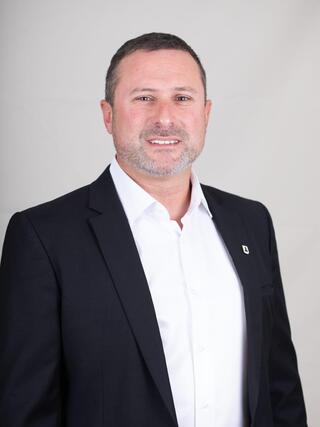 Tomer TzaliachPhoto: Shiri Gruper
He proposes that planning be managed by a central government body, bypassing municipal delays and allowing the issuance of construction permits through a tightly controlled and pre-approved “permit plan.” By locking in rights and guidelines early, legal disputes can be avoided, and building can begin almost immediately.
The issue of time
Another barrier is taxation. To make these projects truly feasible, Tzali’ach suggests exempting renewal areas from land appreciation and purchase taxes, as well as municipal betterment levies. This would enable more generous offers to homeowners while ensuring developers can still turn a profit.
Beyond the legal and fiscal complexities, there are practical challenges: a nationwide labor shortage limits the ability to redirect workers to rebuilding projects; construction timelines are already stretched, averaging 39 months; shortages in raw materials and equipment persist due to the war; and work hours remain restricted.