


Israel’s housing market slumped to its lowest point in two years in October, with just 4,654 homes sold — a sharp 35% drop compared to the previous month and a 17% decline year over year, according to new data published Sunday by the Central Bureau of Statistics (CBS).
The monthly report, covering transactions from August through October 2025, shows a clear slowdown in both new and second-hand home sales. Of all homes sold in October, 41.1% (about 1,910 units) were new, and 58.9% (about 2,740 units) were second-hand. Nearly half of the new homes sold — 45.8% — were part of government-subsidized programs such as the "discounted apartment" initiative.
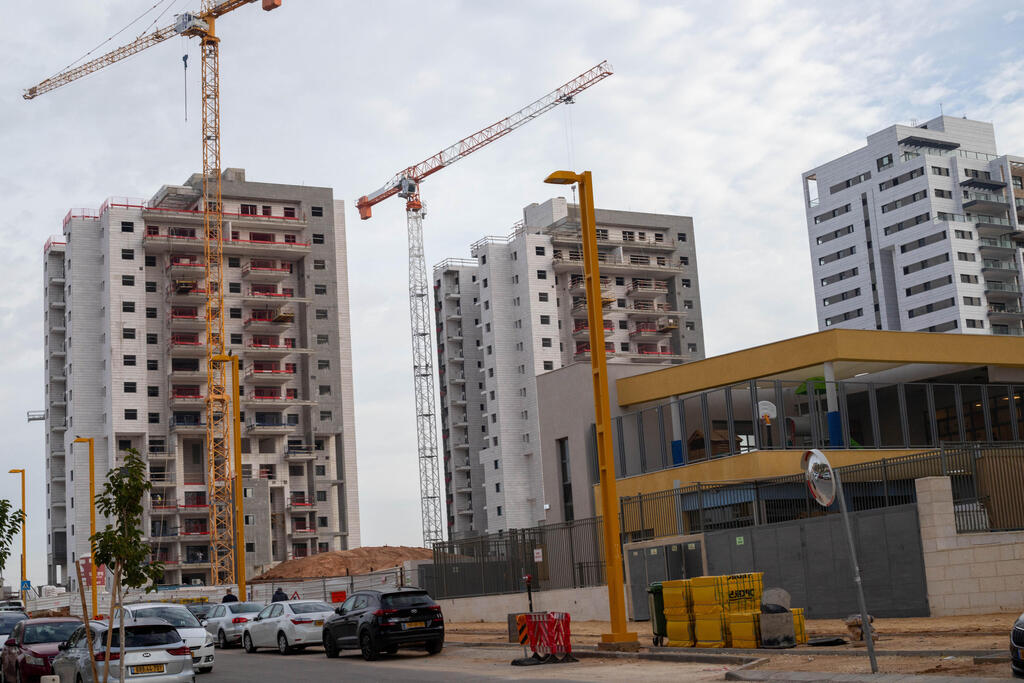
The figures align with a separate report issued last week by the Finance Ministry’s chief economist, which also pointed to a two-year low in housing transactions, echoing levels last seen in November 2023.
In the three-month period from August to October, about 19,870 homes were sold — a 9.8% decrease compared to May through July. Seasonally adjusted, however, the trend shows a 5.5% uptick. Still, compared to the same period last year, the drop stands at 12.1% in raw data and 11.6% after adjusting for seasonal effects.
New homes accounted for 40.2% of total sales during the three-month period, or roughly 7,990 units — with 35.6% of those under government subsidy. Sales of new homes rose 7.4% compared to the previous quarter, and 17.2% after seasonal adjustments. However, year-over-year comparisons show a 16.7% decline, both in raw and adjusted figures.
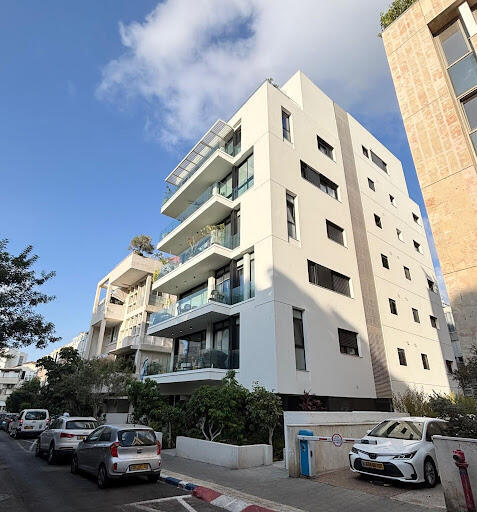
Second-hand homes made up 59.8% of all sales between August and October, totaling around 11,880 units. That’s an 18.6% drop from the prior quarter and a more modest 1.1% decline after seasonal adjustment. Compared to the same period in 2024, second-hand home sales were down 8.7% in original data and 7.8% seasonally adjusted.
(Photo: Noah Sander)
Long-term trend data show a fluctuating market: from October 2021 to April 2023, total home sales declined at an average monthly rate of 3.9%. That trend reversed between May 2023 and June 2024 with a 2.5% monthly increase, before slipping again starting in July 2024, with an average monthly decline of 1.2%.
The new-home segment followed a similar path. Between August 2021 and March 2023, sales fell by 3.8% monthly on average, before rising at the same pace through May 2024. From June 2024 to June 2025, sales declined again — by 2.4% per month on average — before rebounding slightly in the past four months with a 0.9% monthly increase.
Second-hand home sales also declined from October 2021 to August 2023 by an average of 3.6% monthly, followed by a positive trend through November 2024, with a 2.9% increase. Since December 2024, the market has contracted again, with sales dropping at a 2.2% monthly rate.
Netanya makes the map
Regional data on housing transactions released by the CBS shows that the Central and Southern districts led the market from August to October 2025, accounting for 24.3% and 21.3% of total home sales, respectively.
(Photo: Noah Sander)
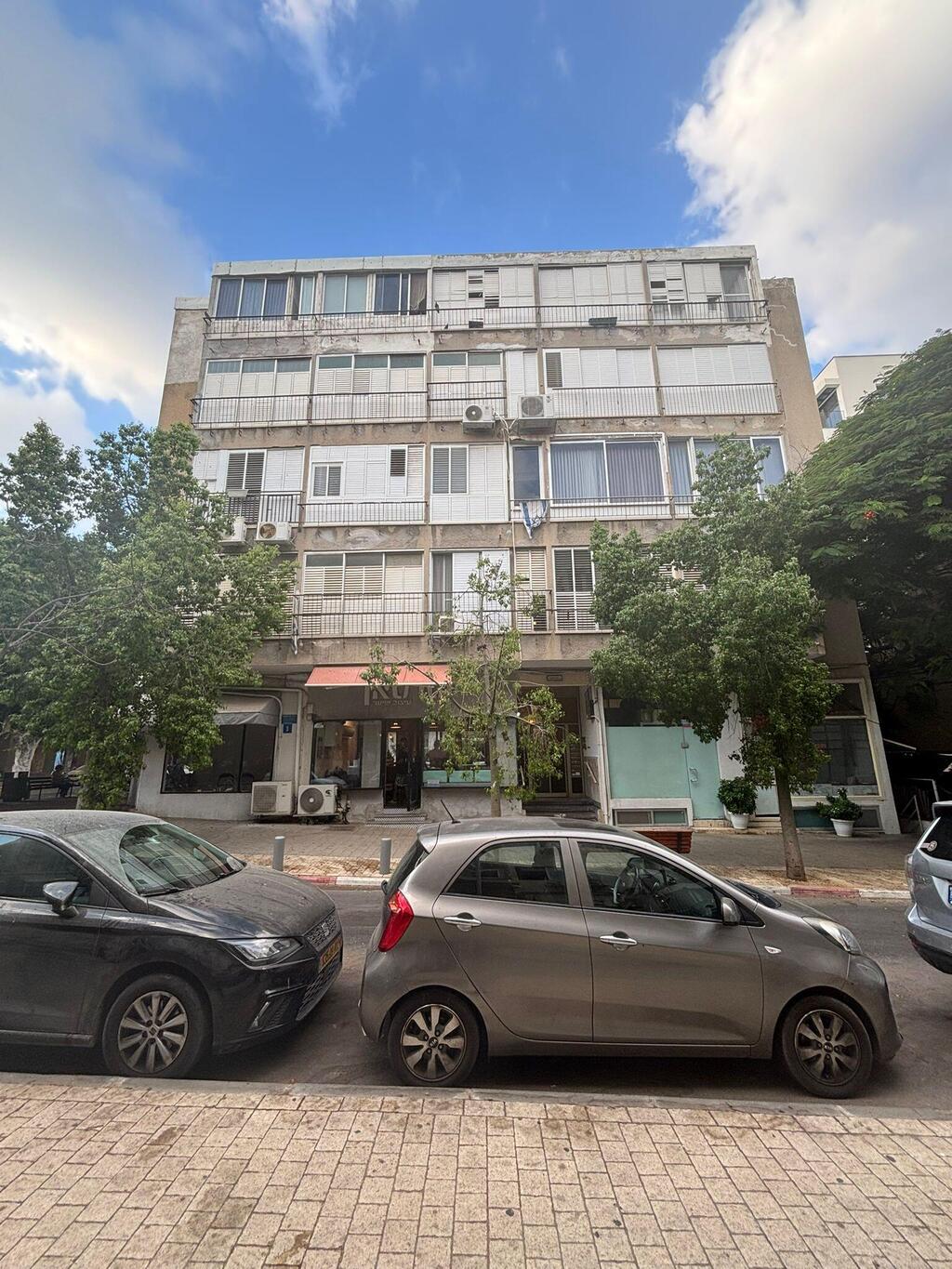
The sale of new homes showed mixed trends across districts compared to the previous quarter, while second-hand home sales declined uniformly in all regions.
In terms of new home sales, the cities of Tel Aviv–Jaffa, Netanya, Haifa, Jerusalem and Ofakim each saw more than 400 new units sold during the three-month period. For second-hand homes, Haifa, Jerusalem, Be'er Sheva, Tel Aviv–Jaffa and Ashkelon led the market, each with over 400 units sold.
As of the end of October, approximately 83,580 new homes remained unsold — a slight decrease from the previous month and the first such drop since February. The inventory level translates to 29.2 months of supply, meaning it would take that long to sell all unsold units at the current sales pace. Since April 2022, the supply of unsold new homes has been rising at an average monthly rate of 1.5%.
The Tel Aviv district held the largest share of unsold new homes, with 26,570 units (31.8%), followed by the Central district with 20,750 units (24.8%). Among cities with populations over 100,000, Tel Aviv–Jaffa led with roughly 10,690 unsold units, followed by Jerusalem with about 8,320.
Among smaller cities, those with the highest numbers of new homes still on the market were: Lod (2,780), Be'er Ya'akov (2,340), Ra'anana (1,560), Ofakim (1,500), Kiryat Gat (1,440), Kiryat Ono (1,380), Ramat HaSharon (1,180), Kiryat Bialik (1,150) and Or Yehuda (1,030).