

What prompted me to write this was a recent conversation with a client while we were viewing properties in Tel Aviv.
We had spent the day touring several apartments, and one of them genuinely appealed to her. The layout worked. The condition was strong. On paper, it made a lot of sense. But I could tell from her energy that she was not fully convinced.
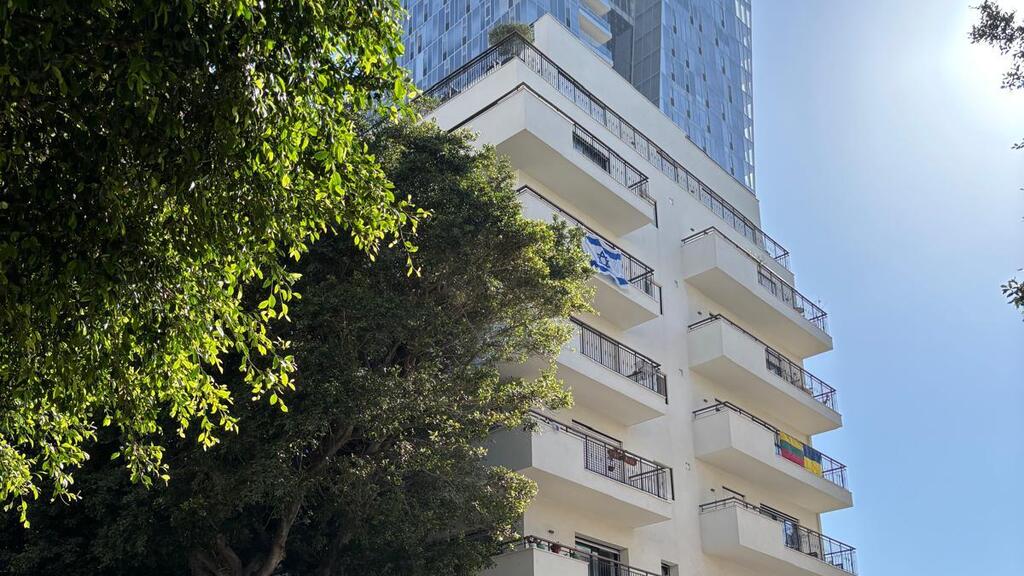
As we walked to our next appointment, she looked at me and said, “I guess I could learn to like the area.”
That was the moment I pushed back.
“I need to stop you there,” I told her. “For your goals and the budget you’re working with, I’m going to be very direct: as your agent, and as someone who has seen this play out with other clients, do not try to learn to like the neighborhood.”
By that point, I had already learned something important about her. Whenever we walked around the Shenkin area, Balfour, Nachmani and the special streets of Tel Aviv’s Lev HaIr neighborhood, her entire demeanor changed. She lit up. She did not need to analyze it or convince herself. It just happened.
When she imagined herself living in Israel, this was the picture in her mind. I explained to her that this was exactly where our search needed to stay focused until we found the right property.
A few days later, she thanked me for pushing back. After thinking it over, she realized she had been trying to convince herself to compromise on something that mattered more than she originally understood.
Over the years, I have seen versions of this same situation many times.
That brings me to one of the most important, and most nuanced, pieces of advice I give buyers purchasing a home in Israel: if possible, do not compromise on the neighborhood.
Here is the test I give every buyer. Think about the neighborhood for a moment. If it does not excite you within the first five seconds, without you having to talk yourself into it, that is your answer. Be patient until the right place comes along. You will thank yourself in the long run.
The reality of the buying process
Regardless of budget, when it comes to the property itself, it is rare to get exactly what you want. Almost always, there will be something to compromise on: size, specifications, floor, parking, finishes or condition. That is the reality of the market.
Yet after working with hundreds of buyers looking at property in Israel, I have noticed something consistent.
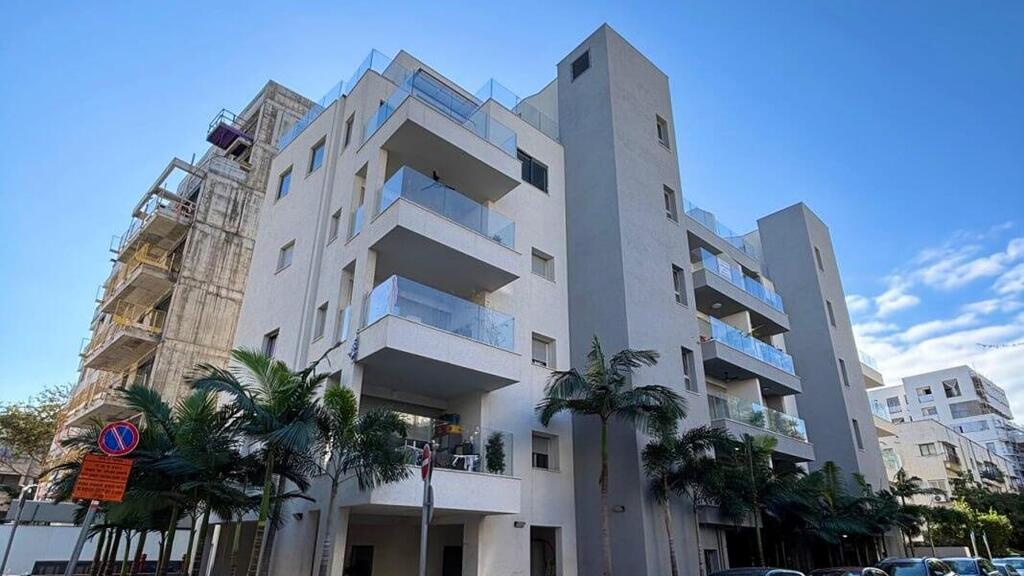
(Photo: Noah Sander)
The buyers who end up happiest with their purchase are not necessarily the ones who buy the biggest or most beautiful apartment. They are not always the ones who negotiate the best price. And they are certainly not always the ones who find the perfect floor plan.
More often than not, they are the buyers who get one major decision right from the beginning: they choose the right neighborhood.
Your backyard starts outside the front door
People become so focused on the apartment itself that they forget something even more important: they are not just buying a property. They are buying a lifestyle.
In my honest opinion, that lifestyle is often more important than the property itself. I would rather have a cozy hut on the beach than a castle in Siberia. Maybe that is just me, but I doubt it.
When people begin searching for a home, it is natural to focus on the apartment. The square meters, the balcony, the kitchen, the view, the parking. All of those things matter, and nothing in this article is meant to diminish the importance of a home that genuinely feels right.
But in Israel in particular, after the excitement of the purchase fades, something interesting happens. You stop noticing many of those details every day.
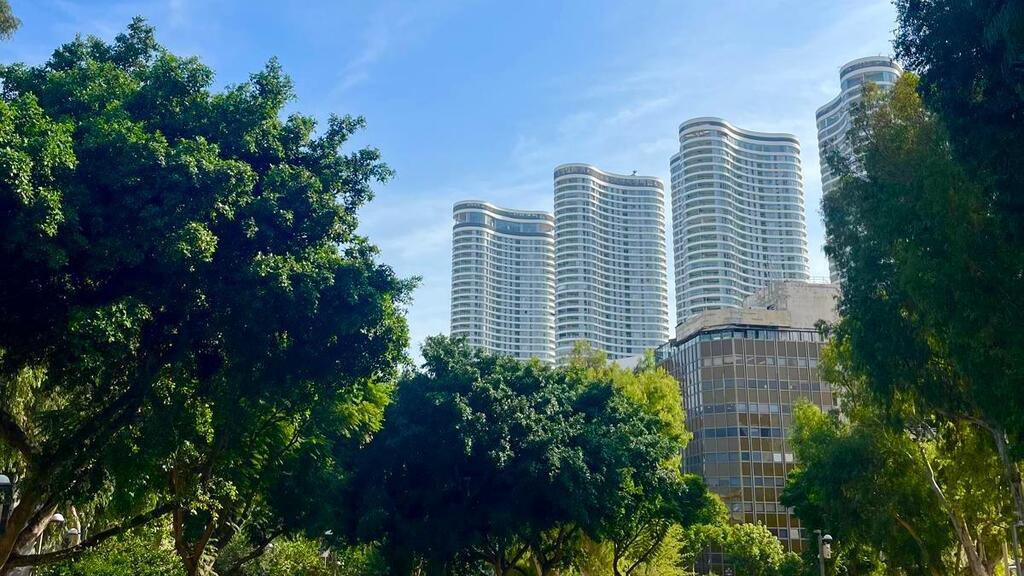
(Photo: Noah Sander)
What you do notice is the life around you. The café you walk to in the morning. The streets you pass through. The familiar faces at the gym. The Friday atmosphere. The feeling you get when you step outside your building.
That becomes your daily life.
Over time, I have found that a good apartment in the wrong neighborhood creates far more regret than an imperfect apartment in the right one.
When I think about some of the best memories in life, from childhood until today, very few of them took place entirely inside the four walls of a home. Most happened outside: walking through a neighborhood I loved, sitting at a table with people who mattered, returning again and again to places that became part of my routine.
Home will always be home. The moments inside it are irreplaceable. But many of life’s most meaningful moments happen outside the property itself.
This is especially true in Israel. The climate, the street life and the rhythm of the country mean that your neighborhood becomes an extension of your home in a way that feels unique to living here. Those small daily moments often determine how happy you are in a place.
The stakes are higher for buyers coming from abroad
For an international buyer, or for someone making Aliyah, the neighborhood choice carries extra weight that a domestic buyer may not experience in the same way.
For many people buying from abroad, the neighborhood is not just where they will live. It is the answer to a question they have been asking themselves for years: What will my life in Israel actually look like? What will it feel like when I walk outside in the morning?
The apartment is a detail. The neighborhood is often the answer.
I have sat across from enough buyers abroad to know that most of them are not picturing a floor plan when they imagine their life in Israel. They are picturing a street, a café, a Shabbat afternoon, a feeling. That image already exists somewhere in their mind before they have seen a single listing.
My job is to find it, and to make sure they do not mistakenly compromise it away in the process.
Where to compromise, and where not to
Of course, there are exceptions. For pure investors, the numbers may matter more than the lifestyle. Some buyers intentionally target emerging neighborhoods for future upside. Others are purchasing properties they will use only occasionally.
But for buyers purchasing for themselves, whether for Aliyah, a future move or a holiday home they genuinely intend to enjoy, lifestyle almost always matters more than they initially think.
The reality is that almost every buyer compromises somewhere. Maybe the apartment is slightly smaller. Maybe the building is older. Maybe the finishes need work.
But apartments can be renovated. Layouts can be improved. Finishes can be upgraded. Neighborhoods change too, but it can take years, sometimes decades, for the character of an area to truly shift.
So before you decide to look elsewhere on the map, ask yourself where you can reduce the must-haves on the property itself. Then see what becomes available in the area you actually want.
You may be surprised by what becomes possible when the neighborhood is the non-negotiable.
The longer I work in real estate, the more I believe that buying property is not really just about buying property.
It is about designing your future life and deciding how you want to feel inside it. The apartment is part of that equation. The neighborhood is the stage on which that life takes place.
The happiest buyers I have worked with are rarely the ones who found the perfect apartment. They are the ones who found the place that felt right from the moment they imagined themselves living there, not only inside the home, but everywhere around it.
- Noah Sander is a Canadian-born real estate agent based in Tel Aviv, specializing in helping international buyers and new olim navigate the Israeli property market. He is the founder of ZionistInvestor.com. He can be reached directly at [email protected]