

Let’s start with the obvious: Tel Aviv real estate is expensive. For many international buyers, the first reaction is disbelief. “You’re telling me this two-bedroom apartment costs over 1.5 million U.S. dollars?”
And I get it. As someone living in Tel Aviv myself, I wish prices were a fraction of what they are. But here’s the thing: they’re not, and there’s a reason for that. If people weren’t paying, prices would have corrected sharply years ago. Yes, we’ve seen some adjustments, particularly in the second-hand market, but prices by no means have collapsed. That resilience further underscores the value this city holds in the long run, with demand destined to bounce back at full force.
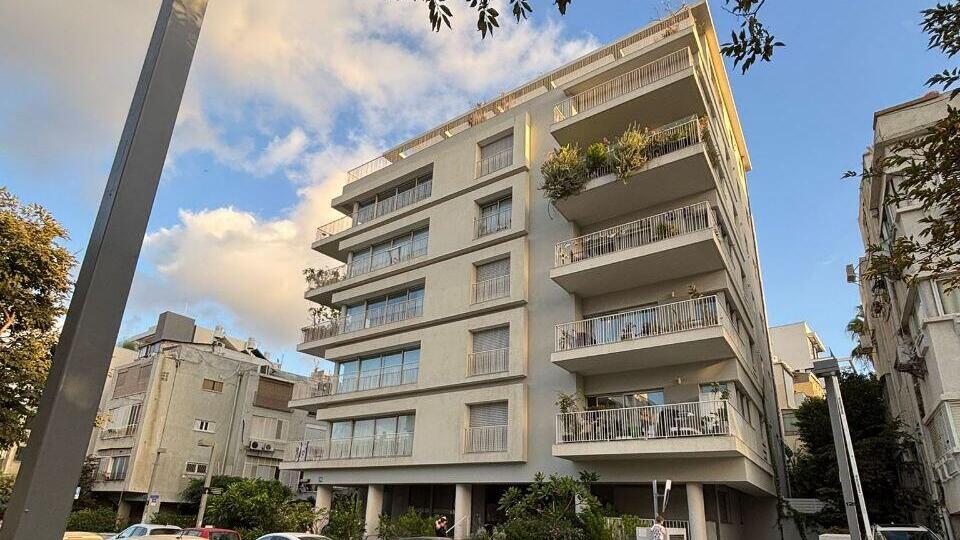
Why are prices so high?
Tel Aviv’s high property prices come down to a mix of history, economics, and pure desirability. By the time Israel was founded in 1948, it was already the country’s most populated city, and it quickly became the economic, cultural, and cosmopolitan center. In the 1990s and 2000s, Tel Aviv cemented itself as Israel’s startup and tech hub, earning the title of the “non-stop city” on the Mediterranean. That reputation drew not only local Israelis but also foreign buyers and Jewish diaspora families looking for a second home.
In addition, land scarcity is a big contributing factor. Tel Aviv is tiny; its inner city limits account for just under 20 square kilometers, with the sea on one side and no room to build but up. And lastly, the bureaucracy. For typical urban renewal projects seen in Tel Aviv, years of slow planning approvals create bottlenecks in supply. The time it takes for a developer to advance a project, from the initial stages of getting all the existing owners on board, to approvals and permits from the city, to finally breaking ground, to eventual completion - it’s a process that usually takes a minimum of 4- 5 years, sometimes more.
At the end of the day, demand has far outpaced supply for decades, and buyers keep stepping up. Tel Aviv’s pull is undeniable.
The Tel Aviv lifestyle
Which brings me to my next point. Let’s address the question at the heart of it: Why do people pay?
It’s because Tel Aviv is unlike anywhere else.
I’ve never met anyone who visited Tel Aviv and said, “That was boring.” On the contrary, people leave buzzing and can’t wait to come back. The energy of the city is contagious. From the food scene, nightlife, and café culture, to the people, the events, the beach, sunshine year-round, and a remarkable sense of safety with virtually no violent crime. Tel Aviv is on high volume all the time.
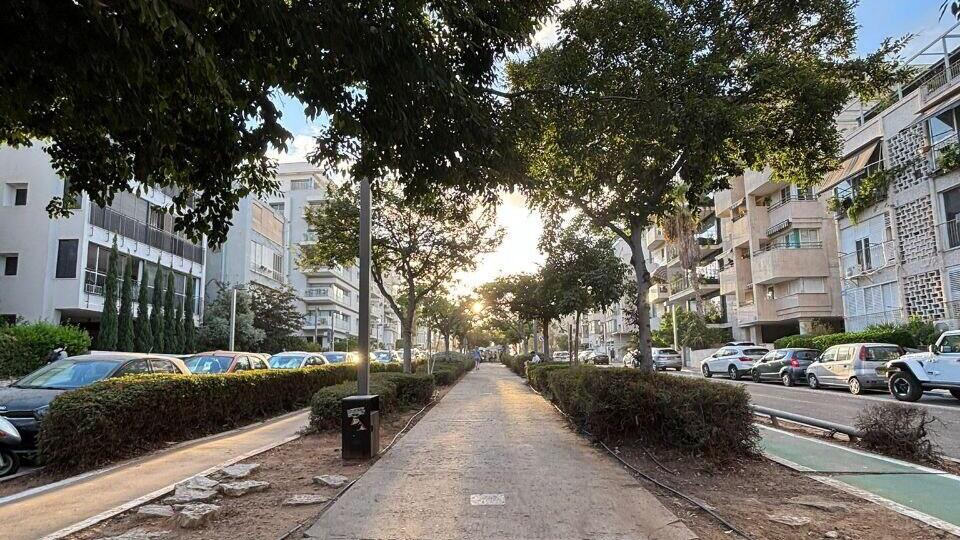
(Photo: Noah Sander)
Here’s a snippet of my own routine during the week: I wake up early with my better half and walk along the beachfront to my gym. After training, we stroll back home on the beach, stop for a quick coffee, and watch the surfers. We get home, get ready for work, and then walk ten minutes to my office. At the end of the day, I walk back home, have dinner with my fiancée, and then we’ll often go for a sunset walk around HaYarkon Park or the Tayelet, which at times feels like what I can only describe as a TV commercial.
On one recent evening, that walk led us to stumble across an outdoor movie night at Migdal Or near the Tel Aviv Port, where dozens of people were gathered. Afterwards, on our way home, we bumped into friends having a nightcap at one of our favorite cafés on Nordau Boulevard. We joined them for a while, then walked back home. That kind of spontaneity is a daily occurrence in Tel Aviv. And to be candid, we’re relatively tame and structured compared to many who live here. But the beauty of Tel Aviv is that you can shape the lifestyle that suits you, because it's all here.
This is what Tel Aviv offers: the proximity to vibrancy and authenticity that you can only truly grasp by living here. People feel younger here. They feel alive. And when you ask whether that lifestyle is “worth” the price, you realize it’s a deeply personal question. For many, the answer is absolutely yes. I’m not here to justify the high prices, but only to share from my own life and countless interactions I’ve had, why people are willing to pay them.
Smaller space, higher quality of life
Buyers from abroad often struggle with another key adjustment in the Tel Aviv real estate market: the size. In North America, the dream is square footage, huge homes, big yards, and basements.
In Tel Aviv, you compromise on size. But you gain in lifestyle. Here, life happens outside your apartment. You don’t need 3000 square feet of space when you have the entire city at your fingertips.
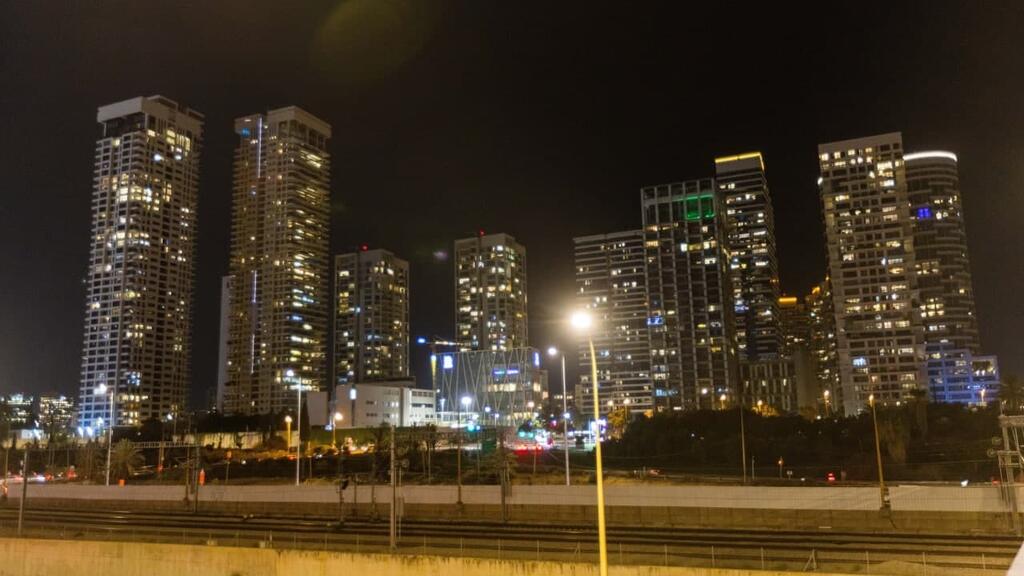
(Photo: Tal Shahar)
Outdoor gyms are in nearly every neighborhood. You can run or walk on the beach at all times of the day, row on the Yarkon River, play volleyball at Gordon Beach, hit tennis courts tucked into city parks, or join a basketball game under the lights. Cafés and restaurants spill into the streets, and cultural events run year-round. Try sitting in Dizengoff Square or the Kerem (the Yemenite Quarter) on a Friday afternoon. You’ll see what I’m talking about; it’s the happening of life, in high definition.
That’s why even many Israelis who spent decades in larger homes outside the city often downsize to Tel Aviv once the kids move out. They trade space for energy, accessibility, because quality of life here isn’t about how big your living room is - it’s about having the city at your doorstep.
The comparison trap
This is where many foreign buyers get stuck: they compare.
I hear it all the time: “This apartment costs more than my house in Chicago.” Or, “For this money in Thornhill, Toronto, I’d have a four-bedroom house with a yard.”
And my answer, without being dismissive, is simple: You can’t compare. It doesn’t mean those places don’t have value in their own right. But Tel Aviv is a different animal entirely. It’s the high-octane engine of Israel, the high-tech hub, the financial center, and for buyers abroad, a deeply emotional touchpoint. It’s not just about buying property. It’s about buying into a city with global magnetism and a Jewish identity that can’t be replicated elsewhere.
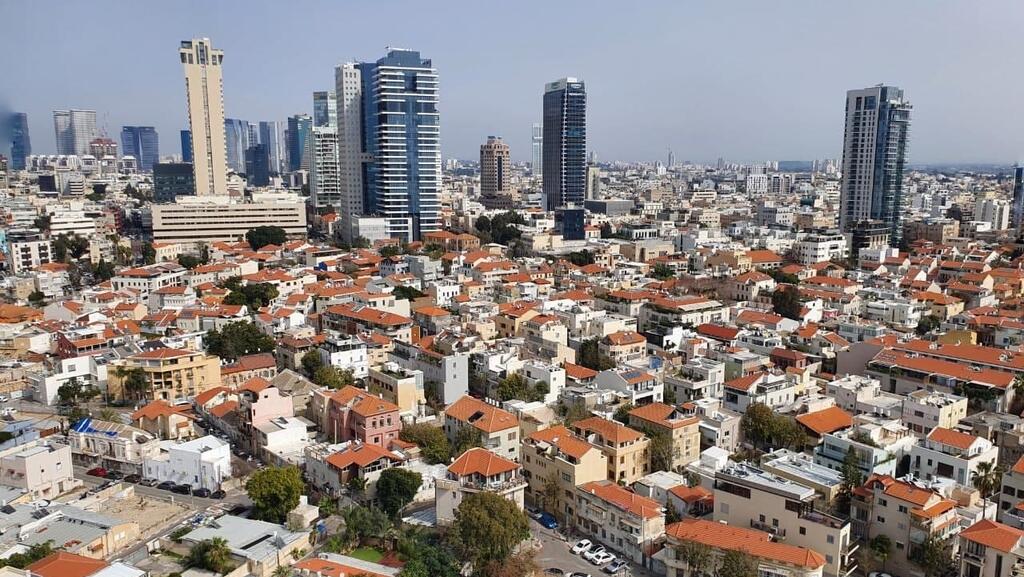
(Photo: Ido Erez)
When you compare Tel Aviv to the suburbs of Toronto or Montreal, or to many U.S. cities, it’s not apples to apples. The more accurate comparison is Manhattan, central London, or Hong Kong, where prices are also extremely high for the same reason: demand. Yet, Tel Aviv takes it to another level, and to many people, there’s a deep-seated connection to this country, this land, that goes far beyond return on investment.
The way I see it
Even now, with the temporary market slowdown, transactions may be happening in less volume, but the appetite to buy in Tel Aviv will come back with vengeance.
Why? Because this city sells itself. Those who can afford it will continue to pay the premium, and those who can’t will look at alternatives and make the commute to Tel Aviv when needed, just as people do in any other major global city around the world.
For some buyers, both locally and internationally, Tel Aviv may not make sense for them, but for many, the juice is worth the squeeze, just ask anyone who lives here.
Noah Sander is a Canadian-born real estate agent based in Tel Aviv, specializing in helping international buyers and new olim navigate the Israeli property market. For inquiries: [email protected], his brokerage: Daon Group Real Estate