

As Israel continues navigating one of the most significant military campaigns in its history, life here does what it has always done: it moves forward. A bit more exhausted, a bit out of routine, but life nonetheless continues. Cities keep growing, infrastructure expands and people still make long-term decisions about where they want to build their future.
Real estate, by its nature, is about the long term. Even during periods of uncertainty, international buyers continue asking the same questions: Where should we live? Which communities are welcoming to newcomers? Which cities offer the best balance between lifestyle and accessibility?
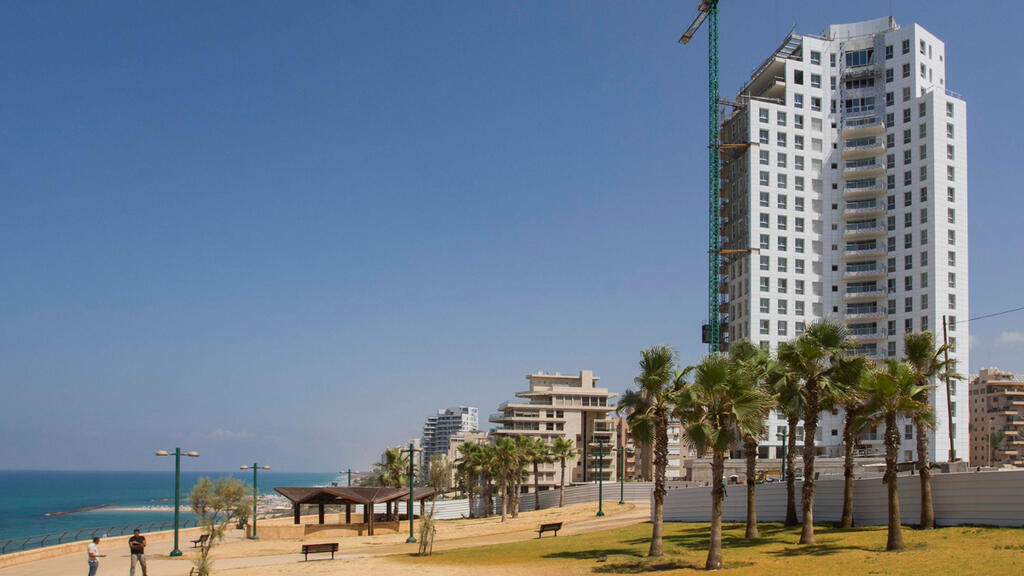
One city that consistently comes up in these conversations is Netanya.
Located roughly 30 kilometers north of Tel Aviv, Netanya has quietly evolved into one of Israel’s most popular coastal destinations for foreign buyers and new immigrants. For some, it offers exactly what they are looking for. For others, it may not be the right fit at all. This article aims to provide readers with context and a clearer understanding of who Netanya is truly for and who it may not suit.
Coastal living without isolation
One of Netanya’s biggest advantages is accessibility.
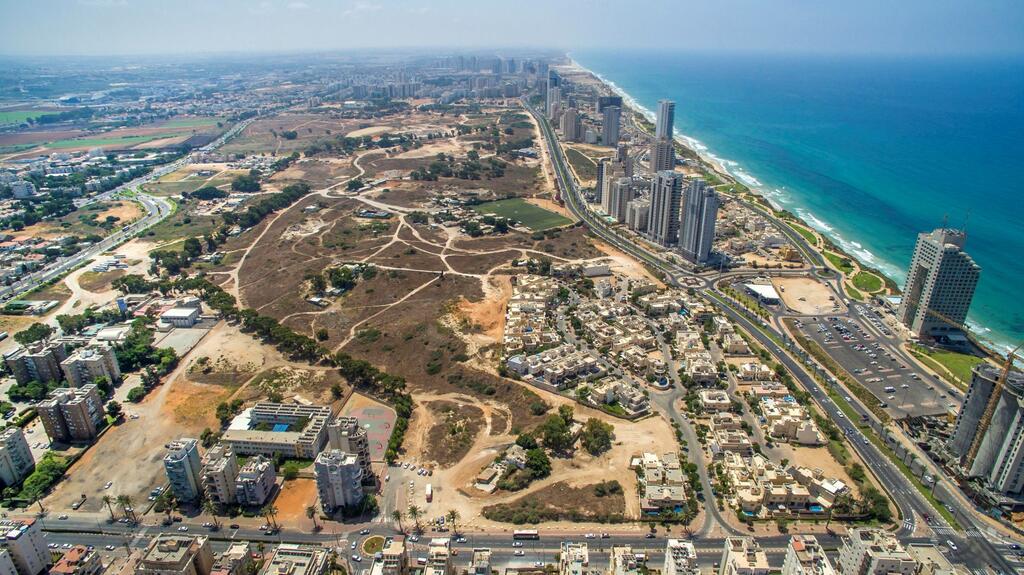
Despite feeling like a coastal escape, Netanya remains closely connected to Israel’s economic center. The train ride between Tel Aviv and Netanya takes about 25 minutes, while driving typically takes around half an hour outside peak traffic hours. This makes travel between the two cities manageable and even a realistic daily commute for those who want access to Tel Aviv’s pace and business ecosystem.
Netanya is also about 45 minutes from Haifa and roughly an hour and 20 minutes from Jerusalem, allowing residents to reach much of the country within reasonable travel times.
While Netanya may not be as deeply integrated into the Gush Dan metropolitan transport infrastructure as cities like Bat Yam or Ramat Gan, which benefit from direct light rail connections, it is far from isolated. For many international buyers accustomed to much longer commutes in global cities, these distances feel relatively minor.
(Photo: Avi Mualem)
That said, most people who choose Netanya are not doing so primarily for proximity to other cities. They choose it because of the lifestyle the city itself offers.
In many ways, Netanya provides something rare in Israel: luxury coastal living while remaining connected to the country’s economic heart. Walking along its elevated promenades overlooking the Mediterranean, it becomes clear why so many people are drawn here.
For those who want more urban energy, Netanya’s city center offers restaurants, cafés, bars and shops that provide a lively atmosphere whenever residents want it.
Built by immigration
Netanya has long been one of Israel’s most diverse cities.
Large communities from North Africa, Europe, France, North America and other parts of the world have shaped the city over decades. It is also home to one of Israel’s largest Ethiopian communities. This diversity has become a defining feature of Netanya’s character, making it one of the most culturally varied cities in the country.
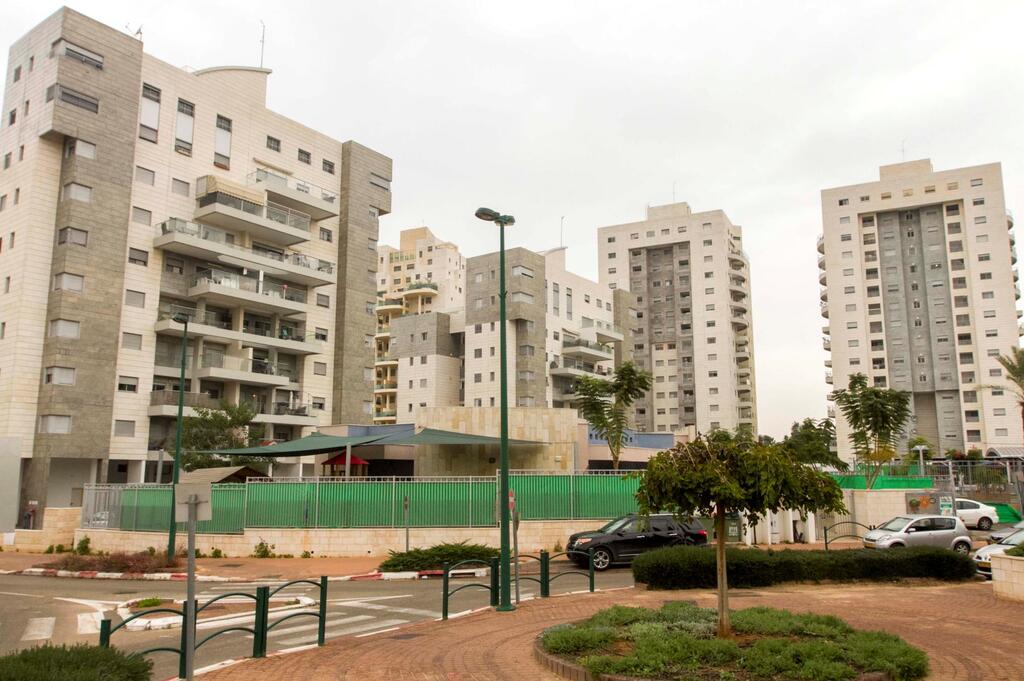
In recent years, especially, Netanya has become a primary destination for Anglo and French immigrants. In certain neighborhoods, English and French can be heard almost as often as Hebrew.
For many new immigrants arriving in Israel, this environment provides something deeply reassuring: the ability to integrate into Israeli life while still feeling part of an international community.
(Photo: Ido Erez)
A city in transformation
Like many cities in Israel, Netanya is undergoing a significant wave of urban renewal.
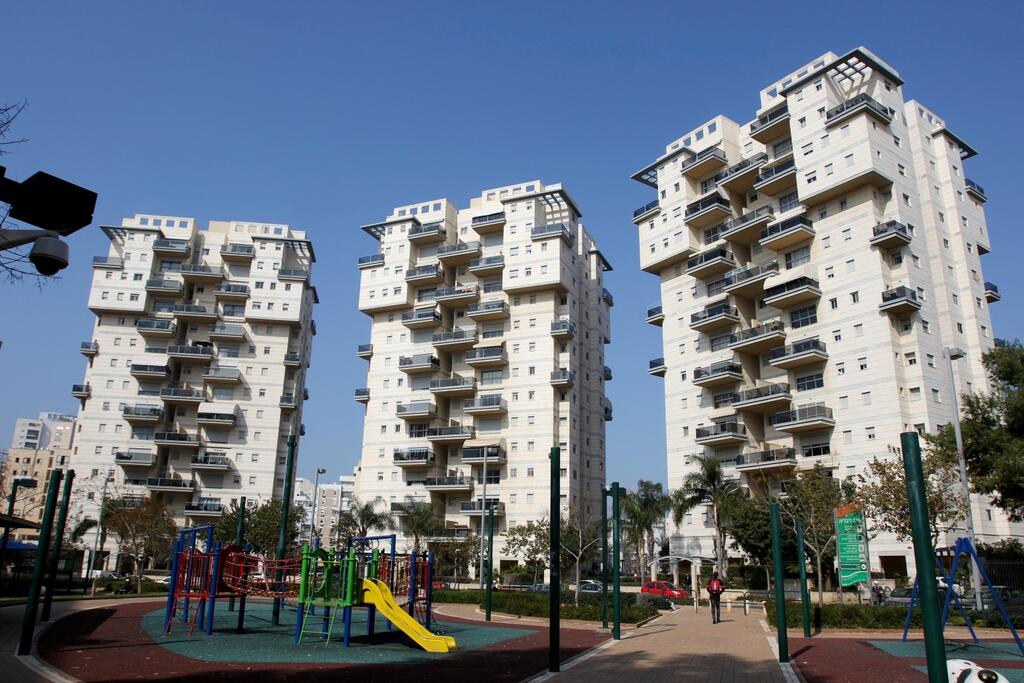
Older buildings are gradually being replaced with modern developments. Entire streets are being redeveloped, new residential towers are rising along the coastline and neighborhoods that once felt dated are being reshaped into modern residential areas.
This transition from old to new is taking place throughout the city, creating opportunities for buyers seeking both lifestyle and long-term appreciation.
In many ways, Netanya today sits in the middle of this transformation, still retaining elements of its older character while steadily evolving into a far more modern coastal city.
Beaches that stay with you
Netanya’s coastline is one of its defining features.
One of my most vivid memories of the city’s beaches actually comes from my time in active military service. During a particularly intense week of special forces training, we ended the week carrying heavy stretchers through knee-deep water along the shoreline.
Exhausted and hurting, I remember looking up at the cliffs above and seeing people relaxing on the beach, enjoying the sun and the Mediterranean.
I remember thinking to myself: What I would give right now to be sitting there eating a slice of watermelon instead of enduring the suffering we were going through.
It was a bizarre contrast, two completely different realities happening simultaneously on the same stretch of sand. But in Israel, that kind of contrast is strangely normal.
What stayed with me most, though, was how extraordinary those beaches really are.
Netanya sits on elevated cliffs overlooking the Mediterranean, with long promenades and wide stretches of sand that many consider among the most beautiful in Israel.
As someone who lives in and loves Tel Aviv, I can say objectively that Netanya’s beaches are in a league of their own.
Where international buyers are purchasing
International buyers can be found across many parts of Netanya, but several neighborhoods consistently stand out.
Ir Yamim, in the southern part of the city, has become particularly popular among foreign buyers. The area offers modern towers, close proximity to the beach, shopping centers and newer infrastructure that appeals to international residents. Walking through the neighborhood, it is common to hear French and English spoken regularly.
Nearby, the emerging Shirat Hayam neighborhood is expected to become one of Netanya’s premium areas, with several luxury, resort-style developments already underway.
It is an attractive option, especially for new immigrants seeking a modern environment close to the coastline. Buyers should keep in mind, however, that many projects in Shirat Hayam currently have delivery timelines of roughly four or more years.
Along the cliff-line promenade and around the city center, there are also towers and newer developments that attract buyers seeking direct beach access and open sea views.
Who Netanya is for
Netanya attracts a wide range of buyers.
From young families who recently made aliyah, to foreign buyers purchasing a second home, to recently retired couples looking to settle in Israel, the city appeals to people at very different stages of life.
Ultimately, it tends to make the most sense for buyers who prioritize coastal living and an international atmosphere but do not necessarily need to be in the center of Israel’s busiest urban environment.
For those who value beach access and that international feel, Netanya delivers both at a far more accessible price point.
Properties in Netanya are often roughly half the price of comparable apartments in Tel Aviv or Herzliya Pituach, and sometimes even less, depending on the building and location.
That same budget can open the door to larger apartments, newer buildings and luxury or resort-style developments near the beach.
Many buyers quickly realize that Netanya allows them to enjoy the coastal lifestyle they want while stretching their purchasing power considerably further.
Netanya’s bright future
Looking ahead, Netanya’s popularity among foreign buyers is likely to continue growing.
Established international communities naturally attract newcomers who prefer settling in places where language networks and cultural familiarity already exist.
At the same time, the city continues investing heavily in infrastructure, planning and urban renewal. And the coastline itself, one of Israel’s most beautiful, remains a constant draw for buyers seeking seaside living.
In many ways, Netanya has quietly crossed an important threshold. It is no longer simply a secondary coastal city north of Tel Aviv. It has become one of Israel’s most internationally oriented coastal cities in its own right.
And its story is still only beginning.
Noah Sander is a Canadian-born real estate professional based in Tel Aviv and the founder of ZionistInvestor.com, an AI-powered platform helping international buyers and new immigrants navigate the Israeli property market. For inquiries: [email protected]