

As I write this, I am sitting in a bomb shelter, along with the rest of the neighborhood. Some people reading this article may be wondering, “Is this really the time to talk about real estate?” It is precisely the time.
When one might assume the country is at its most vulnerable point, the opposite often proves true. In moments of crisis, the strength of Israeli society becomes most visible. And that is why investing here is not irrational. It is a confident decision rooted in an understanding of where this country is headed and where the future lies.
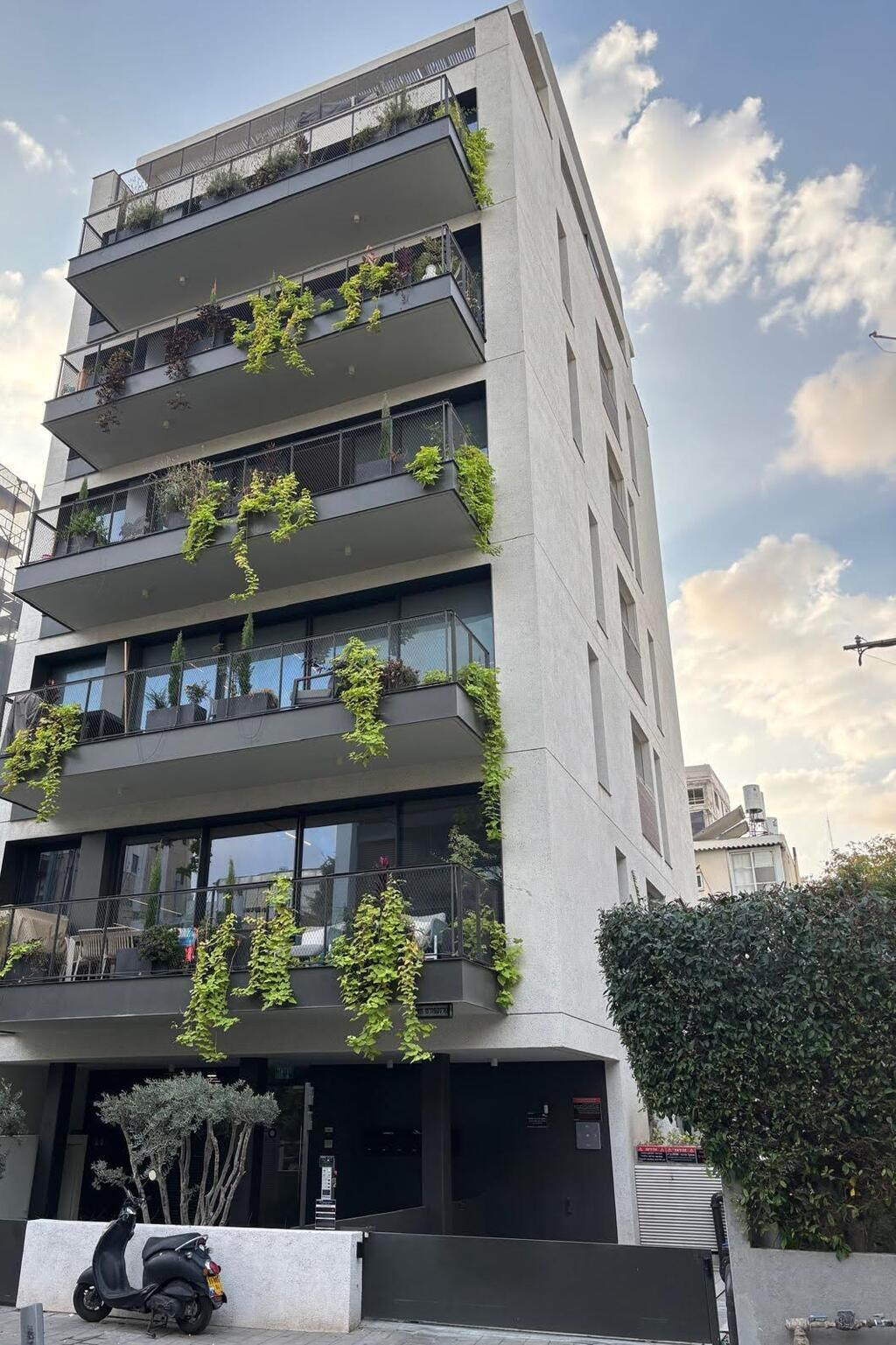
The sirens have become part of the rhythm of the day. Messages from friends, family and clients arrive in between alerts. Families move calmly and methodically to protected rooms. Children ask questions. Adults check the news. And then, after a few minutes, life resumes. It is a strange dual reality. War above ground. Continuity beneath it. And it forces a deeper reflection - not only about security and geopolitics, but about permanence.
Because even now, as it has in the past, Israel is building. Cranes remain on the skyline. Negotiations are continuing. Contracts are still set to be signed. Families are still planning aliyah. Developers are still launching projects. Buyers are still asking about neighborhoods, schools, transportation and long-term plans.
In moments like this, especially, real estate becomes more than an asset. It becomes a statement. If one were to evaluate Israel purely through the narrow lens of short-term headlines, many would struggle to justify buying here at all. During periods of conflict, news stories rarely tell a comforting story. Volatility and geopolitical risk do not attract investment capital.
And that is exactly the point. Buying property in Israel has rarely been only about yield calculations or appreciation projections. For many clients, it is a direct extension of their identity, their beliefs, and where they see their family’s future unfolding.
It is not simply an investment decision. It is an expression of alignment with a country, with a people, with a long-term vision.
With a society that when faced with existential threats, takes action in safeguarding its future. A country that determines its own destiny.
When viewed from a broader perspective, many arrive at a simple realization: there is something rewarding about being part of a society that refuses to be defined by fear. A nation that refuses to surrender to terror. A country determined to keep life thriving, no matter the challenges.
Not so long ago, historically speaking, the Jewish people did not have that ability. Seventy-seven years ago, sovereignty was restored. With it came the capacity to defend, to build and to determine our own future.
What war reveals
War has a way of putting in perspective what really matters. In the shelter, there is no discussion of market timing or future ROI. There is talk of family and of community. And an often unspoken but collective feeling of belonging and optimism.
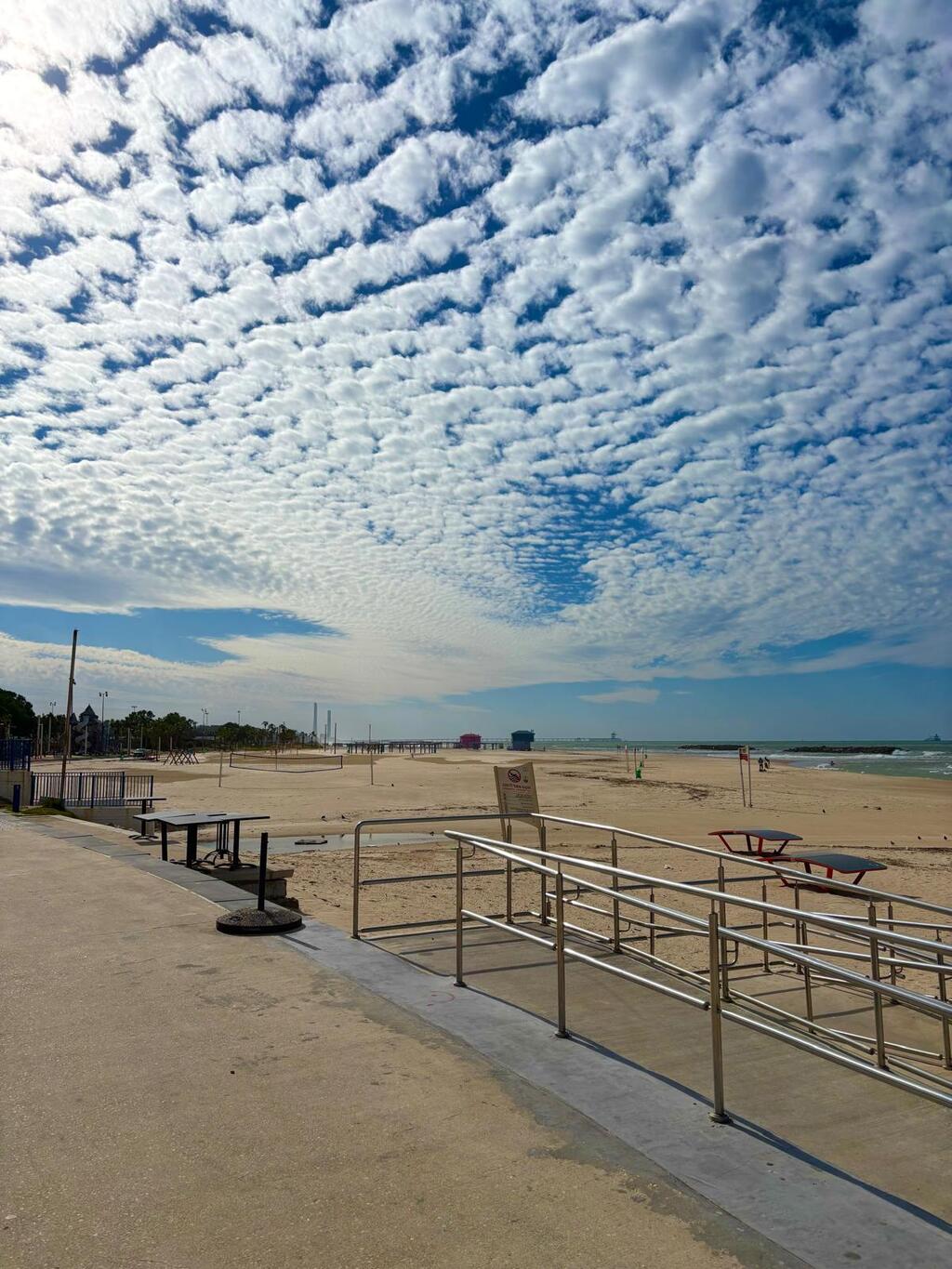
(Photo: Noah Sander)
And that is why people continue to buy here - not because war exists, but because despite conflict, life here is vibrant, determined and forward-moving.
Israel is not frozen by war. It adapts to it. It absorbs it. And then it continues building. Urban renewal continues. Infrastructure projects advance. Transportation networks expand. The housing pipeline remains active. Long-term planning does not disappear. Put simply, life does not pause here.
Leaning in
Even in this moment, I continue speaking with clients from abroad who are not retreating, they are leaning in. And they are doing this despite the headlines and uncertainty. They are asking how to move forward. They understand that planting roots here is not a reaction to war - it is a declaration of permanence.
There are others, understandably, who feel hesitation. Moments like this can shake confidence. That is human. But perspective matters.
Israel is not a temporary project. It is not an experiment. It is not a place that disappears when challenged. It has endured complex threats throughout its history and emerged stronger and resilient each time.
Planting roots in Israel, especially in times like these, is an expression of continuity. A statement that conviction outweighs fear. An affirmation of Am Yisrael Chai, not as a slogan, but as lived reality.
Netzach Yisrael is not poetic language. It is what allows a society to enter shelters and emerge minutes later back into normal life, determined to continue building.
Looking forward
No one wants war, and no one wants sirens. Sometimes there is no choice. But moments like this remind us of something fundamental. It is about choosing where your story will unfold. It is about believing that tomorrow will be built.
Those who look only at headlines may see instability, but those who live here see something else: a society that continues functioning, building, and planning even in its most difficult moments. And that is something, whether you live in Israel or abroad, that should instill a deep sense of pride. From this shelter, what stands out most is not fear. It is resolve. It’s resilience. And eventually, the sirens will stop. The cranes, however, will remain. And Israel will thrive.
Am Yisrael Chai.
- Noah Sander is a Canadian-born real estate professional based in Tel Aviv and founder of ZionistInvestor.com, an AI-powered platform helping international buyers and new olim navigate the Israeli property market. For inquiries: [email protected]
First published: 08:23, 03.01.26