


For the first time, a roof agreement is being advanced that combines state land and private land on a scale of more than 10,000 housing units: The housing and finance ministers signed an agreement Monday with the Kfar Yona Municipality worth about NIS 2 billion, intended to subsidize infrastructure development, the construction of public institutions and commercial, industrial and employment space totaling about 1.46 million square meters, alongside 10,386 new apartments in the city.
Some 6,131 housing units will be built on state land managed by the Israel Land Authority, while another 4,255 units will be built on private land. As a result, Kfar Yona, which currently has about 30,000 residents, is expected to double its population.
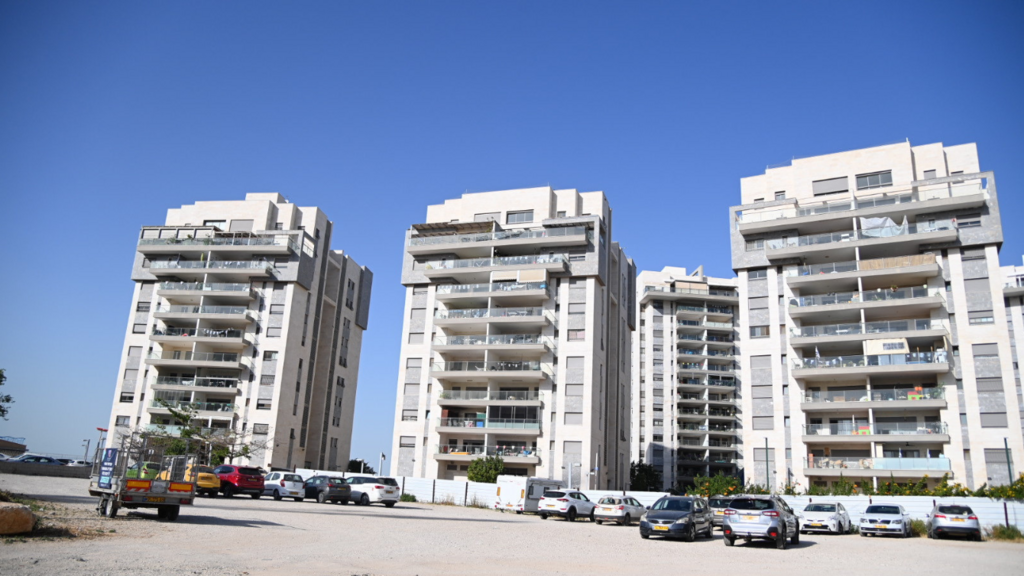
Under the agreement, about NIS 463 million will be invested in major infrastructure, including transportation, drainage, water, sewage, electricity and more; about NIS 180 million will go toward building new public institutions and upgrading infrastructure in older neighborhoods; and the rest of the budget will be used to develop the new neighborhoods and expand employment, commercial and industrial zones. The agreement includes a commitment to advance the construction of a bypass road for the city.
A roof agreement was also signed Monday for 8,580 new apartments in the city of Holon. The agreement, advanced by the Housing Ministry, the Israel Land Authority, the government rental housing company Dira Lehaskir and the Holon Municipality, is estimated at more than NIS 3 billion and also includes about 950,000 square meters of commercial and employment space.
The plans included in the agreement cover the areas of Kiryat Micha, Kiryat Hayovel, the logistics hinterland, the agricultural farm, the Ben Zvi central business district and the Jesse Cohen neighborhood. About NIS 1.1 billion will be invested in major infrastructure, in addition to about NIS 2 billion for the development of new neighborhoods, older neighborhoods, public institutions and “old versus new” projects aimed at rehabilitating the veteran urban fabric.
The agreement also includes the construction of major roads, the upgrading of existing streets, the building of pedestrian bridges, improvements to drainage systems, the development of parks and public open spaces, the construction of dozens of new educational institutions and public buildings, the sports complex and the new municipal stadium, as well as the development of new employment and commercial zones that will serve as a major growth engine for the city’s economy.
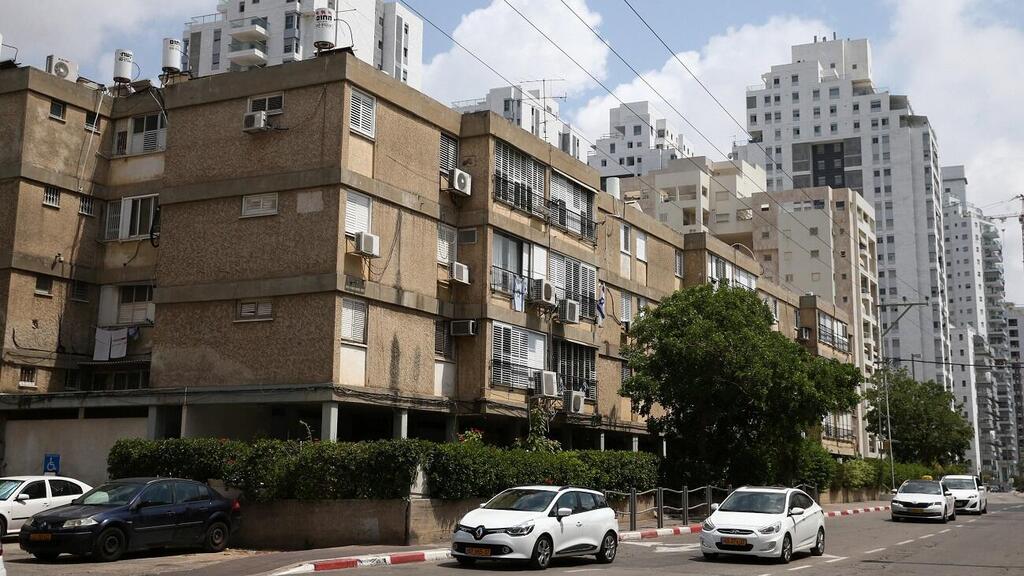
A growth engine for the city; Holon
(Photo: Orel Cohen)
22,000 apartments in urban renewal
Meanwhile, a joint initiative by the housing minister, the Planning Administration and the Government Authority for Urban Renewal will allow for the rapid planning of about 22,000 housing units in 18 evacuation-construction complexes, along with about 25,000 housing units in new construction. The complexes stretch from Kiryat Shmona, Shlomi, Nahariya, Karmiel, Tiberias and Rekhasim in the north, through Rehovot, Gedera and Beit Shemesh, to Beersheba and Ashkelon in the south.
Among the main plans is one in the town of Shlomi, where the Dado complex in the Rishonim neighborhood in the town’s old center will be renewed. The complex currently includes 189 apartments that will be demolished to make way for 689 new apartments. The plan in Nahariya applies to the central bus station complex and covers an area of 191 dunams. It includes evacuating the old station in favor of 1,500 new apartments and public spaces.
In Karmiel, the “Moradot Harakevet” plan is being advanced near the train station and in the old Megadim neighborhood. The plan spans 555 dunams and will include about 4,000 new apartments. In Rekhasim, a complex in the Giva B neighborhood will be declared for renewal, with 496 apartments to be evacuated in favor of 1,236 new housing units. In Ashkelon, four complexes with 3,000 apartments will be advanced.
In Kiryat Shmona, two complexes will be advanced: the Henrietta Szold complex, south of Shikun Bet, which currently includes 269 apartments. Under the new plan, 1,200 new apartments are expected to be built there. The second is the Raziel complex, which will include 1,045 new housing units. The Meginim complex in the Kiryat Shmuel neighborhood of Tiberias will also begin urban renewal processes, with 101 public housing apartments to be evacuated in favor of 1,064 new apartments.
In addition, the government approved the declaration of four rehabilitation and renewal zones in Rehovot, Arad, Dimona and Tel Aviv under the War Damage Rehabilitation Through Urban Renewal Law, enacted following damage caused by the war. The declaration is intended to enable the rapid advancement of planning, licensing and urban renewal procedures in damaged complexes, while providing a quick and effective response for residents and local authorities.
Among the approved complexes are the Teller-Bilu complex in Rehovot, the Tlalim complex in Arad, the Yoseftal neighborhood in Dimona and the Yehuda Halevi complex in Tel Aviv. Under the decision, accelerated planning procedures will be advanced in these complexes alongside dedicated tools for rehabilitation and renewed urban development.