

For many buyers, purchasing property in another country can feel daunting, both emotionally and logistically. I have seen countless clients delay decisions because they were waiting for flights or trying to align schedules. While the instinct to be physically present is understandable, I have also watched buyers miss strong opportunities because they were waiting for the “right moment” to travel.
Over the years, I have worked with many international clients who successfully purchased property in Israel without ever being physically present. This was not about cutting corners. Israel’s legal and real estate systems are designed to support this type of transaction when handled correctly.

Buying from abroad is more common than people think
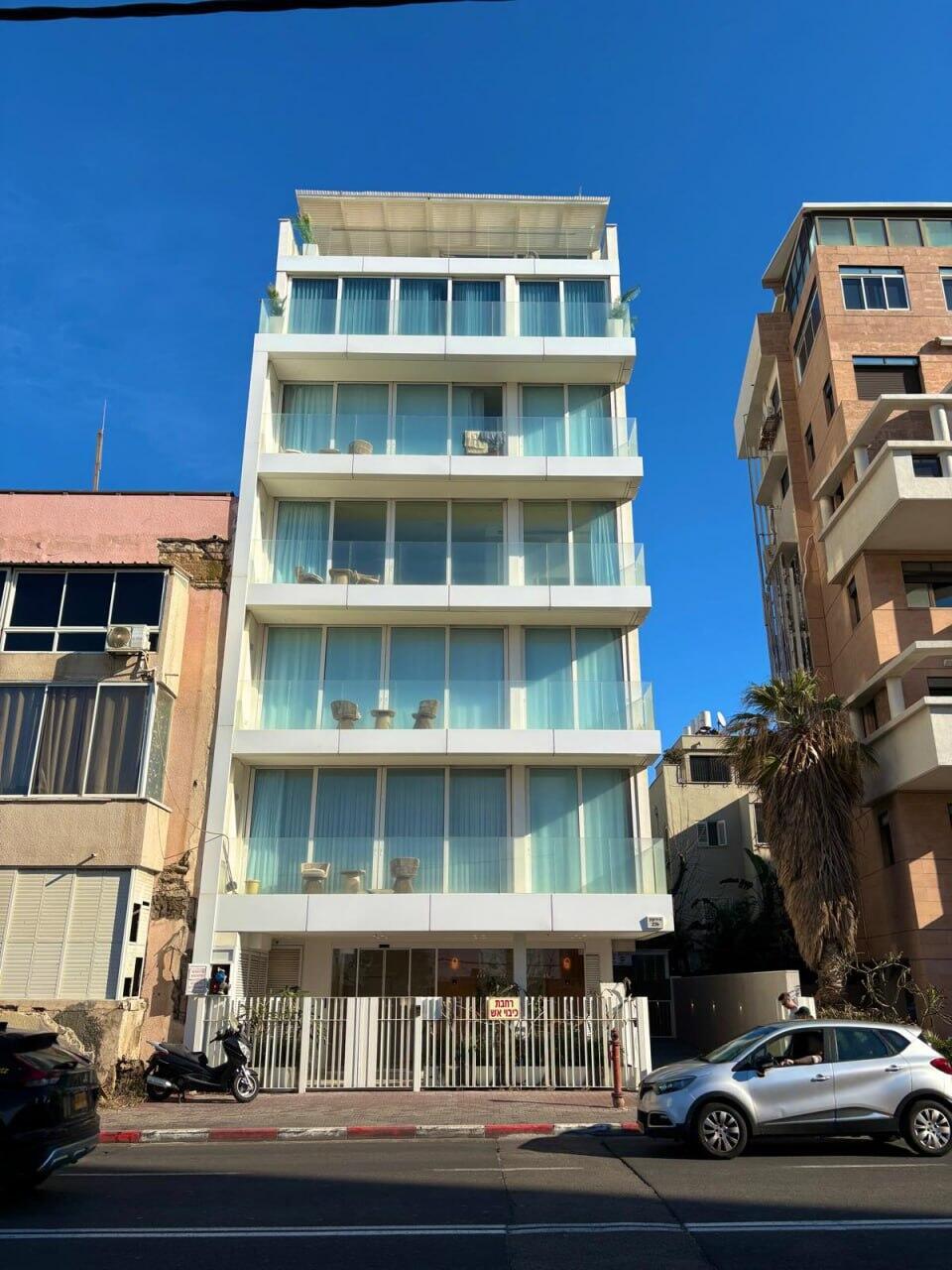
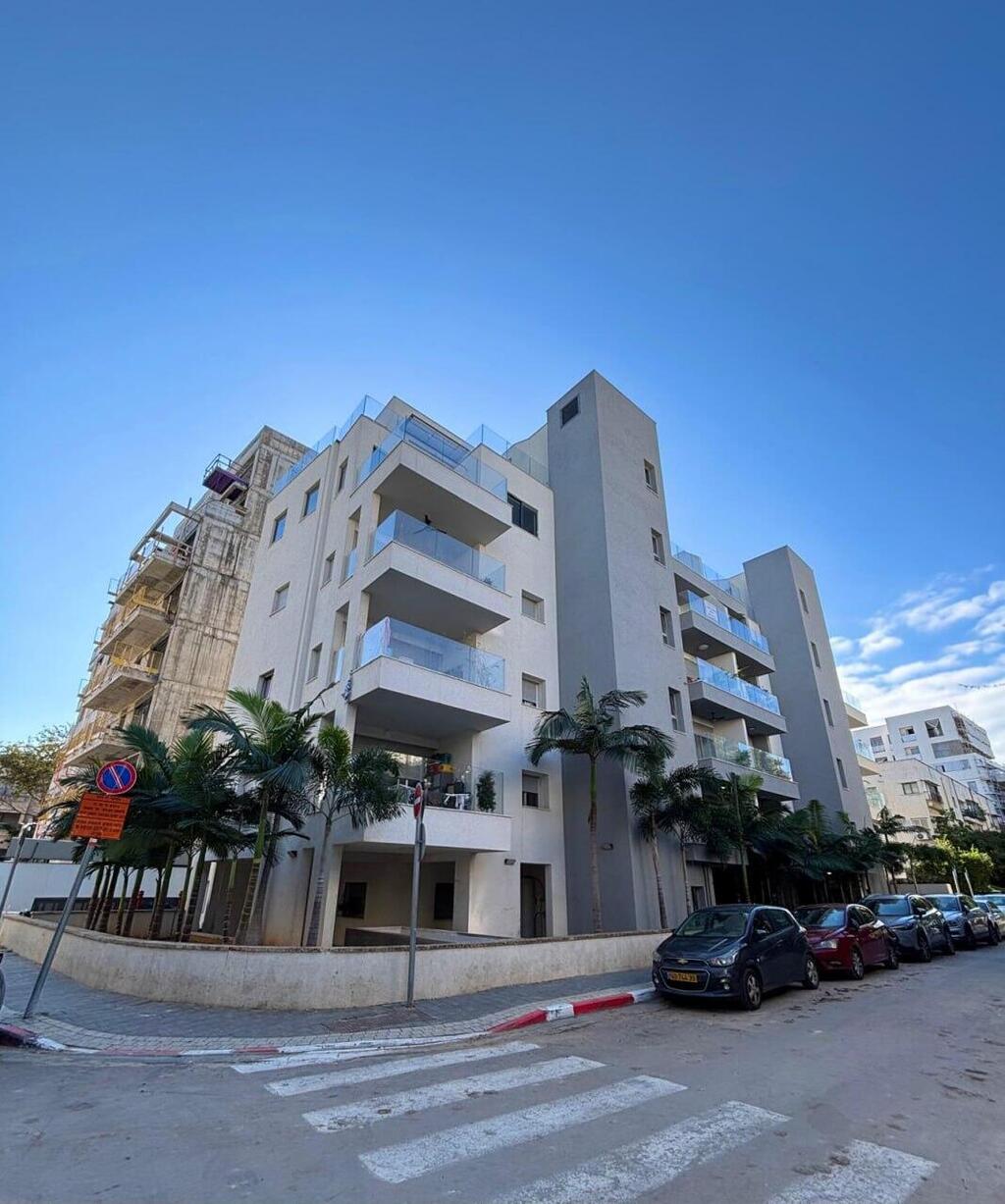
Remote purchasing has become increasingly common, especially with new construction. Many buyers commit to apartments that will not be completed for two, three or even four years. In those cases, beyond seeing the street and surrounding neighborhood, there is often little to view on site. Flying to Israel solely to visit a project that has not yet been built is often unnecessary.
Technology allows buyers to gain a full understanding of a property from abroad, whether through detailed plans, video walkthroughs, live calls or comprehensive documentation. Over the past two years in particular, travel has not always been simple. Rather than delaying decisions because of flights, work commitments or family logistics, buyers can move forward remotely. This is where granting power of attorney to a lawyer becomes central.
(Photo: Noah Sander)
What power of attorney really means
One of the biggest misconceptions among foreign buyers is what a power of attorney entails. The term can sound intimidating, as if unlimited authority is being handed over. That is not how it works in Israel.
A power of attorney for a real estate transaction is property-specific and transaction-specific. It applies to one defined apartment, at an agreed price and under predetermined conditions. The lawyer’s authority is limited strictly to those terms.
In practice, this means the lawyer cannot change conditions, purchase another property or act beyond the scope approved. The document allows the lawyer to sign the purchase agreement, pay purchase tax if the buyer is abroad, handle registration, pay required fees and manage the technical and bureaucratic aspects of the transaction. Everything is predefined, documented and legally controlled.
Trust remains essential, and buyers should work with a lawyer they are comfortable with. Structurally, however, the document is designed to protect the buyer.
How the process works in practice
Once the right property is identified and commercial terms are agreed upon, coordination with the lawyer becomes critical. Preparing a power of attorney can take several days or several weeks, depending on logistics.
The lawyer prepares the document and sends it in the required format. Buyers typically sign it at an Israeli consulate or embassy, or before a local notary who can properly authenticate it. The original document must then be physically sent to Israel, usually by courier. Only once it arrives does the power of attorney become valid.
(Photo: Noah Sander)
From that point, the lawyer can act on the buyer’s behalf as if the buyer were present. This includes signing the contract, paying taxes and commissions, opening bank accounts when needed and handling registration.
I have completed many transactions this way, including for clients who had not yet set foot in Israel after signing. Some visited years later, closer to construction milestones or delivery. Others joined the signing by video call, watching the process in real time.
Faith in the process
Buying property in Israel from abroad is not a workaround or a shortcut. It is a well-established process used by hundreds of buyers each year. When handled by the right professionals, it is secure, efficient and often simpler than expected.
Some buyers prefer to fly in, and that is completely reasonable. Others are comfortable moving forward remotely. Both approaches are valid. What matters is knowing that geography does not have to dictate when or how long-term decisions are made.
For many buyers, understanding this option is what turns hesitation into clarity. Once that mental barrier is removed, the rest of the process becomes far more manageable.
Being physically present is not the only way to complete a real estate transaction in Israel. Life is busy, Israel is far for many people, and traveling solely to close a deal is not always practical.
In many cases, the ability to move forward remotely with a trusted legal and professional team is what allows buyers to act at the right moment. Often, that flexibility is the difference between securing the right property now or waiting months, or even years, for logistics to align.
Noah Sander is a Canadian-born real estate agent based in Tel Aviv who specializes in assisting international buyers and new olim in the Israeli property market. For inquiries: [email protected] Brokerage: Daon Group Real Estate.