

As Israel heads into 2026, the housing market is at a critical turning point. Interest rates have started to edge down, modestly but meaningfully. Confidence remains fragile, yet the market is showing early signs of recovery after more than two years of war, uncertainty and a sharp slowdown in deals.
Based on daily conversations with buyers, sellers, developers and new immigrants in Tel Aviv and nearby cities, here is what to expect from Israel’s real estate market over the next three years.
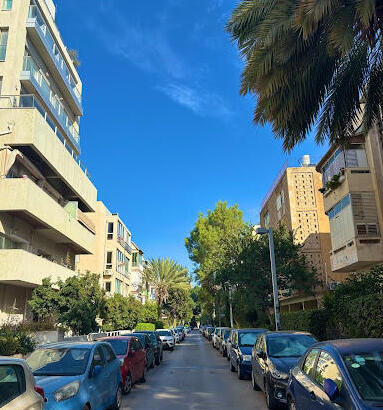
2026: early recovery, led by new construction
I expect 2026 to bring the first phase of a gradual recovery, especially in Tel Aviv. Demand for new apartments should strengthen, particularly for projects nearing completion or finally launching after long delays.
Buyers are increasingly focused on quality of life. They want modern infrastructure, clean and well maintained buildings, safe rooms, organized homeowners’ committees and predictable upkeep. Many are willing to pay more for those advantages. Developers, in turn, are likely to hold firmer on prices, offer fewer incentives and scale back the upgrades that were commonly used to close deals. Modest but clear price growth in new builds looks realistic.
The second-hand market is likely to remain far weaker. Older, unrenovated buildings with poor maintenance, weak ownership structures and no realistic urban renewal prospects are simply not in high demand. Even in strong locations, outdated apartments will need to be priced accordingly. Sellers hoping to “test the market” may be disappointed. Those who must sell will adjust. Those waiting for a dramatic rebound could end up selling for less than they expected.
2027: momentum builds, and the gap widens
If the security situation stabilizes and interest rates continue to fall, 2027 should bring more confident buying. New construction is likely to keep appreciating at a steady, healthy pace. Growth should be measured, not explosive, more like a normalization after the post-COVID surge.
By 2027, the divide between modern or renovated buildings and neglected ones should be wider than at any point in recent years. A second-hand apartment holds value only if the building holds value. Properties in buildings with dirty lobbies, cracked stairwells, aging infrastructure, no shelter and no renewal plans will trade at deeper discounts.
Even in desirable Tel Aviv neighborhoods, it is plausible that apartments requiring full renovation in poorly maintained buildings will sell in the mid to low 40,000 shekels per square meter range. That is not a pessimistic forecast. It reflects the direction the market is already moving.
2028: stability returns, with faster growth outside Tel Aviv
By 2028, assuming the war is clearly behind Israel and Aliyah continues to rise, the market should settle into a more stable, predictable cycle. Tel Aviv will remain the most expensive entry point, especially for new construction, luxury penthouses and properties near the beach.
Still, the biggest upside in percentage terms is likely to shift to peripheral cities tied into mass transit. By that stage, Israel’s three major light rail lines, Red, Green and Purple, are expected to be fully operational. If that timeline holds, it will be a transformative moment, connecting much of central Israel through reliable, efficient, traffic-free public transportation. That shift should accelerate economic and population growth in surrounding cities.
Givatayim, Ramat Gan, Bat Yam, Herzliya, Rishon Lezion and Holon are already emerging as population and investment hotspots. As buyers realize their budgets go further a short train ride from Tel Aviv, demand and annual appreciation should rise. Farther north, places such as Netanya and Caesarea are likely to attract a growing mix of new immigrants, young families and returning Israelis.
A wave of new construction will reach the market over the next several years. Some argue that added supply could soften prices. It might moderate spikes, but a healthier supply is good for market stability. It creates real choice for buyers and keeps pricing grounded.
Developers with serious buyers will still need some flexibility because many people prefer homes they can move into within six months rather than waiting years. Even so, I do not expect new build prices to fall. They should remain stable or rise modestly. Projects that deliver high-quality finished apartments without forcing buyers into costly upgrades will outperform those selling basic finishes at premium prices.
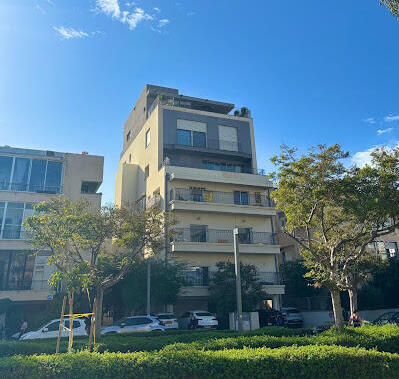
(Photo: Noah Sander)
Aliyah will be a key driver of demand
I also expect Aliyah to be a major force in demand. With global antisemitism rising, instability abroad and a deepening sense among Jews worldwide that Israel is their long-term home, the country may be entering one of the strongest immigration waves in decades.
New immigrants will need housing, often renting first and buying later. Just as Zichron Yaakov became a magnet for Olim families, new immigrant communities are likely to emerge across the country in the coming years.
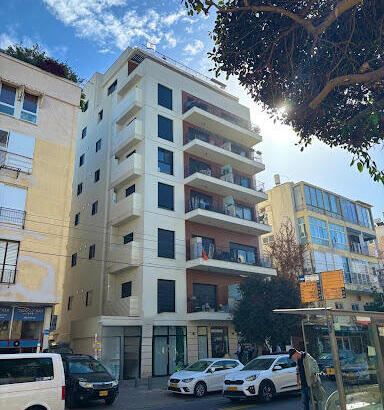
(Photo: Noah Sander)
Israel’s real estate market is moving into a new cycle shaped by selectivity, infrastructure and demographic change. Since Israel’s shift to a freer market economy in the early 2000s, the real estate sector has matured through periods of rapid growth and correction. The next phase is likely to bring steadier expansion, smarter construction policy, potential reforms and significant demographic shifts.
Since October 7, Israel has changed in ways the country is still beginning to understand. Combined with international pressures on Jewish communities, those shifts may push Israel into a fresh period of growth, moving from the Israel that was to the Israel that is now becoming.
Noah Sander is a Canadian-born real estate agent based in Tel Aviv who specializes in helping international buyers and new immigrants navigate Israel’s property market