


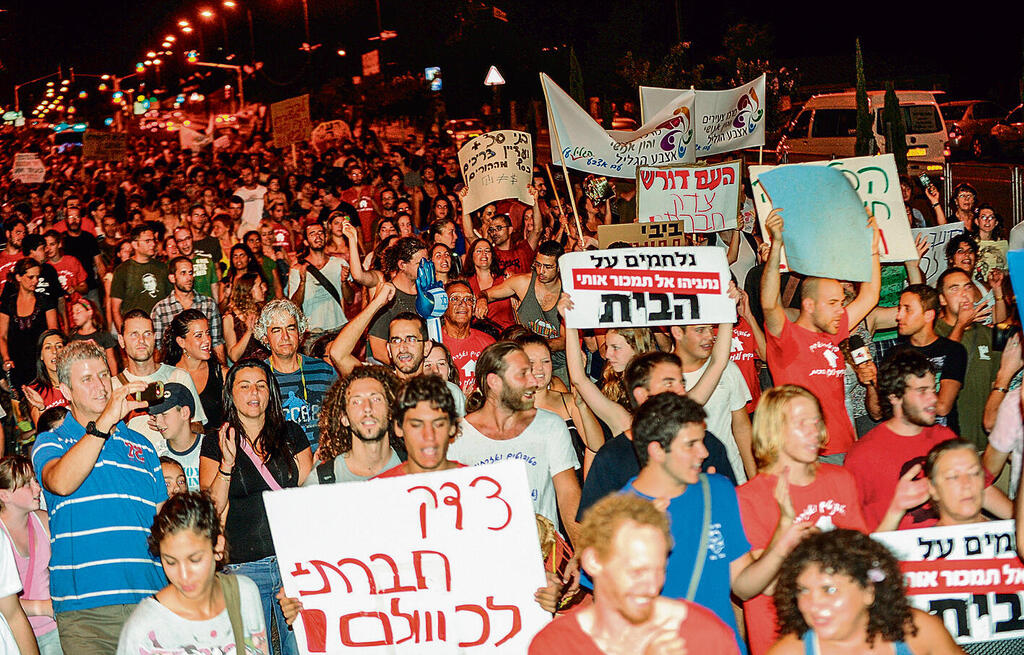
Exactly 15 years after a single tent on Tel Aviv’s Rothschild Boulevard ignited one of Israel’s largest social protest movements, the housing crisis at its center has only deepened. Despite successive government programs, reforms and promises to lower real estate costs, the average price of an Israeli apartment has risen by roughly 84% since the summer of 2011.
An analysis of Israel’s 16 largest cities by real estate appraiser Ohad Danos, a former chairman of the Real Estate Appraisers Association, found that the average apartment price climbed from about 1.315 million shekels ($398,000) in the third quarter of 2011 to approximately 2.414 million shekels ($732,000) in the first quarter of 2026. That represents an increase of nearly 1.1 million shekels ($333,000) for the average home.
Prices have shown signs of stagnating in recent months, offering a rare point of optimism. Israel’s Central Bureau of Statistics is due to publish its latest housing price index on Wednesday, providing a clearer indication of whether the recent slowdown has continued.
Over the full 15-year period, apartment prices rose by an annual average of about 7%. Consumer prices, by comparison, increased by an average of 1.6% a year. After accounting for inflation, real housing prices still gained roughly 5.5% annually, showing that the increase went far beyond the broader rise in the cost of living.
Wages failed to keep pace
Average salaries also increased substantially, but not enough to match the housing market. The average monthly salary for an employee rose from about 8,797 shekels ($2,665) in the third quarter of 2011 to roughly 14,694 shekels ($4,450) in the first quarter of 2026, an increase of about 67%.
Because apartment prices rose by 84% over the same period, the number of monthly salaries needed to purchase the average home increased from about 149.5 to 164.3. In practical terms, salaries rose, but Israelis’ ability to buy a home continued to erode.
The tent protest began in July 2011 when activist Daphni Leef erected a tent on Rothschild Boulevard after struggling to find affordable housing. Within weeks, tent encampments appeared in dozens of locations, and hundreds of thousands of Israelis joined demonstrations demanding social justice, with housing costs at the heart of the movement.
Yet the steep rise in prices spread across nearly every major city. Tel Aviv remained Israel’s most expensive market, with its average apartment price rising from approximately 2.39 million shekels ($724,000) in 2011 to 4.52 million shekels ($1.37 million) in early 2026.
In Herzliya, the average rose from 1.74 million shekels ($527,000) to 3.84 million shekels ($1.16 million), while in Jerusalem it climbed from 1.7 million shekels ($515,000) to 3.22 million shekels ($976,000).
Netanya prices nearly doubled, from 1.24 million shekels ($376,000) to 2.44 million shekels ($739,000). In Petah Tikva, the average increased from 1.34 million shekels ($406,000) to 2.47 million shekels ($748,000), while in Rishon Lezion it rose from 1.39 million shekels ($421,000) to 2.2 million shekels ($667,000).
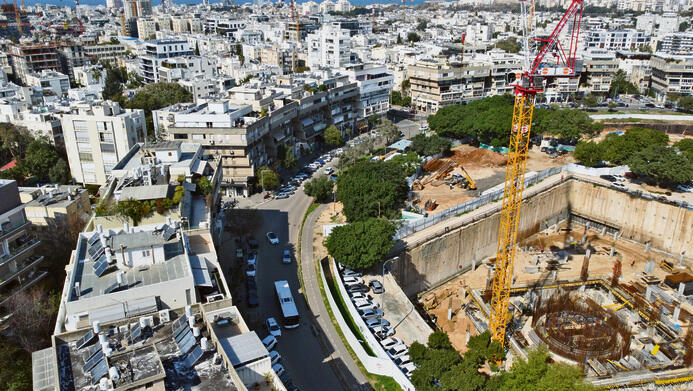
HaMedina Square in Tel Aviv
(Photo: Shaul Golan)
The increases also reached cities once considered more affordable. The average apartment price in Ashkelon rose from 823,000 shekels ($249,000) to 1.6 million shekels ($485,000), while Beersheba saw prices climb from 726,000 shekels ($220,000) to 1.04 million shekels ($315,000).
‘The government built where it was easy’
Danos said the central failure of successive governments was their inability to create an adequate supply of housing in the places where Israelis most wanted and needed to live.
“Instead, the government created supply where it was easy,” he said.
According to Danos, governments tended to release and market land in areas where the state had available reserves and construction could be advanced relatively easily, rather than in the highest-demand areas.
The policy contributed to population dispersion and demographic changes but failed to lower housing prices, he said. The continuing gap between supply and demand in central, sought-after locations instead helped fuel further increases.
Danos also pointed to a significant improvement in Israeli living standards over the past 15 years, which increased both housing demand and buyers’ expectations regarding apartment size and quality. At the same time, construction became substantially more expensive as the cost of raw materials, labor, financing, regulation and development rose.
“The impossible combination of prolonged government inaction and price increases across almost every sector of the economy meant that not only were too few apartments built, but they were not necessarily built where they were genuinely needed,” he said.
The result, he added, was restricted supply in high-demand areas, rising construction costs and apartment prices that increased far more rapidly than the general consumer price index.
Buyers compromise or remain renters
Ron Novotny, owner and CEO of the Anglo-Saxon real estate network and founder of the Propally platform, said the 84% national figure concealed significant differences among regions, property types and population groups, but the overall trend was unmistakable.
The increase has changed who can enter the market and what buyers can afford, he said. More purchasers are being forced to compromise on location, apartment size, timing or financing, while others postpone buying altogether.
Young couples, for example, may need approximately 500,000 shekels ($152,000) in initial equity to purchase an average four-room apartment, with far larger sums required in high-demand areas in central Israel.
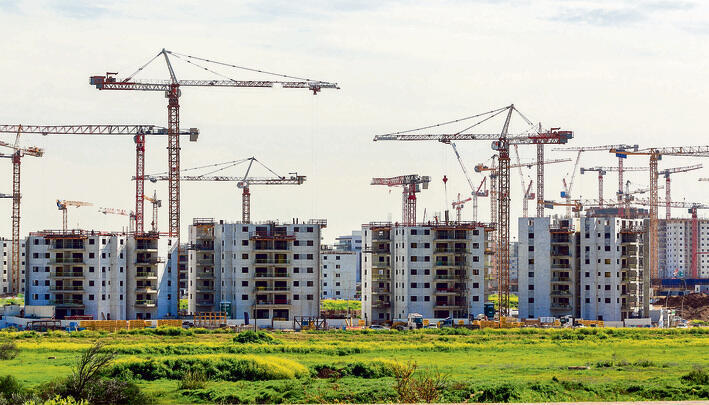
Construction in Ashkelon
(Photo: Tomer Shonam HaLevi)
Novotny noted that the picture has become more complicated in recent years. High interest rates, war, inflation and economic uncertainty have produced periods of moderation and localized price declines. But the volatility itself has made it harder for households to plan a long-term purchase.
Even as the home sales market slowed, the rental market heated up, with both the number of rental agreements and rents increasing as families sought alternatives to buying.
Novotny said Israel needs a consistent policy that increases supply in high-demand areas, strengthens the rental market and gives the public better information. Without long-term planning and sustained implementation, he warned, structural change would remain difficult.
Long-term renting as an alternative
Uri Schuster, CEO of residential real estate investment fund Magorit, argued that home ownership cannot remain the only acceptable housing model.
Across much of the Western world, particularly among younger people, professionally managed long-term rental housing is viewed as a legitimate and stable alternative to buying, he said.
Israel could develop a similar large-scale market if the government created greater certainty and sufficient financial incentives for developers and investors.
A dependable long-term rental sector could allow tenants to remain in a new apartment indefinitely under stable, predetermined conditions and receive professional maintenance and management services. That, Schuster said, could reduce the pressure to purchase a home and take on a large mortgage.
Fifteen years after hundreds of thousands of Israelis took to the streets, the housing shortage that fueled the protest has not disappeared. Apartment prices have far outpaced inflation and wages, pushing ownership further from reach and leaving the underlying question of affordable housing unresolved.