


Cameras are rolling and stars are returning to the set of the fourth season of HBO's hit series "The White Lotus." After previous seasons took viewers around the world — to Hawaii, Sicily and Thailand — the story is moving to France, against the backdrop of the Cannes Film Festival and the glamorous world surrounding it.
Alongside Cannes, Saint-Tropez and Monaco, Paris is also among the show's filming locations. Some scenes are expected to be shot at one of the French capital's most iconic and intriguing hotels, a property with more than a century of history that has lived through dramatic eras, hosted some of the biggest names in European culture and also has a distinctly Israeli connection.
Gallery
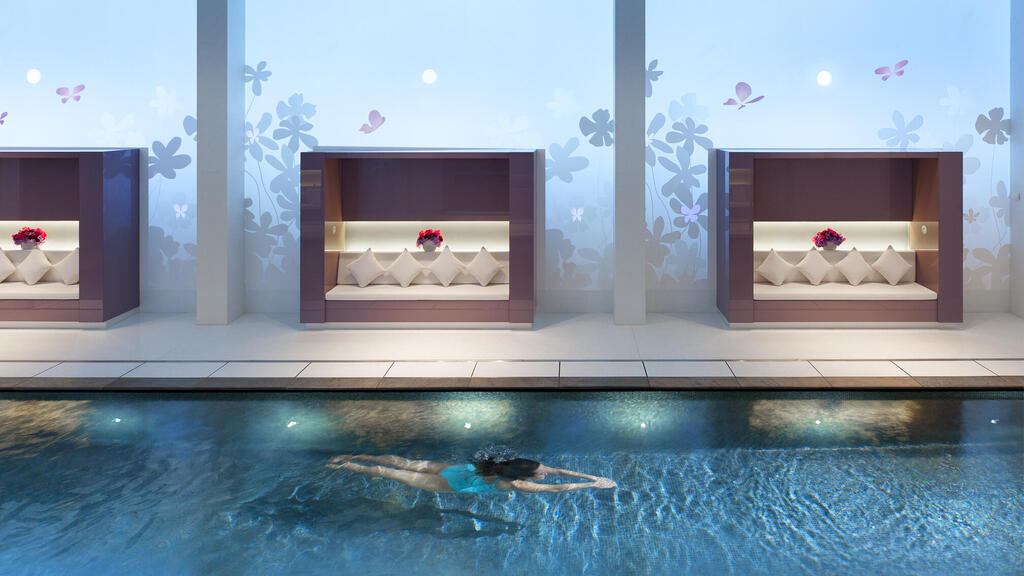
Headquarters of Nazi military intelligence — and later a reception center for Holocaust survivors
(Photo: Courtesy of Mandarin Oriental Lutetia)
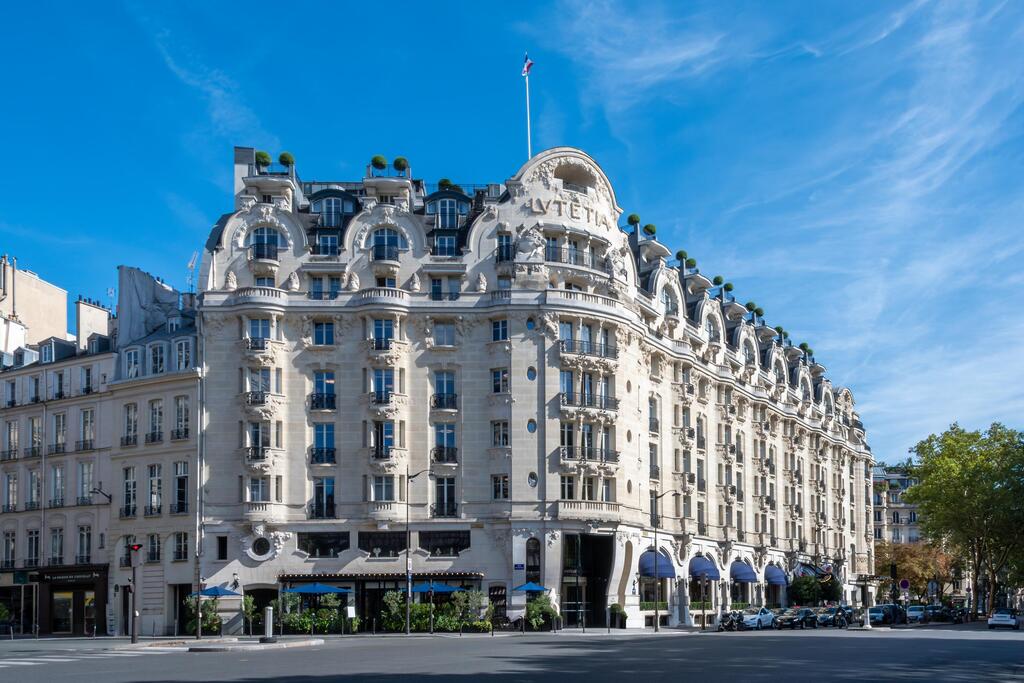
Hotel Lutetia in Paris' 6th arrondissement, directly across from the famous Le Bon Marché department store
(Photo: HJBC, Shutterstock)
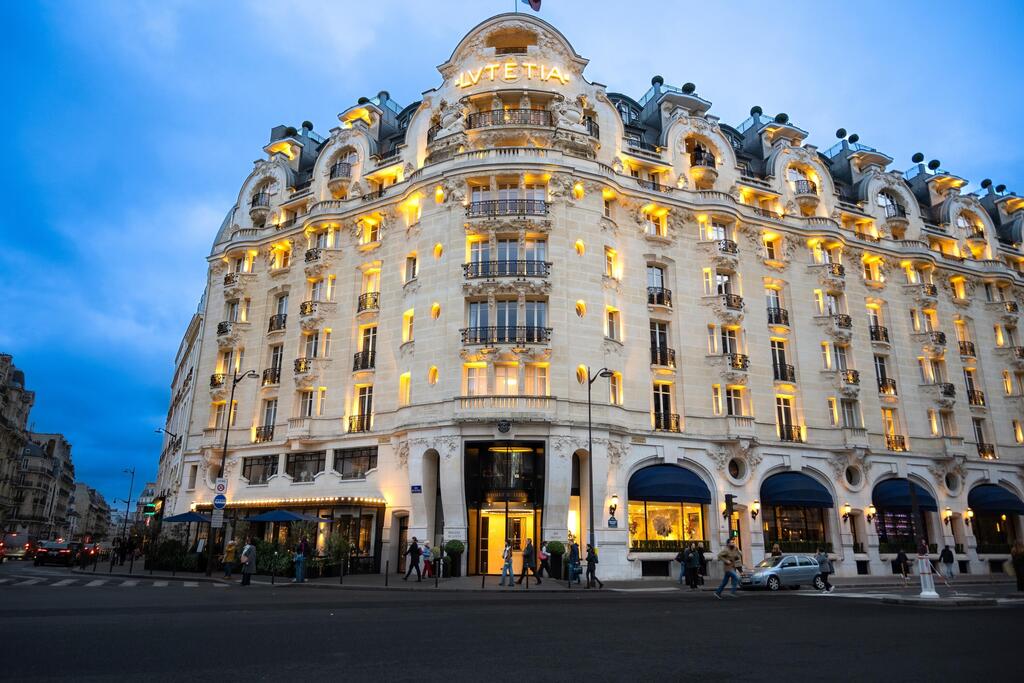
Lit up at night, with Art Nouveau and Art Deco features
(Photo: NEKOMURA, Shutterstock)
Meet Hotel Lutetia, the next star of "The White Lotus," alongside actors including Laura Dern, Ben Kingsley, Vincent Cassel and Steve Coogan.
From Picasso to Gigi Hadid
According to the official synopsis, season four will follow a new group of guests and employees at the fictional White Lotus hotel, with the story unfolding over the course of a week during the Cannes Film Festival, one of the most glamorous and closely watched events in the film world.
Several scenes are currently being filmed in Paris, including at Hotel Lutetia, located in the 6th arrondissement in the heart of Saint-Germain-des-Prés, directly across from the famous Le Bon Marché department store.
The hotel, which opened in 1910, was named after Lutetia, the ancient Roman name for Paris, and was commissioned by the Boucicaut family, founders and owners of Le Bon Marché. It was originally intended to accommodate the department store's important customers and suppliers arriving in Paris from across France and abroad.
The imposing building was designed by architects Louis-Hippolyte Boileau and Henri Tauzin. Its cut-stone facade, decorated with vine and plant motifs, reflects the architectural transition from Art Nouveau to Art Deco. Over more than a century, the Lutetia became one of the hotels most closely identified with Paris and its vibrant cultural life. The building's two wings were originally designed by Parisian architect Charles Letrosne.
Over the years, some of the biggest names in art, literature and culture stayed at the hotel, including artist and sculptor Pablo Picasso, writer Antoine de Saint-Exupéry, philosopher and author Jean-Paul Sartre and singer, dancer and actress Josephine Baker.
More recently, celebrities including Bradley Cooper and Gigi Hadid have stayed there. Writer James Joyce even wrote parts of "Ulysses," considered one of the masterpieces of modern literature, at the hotel.
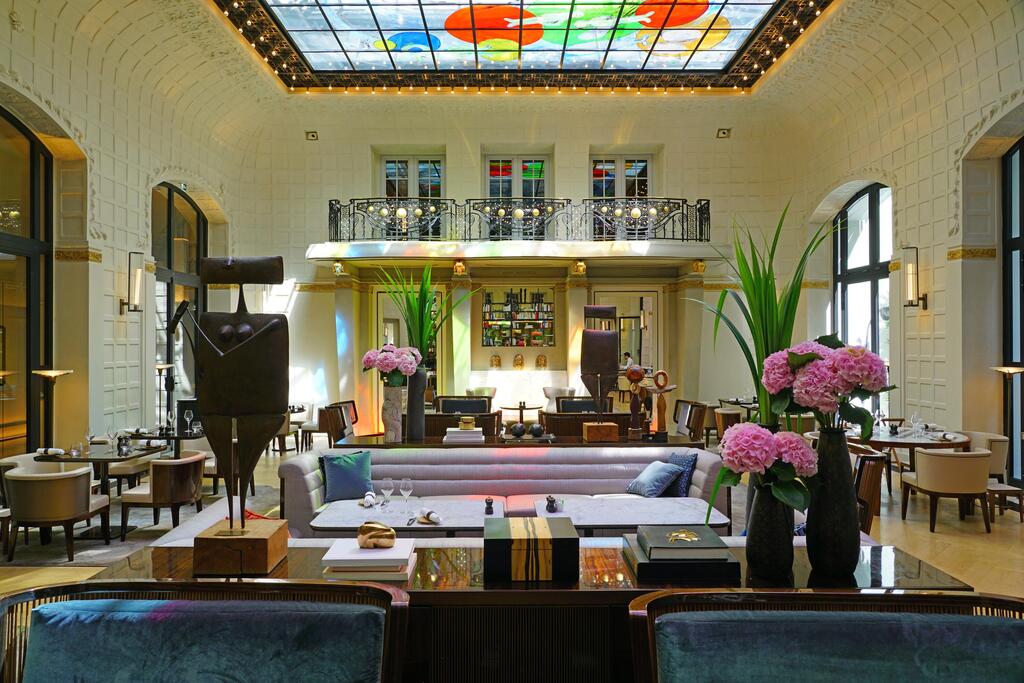
The lobby; the redesign makes extensive use of color
(Photo: EQRoy, Shutterstock)
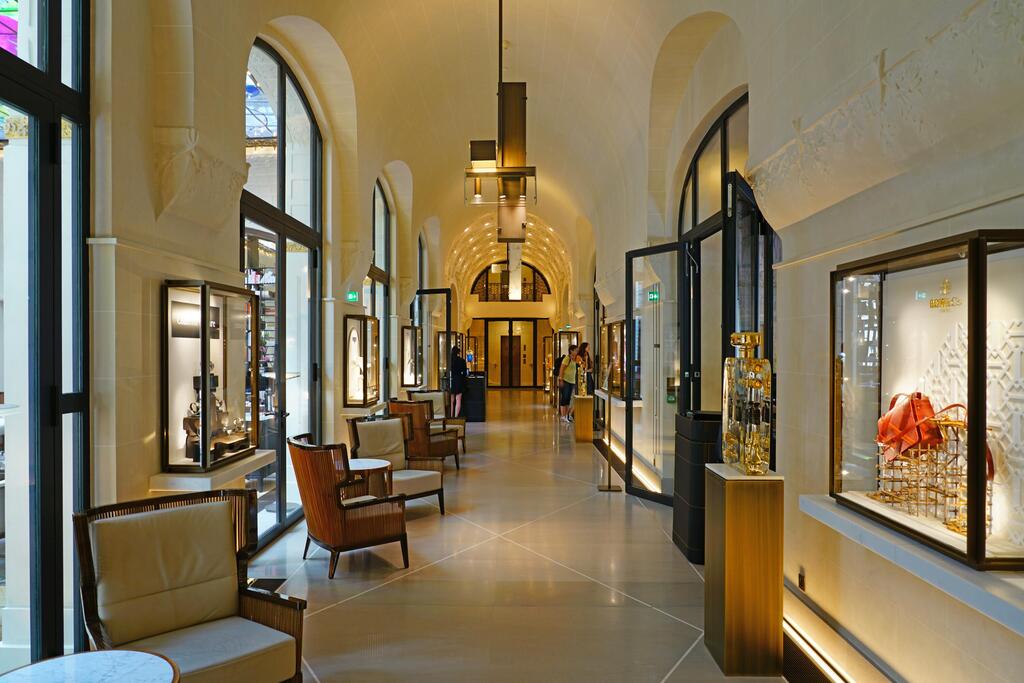
A place to see and be seen is about to get even more exposure
(Photo: EQRoy, Shutterstock)
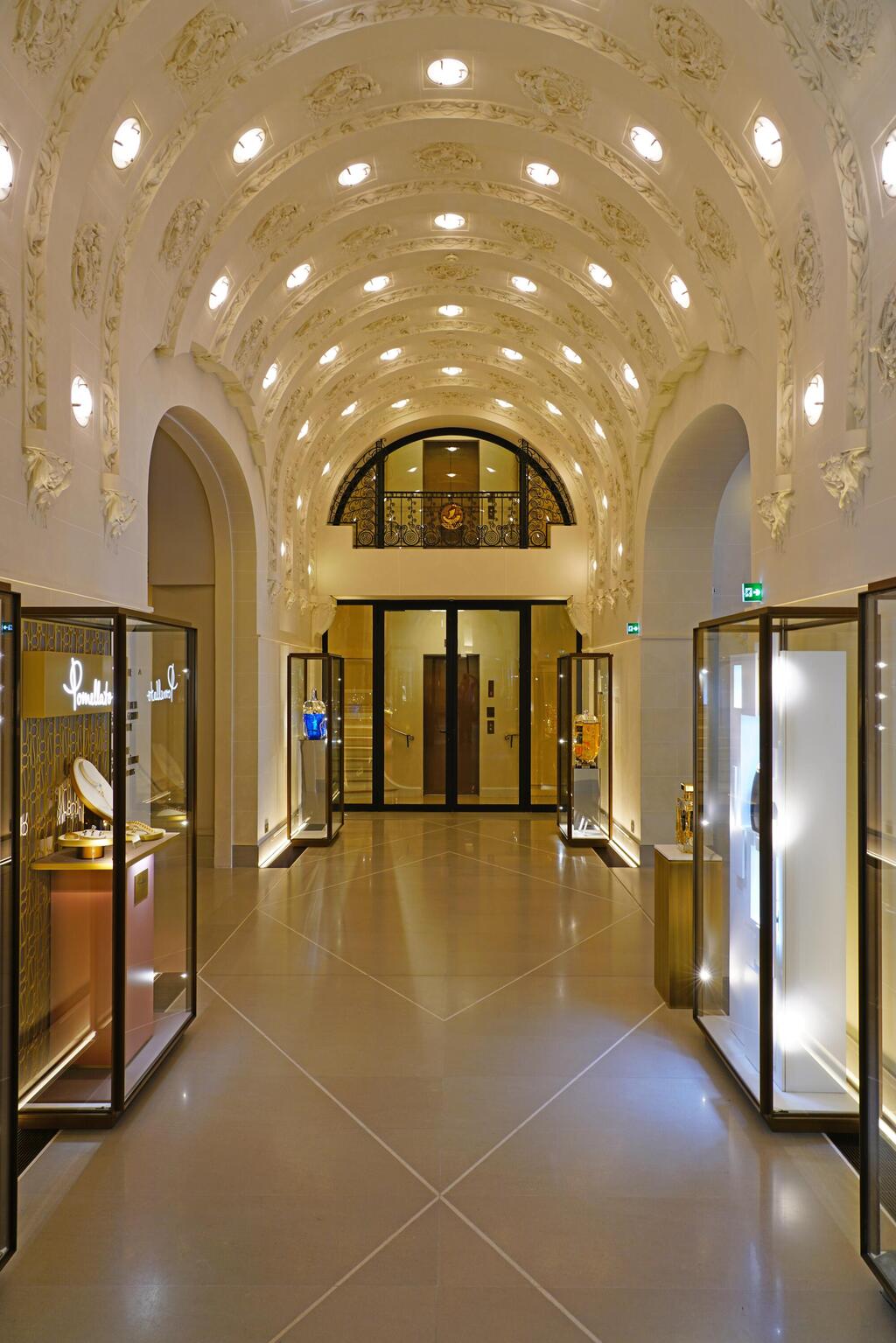
A tangible expression of Paris' golden age
(Photo: EQRoy, Shutterstock)
But the Lutetia was far more than a hotel where celebrities spent the night. It was part of the Parisian scene itself — a meeting place for artists, writers, intellectuals and members of high society who came not only to stay but also to see and be seen.
Its location in the heart of Saint-Germain-des-Prés, one of the historic centers of Parisian cultural and intellectual life, connected it to the city's longstanding tradition of cafes, literary salons and social gatherings where the worlds of art, literature and the urban bourgeoisie intersected.
In that sense, the Lutetia was not merely a witness to Paris' cultural golden age in the 20th century. It was one of the places where that culture actually unfolded.
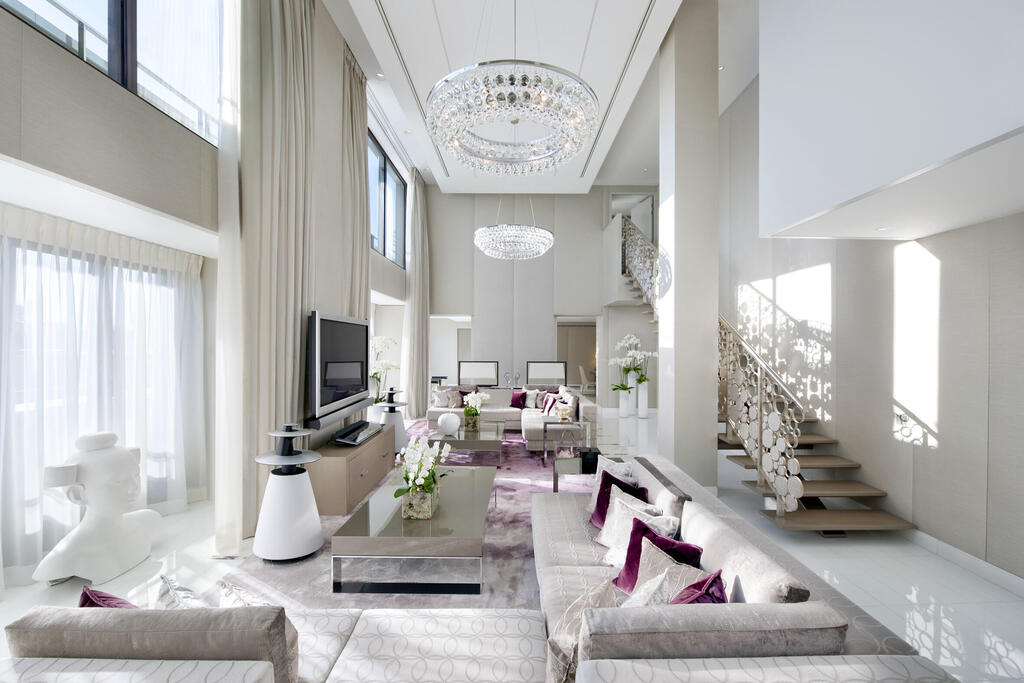
The penthouse, designed in a light classical style
(Photo: Courtesy of Mandarin Oriental Lutetia)
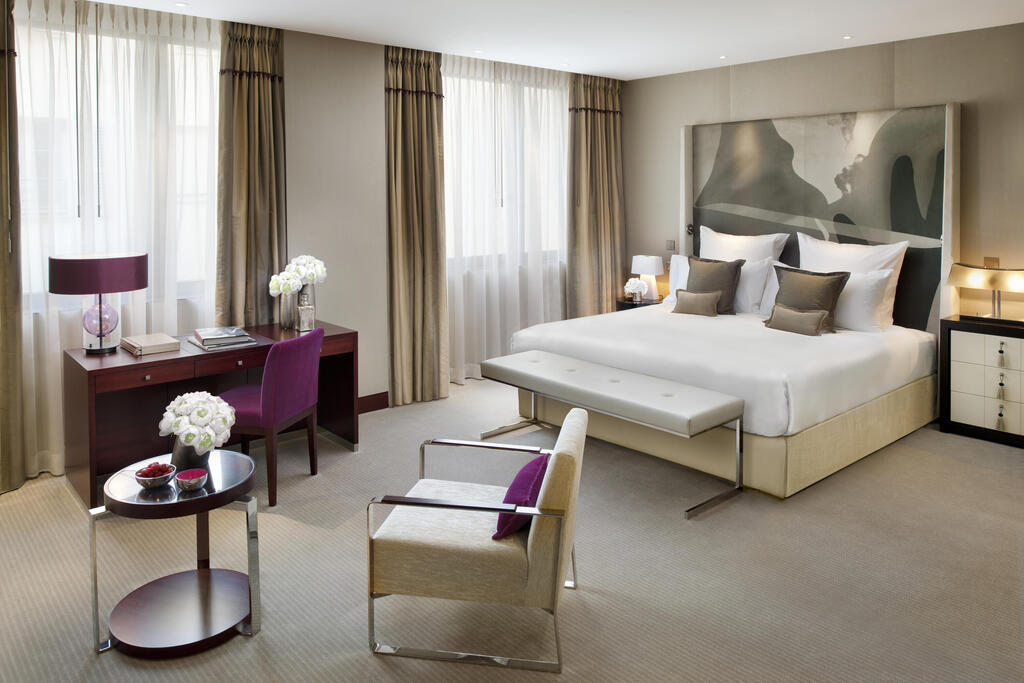
One of the hotel's 184 rooms; it once had 233
(Photo: Courtesy of Mandarin Oriental Lutetia)
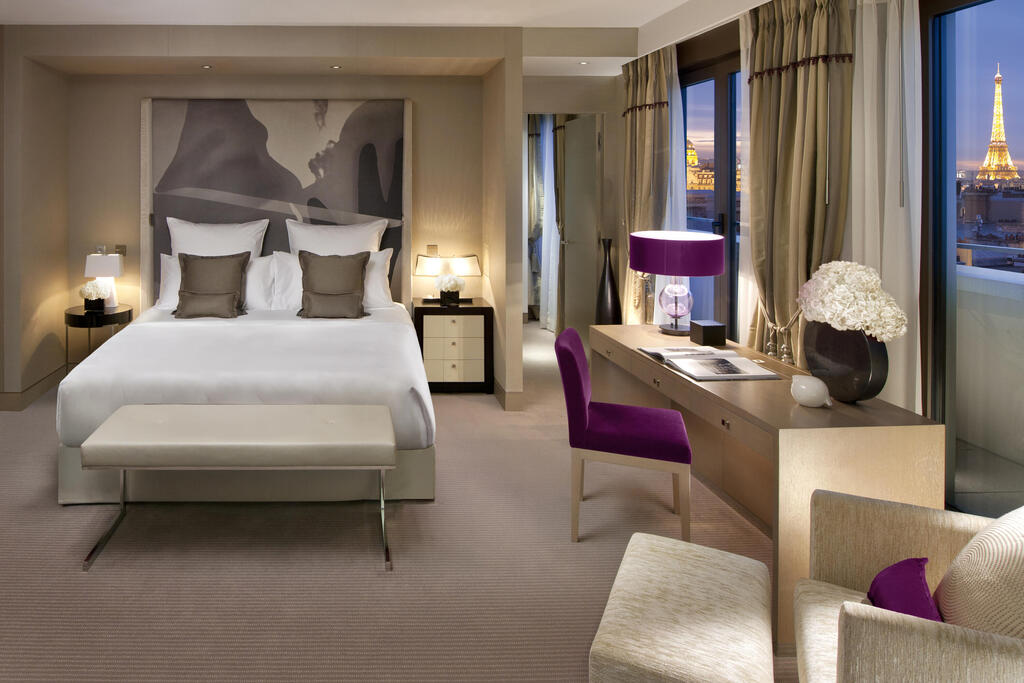
The Eiffel Tower can be seen from some of the windows
(Photo: Courtesy of Mandarin Oriental Lutetia)
A dark past and a dramatic change of purpose
The hotel's history, however, is not only one of stars and culture. It also includes far darker chapters.
During the Nazi occupation of France from 1940 to 1944, the Lutetia was requisitioned by the Abwehr, Nazi Germany's military intelligence service, and the building was turned into a headquarters serving the regime's machinery.
After the liberation of Paris in August 1944, the elegant building's role changed again, this time in a dramatic reversal. It became a reception center for French Holocaust survivors returning from prisoner-of-war and concentration camps and later a meeting point for families searching for loved ones after years of war.
In halls and rooms that had once hosted artists, writers and socialites, survivors returning from the camps began to arrive, alongside soldiers coming home from captivity and relatives waiting for them. For a brief but deeply charged period, the Lutetia became a place where the history of postwar France unfolded almost daily — from moments of reunion and relief to harrowing testimony about what returning survivors had endured.
Gen. Charles de Gaulle authorized the Lutetia's conversion for this purpose. Between April and September 1945, an estimated 17,000 to 20,000 survivors, Jews and non-Jews alike, passed through the hotel.
The reception center closed on Sept. 1, 1945, and the Lutetia gradually returned to its original role as a luxury hotel and hub of Parisian social life — another dramatic transformation.
In 1955, the hotel was purchased by Pierre Taittinger, of the family behind the famous Taittinger champagne house. Over the following decades, it once again established itself as a gathering place for figures from culture, politics, fashion and high society.
In the 1970s and 1980s, the hotel also reflected a new era in Parisian culture when designer Sonia Rykiel redesigned its brasserie. Within just a few decades, the Lutetia had gone from a place where concentration camp survivors arrived to begin rebuilding their lives to once again standing at the heart of the bohemian and bourgeois scene of Paris' Left Bank.
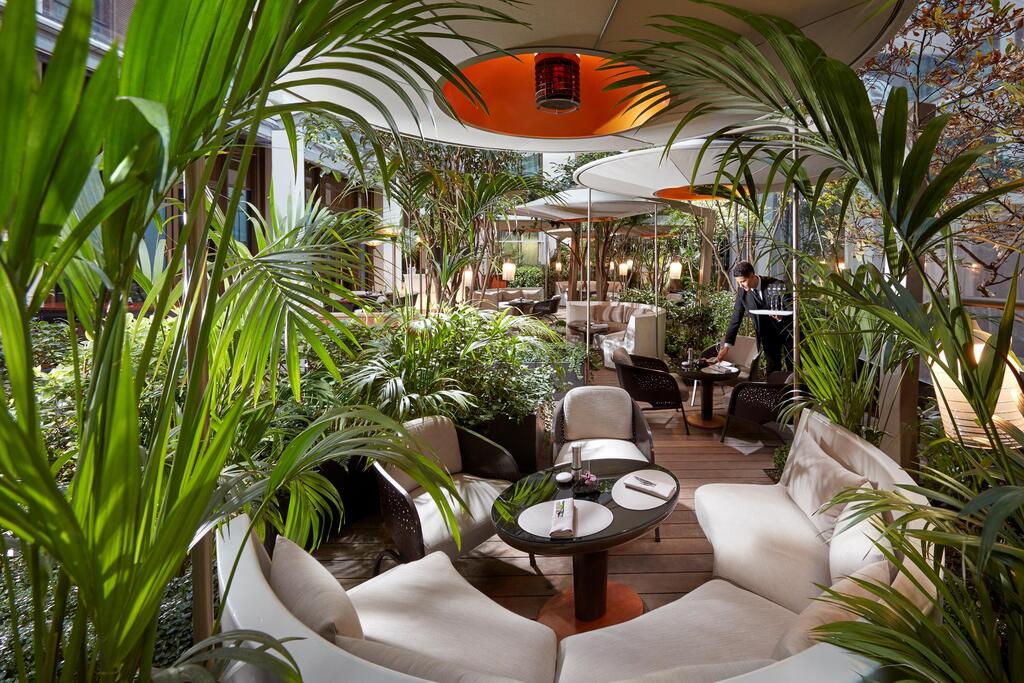
The garden bar
(Photo: Courtesy of Mandarin Oriental Lutetia)
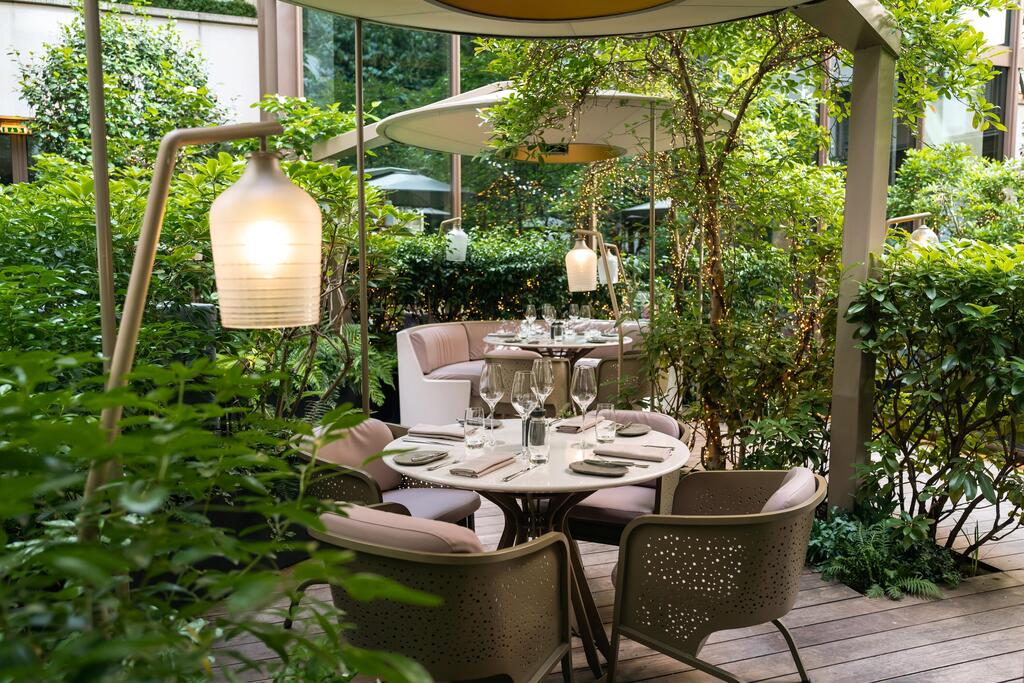
About half a dunam of greenery and privacy
(Photo: Courtesy of Mandarin Oriental Lutetia)
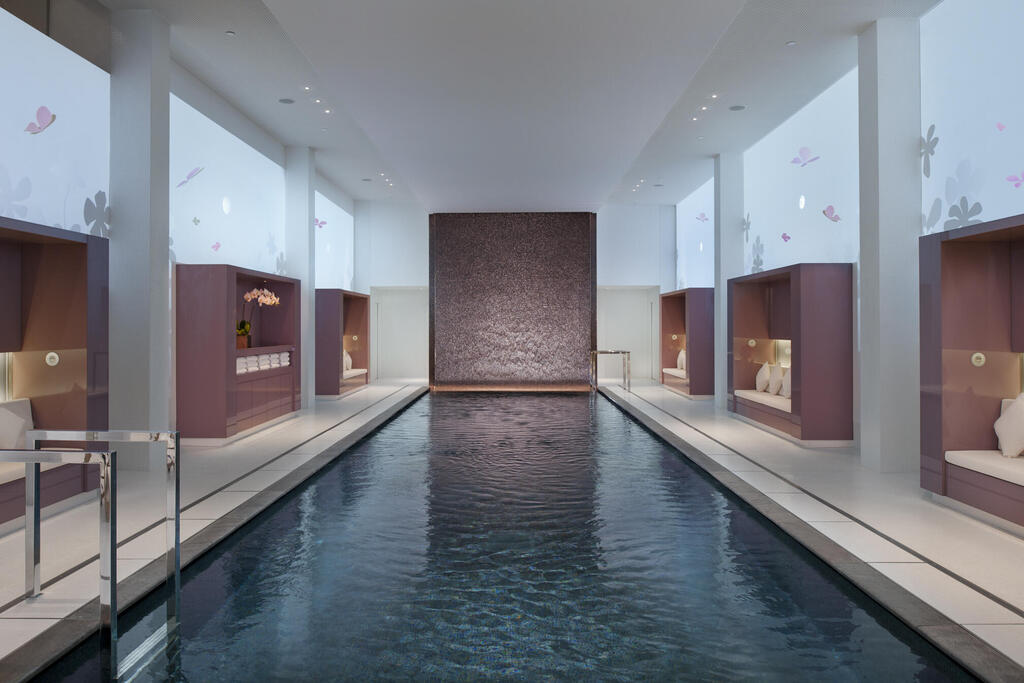
The pool added in the latest renovation, alongside the spa
(Photo: Courtesy of Mandarin Oriental Lutetia)
The hotel passes into Akirov's hands
The hotel's Israeli chapter began in 2010, when Alrov Group, controlled by Israeli businessman Alfred Akirov, bought the Lutetia for about 135 million euros.
The acquisition was part of the group's activity in Europe's luxury hotel sector. Several years later, Alrov decided to undertake a comprehensive renovation of the property.
The hotel closed in 2014, and renovation and preservation work continued for four years. French architect and designer Jean-Michel Wilmotte was tasked with turning the Lutetia into a contemporary luxury hotel while preserving the characteristics that had given it its distinctive status over the decades.
The challenge was twofold: bringing the hotel up to the standards of an international luxury property while maintaining its character and signature architectural elements.
The interiors of the rooms, suites, spa and public spaces were designed by Sybille de Margerie. The design is based on an elegant Parisian aesthetic inspired by haute couture, combining clean, restrained lines with rich materials including marble, wood, glass, leather, velvet and silk.
Soft colors are mixed with bold accents such as bright purple and burgundy. The guest rooms include a tribute to photographer Man Ray, featuring his photograph "The Kiss" printed on velvet and incorporated with a mirror effect into the headboard.
At the entrance to the lobby stands an installation made up of 135 Swarovski crystal butterflies, while numerous other artworks are displayed throughout the hotel. The hotel bar features dark wood walls embedded with Lalique crystals designed to evoke raindrops. Outside is a private garden covering about half a dunam.
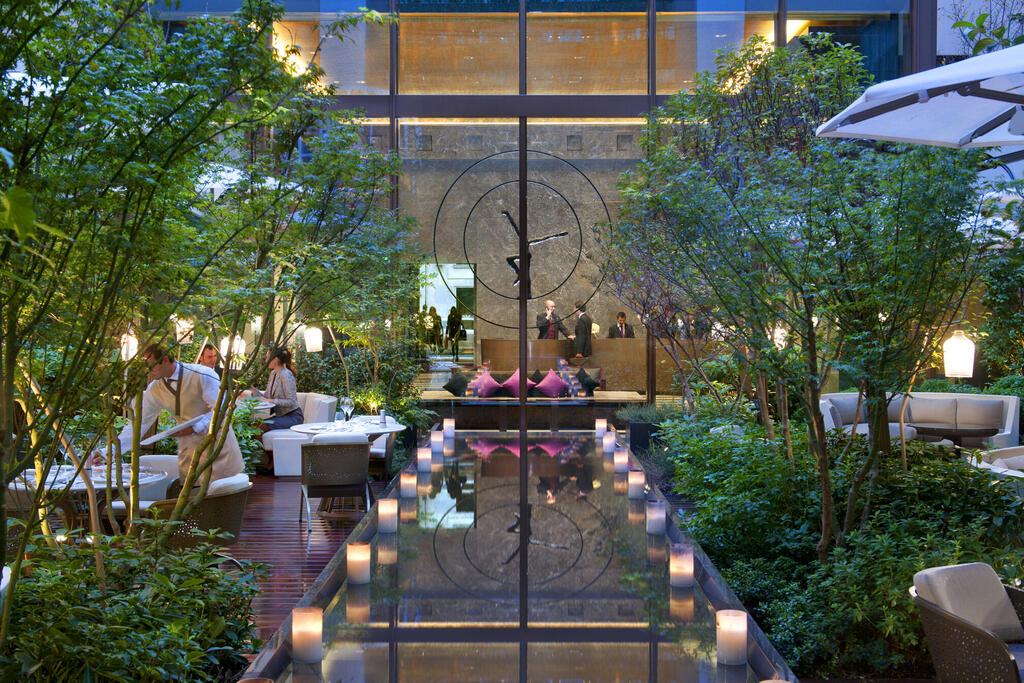
The renovation cost the Akirov family about 235 million euros, in addition to the roughly 135 million euros paid for the property
(Photo: Courtesy of Mandarin Oriental Lutetia)
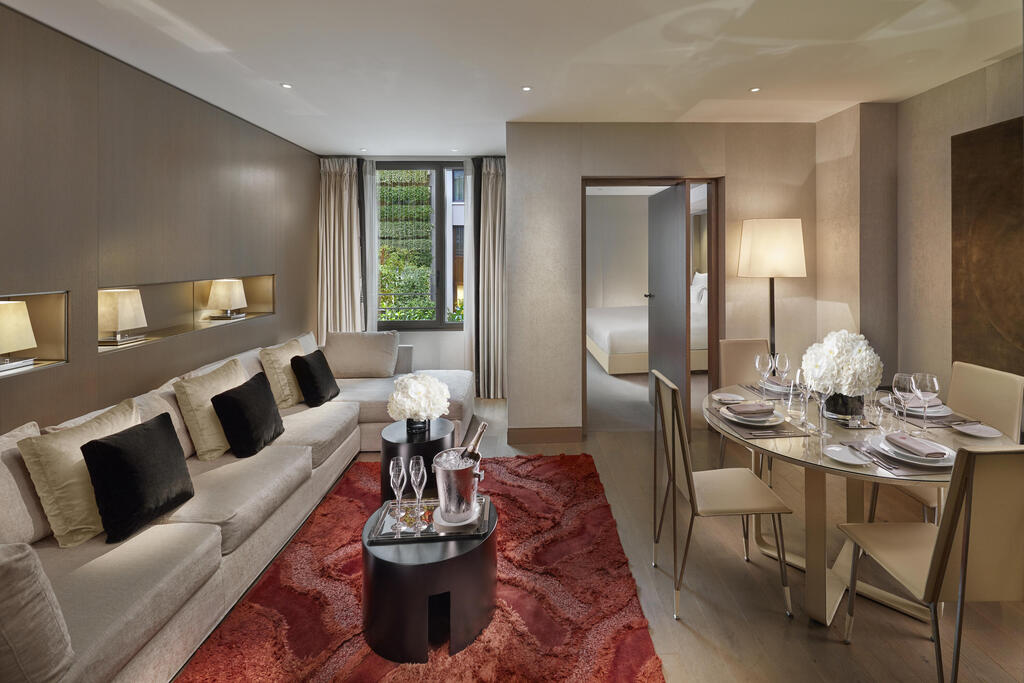
One of the hotel's suites
(Photo: Courtesy of Mandarin Oriental Lutetia)
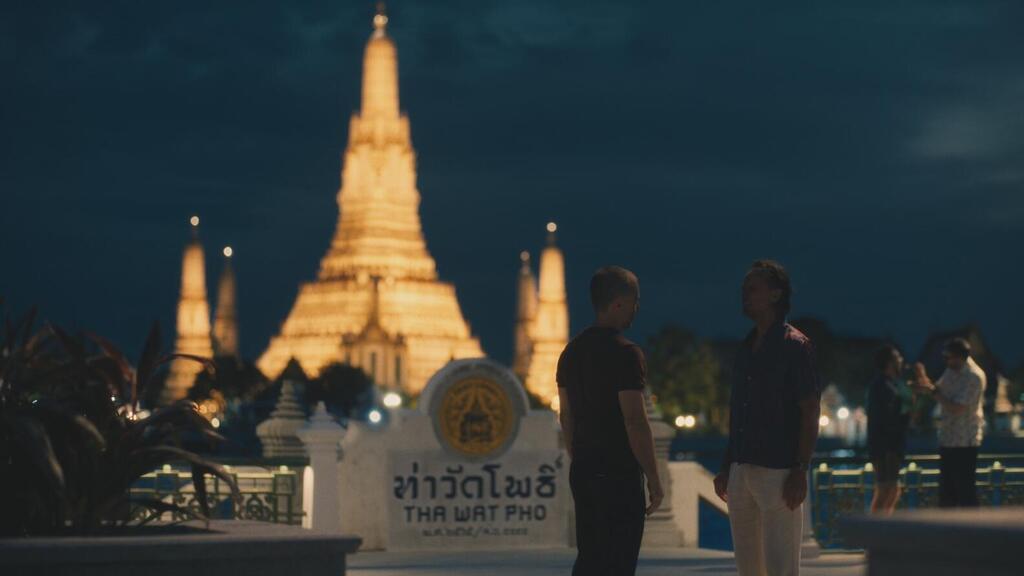
Last time it was Thailand, this time France; from "The White Lotus," season 3, episode 5
(Photo: Courtesy of HBO)
The renovation, estimated to have cost the Akirov family about 235 million euros in addition to the roughly 135 million euros paid for the building, reduced the number of rooms from 233 to 184, including 47 suites, allowing for larger and more luxurious accommodations.
A 700-square-meter spa and a 17-meter swimming pool were also added. At the same time, extensive preservation work was carried out: The facade and original architectural elements were restored, while murals and historical decorations uncovered during construction were restored and reintegrated into the property.
In July 2018, the Lutetia reopened as a five-star hotel, with a design combining historic details with the contemporary language of luxury hospitality.
For Alrov Group, it was an ambitious project in the Paris hotel market. For the Lutetia, it marked the beginning of a new chapter, connecting its historic legacy with its new status as an international luxury hotel.
In 2025, the Lutetia entered yet another phase when luxury hotel group Mandarin Oriental took over its management. Ownership remained with the Akirov family, but management changed hands, and the property is now known as Mandarin Oriental Lutetia.
Coming soon to the screen: Mysterious death and immense wealth
Now the iconic Lutetia is also coming to television, with the potential for even greater international exposure thanks to "The White Lotus," a series that has already demonstrated its ability to turn real hotels into attractions in their own right.
The hotels used in previous seasons, despite the deaths woven into the show's storylines, have drawn renewed interest from fans and, in some cases, become tourist destinations for viewers eager to stay in the same places where the fictional dramas unfolded.
Now, with the series heading to Paris and the Lutetia joining its list of filming locations, the hotel is gaining another global showcase — one that could turn one of Paris' historic hotels not only into a backdrop for the show but into a destination in its own right for viewers inspired to follow in its footsteps.