

After months of renovations, Spanish retail giant Inditex — the parent company of Zara, Massimo Dutti, Bershka, Stradivarius, Pull & Bear and Oysho — has announced the reopening of its Zara Serrano store in Madrid.
This time, however, it comes with a twist not seen elsewhere. Beyond the cosmetic facelift of the flagship location in the city’s upscale district, Zara has unveiled a 2,400-square-meter retail experience that merges its two flagship brands — Zara and Zara Home — into a concept that prompts the question: how did no one think of this before?
Gallery
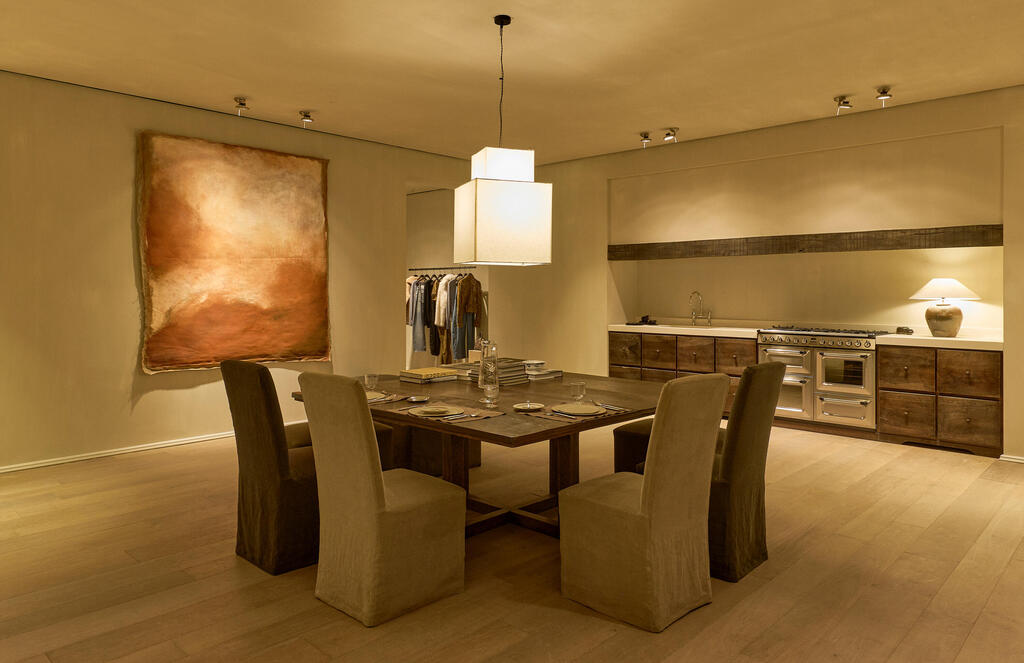
Combining clothing retail with a fully designed and furnished apartment inside the store
(Photo: Courtesy of inditex)
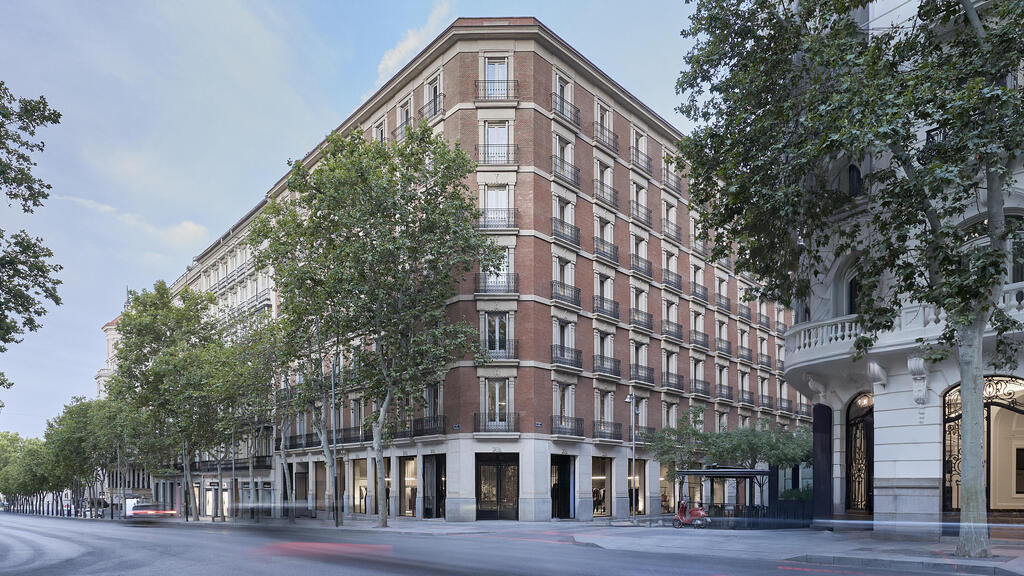
Zara's flagship location in downtown Madrid
(Photo: Courtesy of inditex)
The new concept combines clothing retail with a fully designed and furnished apartment inside the store, complete with a kitchen and all the functions of daily life. The first three floors house racks and shelves filled with Zara’s rotating fashion collections. This time, the brand’s designers opted for a more refined and innovative aesthetic, replacing the familiar white floors and neon lighting with a more upscale look.
The real highlight awaits shoppers on the fourth floor — an entire level dedicated to “The Zara Apartment.” The space replicates a real home, featuring a kitchen, bedroom, dining area and living room. The attention to detail extends even to a (designed) water bowl for a dog.
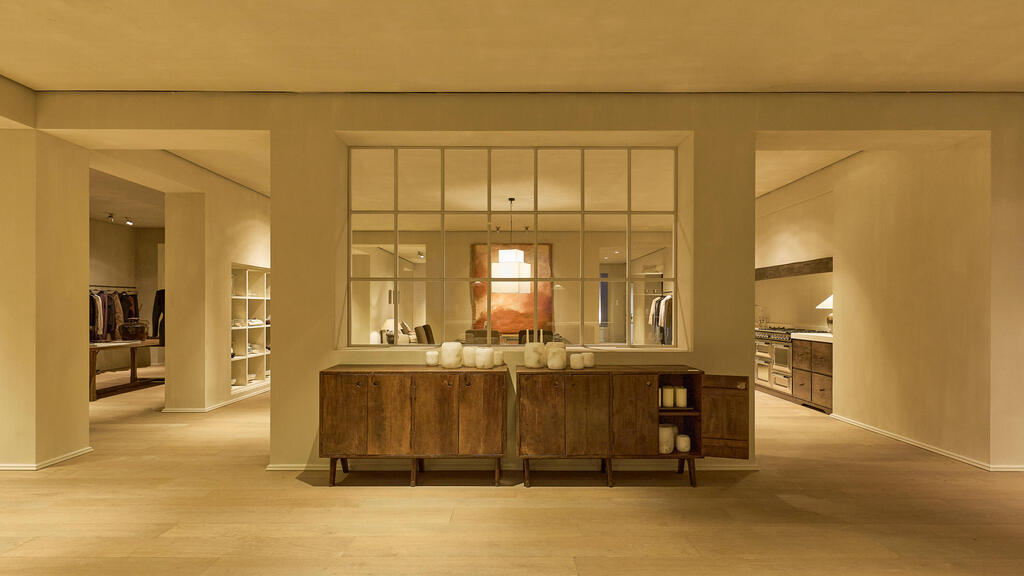
The space replicates a real home
(Photo: Courtesy of inditex)
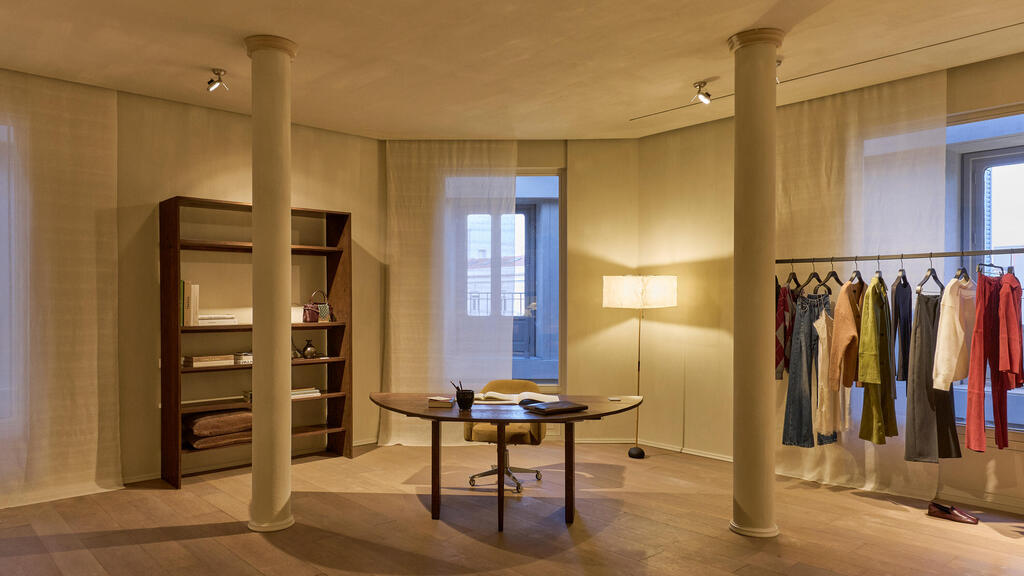
(Photo: Courtesy of inditex)
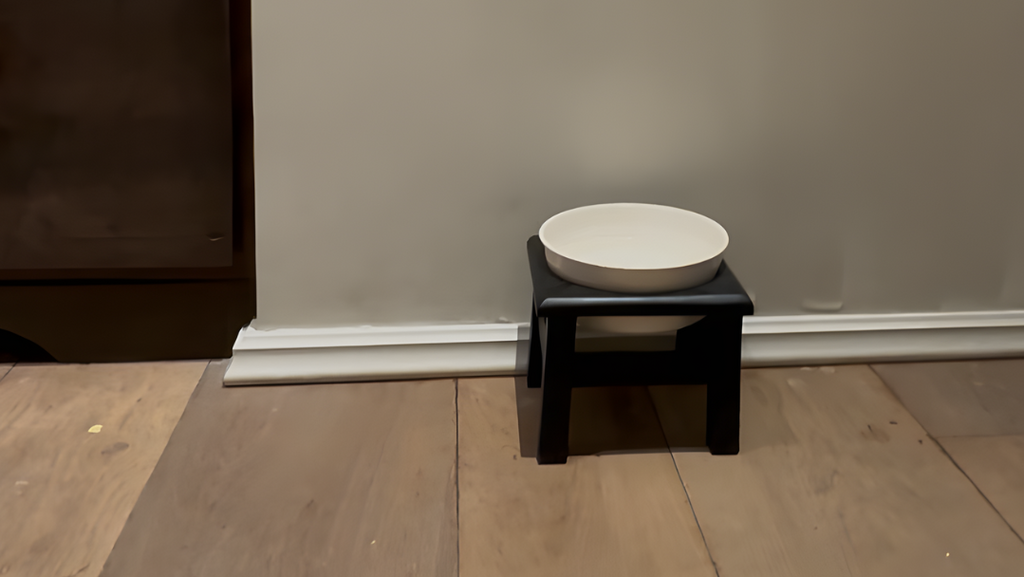
There's even a dog bowl
(Photo: Gil Bushinsky)
The goal is to create a more intimate, home-like shopping experience. In each space of “El Apartamento,” customers will find both clothing and home items for sale that match the setting, blending fashion and interior design. In the bedroom, for example, shoppers can find pajamas and loungewear, while the dining area showcases tableware arranged for a holiday meal, and so on. In keeping with the sense of exclusivity and innovation, the space also offers limited-edition items, collections unique to the apartment and vintage pieces.
Quiet luxury in a mass-market brand
The concept extends beyond merchandising to architecture. The store’s redesign, led by the group’s longtime architectural firm under Belgian architect Vincent Van Duysen, draws inspiration from traditional Castilian architecture. Designers incorporated natural materials such as brick, recycled wood, clay, iron and ceramic, alongside modern finishes.
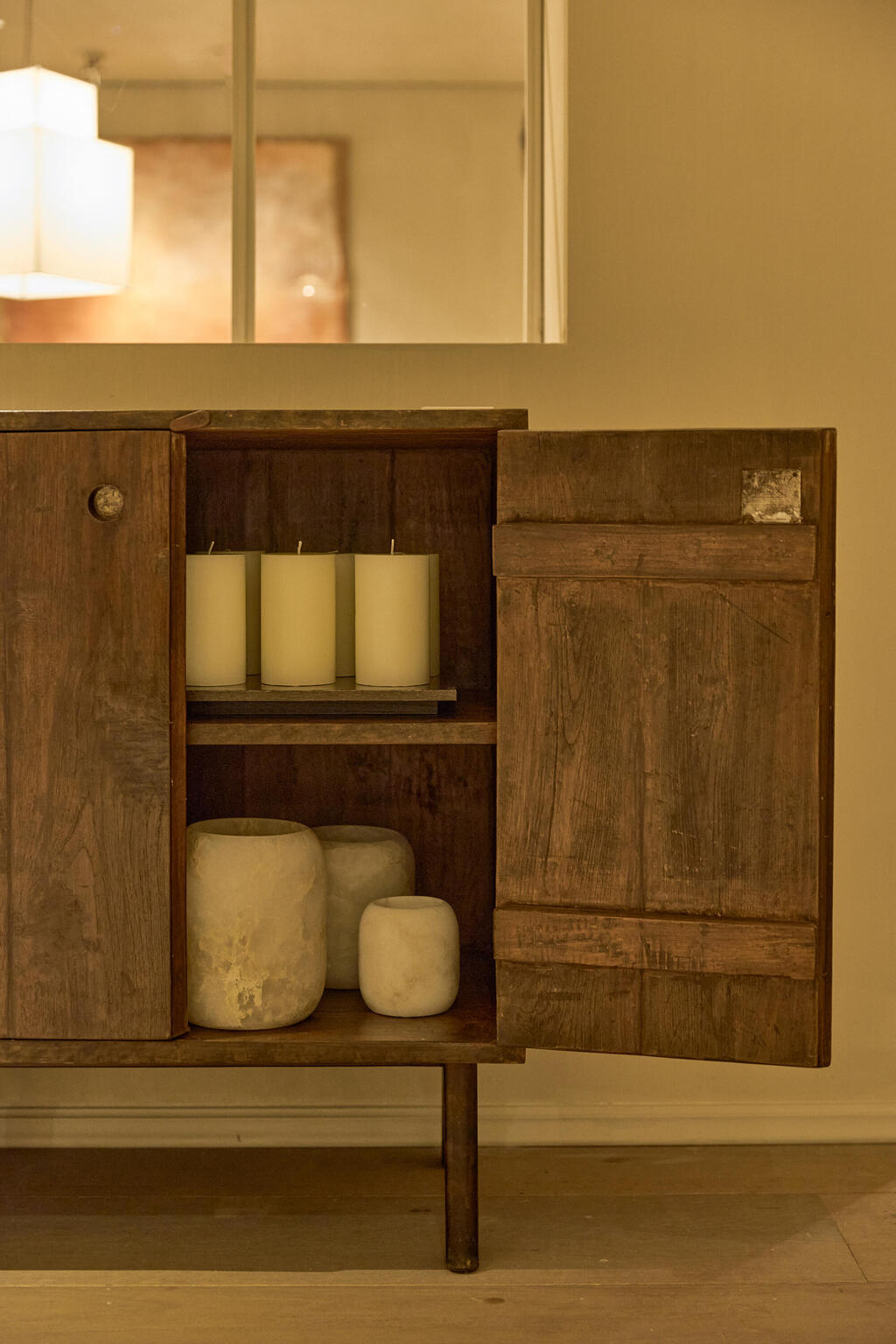
Items displayed in the apartment are for sale
(Photo: Courtesy of inditex)
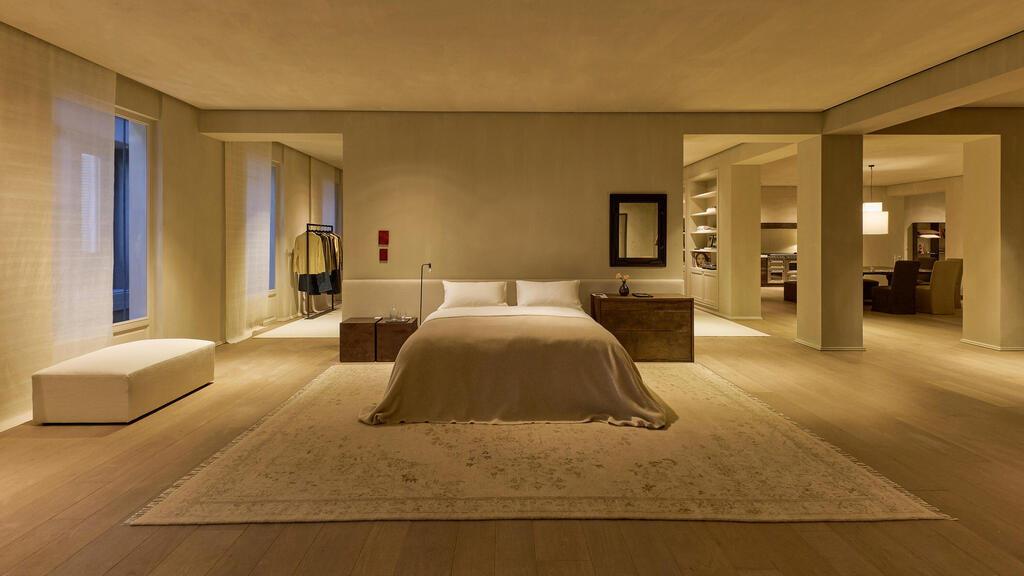
There's a bedroom inside the store
(Photo: Courtesy of inditex)
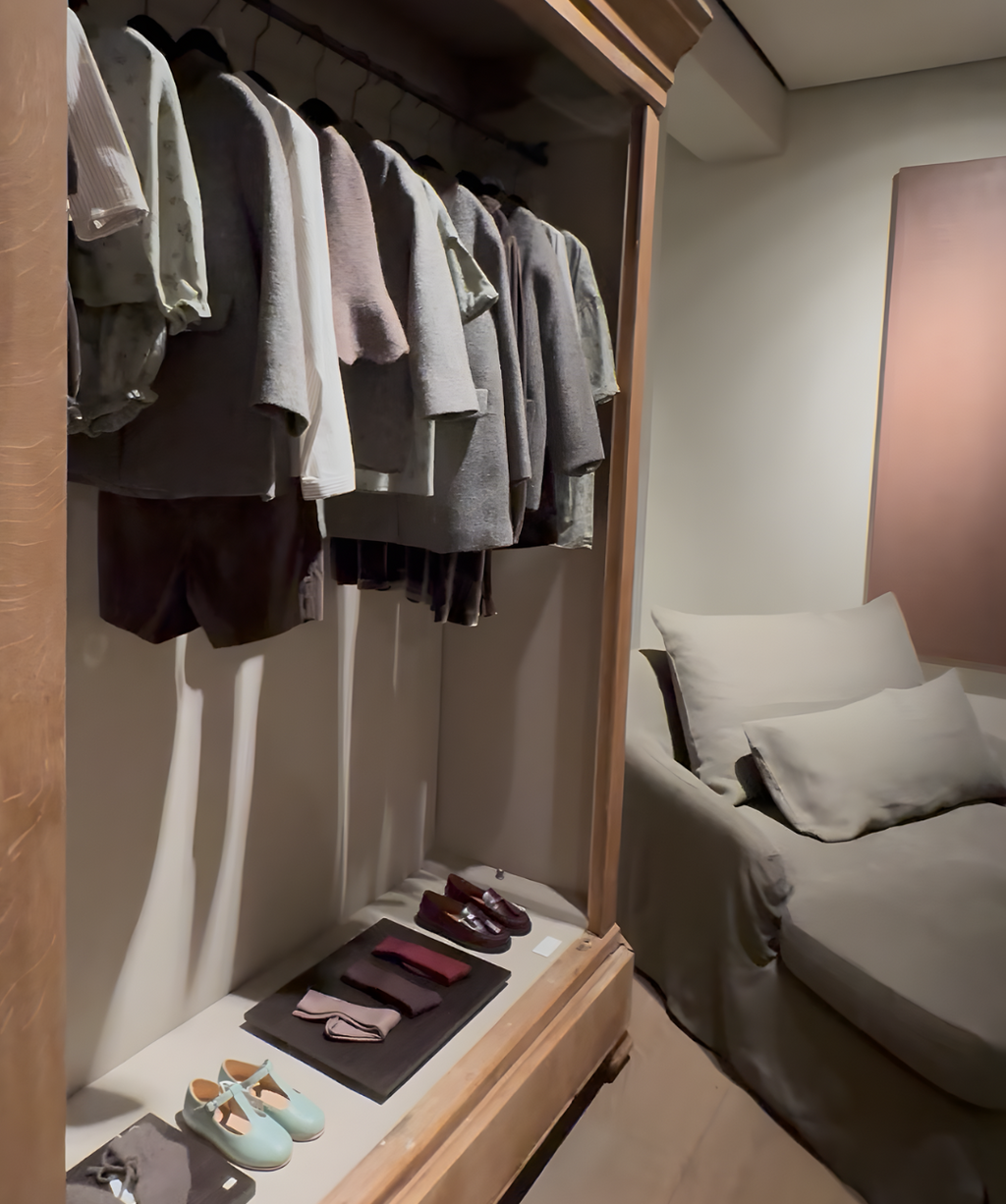
The clothes in the closet are for sale
(Photo: Gil Bushinsky)
The result is a carefully balanced blend of old and new, with a layout that begins at an impressive entrance level and transitions into warmer, brighter spaces as customers move upward. Shoes and bags are given a central stage, alongside a floor aimed at a younger audience, featuring dynamic design and modular furniture.
The “Zara Apartment” floor is defined by restrained elegance, clean lines and premium materials, aligned with the “quiet luxury” aesthetic that has become part of the brand’s identity. Nothing feels excessive; everything is precise and functional. The interior design of the apartment was led by Elsa Urquijo Arquitectos.
“The Apartment” was conceived as a response to a new kind of consumer — one that is not seeking speed or aggressive marketing, but emotional connection. Zara appears to recognize that shoppers no longer just buy products; they want to be part of a lifestyle, part of a story. They want to feel that what they see was designed for them. The experience is not just about filling shopping bags, but about creating an atmosphere.
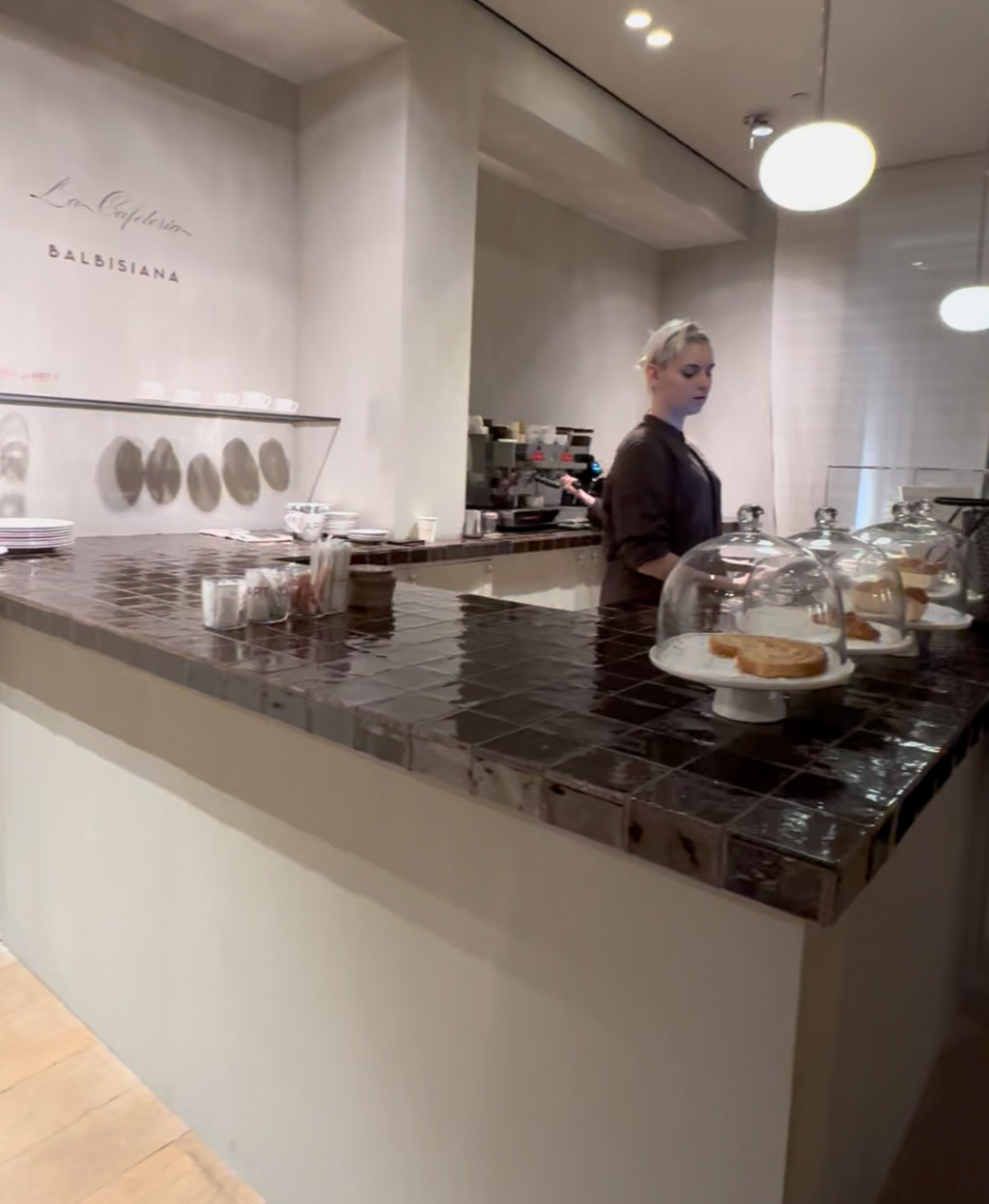
There's also a high-end cafe to top off the experience
(Photo: Gil Bushinsky)
This is not the first store to implement the concept, but it is the third — and appears to be the most successful so far.
To top it off, the floor also includes a café operated by Madrid-based luxury brand Balbisiana, offering shoppers a place to pause and recharge. The move builds on similar initiatives by Zara, such as separating its menswear into dedicated boutique-style stores.
Alongside the redesigned flagship, traditional Zara stores with the familiar layout remain across the city. The question now is whether this marks the future of fashion retail in 2026 — and perhaps more importantly, whether the concept will eventually make its way to Israel.
- Gil Bushinsky - content creator and travel blogger, former Madrid resident, lives on the Israel-Madrid line, @ggbushi on Instagram and TikTok