


In many cases, Israel’s central bus stations have become places people prefer not to linger in longer than necessary. At best, they are simply gray and uninspiring. At worst, they are neglected, outdated, dirty and sometimes confusing spaces that repel visitors and feel like the "backyard" of the urban environment.
Some stations have undergone major upgrades, such as Jerusalem’s central station and the Savidor complex in Tel Aviv, which demonstrate how transformative such improvements can be. Where stations are clean, clear and comfortable, demand for public transportation rises, turning it into an alternative that may not be perfect but is far more pleasant to use. When waiting areas are uninviting and lack shade, accessible information or a basic sense of safety, those who can, will likely opt for a private car.
The current situation
Sivan Shmuelovich, CEO at 15 Minutes, a public transportation consumer organization, describes the reality on the ground. “Central stations do not function well in terms of user experience. There is no consistent standard because responsibility is divided among different bodies, and in many cases, we do not even know who is supposed to fix a problem. We receive complaints about terminals without shade, non-functioning signage and situations where passengers do not know who to turn to so problems can be addressed."
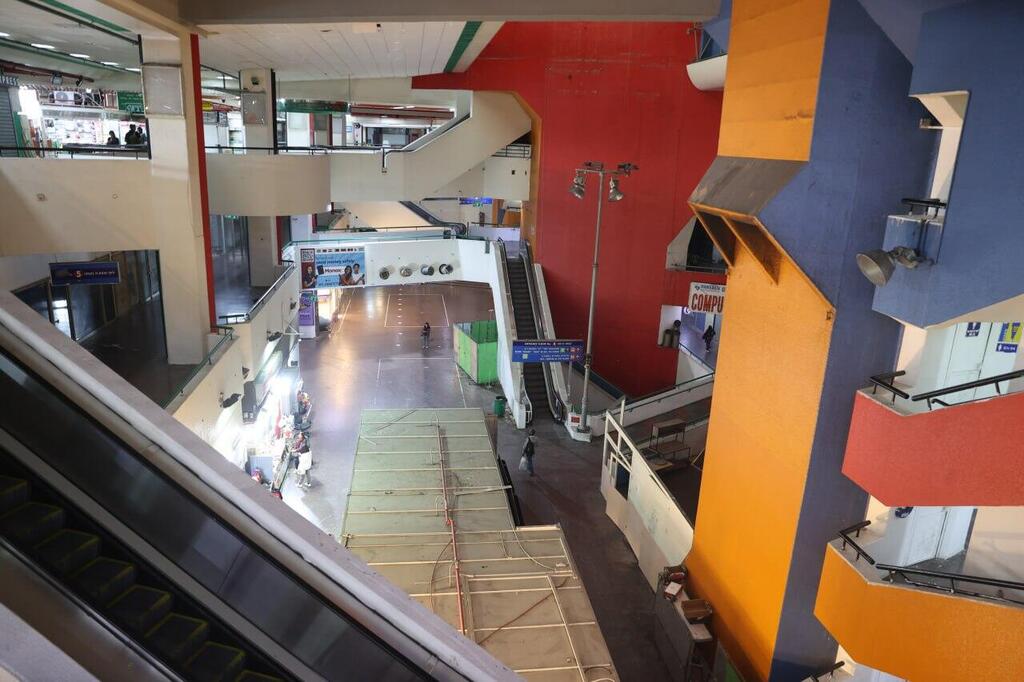
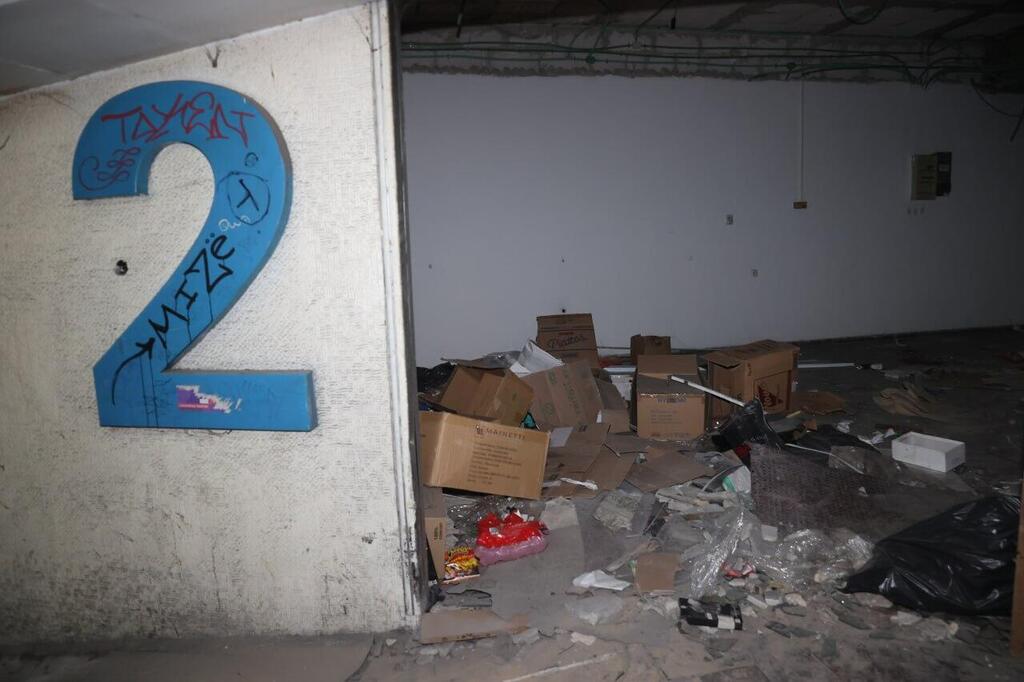
Neglect in Tel Aviv central bus station
(Photo: Yariv Katz)
Nationally, the most prominent example is Tel Aviv’s central bus station, which has become a symbol of negative connotations and one of Israel’s most significant planning and social failures. Its current condition, marked by an uneasy atmosphere and questionable characters, is the result of poor planning, years of neglect and legal issues. As a result, those with alternatives prefer to stay away from the site.
Over time, most public transportation users in Tel Aviv have preferred reaching Savidor Central Station rather than the so-called New Central Bus Station on Levinsky Street. Even there, however, problems persist. “The transfer at Savidor from the light rail to Israel Railways is simply a nightmare,” Shmuelovich says. “Instead of a short underground passage, people have to go outside, walk on foot, cross several intersections and only then arrive. It indicates that there was no door-to-door view of the passenger's journey. All of this adds up and makes people say, ‘It is not worth it, I'd rather go by car."
According to Idan Moalem, head of the National Public Transport Authority, this situation is not accidental. “In some cases, local authorities have an interest in pushing stations out of the urban core, while in others, station owners want to change land use. Neglect becomes a strategic tool that serves those goals. Some stations have been operating for decades, sometimes since the early years of the country, and change does not happen overnight."
A dramatic shift: hubs, not central bus stations
Moalem says Israel is now on the verge of a deep change, possibly the most dramatic public transportation shift in decades. “A central station is the public transportation system’s calling card,” he says. “That is why we formulated the Infrastructure Facilities Strategic Plan 2040, aimed at turning stations into assets rather than burdens. A modern station must be clean, safe and welcoming, with real-time information, lighting, shade and a space that respects passengers."
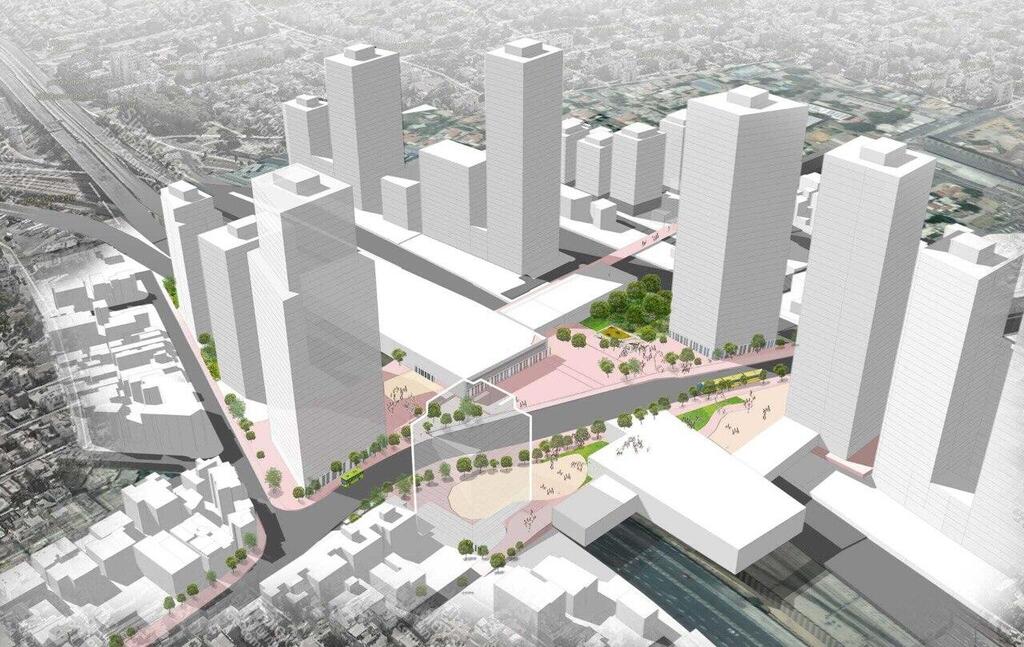
The future Ben-Zvi integrated transport hub in Tel Aviv
(Illustration: Yaar Korin, NTA)
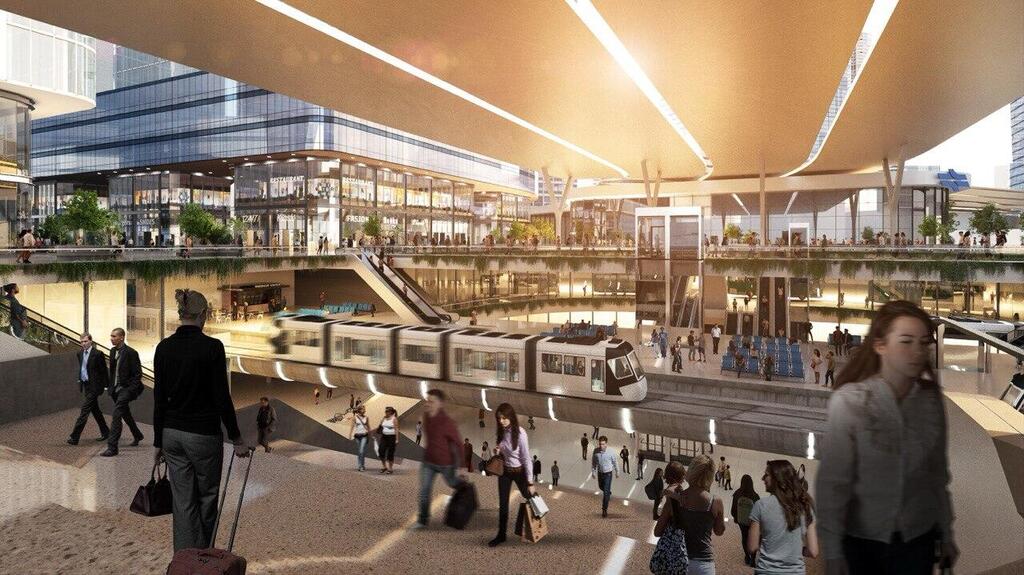
Illustration of the future Savidor hub in Tel Aviv
(Photo: HQ Architects)
This is not merely renovation but a true paradigm shift. The plan envisions multi-level, integrated transport hubs that bring several mass transit systems together under one roof. These integrated transport hubs, known by the Hebrew acronym ‘mat’hamim,’ will include six hubs along the Ayalon corridor alone: Glilot, Savidor, HaShalom, HaHagana, Ben-Zvi and Yoseftal, plus an additional hub at Kfar Ganim.
Each hub is designed to integrate Israel Railways, metro lines, light rail services and large bus terminals. Some will also include extensive overnight parking facilities for buses. The goal is to create a dense, connected network of modern public transportation.
The vision is to establish major urban intersections where transfers between modes are short, clear and fast. Beyond transportation, the plans include public plazas, open spaces and built areas that support urban renewal, turning hubs from mere transit points into destinations, similar to major European capitals.
Yael Solomon, deputy director of infrastructure at the Planning Administration, says the program views the entire space through passengers’ eyes. “Until now, transportation modes were planned separately, without real consideration of their surroundings or transfers between them. That is about to change. The goal is to provide passengers with a complete service that includes both the experience inside the station and outside it. We want reliable transportation with good connections and pleasant access to public transport hubs."
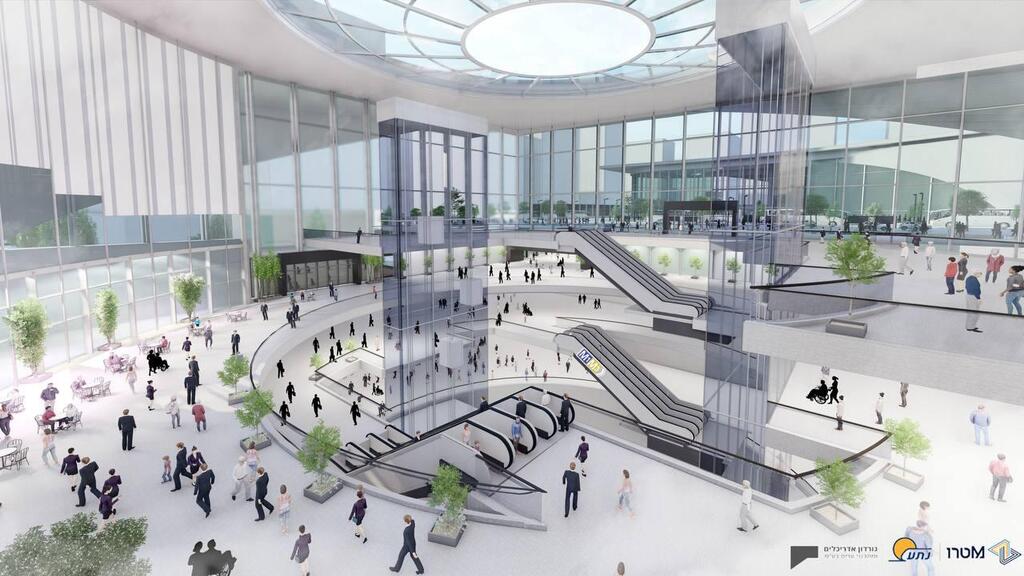
Illustration of the future Glilot hub
(Photo: Gordon Architects&Urban planners)
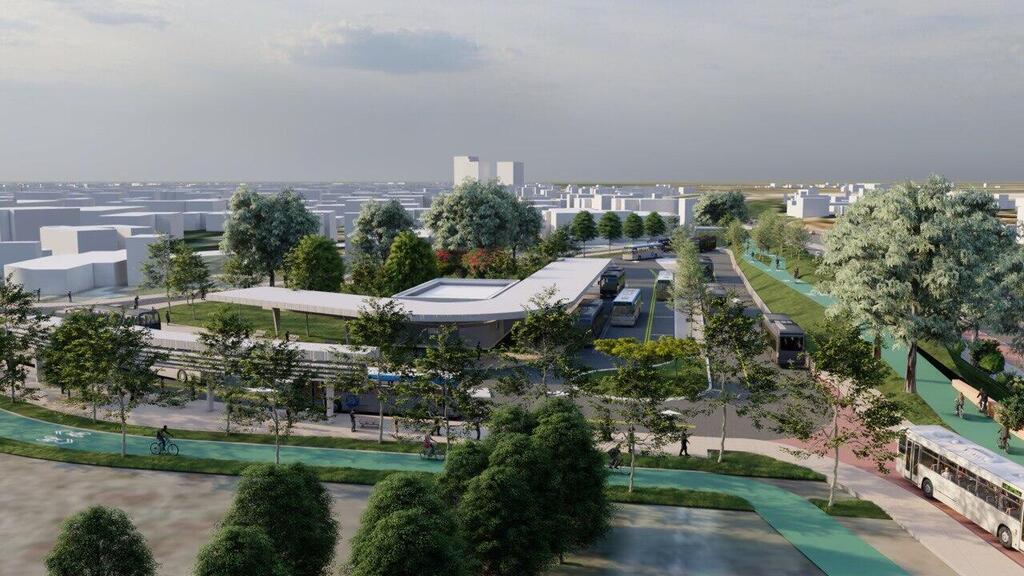
Illustration of future Ahdut hub in Petah Tikva
(Photo:
Mansfeld – Kehat Architects Ltd)
Solomon notes that in metropolitan areas such as Tel Aviv, the target is to use more than 40% public transportation. In other global cities, she says, integrated transport centers have already driven genuine urban change. “Around the world, transport hubs are places that invite people to stay. They are designed around passenger experience, real connectivity and a sense of place rather than temporary passage."
Planning is especially complex because it takes place in dense urban areas packed with existing infrastructure. Each hub presents different challenges, from expanding rail platforms and intersecting metro and light rail levels to covering sections of the Ayalon Highway and coordinating closely with municipalities, infrastructure companies and private landowners.
The bus revolution
Reaching the national goal of 4 out of every ten trips being made by public transportation by 2040 requires a strong, dense and well-planned bus network. Despite the introduction of metro lines and additional light rail routes, buses will remain the backbone of service. Today, about 85% of all public transportation trips in Israel are made by bus, far more than by rail or light rail combined.
A severe shortage of operational infrastructure, terminals and overnight parking makes it difficult to add routes and vehicles. A comprehensive Transport Ministry plan found an existing shortage of about 500 dunams for terminals and parking, with another 900 dunams slated for cancellation in favor of commercial and real-estate projects.
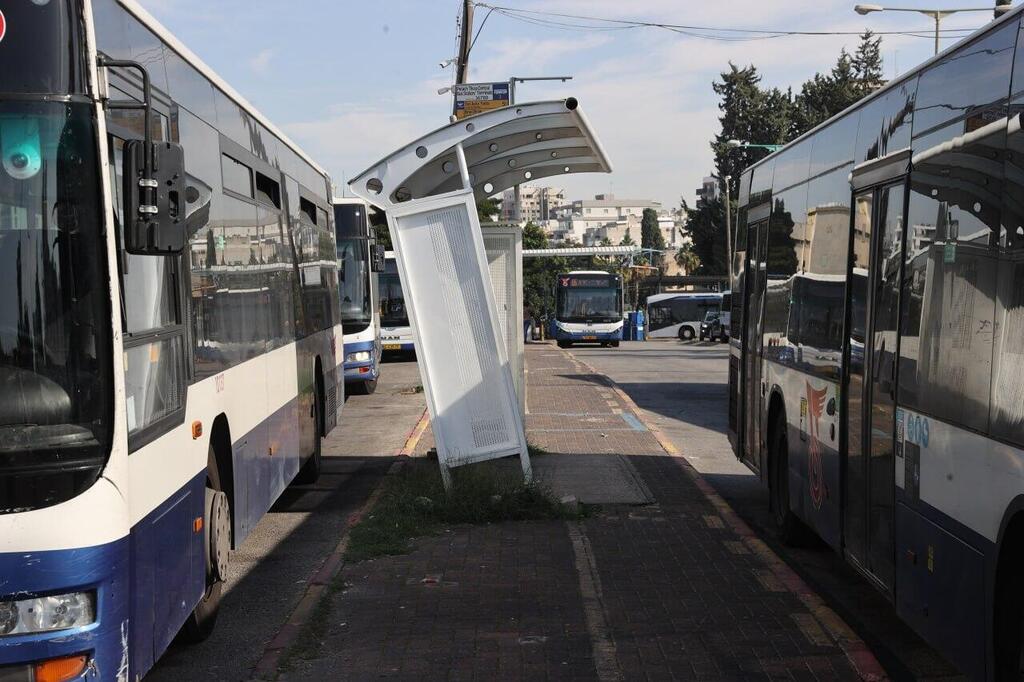
Neglect in bus station Petah Tikva
(Photo: Yariv Katz)
To address this, the ministry is advancing a new national network of 685 infrastructure facilities, including 13 national infrastructure plans covering about 1,000 dunams, alongside more than 2,000 charging stations for electric buses.
Starting this year, 2026, every new urban bus purchased will be electric. Within a decade, all urban buses in Israel are expected to operate with zero emissions. This transition, based on Israel’s commitments under the 2021 Paris Agreement and efforts to reduce air pollution, requires massive new infrastructure.
Guy Ben Hamo, head of the national transportation infrastructure planning division at Ayalon Highways, says bus terminals will be built from Be'er Sheva and Ashkelon to Safed, Acre, Tirat Carmel, Hadera and Maalot-Tarshiha. “This will improve connectivity between the north, south and center, significantly enhancing service quality along with the integration of electric buses.”
The plan also includes upgrading drivers’ rest facilities and comprehensive improvements to terminal infrastructure and surrounding urban areas. Moalem says the change must be systemic. “We are implementing strict maintenance procedures and binding standards for charging stations and new terminals. We are currently advancing a move to transfer responsibility for stations to a professional public body to ensure uniform management and a high level of service. If we want to fight congestion, we must improve the passenger experience from the moment they arrive at the station."
Early signs of the future
On the ground, the plans are already taking shape. New central stations in Safed, Nahariya and Be'er Sheva are undergoing renovation and redesign. The HaArazim terminal in Jerusalem is already operating. A new central station in Eilat is set to open later this year, with major developments also planned in Petah Tikva, including the Achdut station and a new central station next year.
The vision goes far beyond architecture. It is metropolitan, social and economic. Solomon sums it up: “If we don't change Israel’s public transportation system, the Tel Aviv metropolitan area will collapse. We have congestion levels unlike any other OECD country. But we also have an opportunity. When all systems work together, people will feel the change in their daily lives."
The process is slow, complex and often invisible, but within planning, understanding and public trust lies the potential to transform central stations from places people flee into comfortable, welcoming spaces. If everything proceeds as planned, within a decade, these stations will no longer be cities’ backyards but the beating heart of modern public transportation that people want to use.