

Arnona – the municipal property tax
First and foremost is arnona, Israel’s municipal property tax. This levy is collected by the local authority and applies to all properties, residential or commercial. Each municipality bills property owners every two months, or there is the option to pay the entire year upfront.
It is important to note that arnona is paid by whoever is living in the property, whether that is the owner or tenant. Meaning, if you rent out your apartment, the tenant will be responsible for paying it, but when the property is empty, the responsibility falls back on the owner.
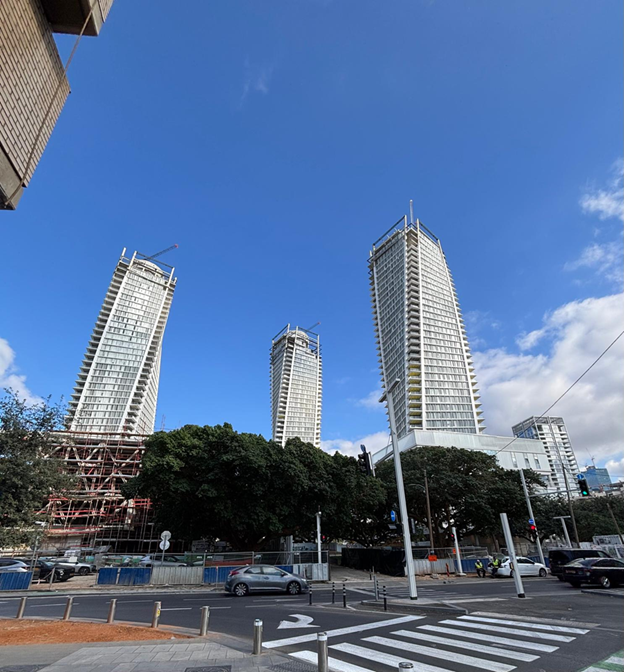
Arnona is calculated based on several factors: the size of the property in square meters, the neighborhood it is located in and whether it’s being used for residential or commercial purposes. Rates differ widely between cities.
Tel Aviv, for instance, has some of the highest arnona rates in the country, while smaller towns or peripheral cities can be far less expensive. New immigrants may also be entitled to temporary discounts during their first years, making it especially important to check eligibility early on.
Building maintenance fees – va’ad bayit
If your apartment is part of a shared building, you will be required to pay monthly building fees, known as the va’ad bayit. This covers the maintenance of common spaces such as stairwells, lighting, gardens and elevators. The common 6-7 story boutique buildings seen in and around Israel will have maintenance fees of several hundred shekels a month at most.
In contrast, in newer high-rises with a concierge, multiple elevators, a gym and a swimming pool, the monthly va’ad bayit can amount to thousands of shekels a month. This is a cost that can surprise some new buyers, so it is important to understand the building’s fee structure before making a purchase. Similar to arnona, if you are renting out your property, the tenant is responsible for paying for the va’ad bayit; otherwise, it's on you, the homeowner, to pay.
Utilities and everyday expenses
On top of municipal tax and building fees, there are the regular household utilities: electricity, water, gas, internet and cable. For those who rent out their apartment, tenants typically take on these expenses directly, as long as it is clearly outlined in the rental agreement.
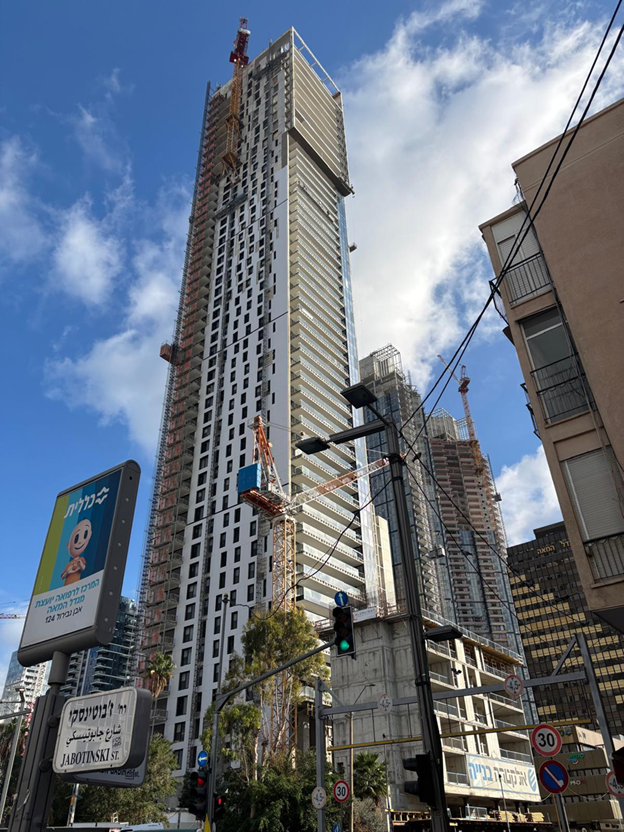
Tel Aviv
(Photo: Noah Sander)
Still, it’s worth being aware of how these systems work in Israel, as billing is often managed by different providers. Once a new property owner takes possession, they must transfer their name to all the respective utility providers. For foreigners especially, this can sometimes be a bureaucratic and time-consuming process, but with a little bit of help from your realtor, it can be done in no time.
Renting out your apartment – what to know about tax
If you’re planning to rent out your property in Israel, it’s important to understand how the tax system works. The good news is that Israel gives landlords a few different options, depending on how much income you earn and how you want to structure things.
The most popular among landlords is the exemption track, where monthly rental income up to 5,654₪ is completely exempt from tax. For higher rental income, owners can choose to pay a flat 10% tax on the gross income, or report under the standard income tax rates, which allow deductions for expenses like repairs and depreciation.
Taxes can get tricky, and what’s best for one landlord may not suit another. That’s why it’s always worth consulting with an accountant who understands the system and can show you exactly what applies to your situation. A short conversation can save you thousands of shekels and give you the peace of mind that you’re fully compliant.
Insurance and upkeep
Another cost that many buyers overlook is home insurance and is a must for anyone owning property here. A policy can cover you for risks such as fire, water damage, theft, and earthquakes, which in Israel’s environment are all worth considering. There are several main insurance companies in Israel, and premiums vary depending on your home size and the type of policy you choose, but in general, home insurance is not a major expense.
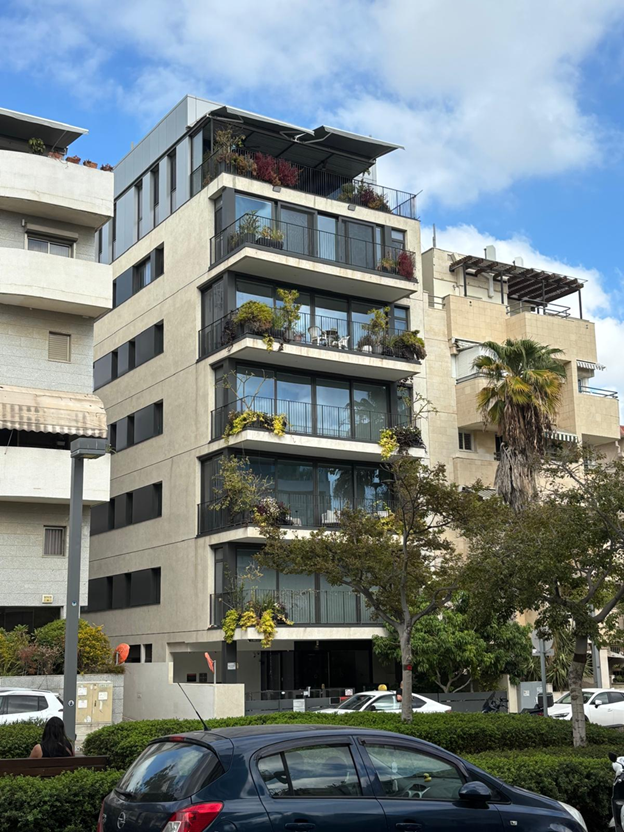
Tel Aviv
(Photo: Noah Sander)
Then there are the ongoing maintenance expenses. Apartments require regular upkeep: painting, replacing fixtures, servicing air conditioners, and sometimes larger works such as plumbing or roof repairs. These are not monthly bills, but part of the long-term reality of ownership.
Property management – peace of mind from abroad
For owners who live overseas or spend significant time outside Israel, managing a property from afar can be a challenge. Increasingly, many buyers have turned to professional property management companies. These firms handle everything on your behalf: checking the apartment regularly, taking care of repairs, and ensuring the property stays in good condition, and, depending on the company, will handle finding quality tenants to rent the property out to.
Some even offer short-term rental management, turning your property into an income-producing asset while you’re away. Then, when you return to Israel, the property is ready for you to walk in with your suitcases and settle in immediately. For many foreign owners, this service removes the biggest headache of long-distance ownership and provides real peace of mind. Fees range depending on the company, property, and whether it's managed as a short-term or long-term rental, but are usually a percentage of the rental income.
Yearly expenses budget example: a Tel Aviv apartment
To put these costs into perspective, imagine you own an 85 m² (three-room, two-bedroom) apartment in central Tel Aviv. The arnona alone would come to about ₪1,000 paid every two months, or ₪6000 a year. Add to that the Va’ad Bayit, which in a modern boutique building with an elevator, common areas and garden will be around ₪450 a month or ₪5,400 annually. In luxury towers, it's easily double or triple. Home insurance and utilities for someone living full time would likely add another ₪7,500–8,500 per year, depending on usage.
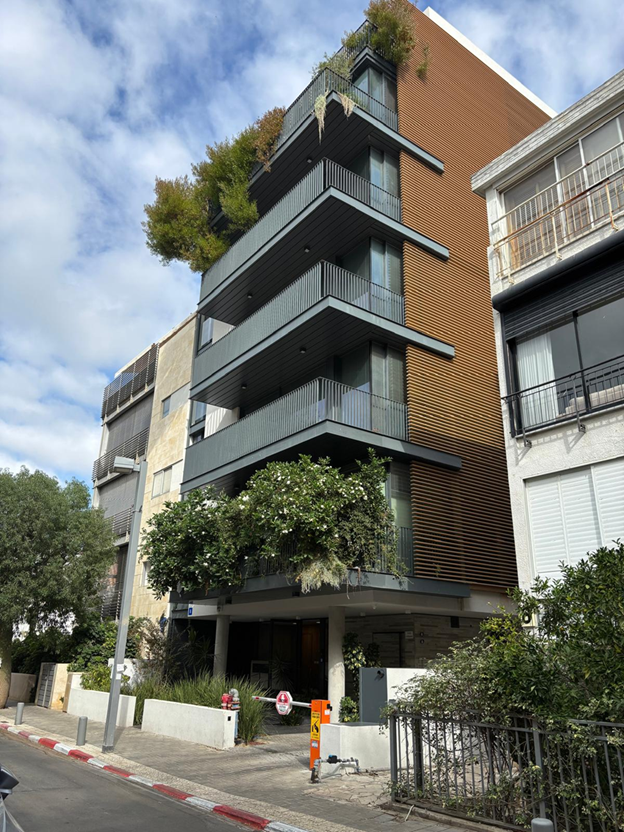
Tel Aviv
(Photo: Noah Sander)
Altogether, you’re looking at roughly ₪20,000 annually, before factoring in any rental income or management fees. Here is something many buyers coming from abroad don’t realize: Other than home insurance, if the property is rented out, all the expenses are paid by the tenant, not the owner.
Final thoughts
Owning property in Israel is about more than just the purchase price. From arnona and va’ad bayit to utilities, and the option of professional management, there are ongoing expenses every buyer needs to account for. The good news is that with proper planning, these costs are manageable, and in most cases, far less daunting than they first appear.
For many of my clients, the clarity of knowing exactly what to expect has been just as valuable as the property itself. Understanding the real costs of ownership is part of that journey, and with the right preparation, it becomes a smooth and rewarding experience that is worth every shekel.
- Noah Sander is a Canadian-born real estate agent based in Tel Aviv, specializing in helping international buyers and new olim navigate the Israeli property market.