

Urban renewal in Israel is no longer just about reinforcing old buildings or replacing low-rise structures with new towers. In many complexes, the reality is closer to establishing entire new neighborhoods in the heart of historic cities, adding hundreds and sometimes thousands of housing units. This shift challenges local authorities, which in recent years have evolved into central players in these projects. They are no longer just planning and zoning authorities; they have become active stakeholders holding rights in the land and the newly created built spaces.
At times, this can feel like over-intervention by local government, but it is hard to ignore the genuine need. When a neighborhood doubles or triples its population, authorities must simultaneously provide kindergartens, schools, community centers, social welfare facilities, cultural and sports spaces, healthcare, security and more. Without adequate public infrastructure, these new developments become a heavy burden on municipal resources while severely degrading the quality of life for both new and long-standing residents.
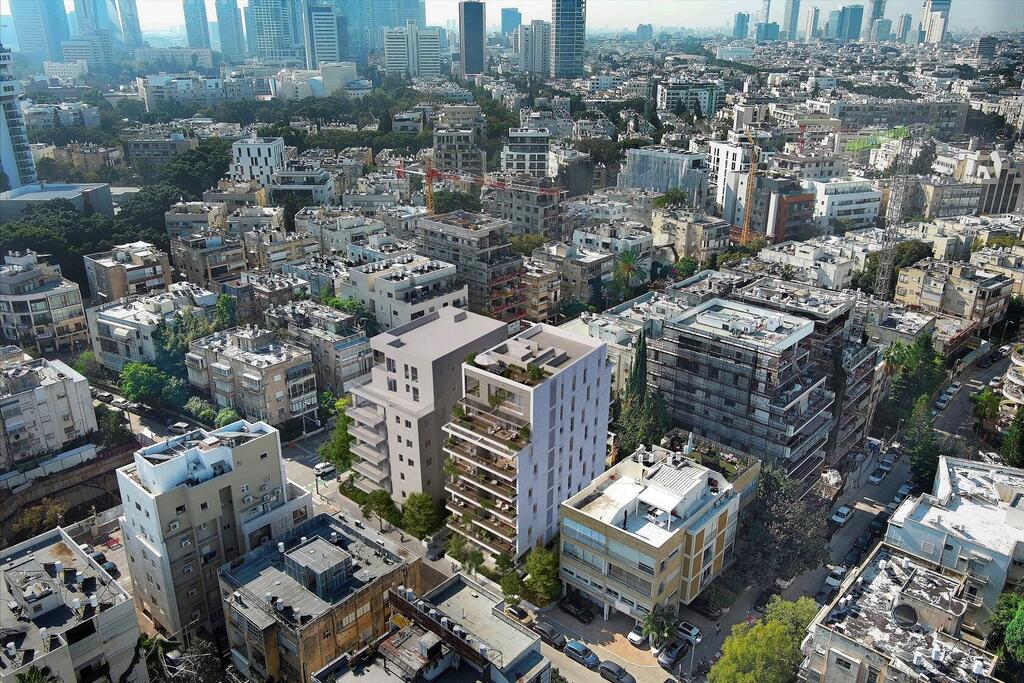
Urban renewal project in Tel Aviv
(Rendering: Evolve Media)
Consequently, integrating public spaces into urban renewal projects is not a planning whim; it is a necessity. In many cases, it is the only way to generate public areas in dense, built-up urban zones where no vacant land reserves remain. As a result, public uses are incorporated as an inseparable part of the project itself.
Yet, alongside the benefits, this trend creates new complexities. As local authorities become direct stakeholders, they effectively act as an additional partner in the delicate balance between developers, apartment owners and planning committees. Sometimes, public demands impact design, financial viability and project timelines. In certain cases, they may even spark opposition from tenants or developers who feel that the allocation of public spaces undermines the project's economic feasibility.
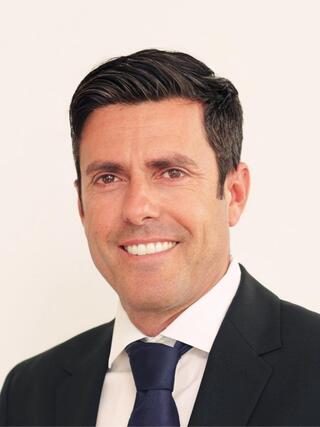 Margolin Engineering & Consulting Co-CEO Yossi Valass Photo: Courtesy
Today, however, the concept itself is widely accepted in numerous projects. Recent disputes rarely stem from the mere existence or scope of public spaces, but rather from the specific type of public use planned. There are profound differences between a kindergarten, a community center, a social welfare station, a medical clinic, a youth center and an emergency facility. Each use carries a vastly different impact on traffic, parking, noise and the overall rhythm of life within the complex.
The real challenge is no longer whether to integrate public interests into urban renewal, but how to do it right. Local authorities must maintain a delicate balance between public needs and the project's economic viability. Ultimately, the municipality is not a "silent partner" by choice, but out of necessity. This creates a shared interest in driving the project forward - for developers, residents and local authorities alike. Everyone stands to win from the final outcome.
- The writer is co-CEO of Margolin Engineering & Consulting Ltd.