

For many buyers considering central Israel, Tel Aviv is often the natural starting point. It’s vibrant, coastal, and globally recognizable. For many, Tel Aviv is where they want to be, and we make it happen. For others, budgets don’t stretch far enough and alternatives need to be considered. But just across the Ayalon Highway lies a city that offers a compelling option, one that combines accessibility, greenery, strong schools, and a calmer pace of life: Ramat Gan.
Often described simply as “Tel Aviv’s suburb,” Ramat Gan is far more than that. It has its own identity, its own neighborhoods, and in many ways, a lifestyle that appeals to families, professionals, and investors who want proximity to the action without living inside the intensity.
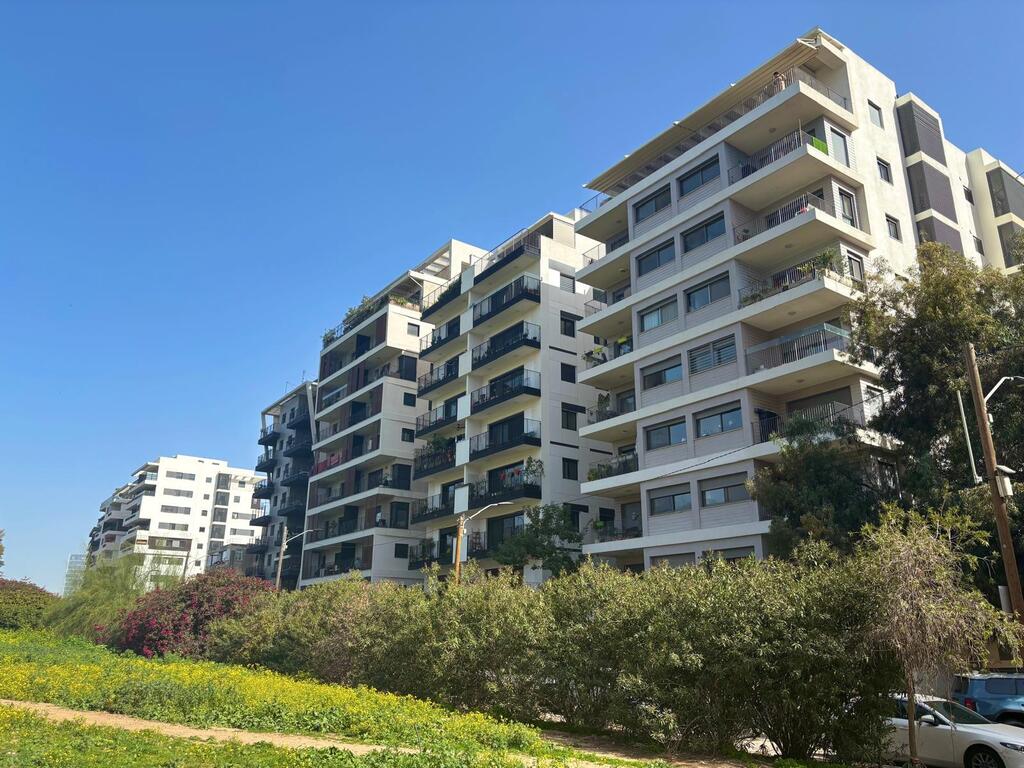
A city of green pockets and real neighborhoods
One of Ramat Gan’s greatest advantages is its greenery.
Tranquil neighborhoods such as Haruzim bordering Park HaYarkon offer a serene, almost secluded lifestyle that feels worlds away from the bustle of central Tel Aviv. Tree-lined streets, low-rise buildings, and proximity to endless open green parks create a calmer rhythm of life. Morning walks or jogs along the Yarkon, playgrounds filled with families, and a genuine community atmosphere define these areas.
On the southern side, Ramat Gan National Park, one of the largest urban parks in Israel, offers lakes, cycling paths, picnic areas, and even a safari and zoo. Living near it provides something hard to find in Gush Dan: breathing room.
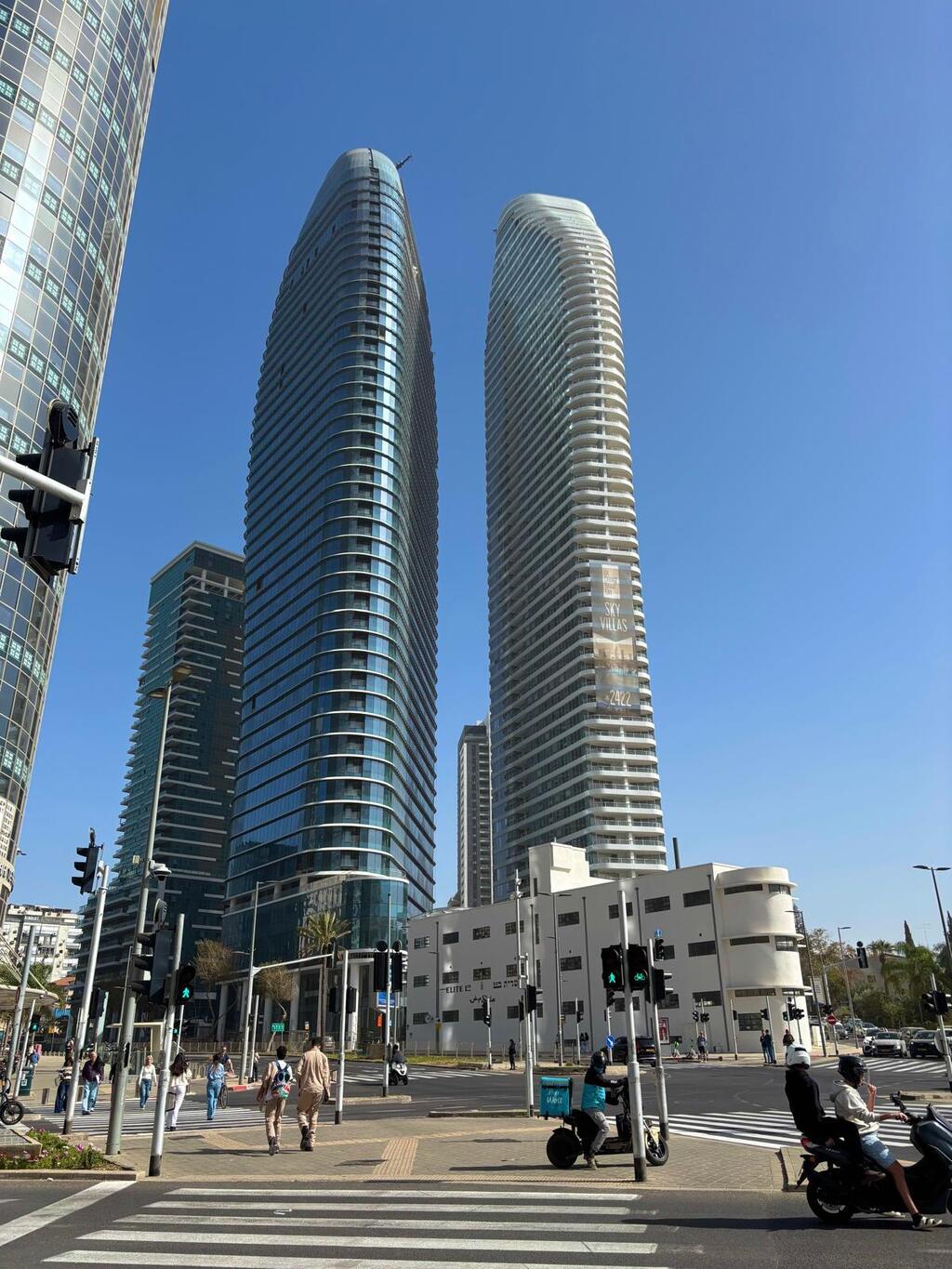
Ramat Gan is fully connected to Israel’s economic and cultural capital
For families, this matters. Ramat Gan consistently ranks well in national education indicators and is known for strong public schools and quality community infrastructure. The demographics reflect a mix of established families, young professionals, and increasingly, buyers priced out of Tel Aviv but unwilling to compromise on proximity.
Urban energy without the intensity
At the same time, Ramat Gan is not sleepy. Bialik Street and its surrounding areas offer rhythm with cafés, restaurants, bars and retail - a lively high road that gives the city character and convenience. The Bursa district, traditionally known as Israel’s diamond exchange hub, has evolved dramatically in recent years. New residential towers, upgraded public spaces, and mixed-use development have transformed it into a legitimate residential destination. From certain streets in Ramat Gan, you can literally see Tel Aviv’s skyline up close. But living here feels different. Slightly quieter, more spacious, and a bit more relaxed.
The light rail effect: Tel Aviv in your backyard
In my view, the operating light rail has fundamentally changed the equation for Ramat Gan.
From multiple stations across the city, including the Bursa district, you can be in the heart of Tel Aviv within minutes - traffic free, predictable and stress-free. What used to feel like “adjacent” now feels seamlessly connected.
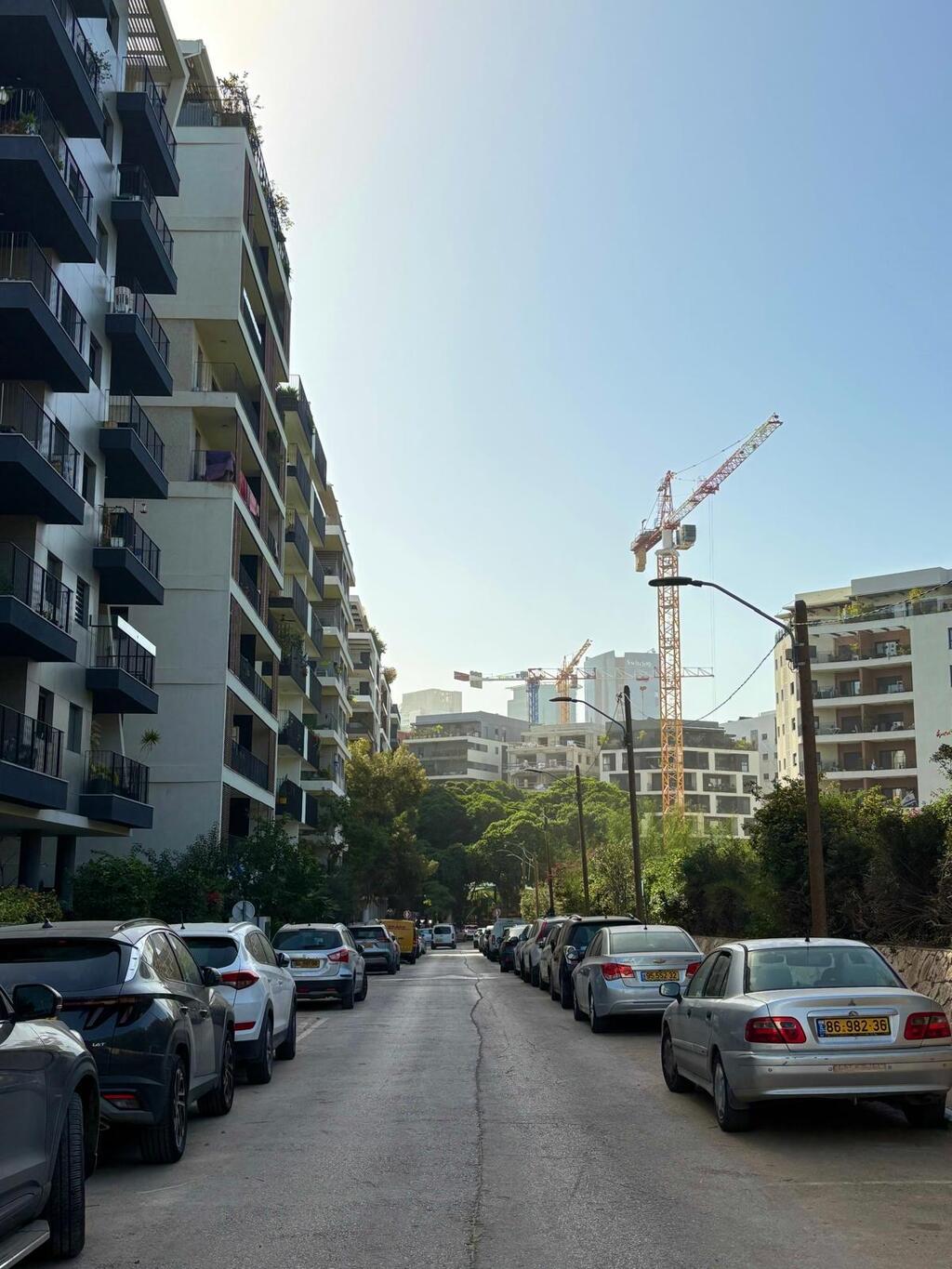
Often described simply as 'Tel Aviv’s suburb,' Ramat Gan is far more than that
This reality has reshaped buyer psychology. For those who don’t need to be walking distance from the beach or the pace of the big city every single day, Ramat Gan suddenly becomes a highly compelling alternative. You can live in a greener, quieter environment and still be at Azrieli, Rothschild, or Allenby in a matter of minutes. And when you do want the beach, it is still just a short bike ride or car ride away. The light rail has effectively erased psychological distance. Tel Aviv is no longer “next door.” It’s practically in your backyard.
A pricing advantage that still exists
In the Bursa area of Ramat Gan, brand-new towers are often priced roughly 30% lower than comparable towers you can literally see just across the Ayalon Highway - technically in Tel Aviv. The skyline may look similar. The lifestyle access may be identical. But the entry cost is noticeably different. For many buyers, that math is hard to ignore. Depending on the neighborhood and type of property, Ramat Gan prices can be up to 40% lower than comparable properties in Tel Aviv. That spread can mean the difference of several bedrooms’ worth of space in a property. Between an older building and a brand-new tower. Between compromise and comfort.
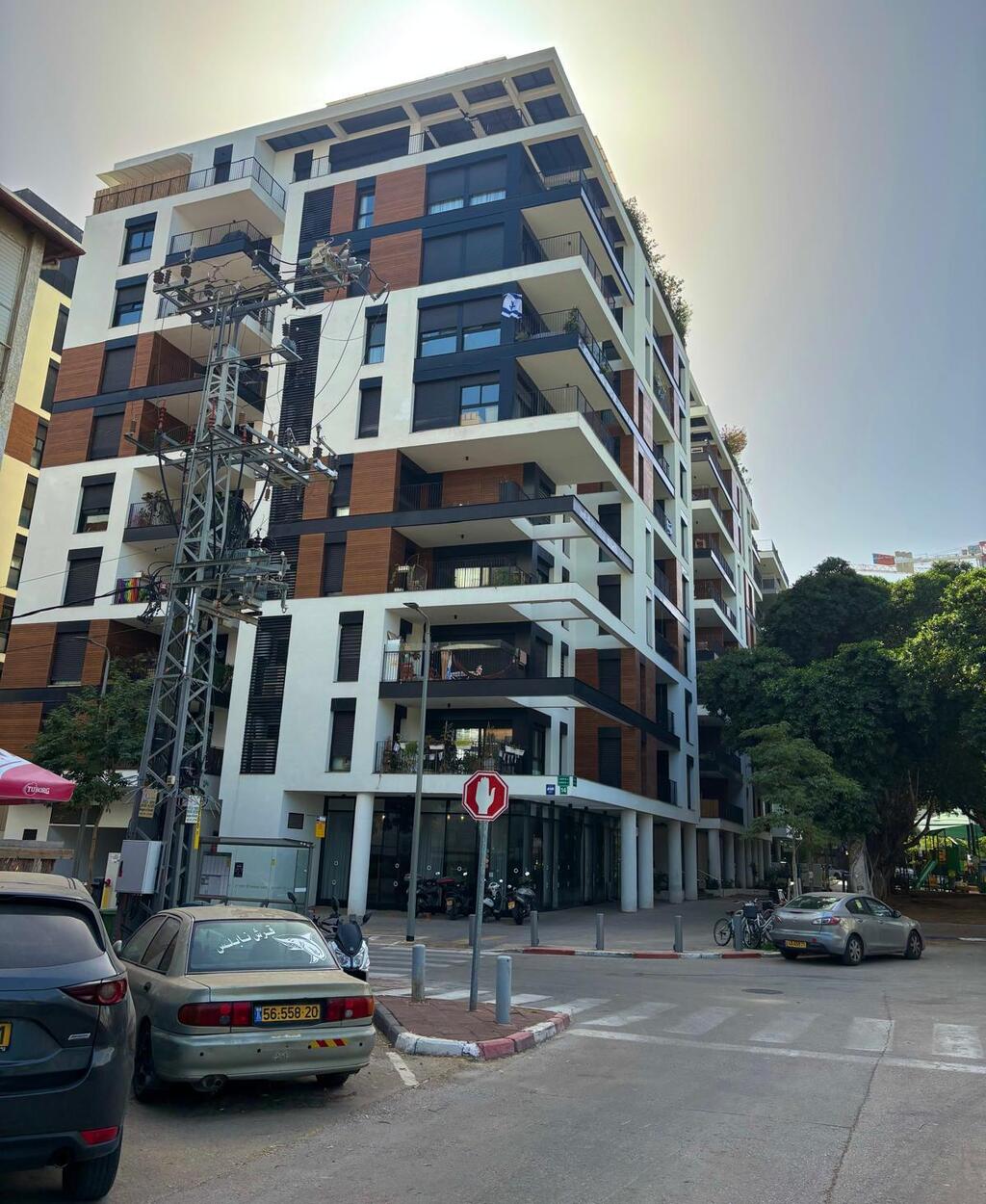
Ramat Gan has its own identity, its own neighborhoods
For investors, that delta creates opportunity. For families, it creates accessibility. For new immigrants or foreign buyers seeking central Israel, it provides an entry point that feels strategic rather than distant.
Final thoughts
Not everyone wants to live in the center of Tel Aviv’s nonstop energy. Some people want access to it, without being immersed in it. Ramat Gan offers that balance. You can enjoy green spaces, strong schools, community life, and potentially larger living environments, while remaining fully connected to Israel’s economic and cultural capital.
As infrastructure continues to improve, cities like Ramat Gan naturally benefit. It is not competing with Tel Aviv. It complements it. And for many buyers today, that distinction makes all the difference. For clients that are looking for a nearby alternative with its own charm, that stretches their budget significantly farther than it does in Tel Aviv, Ramat Gan might just be the perfect fit.
Noah Sander is a Canadian born real estate professional based in Tel Aviv and founder of zionistinvestor.com, an AI-powered platform helping international buyers and new olim navigate the Israeli property market. For inquiries: [email protected]