

For anyone who’s been to Israel lately, a common sight in many areas is a vast array of cranes as far as the eye can see. I frequently get asked by clients abroad whether they should invest in a new project or purchase a second-hand apartment in an existing building.
What are the risks involved? What are the main advantages of each? Both paths offer clear advantages, but also very different risks. The right choice depends on your goals, your timeline, and your appetite for involvement in the process.
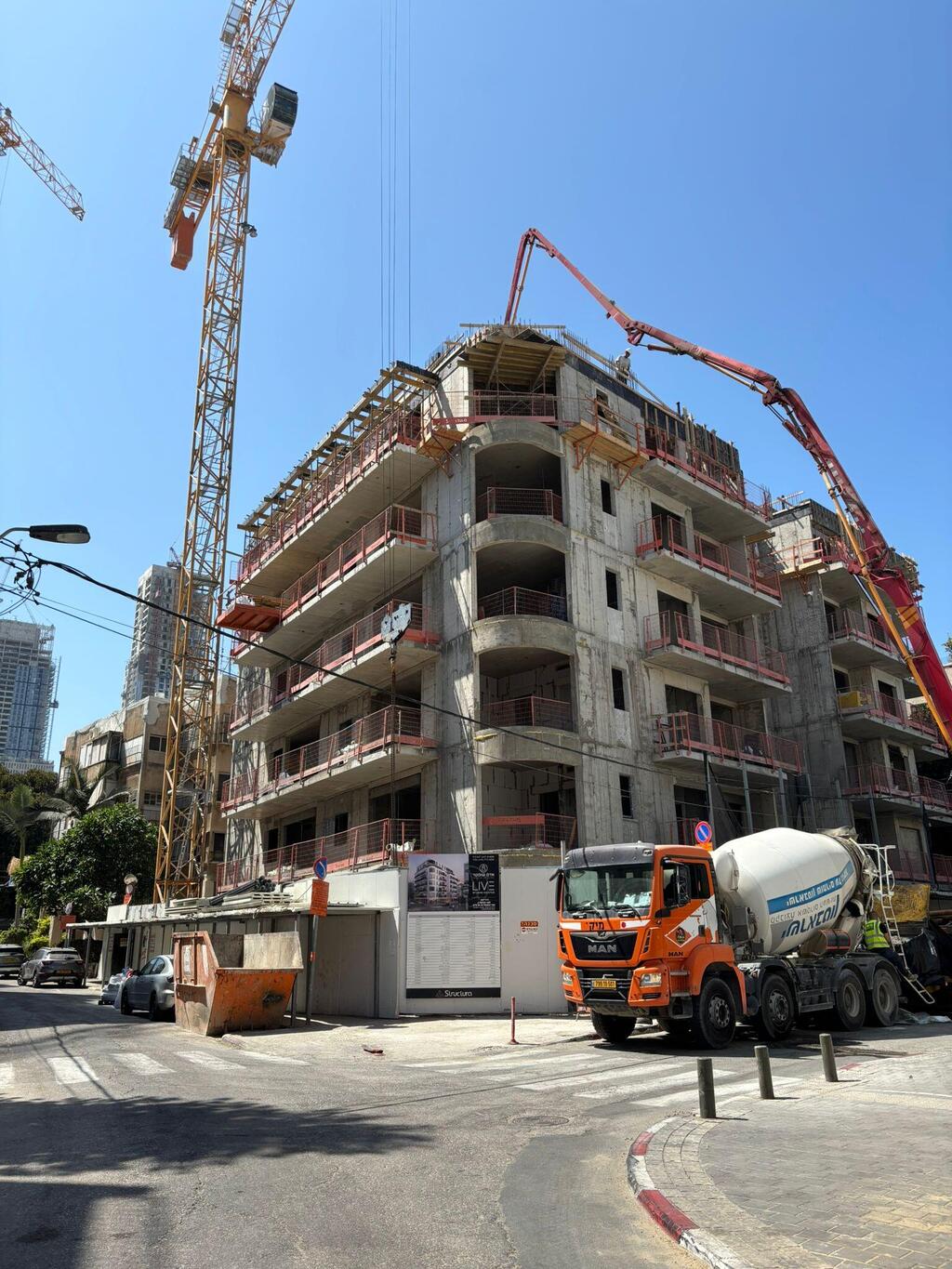
The appeal of new construction
For many international buyers, the idea of walking into a freshly built property built to the latest standards is extremely attractive. All new projects in Israel are constructed according to updated building and engineering codes & standards. That means reinforced safe rooms (mamad) are either inside the apartment itself or located on each floor, elevators, modern ventilation systems, parking (usually), and more.
For those who are not rushed to move in right away, new projects offer a big advantage – pro-rated payments. Unlike buying an existing property, in which the transaction is usually completed within 90 days, you do not need to pay the full sum up front. Here’s how it works- if you are buying in the presale stage, typically a buyer will have to put down a maximum of 7% held in trust.
Once the building permit has been issued, developers typically ask for a minimum of 20% down. From there, payments are made gradually as construction progresses. Depending on the project and developer, a buyer can structure very comfortable payment terms, making entering the market much more accessible.
New construction also allows you to put a personal stamp on your future home. At a certain stage in the process, buyers are invited to select finishes from the developer’s approved suppliers. You might choose the style of flooring, kitchen cabinets, or countertops, within the range offered. It can be an enjoyable way to feel part of the design process while knowing that all the core construction is handled by professionals.
There is also the peace of mind with warranty. By law, developers must provide guarantees on major systems and finishes. These warranties extend several years after handover covering finishings, plumbing, electrical work, and structural elements.
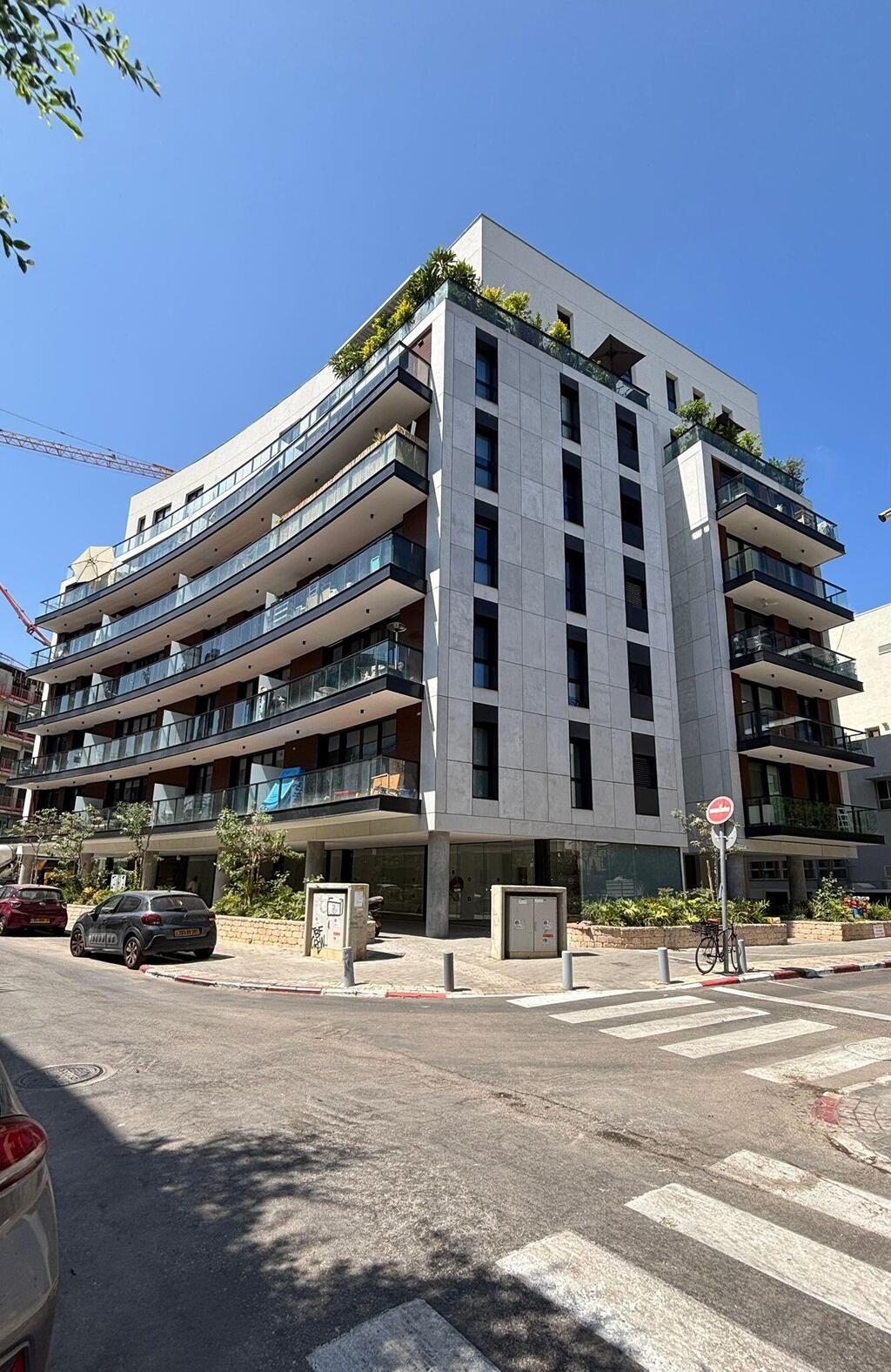
(Photo: Noah Sander)
Finally, from an investment point of view, buying “on paper” allows you to lock in today’s price without having to tie up so much capital. If the market appreciates during the construction period, you may have the option to resell the apartment at a profit once the project is complete, sometimes even well before. For investors, this ability to leverage smaller upfront payments and benefit from the appreciation can be especially appealing.
Is my money safe?
The biggest fear I hear from buyers abroad is the worry that they are paying directly to some developer who could run away with their money. What if the doesn't project break ground? What if the developer goes bankrupt? Will their money disappear?
It is important to know that in 2008, Israel significantly updated the law to protect consumers and address this exact concern. The ‘Law of Sale’ was overhauled, and today all developers are obligated to secure what is called a bank guarantee from one of the major banks in Israel.
In practice, this means every shekel you pay into a project goes directly to the bank, and not to the developer. The bank secures and guarantees your funds, and in return, issues you a voucher as a form of payment into the project.
From the buyer’s perspective, this system makes your money virtually risk-free. If in the rare case a developer fails to deliver or goes bankrupt, the bank will either return your funds or ideally bring in another reputable developer to complete the project. Your primary risk is not losing your investment but rather construction delays.
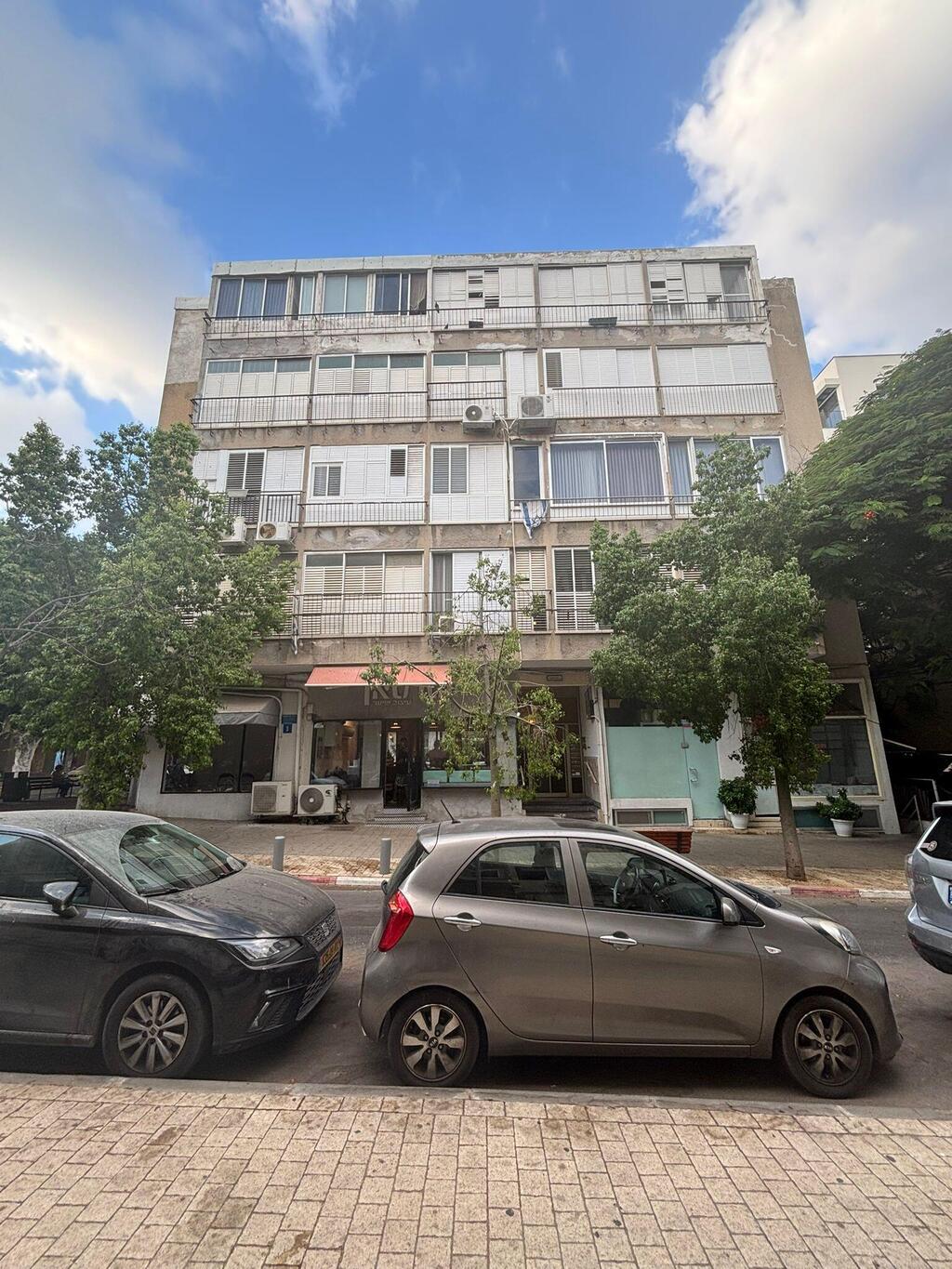
(Photo: Noah Sander)
And while delays do happen in the industry, the disruption after October 7th did temporarily impact Israel’s construction sector. Since then, most major developers have stabilized their delivery schedules, hiring new workers and pushing projects forward. In addition, developers are obligated to adhere to clear timelines, and when delays occur, they must compensate buyers with financial penalties as stipulated by law and the sales contract.
The advantages of second-hand apartments
On the other side of the spectrum, second-hand properties offer immediate certainty. You can walk into a property, see it with your own eyes, and move in right away. There is no waiting two or three years for completion, and no uncertainty about what the finished product will look like. Buyers can also bring in inspectors and appraisers before signing, ensuring that everything is in working order.
Perhaps the most overlooked benefit of older second-hand properties is the potential upside of urban renewal. Many outdated buildings in Tel Aviv and surrounding cities are primed for new build projects, in Israel known as Tama 38 or Pinui Binui. In such cases, a developer will either tear down an old structure/s and rebuild a new building entirely, or take an existing building, enforce and enhance it, and build several new floors of apartments for profit.
Depending on the project, existing owners will often receive brand new modern apartments, sometimes larger and with additional features such as balconies and parking spaces, without spending a shekel. If that doesn’t sound like a good enough deal, developers will typically also cover the tenants’ rent during the construction phase.
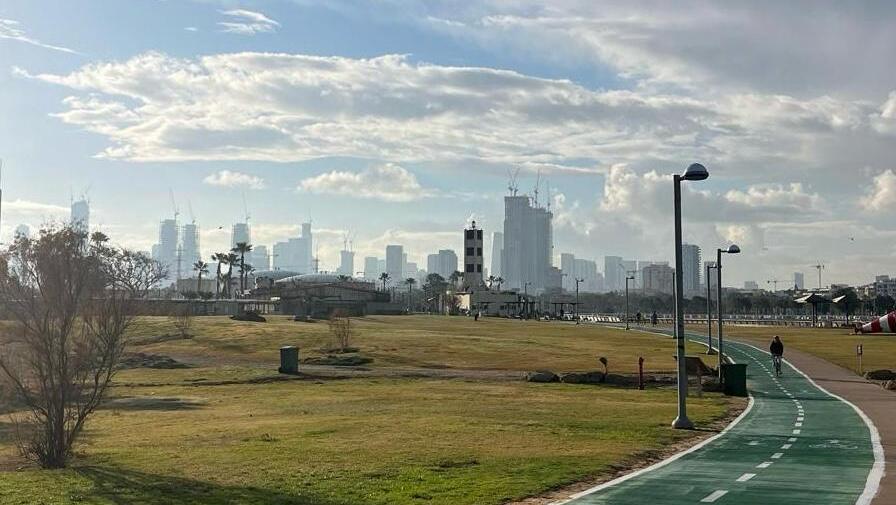
(Photo: Noah Sander)
With the right due diligence, particularly regarding zoning and future development plans, buyers who are patient and willing to purchase in older buildings can often realize significant gains. I personally have worked with clients who bought apartments in such buildings, only to call me months later with the news that an urban renewal project had been advanced in their building. Practically overnight, they were positioned to receive upgrades worth hundreds of thousands, sometimes over a million shekels, once the redevelopment was complete.
The risks of buying second-hand
Of course, not every second-hand purchase is a sure win. Existing properties in modern buildings are a safe bet and typically don’t come with much risk, but some properties in older buildings can have poorly maintained common areas, compounded with residents who are not proactive about doing anything about it. Renovations can also be costly, particularly when dealing with outdated plumbing and older infrastructure.
That being said, for buyers who value immediate use and the possibility of long-term value growth through steady appreciation, second-hand apartments remain an attractive option.
Which path is right for you?
Ultimately, the choice comes down to your needs and circumstances. If you value modern living, secure payment structures, warranties, and can afford to wait, new construction offers peace of mind and the chance to buy into Israel’s future skyline. If you want a home right now, or you see potential in future urban renewal, second-hand may deliver both lifestyle benefits and financial upside.
Both routes can be excellent investments. I’ve worked with countless clients who have bought in both second-hand properties and new developments. The key is to define your goals clearly, and from there, find you the most suitable options with as much insight as possible. Ultimately, my goal is to give clients the clarity they need to make an informed decision, while knowing they planted roots in Israel with confidence.
Noah Sander is a Canadian-born real estate agent based in Tel Aviv, specializing in helping international buyers and new olim navigate the Israeli property market. For inquiries: [email protected], his brokerage: Daon Group Real Estate