

As I speak with more and more clients looking to purchase in central Israel, close to the beach, but struggling to find the right fit in Tel Aviv, I often point them to a city just 15 minutes south, that surprisingly, many have never visited or even considered: Bat Yam. This coastal city is in the midst of a quiet but powerful transformation, one that is reshaping it into one of central Israel’s most attractive destinations for investors, young families and new immigrants alike.
With direct light rail access, sweeping urban renewal projects and some of the most beautiful beaches in the region, Bat Yam is no longer simply adjacent to Tel Aviv - it is steadily becoming an extension of it.
City with history
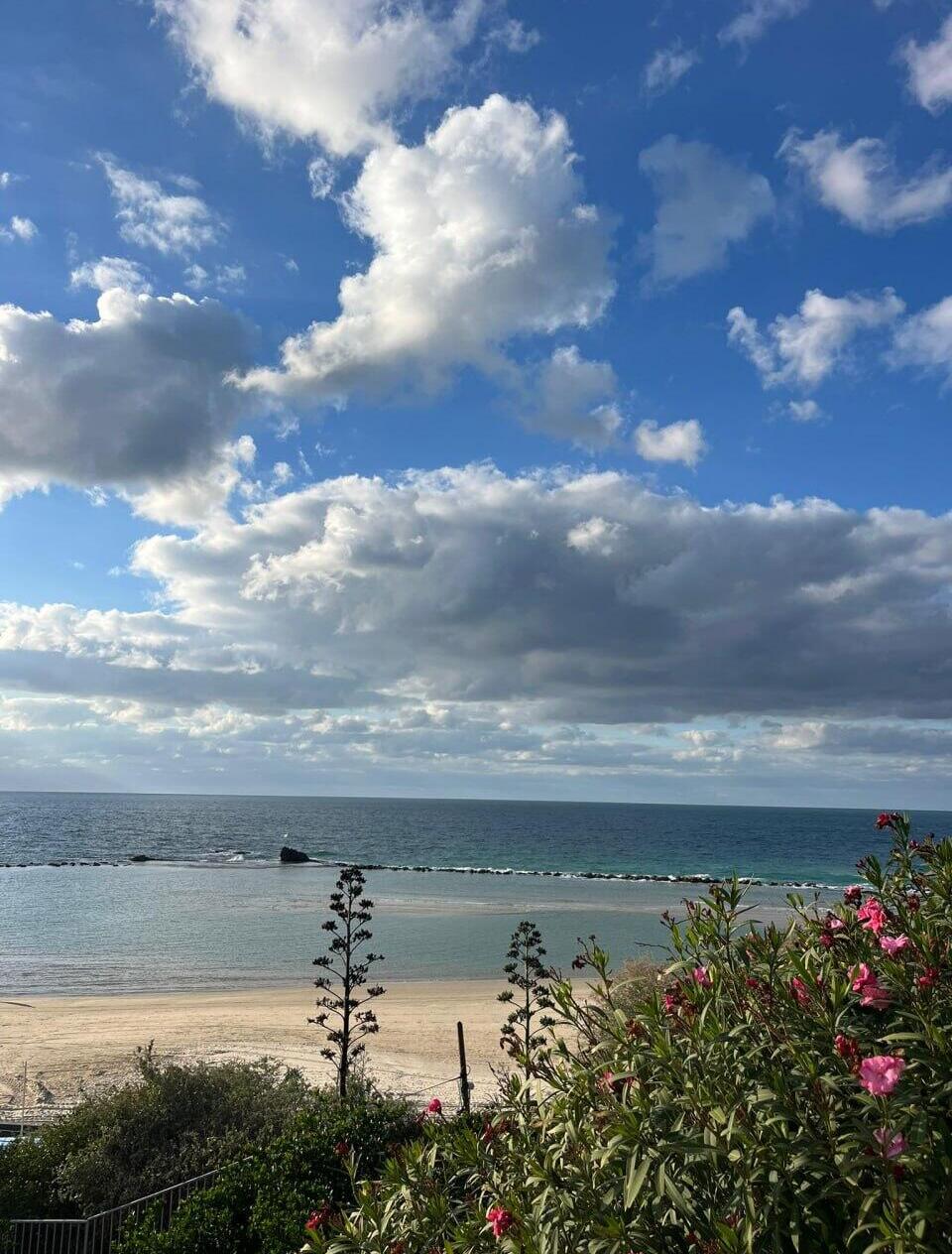
Bat Yam’s rise didn’t begin overnight. The city was first established in 1926, when 11 Jewish families settled south of Jaffa and founded a small homestead known as Bait V’Gan (“House and Garden”). After being abandoned during the 1929 Arab riots, the area was resettled in the early 1930s and officially renamed Bat Yam, which translates to “Daughter of the Sea”, in 1937.
Following the establishment of the State of Israel, Bat Yam absorbed large waves of immigration and grew rapidly, earning city status in 1958. Over the decades, the city became home to diverse communities, including many Yemenite families and later immigrants from the former Soviet Union. These demographics that are still very much part of the city’s fabric today.
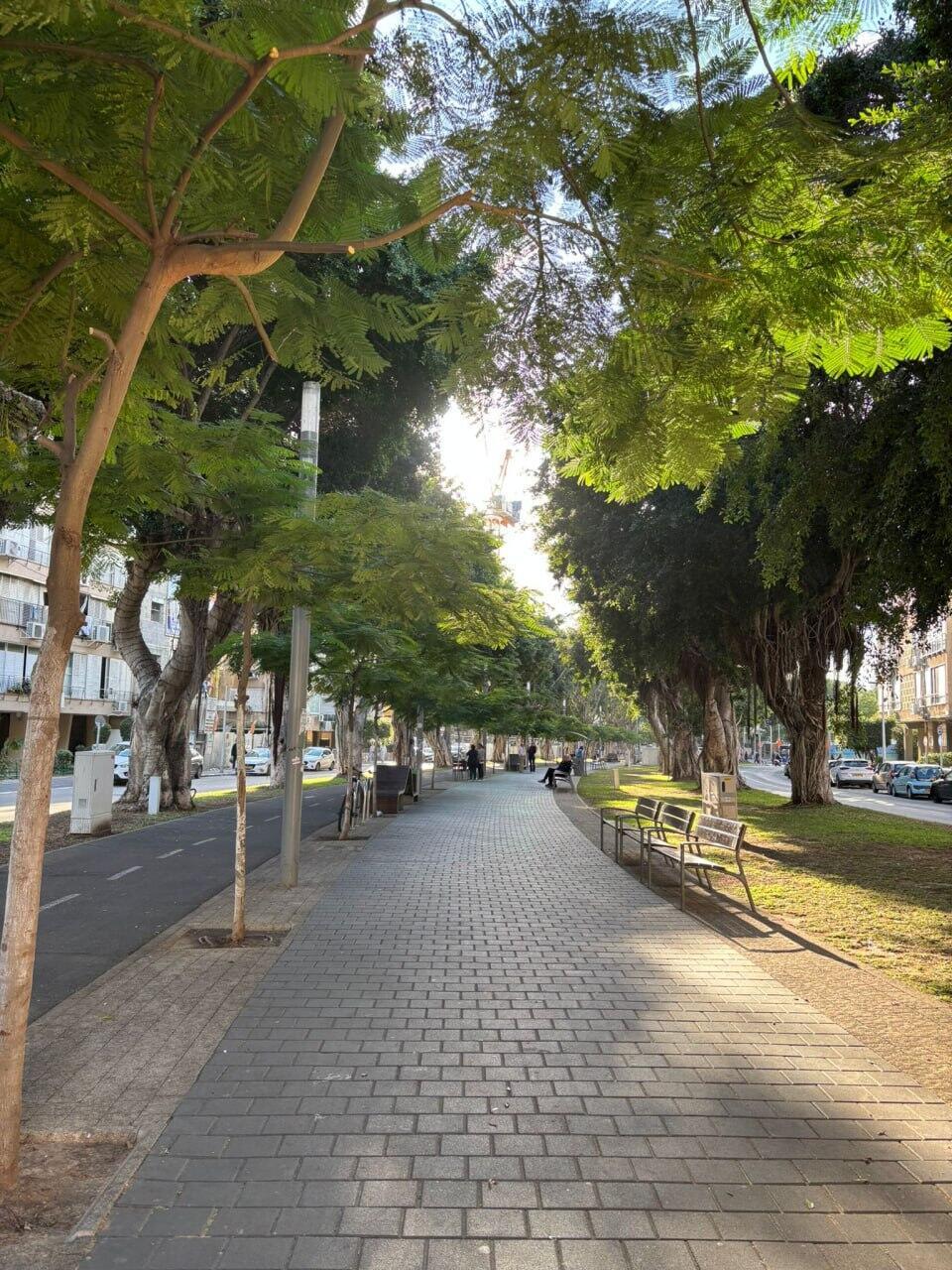
Bat Yam
(Photo: Noah Sander)
Today, Bat Yam is Israel’s 12th-largest city, with a population of roughly 130,000 residents. It is part of the Gush Dan metropolitan area and sits directly on the Mediterranean coast. While long known as a seaside city, Bat Yam’s economy is rooted in industry, commerce and local business, and in recent years it has increasingly attracted many local and foreign investors, immigrants and younger Israeli families seeking a quieter, more affordable lifestyle than Tel Aviv- all the without sacrificing central access.
Location, location and connectivity
Geographically, Bat Yam has always had an advantage: it is the first coastal city immediately south of Tel Aviv–Yafo. What has changed is accessibility.
The light rail has been a true game changer. With the Red Line already in operation and additional lines on the way, Bat Yam is now roughly 15 minutes from central Tel Aviv by rail- often faster than crossing Tel Aviv itself by car. Add to that a continuous bike and scooter path connecting the two cities, two train stations with nationwide access and close proximity to Ben Gurion Airport, and Bat Yam suddenly feels far more connected than its price point suggests.
This improved connectivity isn’t just about convenience; it’s fundamentally reshaping buyer behavior. People who once felt they had to live in Tel Aviv are increasingly realizing they can live in Bat Yam, enjoy the same urban access and coastline and do so at a significantly lower cost of entry.
Beaches, lifestyle and slower pace
One of Bat Yam’s most underrated assets is its coastline. Many locals, myself included, would argue that Bat Yam’s beaches are among the nicest in central Israel. They are wider, less crowded and noticeably more relaxed than many of Tel Aviv’s busiest stretches.
The lifestyle reflects that difference. Bat Yam offers a quieter, more family-oriented, and community-driven atmosphere. In recent years, the city has made serious strides in improving its education system, and today several of its schools are part of the Darca network — one of Israel’s leading high-school networks. The city feels safe, there is a strong sense of local pride, and its promenades, parks and neighborhood centers create a livable, welcoming environment. No matter what the purchase goal is, those seeking coastal living without Tel Aviv’s intensity, Bat Yam has become an increasingly compelling alternative.
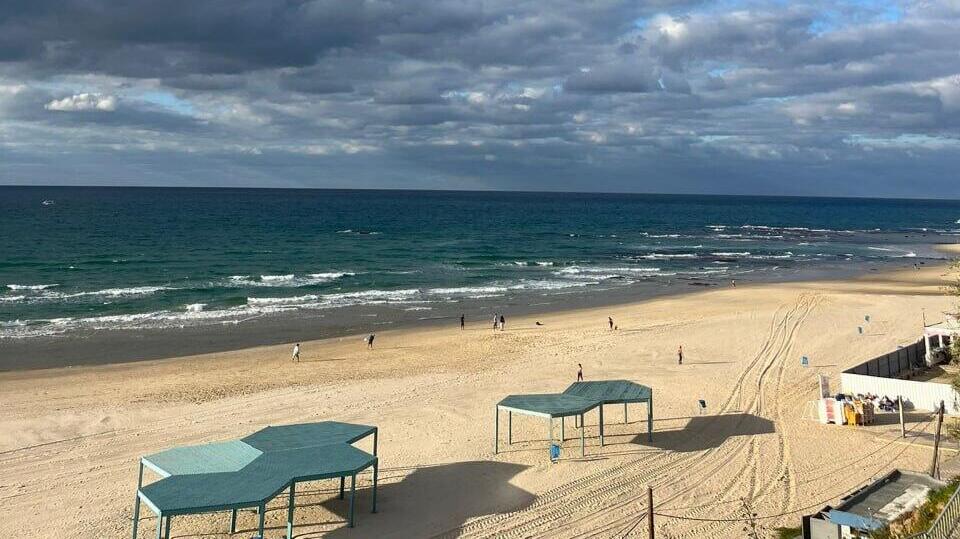
(Photo: Noah Sander)
Urban renewal: the engine of growth
Perhaps the biggest driver behind Bat Yam’s transformation is urban renewal. Walk through the city today and you’ll see a mix of newly completed boutique buildings and high-rise towers, projects currently under construction and many older buildings that are clearly next in line. At this point, there is hardly a major developer in Israel that isn’t already building in Bat Yam or actively preparing to break ground.
From an investment perspective, this is where Bat Yam truly stands out. Much of the city’s existing housing stock consists of older, low-rise buildings that are prime candidates for redevelopment. Buyers who purchase in these buildings often find themselves approached by developers down the line, offering brand-new apartments, sometimes with additional square meters, balconies, parking and a mamad - depending on the scope of the project.
This combination of relatively accessible entry prices and long-term upside has positioned Bat Yam as one of the most compelling urban renewal markets in central Israel today.
Price gap that still makes sense - for now
Even today, new construction in Bat Yam can often be purchased for less than half the price of comparable new builds in Tel Aviv - despite being just minutes away. I believe with time, that gap will close significantly.
As demographics shift, infrastructure improves, and Tel Aviv continues to spill south, Bat Yam’s prices are likely to continue climbing. It may never fully “catch” Tel Aviv in absolute terms, but the direction is clear: demand is rising, and value is being rediscovered.
Who is Bat Yam right for?
Bat Yam is increasingly attracting a wide range of buyers. Investors see long-term appreciation potential. Young Israeli families see an opportunity to own near the coast. New immigrants find a welcoming city where their budgets stretch further. Even buyers who originally set their sights on Tel Aviv and were ultimately priced out, are discovering that Bat Yam offers significantly more space and comfort for the money.
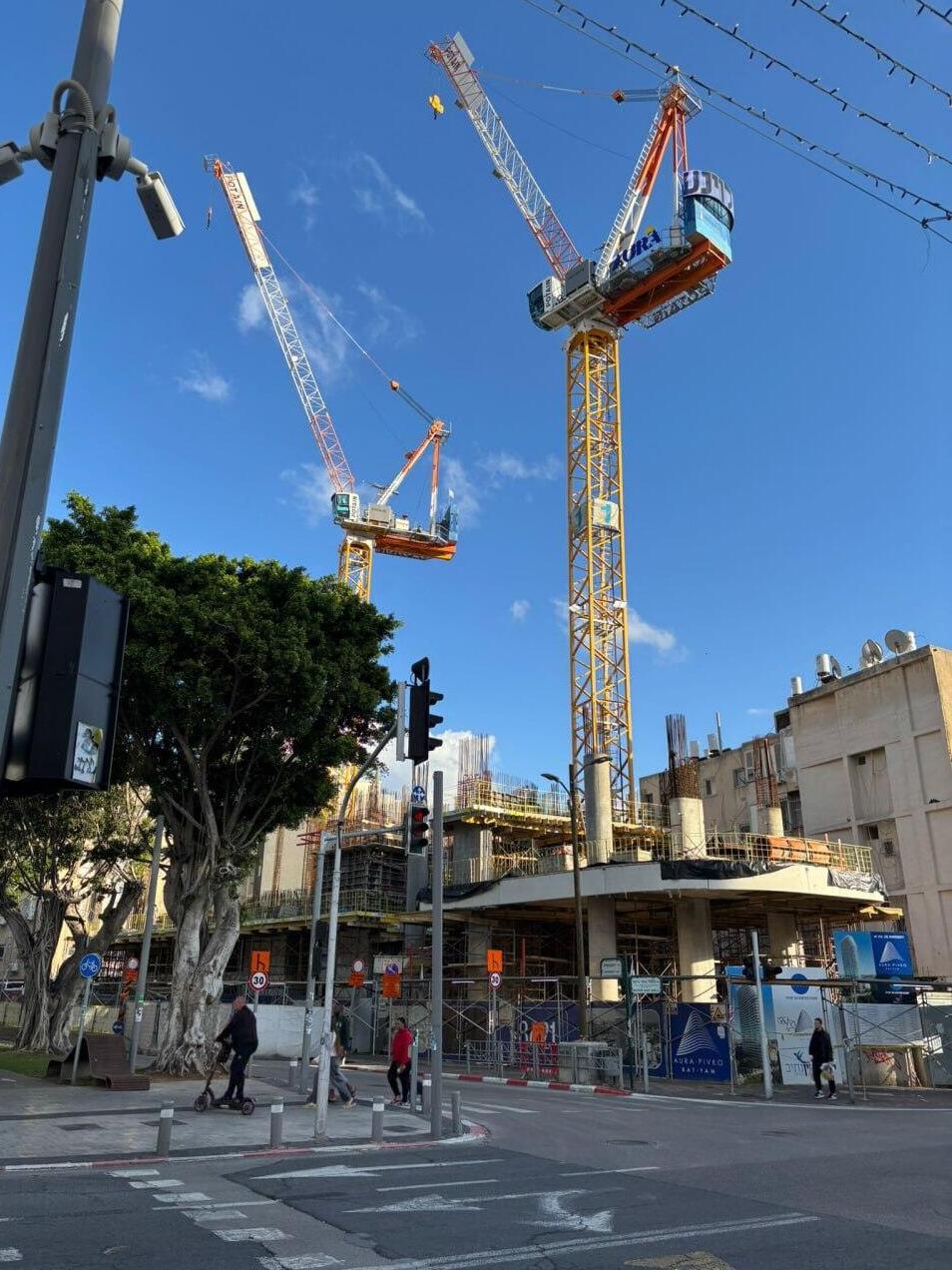
(Photo: Noah Sander)
That said, Bat Yam is a city in transition. Its character today is still very different from Tel Aviv’s, and walking its streets you can clearly see elements of what the city once was. But it’s equally undeniable that Bat Yam is heading in a new direction: one defined by growth, investment and modernization.
While longtime residents may not love being labeled “Tel Aviv’s suburb,” the reality is more nuanced. Bat Yam is becoming part of a larger urban ecosystem, closely connected to Tel Aviv yet developing its own identity, rhythm and charm.
Looking ahead
Over the next decade, Bat Yam is poised for a significant evolution. More culture, more development, and more energy will naturally follow as the city continues to integrate into greater Tel Aviv. What was once overlooked is now being recognized as one of the last true opportunities for affordable coastal living in the center of the country.
Bat Yam is no longer just Tel Aviv’s neighbor. It’s becoming one of the most interesting real estate stories in Israel.
Noah Sander is a Canadian-born real estate agent based in Tel Aviv, specializing in helping international buyers and new olim navigate the Israeli property market. For inquiries: [email protected], his brokerage: Daon Group Real Estate