


If you have ever scrolled through Pinterest or Instagram, spotted the perfect linen towel, unusual botanical vase or elegant serving dish, and then discovered that the brand is not sold in Israel, you are far from alone.
Israeli consumers are increasingly unwilling to limit themselves to what is available on local shelves. That is true for fashion and gadgets, and it is increasingly true for home decor as well.
Gallery
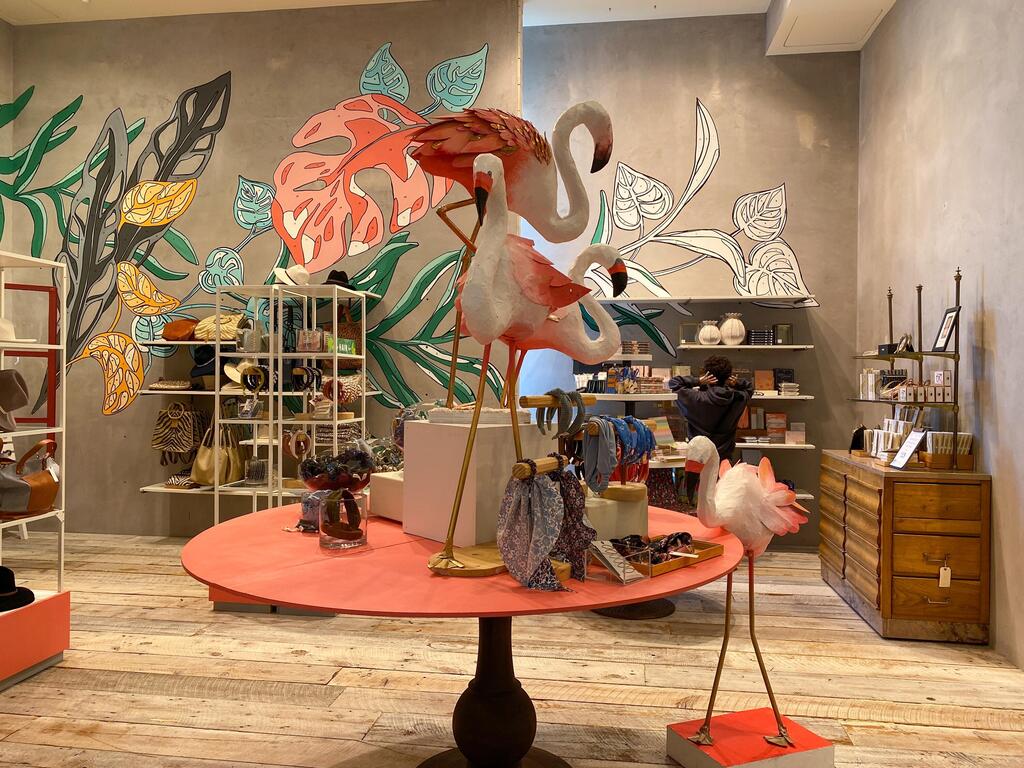
Anthropologie Home. You could have one of their pieces in your home within a few weeks
(Photo: Joni Hanebutt, shutterstock)
The good news is that a growing range of international retailers can now be accessed through package-forwarding services, giving Israeli shoppers access to exclusive collections, seasonal sales and products that otherwise never reach the local market.
The home decor chains worth knowing
Interior designers and lifestyle enthusiasts already know that some of the most tempting finds are hidden on the international websites of major U.S. and European retailers. Among the names worth knowing:
Williams Sonoma is a dream destination for cooking and entertaining enthusiasts. The American retailer specializes in professional kitchenware, high-quality pots and pans, serving pieces, coffee machines and premium entertaining accessories, including seasonal collections for Halloween, Thanksgiving and Christmas.
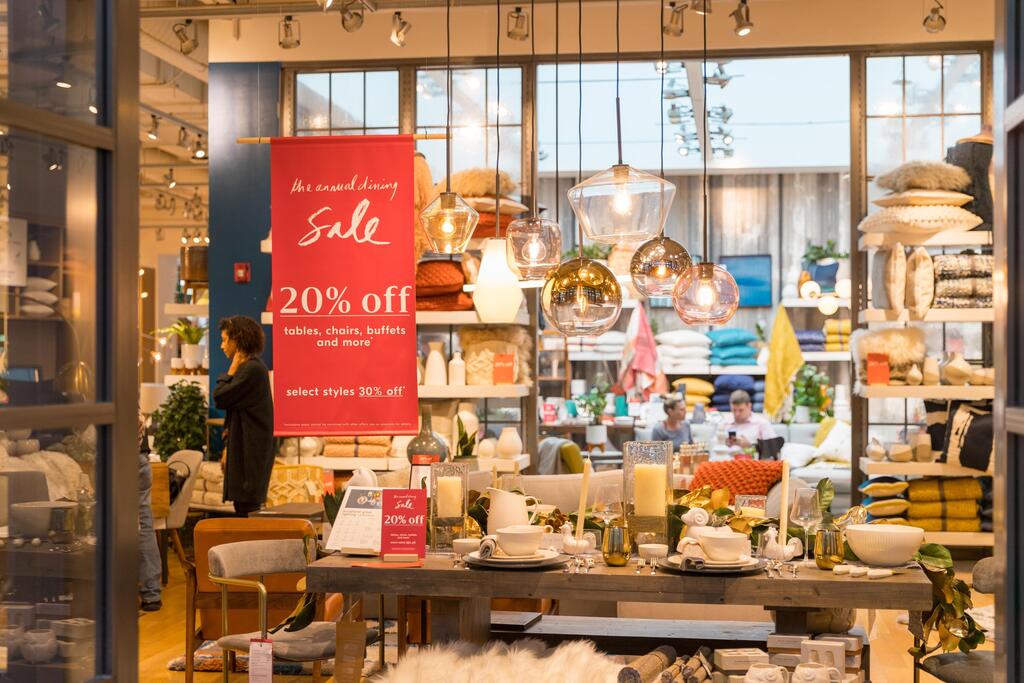
Williams Sonoma
(Photo: Helen89, shutterstock)
West Elm is a major destination for contemporary furniture and home accessories, with mirrors, lighting, decorative cushions, textiles and tableware in a polished, trend-conscious style.
Crate & Barrel and its younger, more modern sister brand CB2 are among the best-known U.S. home retailers. Crate & Barrel specializes in furniture, textiles, kitchenware and home accessories with a modern-classic aesthetic, while CB2 is aimed at a younger audience with a more urban, bold and minimalist look.
Target has become a favorite among design-conscious shoppers thanks in part to collaborations with prominent interior designers, including Studio McGee, bringing contemporary looks to a more accessible price point.
Anthropologie Home briefly operated in Israel before disappearing from the local market. Fans of its eclectic boho-chic aesthetic can still find distinctive vases, decorative handles, luxurious bedding, scented candles, mobiles and art-like decorative pieces online.
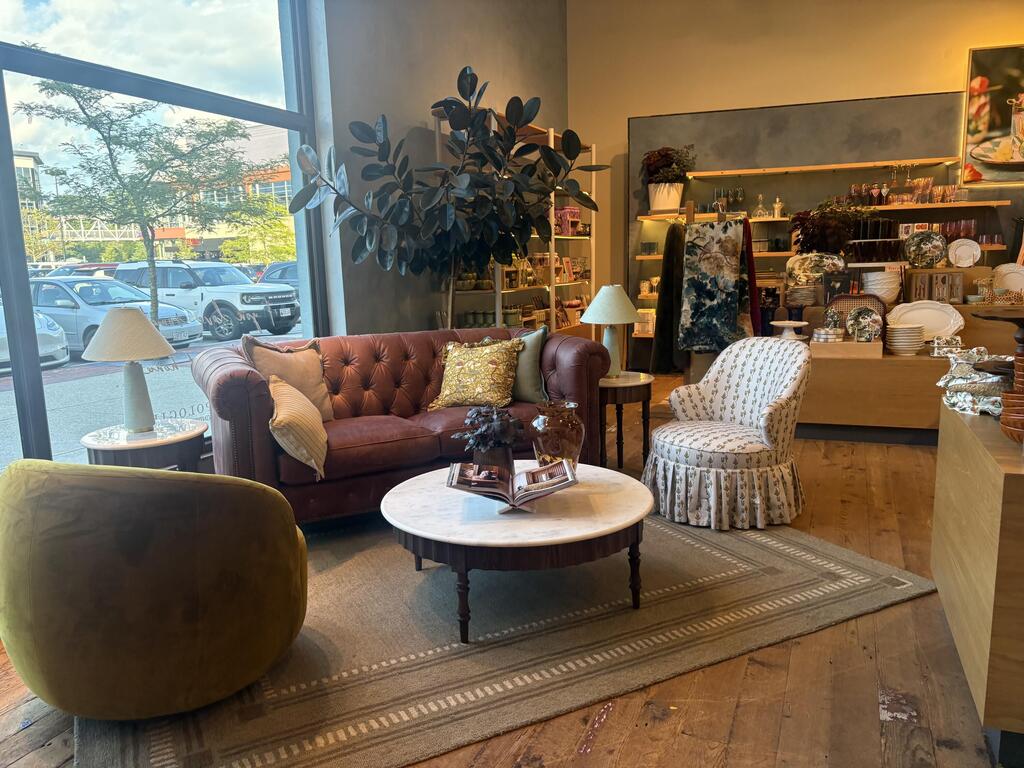
Anthropologie Home, USA
(Photo: Yulia Prilik Niv)
Dille & Kamille, a Dutch brand with a distinctly Nordic feel, focuses on products made from natural materials such as wood, linen, glass and ceramics. Its range includes storage solutions, kitchenware and gardening accessories in a rustic Scandinavian style.
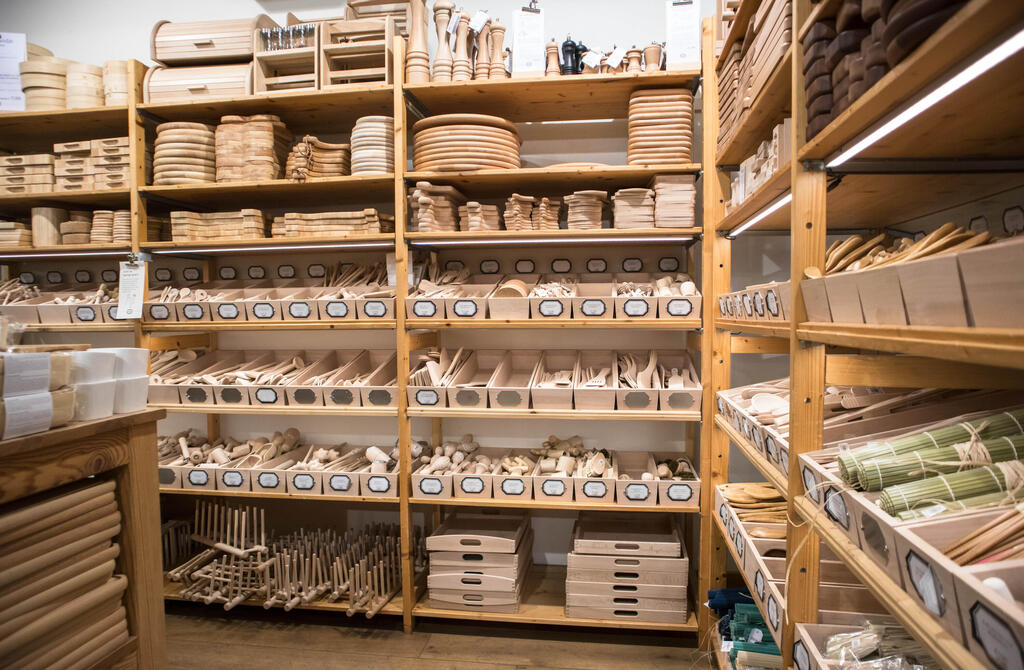
Dille & Kamille
(Photo: ML Robinson, Shutterstock)
Zara Home already operates in Israel, but the brand’s Dutch and U.S. sites often carry a much wider selection than local stores, including bedding, towels, scented candles, tableware and seasonal accessories. The same is true of H&M Home, whose Israeli presence is more limited than its international offering.
Marshalls and TJ Maxx appeal to shoppers willing to hunt for bargains. The off-price chains sell everything from home textiles and baskets to planters and branded decor, often at significant discounts.
For contemporary Scandinavian design, brands such as Hay, Muuto and Bolia offer premium Danish and Norwegian furniture and accessories characterized by restrained colors, natural materials and clean minimalist lines.
French retailer Maisons du Monde covers a much broader range of styles, from rustic Provence-inspired interiors to industrial urban design, with collections organized by theme both online and in stores.
Søstrene Grene offers affordable Nordic lifestyle and decor products with a minimalist Danish aesthetic, soft pastel shades and an emphasis on small wood and textile items for the home.
“In recent years, home design has become one of the fastest-growing areas of online shopping. Israeli consumers are no longer satisfied with what is available on local shelves. The ability to order directly from the United States and Europe opens up a much broader and higher-quality selection,” said Nimrod Magidov, CEO of shipping company RedBox Parcel, which offers overseas purchasing and forwarding services to Israel.
According to Magidov, summer is particularly busy because of the approaching Jewish high holidays, the back-to-school period and the moving season. Anyone browsing international home decor sites at this time of year will also notice retailers already turning toward Halloween collections and products for student rooms ahead of the new academic year.
Step by step: How to order home decor from abroad
1. Register and receive an overseas address
Sign up with a forwarding company such as RedBox Parcel, ShipTanBul, USHOPS, MyUS or a similar service. Customers are typically given a personal shipping address in the United States or Europe.
2. Fill your shopping cart
Shop on the international website of one or more retailers and add the products you want. It is important to choose retailers that offer home or standard delivery rather than orders limited to store pickup or pickup points.
3. Enter your forwarding address
At checkout, use the personal address supplied by the forwarding company. In practice, this is usually the address of one of its overseas warehouses. One useful tip is to mark the destination as a business address when possible, helping ensure delivery during warehouse operating hours.
4. Consolidate packages and ship them to Israel
Once the parcel reaches the overseas warehouse, the customer receives an email update. Many forwarding companies allow several purchases from different retailers to be consolidated into one shipment, potentially reducing costs. The customer then pays for international delivery and can track the package to Israel. The process is not immediate. Delivery can take at least several weeks.
What to know before ordering
Size, weight and what to order: Shipping-forwarding services are generally designed for packages weighing up to 20 kilograms and measuring up to 60 by 40 centimeters, meaning they are not suitable for heavy furniture such as sofas, tables or large rugs.
Items better suited to this kind of service include bedding, towels, tablecloths and runners, decorative cushions, small rugs, serving ware, dishes, vases, cutlery, posters, artwork, ornaments, mobiles and decorative candles.
Fragile items carry an obvious risk. Mirrors, ceramics, plates and glass vases can break in transit, and shipping companies generally do not assume responsibility for breakage unless the customer purchases special contents insurance or pays for reinforced packaging.
Check electrical compatibility. Anyone ordering lamps or small electrical products from the United States should check whether the item is compatible with Israel’s 220-volt electrical system. Some fixtures can be adapted locally by replacing sockets or bulbs. European products are generally more likely to be compatible with Israeli voltage standards.
Calculating costs and reducing package volume (Repacking): Shipping costs are calculated based on either the package’s actual weight or its volumetric weight (height × width × length divided by 5,000), whichever is higher.
According to Magidov, RedBox offers a repacking service that reduces parcel volume before shipment to Israel, which can lower shipping costs substantially. He said customers can also estimate the total price, including taxes, using an online calculator before completing the shipment.
He adds that customers can also consult with the various services about which products are permitted for import. Shipping prices start at $19 for a 250-gram parcel and rise to $170 for a 20-kilogram package.
When stores block freight forwarding addresses
Some retailers automatically cancel orders sent to addresses identified as belonging to international freight forwarders. One way to reduce the risk is to enter the forwarding address exactly as provided, without adding words such as “freight” or “warehouse” to the recipient field, and to pay through PayPal or an international credit card.
If the retailer still cancels the order, some forwarding companies offer “Buy for Me” or personal-shopper services, in which a local representative purchases on the customer’s behalf before forwarding it to Israel.
Expect longer delivery times
Forwarded purchases first travel to a warehouse abroad, where they must be received, processed and priced before being shipped onward to Israel. That means delivery usually takes longer than direct international shipping.
The tradeoff is access to retailers and outlets that may not otherwise serve Israel, along with overseas sales, coupons and membership benefits.
Read the fine print before ordering
Import taxes can significantly change whether a purchase is worthwhile. Israel’s exemption threshold for customs and VAT stands at $75 for the value of the products themselves, excluding local shipping costs within the country of purchase. The same rules apply when a forwarding service is used.
Some categories may also be subject to purchase tax, depending on the product (for example, most car spare parts are subject to purchase tax). The exemption does not apply to tobacco products, alcohol, alcoholic beverages or electronic cigarettes, and additional charges may apply depending on the classification of the goods.
Before placing an order, shoppers are advised to read the forwarding company’s FAQ and import guidelines carefully, calculate the full cost and make sure the purchase still makes financial sense once shipping and taxes are included.