

Over the past few weeks, one phrase has come up repeatedly in conversations with buyers from abroad: “We think we’ll wait until things calm down.” On the surface, it sounds logical. There is uncertainty. There is a war. People are moving in and out of bomb shelters, and the headlines are intense. Waiting feels like the responsible thing to do.
In this article, I am not here to tell you how to spend your money, but to offer a different perspective. I would argue that waiting right now may be the exact opposite of what many buyers should be doing. To understand why, it is worth digging deeper into the psychology behind that statement.
What exactly are you waiting for?
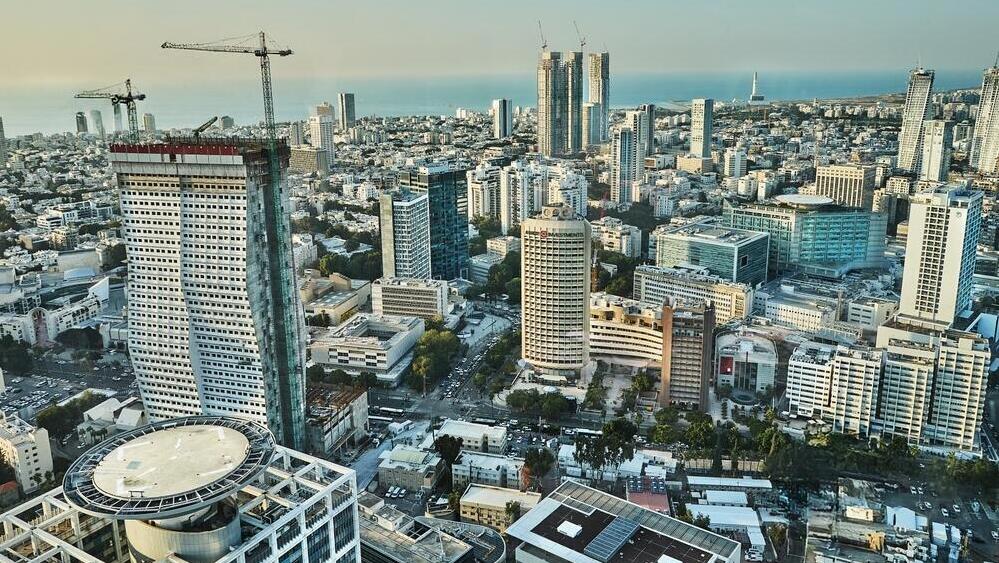
The illusion of clarity
In theory, waiting is about gaining clarity. You wait for things to stabilize, for the situation to improve, for the unknowns to disappear. But in Israel, clarity rarely arrives in a clean or predictable way. There is always something happening, whether geopolitical, economic or social, and yet over time, the broader direction has remained consistent.
The country moves forward. This time is no different. That raises a different question: are you waiting for clarity, or are you waiting to feel comfortable?
What waiting might really mean
For buyers who have already decided to purchase in Israel but are temporarily holding off, “waiting” is often not about logistics or timing. It is about perception. In some cases, even if it is not said out loud, there may be a deeper thought underneath it: “Let’s make sure Israel comes through this.”
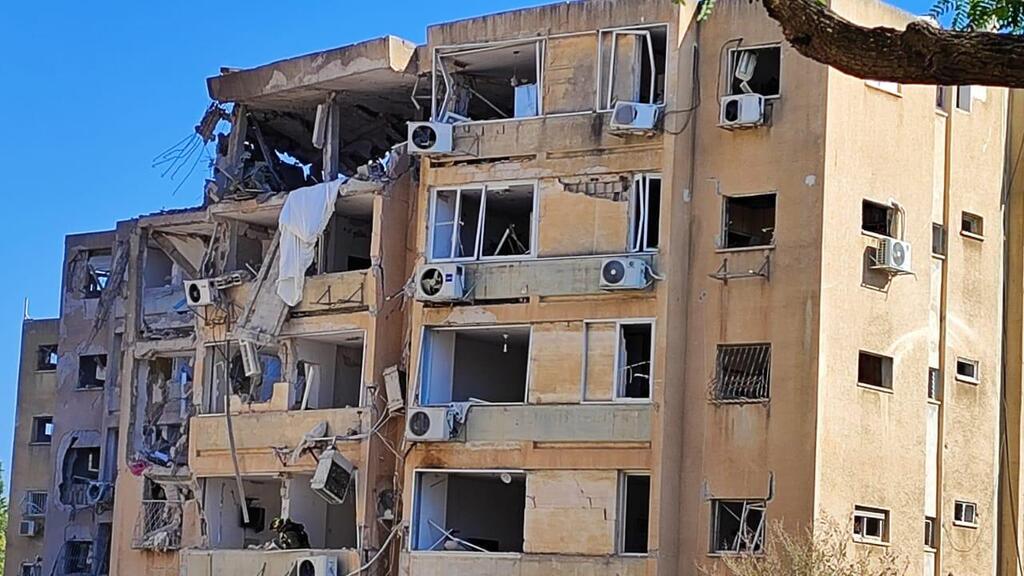
A building slated for urban renewal that was hit by an Iranian missile
(Photo: Gal Castel Oron)
Distance, headlines and social media can create the impression that the country is on the brink of something far worse than reality. That is an important moment to pause. If that thinking exists, even subconsciously, then the decision is no longer about timing the market. It is about how you view the long-term trajectory of the country.
It is natural to feel this way, especially during periods of escalation, but it is not aligned with the reality on the ground. After October 7, I heard something remarkable from many Jews who came to Israel during the war. Almost all of them said the same thing: “It’s the first time since the war started that I actually feel safe.”
That is not a contradiction. It reflects what Israel represents.
This is a country that has proven, time and again, that it is not going anywhere. If anything, recent events have reinforced how strong its foundations are, even more than many of us may have expected. I write this with conviction, not as theory, but based on what I see and experience every day.
The reality of timing
The irony is that the moments when people feel most comfortable buying are often not the most advantageous ones. When everything feels calm, competition increases, demand rises and negotiation power decreases.
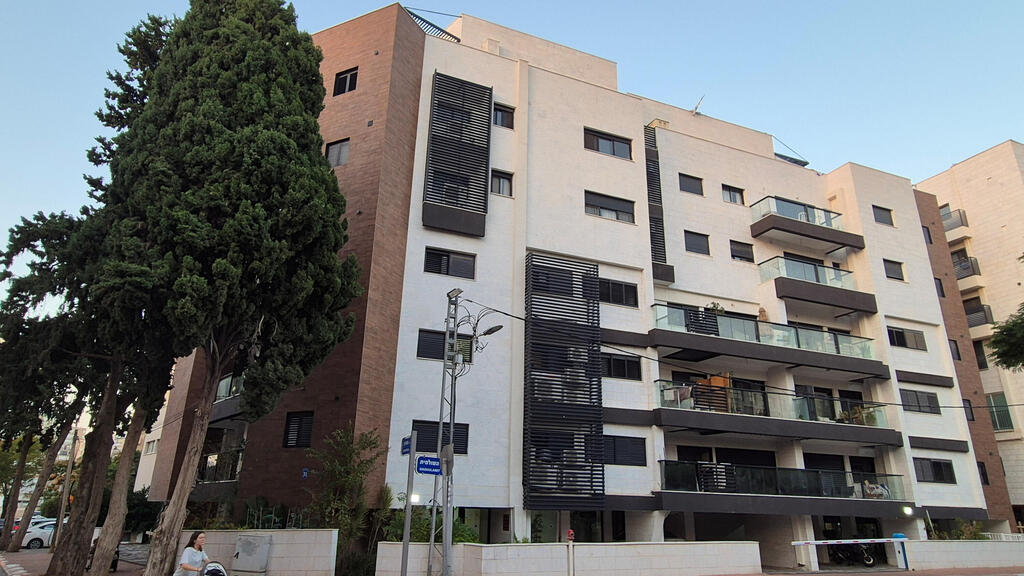
Herzliya
(Photo: Orel Cohen)
By contrast, periods of perceived uncertainty tend to look very different. Fewer buyers are active. Sellers and developers are more flexible. Decisions can be made without the same level of pressure.
That does not mean rushing into a purchase, but it does mean understanding that waiting has a real cost. In many cases, waiting for the “storm to pass” results in paying more, not less.
A familiar pattern
There is also a broader pattern that extends beyond real estate.
When COVID-19 lockdowns hit, markets around the world reacted sharply. Major blue-chip stocks dropped 20% to 30%, sometimes more, almost overnight. At the time, the uncertainty was overwhelming. Businesses were closing, economies were on pause and no one knew what would come next.
Some investors stepped in, not because the situation felt comfortable, but because they believed in the long-term direction. Others chose to wait. When the uncertainty passed, those same assets did not just recover; they reached new highs. Those who waited for clarity often found themselves buying at significantly higher prices.
The pattern is not identical, but the psychology is.
Moments of uncertainty tend to create opportunity, not because things are easy, but because fewer people are willing to act. In many ways, Israel today presents a similar moment. But this is not just a market. It is something you are connected to and something you have a stake in.
A better question
Instead of asking, “Should we wait until things calm down?” a more useful question might be: What are we actually trying to avoid? Is there a concern, even if not fully conscious, about how Israel emerges from this?
If the underlying reason for buying is still valid, whether it is aliyah, long-term investment or establishing a foothold in Israel, then the timing question becomes less about external conditions and more about internal clarity.
From a market perspective, timing may be more favorable than many realize. It has been a buyer’s market for some time. During periods of escalation like the current one, purchasing power often strengthens. The market is quieter, sellers are more flexible and developers are more motivated to close deals.
Final thoughts
Waiting is not inherently a mistake. In some cases, it may be the right decision.
But it is important to understand why you are waiting. It is easy to get caught up in the noise. In moments like these, it is worth stepping back, reassessing what is shaping your decision and moving forward with clarity.
Real estate decisions in Israel have rarely been made under perfect conditions. For many buyers, the question is not whether uncertainty exists. It is whether they are willing to move forward despite it, with clarity, intention and a long-term view.
There is a phrase in Hebrew, “Davka Achshav.” In certain contexts, it means “now of all times.” That is the mindset worth considering in the current moment. In Israel, the times that feel most normal are often the times when the best opportunities have already passed.
Noah Sander is a Canadian-born real estate professional based in Tel Aviv and founder of ZionistInvestor.com, an AI-powered platform helping international buyers and new olim navigate the Israeli property market.
First published: 16:46, 03.27.26