

Sometimes, for international buyers and new olim arriving in Israel, the initial plan can sound something like this: “Maybe we should rent for a while, get to know the areas, and then we’ll decide where to buy.” On the surface, it’s a logical approach. It removes the initial pressure, allows time to adjust, and reduces the risk of making a decision too quickly in an unfamiliar market.
But in cities like Tel Aviv, where rental prices are high and the market continues to evolve, that decision comes with trade-offs that are worth understanding from the outset.
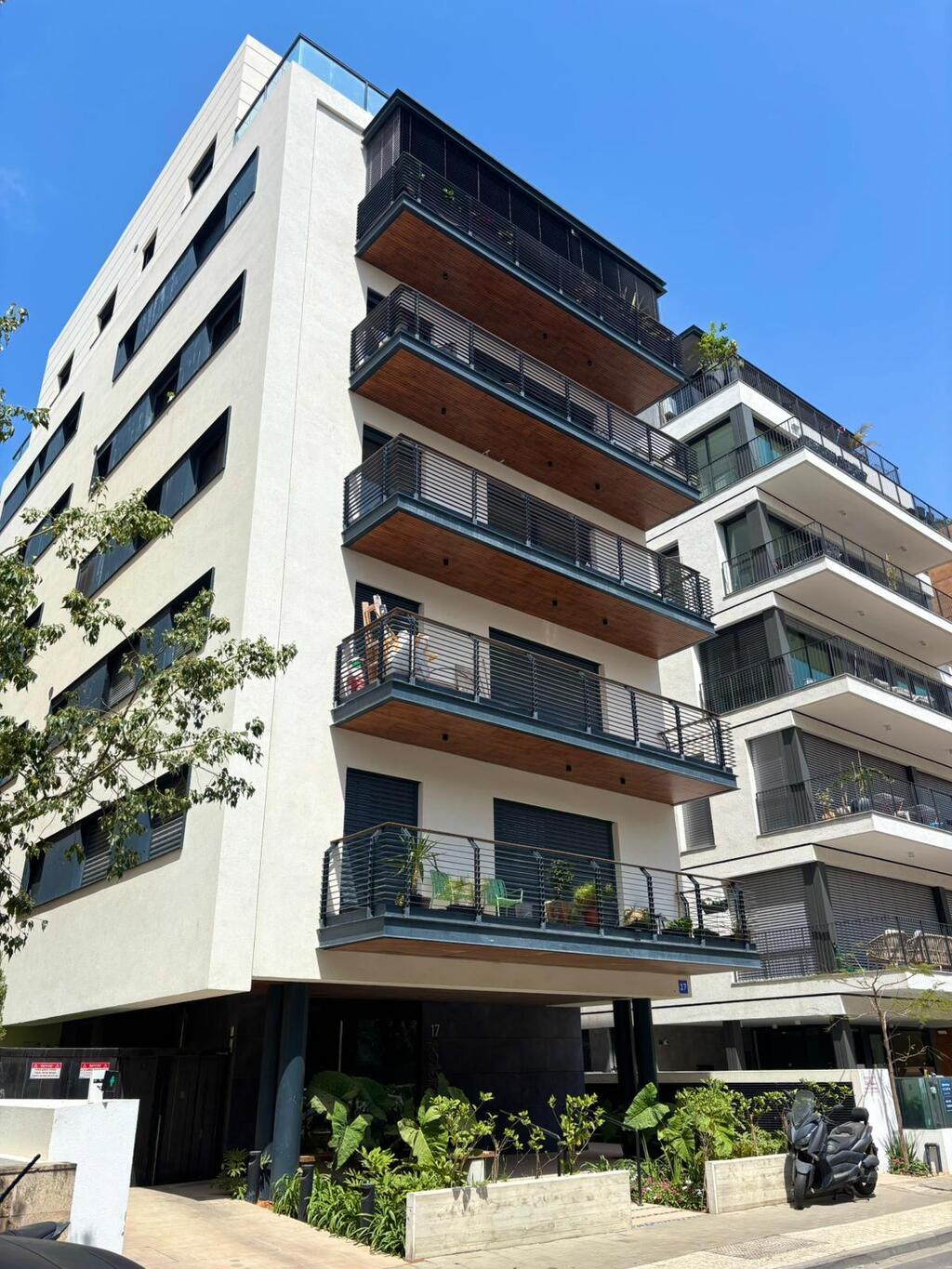
In my experience, buyers dealing with this kind of indecision tend to fall into two distinct categories: those who are unsure whether to buy, and those who are unsure where to buy. While they may sound similar, they’re fundamentally different, and they require very different approaches.
When renting first is the right move
If you’re not familiar with the different cities, neighborhoods, or even the street-level dynamics within them, renting first can be a very smart decision.
Israel, and particularly its central areas, is highly nuanced. Two neighborhoods that look similar on a map can feel completely different in reality. Even within the same neighborhood, the experience can change significantly from one street to the next.
I’ve experienced this personally. After moving just a few hundred meters from my previous apartment, parts of my day-to-day shifted; places I used to visit frequently were no longer part of my routine, while new spots quickly became the norm. In a city like Tel Aviv, that kind of micro-change can alter how an area feels to live in.
In these cases, renting isn’t hesitation, it’s part of the process.
I’ve seen buyers take this a step further by doing short-term rentals across different areas to truly understand what fits them best. Spending a few weeks in Old North Tel Aviv, then moving to Kerem HaTeimanim, and then perhaps trying Neve Tzedek or the Rothschild Boulevard area.
It’s not the most cost-efficient approach, but it provides something that’s hard to replicate any other way: real-life context.
The cost side of the equation
At the same time, it’s important to recognize what renting costs - not just month to month, but over time.
In Tel Aviv, a well-located two-bedroom apartment in a good neighborhood typically runs between 10,000 and 15,000 shekels per month, often more. Over twelve months, that's 120,000 to 180,000 shekels - none of which goes toward equity, and all of which accumulates while the market keeps moving.
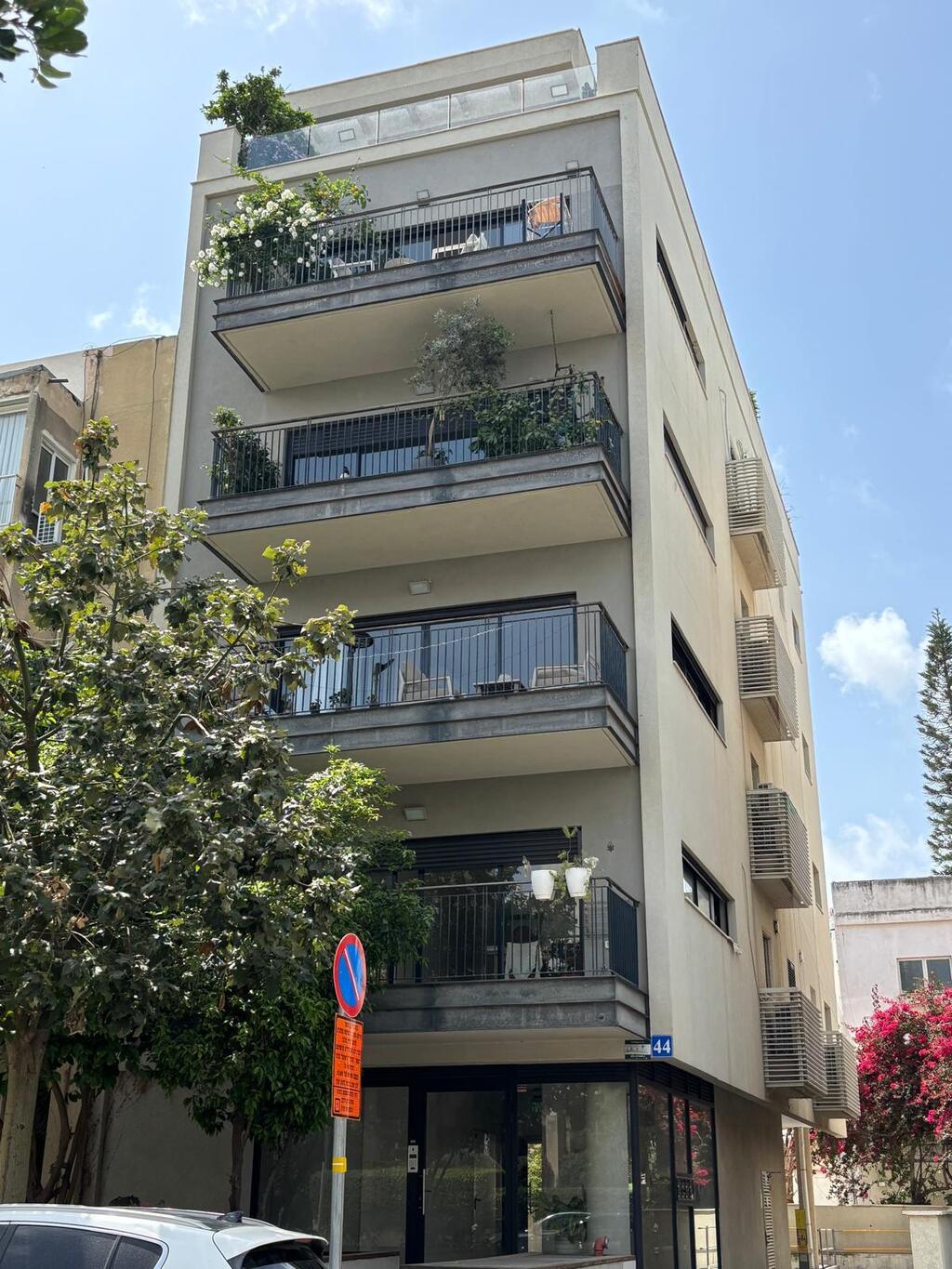
Hesitation comes with a cost
(Photo: Noah Sander)
That last point matters. Israeli real estate, particularly in central areas, has shown consistent long-term appreciation. A buyer who spends a year renting while "getting ready" may find that the entry point they were waiting for has already passed, and that the cost of hesitation wasn't just the rent they paid, but the appreciation they missed.
This doesn't mean renting is always the wrong decision. But it does raise an honest question: what exactly are you waiting to learn, and is a year of rent the right price to learn it?
For some, that clarity is worth the cost. For others, it can come with a realization later on that the general direction was already clear from the beginning, and the delay ultimately led to a higher entry point into the market.
When renting means clarity and when it doesn’t
There’s an important distinction that often gets overlooked. Some buyers choose to rent because they genuinely don’t know where they want to live yet. They’re unfamiliar with the neighborhoods, still figuring out their lifestyle, and want to avoid making the wrong decision.
In those cases, renting makes the most sense, even at a higher cost. It’s better to spend time getting it right than to buy in an area that doesn’t actually fit your day-to-day life.
But there’s another group of buyers who already have a fairly clear direction. They know they want to be in central areas, they understand their budget, and they can already picture the kind of environment they’re looking for. Yet they still choose to rent first, often because it feels like the “safe” or expected thing to do in the current market.
In many of these cases, the real challenge isn’t a lack of clarity - it’s expectations. Some buyers are looking for a property that ticks every single box. But even at higher price points, some level of compromise is almost always part of the process. The goal is to secure the non-negotiables and remain flexible on the rest.
In these situations, it’s worth pausing and asking whether renting is actually adding clarity, or simply delaying a decision that’s already been made. Because if you’re ready to move and you already know more or less where you want to be, the focus may be better placed on finding the right property, negotiating well, and moving forward, rather than stepping sideways into a rental first.
In many cases, once expectations are properly aligned, the path forward becomes much clearer.
The difference between visiting and living
Another point worth raising: there is a difference between experiencing an area as a visitor and living there long-term.
Spending time in a neighborhood, even for a few weeks, can be extremely valuable. But it’s not always the same as understanding what day-to-day life looks like over the course of months or a full year.
Things like routine, accessibility, noise levels, different seasons, and overall lifestyle fit tend to reveal themselves over time.
Living somewhere full-time, or even several months a year, is a different experience from visiting for a short period. I’ve seen this with buyers who spend a couple of weeks in Tel Aviv during the summer, fall in love with the energy, and then consider making the move more permanent based on that experience alone.
Take the area around Shuk HaCarmel as an example. It’s vibrant, lively, and full of character, which is exactly what draws people to it. But living just steps away from that same energy on a daily basis isn’t for everyone.
That’s not a criticism of the area; I’ve worked with many buyers who chose to live there long-term and are very happy. But it highlights an important point: what feels exciting in vacation mode doesn’t always translate the same way into everyday life.
That’s part of the reason some buyers choose to rent first, not just to explore, but to live the experience before committing.
What it comes down to
There isn’t a single correct answer. What makes sense on paper doesn’t always align with how a decision feels in reality, and that’s especially true in real estate, particularly in Israel. Some buyers benefit from taking the time to explore and build confidence through renting. Others are better positioned to move forward earlier, especially if they already have a clear sense of direction. The key is understanding what you’re trying to achieve with the decision.
My role when working with clients is to provide perspective based on experience, helping them learn from others who have been in similar situations, avoid common mistakes, and move forward with confidence, not out of pressure, and not out of fear of getting it wrong.
If renting is giving you real clarity and helping you avoid a mismatch, it’s likely worth it. If it’s simply delaying a decision that’s already more or less formed, it’s worth recognizing that as well. In a market like Israel’s, both paths can make sense, as long as they’re taken with intention.
And while I won’t tell you which property to buy, I will make sure you recognize when the right opportunity is in front of you.
- Noah Sander is a Canadian born real estate professional based in Tel Aviv and founder of ZionistInvestor.com, an AI-powered platform helping international buyers and new olim navigate the Israeli property market. For inquiries: [email protected]
First published: 10:21, 04.23.26