

Sheinkin Street is drawing young designers and shoppers again, with new boutiques, streetwear labels and vintage shops giving one of the city’s best-known fashion streets another revival.
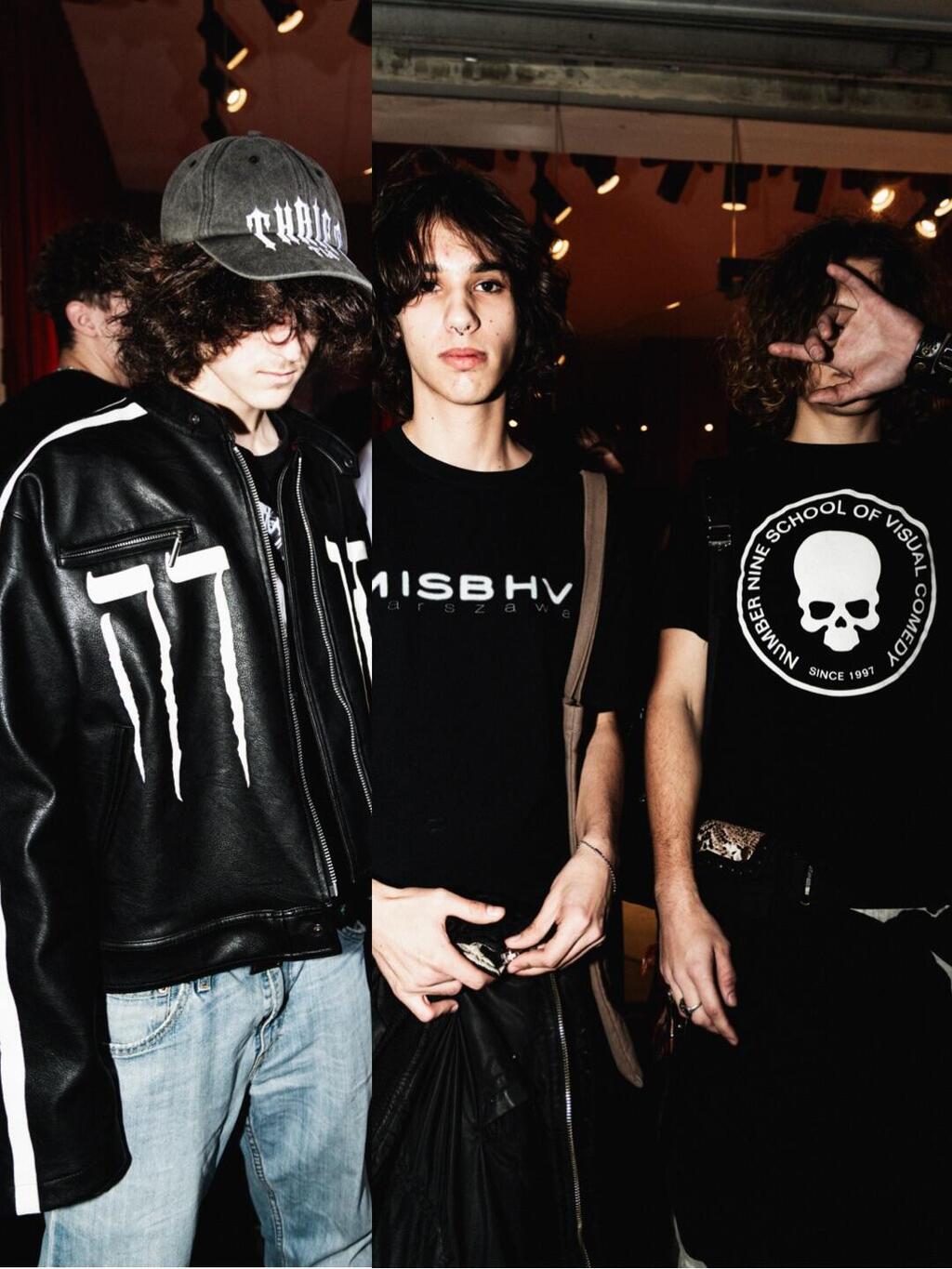
The latest sign came with the opening of “Toda,” a boutique by 24-year-old designer Harry Levy. The launch filled the street with teenagers wearing T-shirts and sweatshirts bearing the brand’s name, part of a neo-gothic streetwear scene that has grown around Levy and other young designers.
Levy recently moved into his own store after operating from “Fabrics to Die In,” a collective that includes designers such as Omer Ash and the brand Androlomusia. His new shop is across the street, allowing young shoppers to move between the designers who have returned to Sheinkin, which is again positioning itself as a hub for local and international fashion, especially contemporary streetwear.
New stores by Holyland and Jin-G, which replaced Stüssy, have opened nearby, along with small vintage shops in different spaces along the street.
“I didn’t experience Sheinkin in the ’90s, so it’s hard for me to compare,” Levy said. “But I do see a young generation looking for a real experience. People want to feel part of something, not just make a purchase.”
He said the culture forming around Sheinkin is “almost anti-mall,” built on community, encounters, music, coffee and a sense of movement.
Toda produces all its clothing in Israel in limited quantities, with collections that are not restocked once they sell out.
“That creates a feeling of an event,” Levy said. “People come to the opening, stand in line and know that if they don’t come, they’ll miss it.”
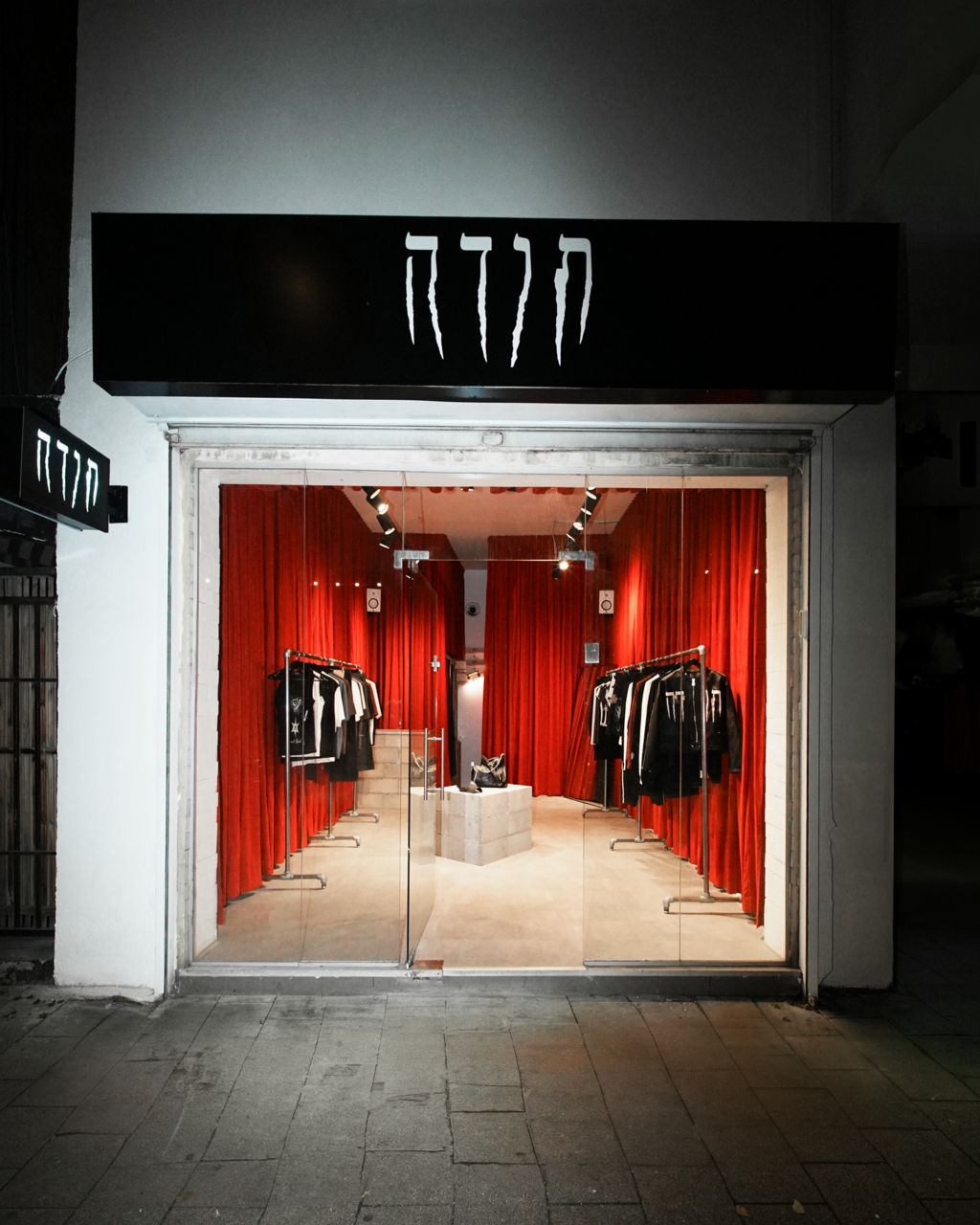
Toda
(Photo: iamira)
Levy said teenagers are the brand’s strongest audience.
“They fill the street, stand in line, jump at shows, film, share and spread it,” he said. “When I design an item, I think about what the teenager I was would have wanted to see.”
Levy said the move to a permanent Sheinkin store followed two years of pop-ups across Tel Aviv, including in the city’s south, Florentin and Eilat Street, together with the collective.
“We grew through events, community and lines in the street,” he said. “But there was always one clear dream: to reach Sheinkin.”
He said the timing was not driven by cheap rent, noting that prices remain high, but by the brand’s readiness and a decision to take a risk.
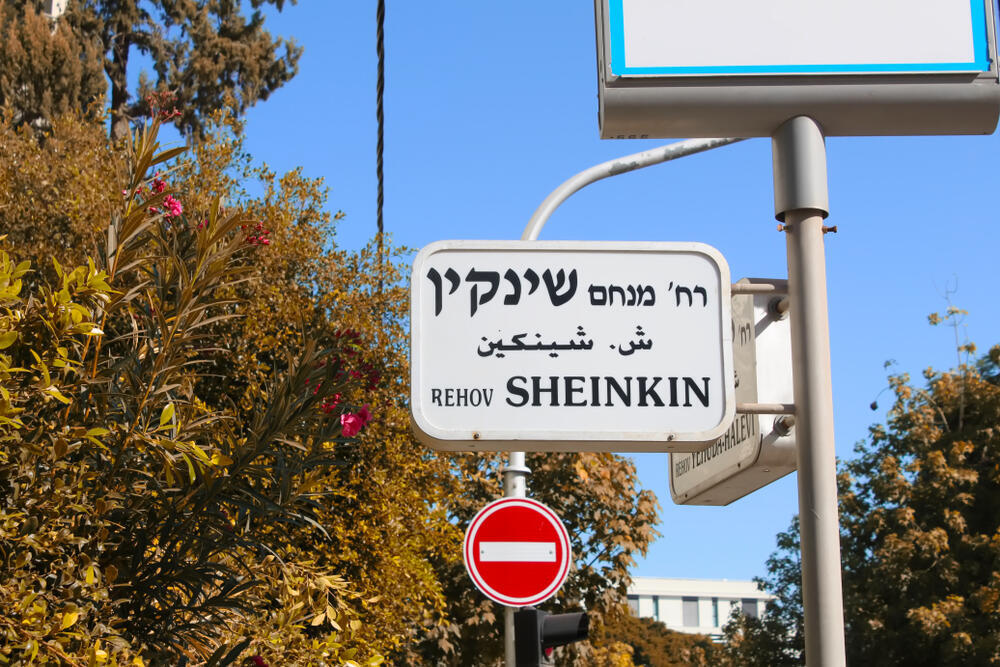
Sheinkin, once a symbol of 1990s Tel Aviv fashion and culture, has gone through several transformations, including a major renovation last decade. In the ’90s, the street was shaped by stores and institutions including Gazith Shoes, Speedy, Plastic Plus, Sheink-In, Cameron clubwear, The Third Ear and the steps leading to the Orna and Ella cafe. The street’s status was also reinforced by the Mango song that became associated with it.
(Photo: ShutterStock)
After years of change, the current revival is being driven again by boutiques. The new stores join fashion institutions that arrived in the past decade, including Story, Belle & Sue and tailor Shlomi Antabi on nearby Ba’alei Melacha Street, along with international fashion boutiques such as Kixbox, which opened last year.
Stylist Itay Bezaleli, who lives on Sheinkin, said the street is coming back to life after years in which people said it was dead.
“I’ve lived on the street for six years, and every morning when I went down for coffee I saw many empty stores,” he said. “The young designers returned to the street, and with them the young crowd.”
Bezaleli said Fridays on Sheinkin now feel like the 1990s again.
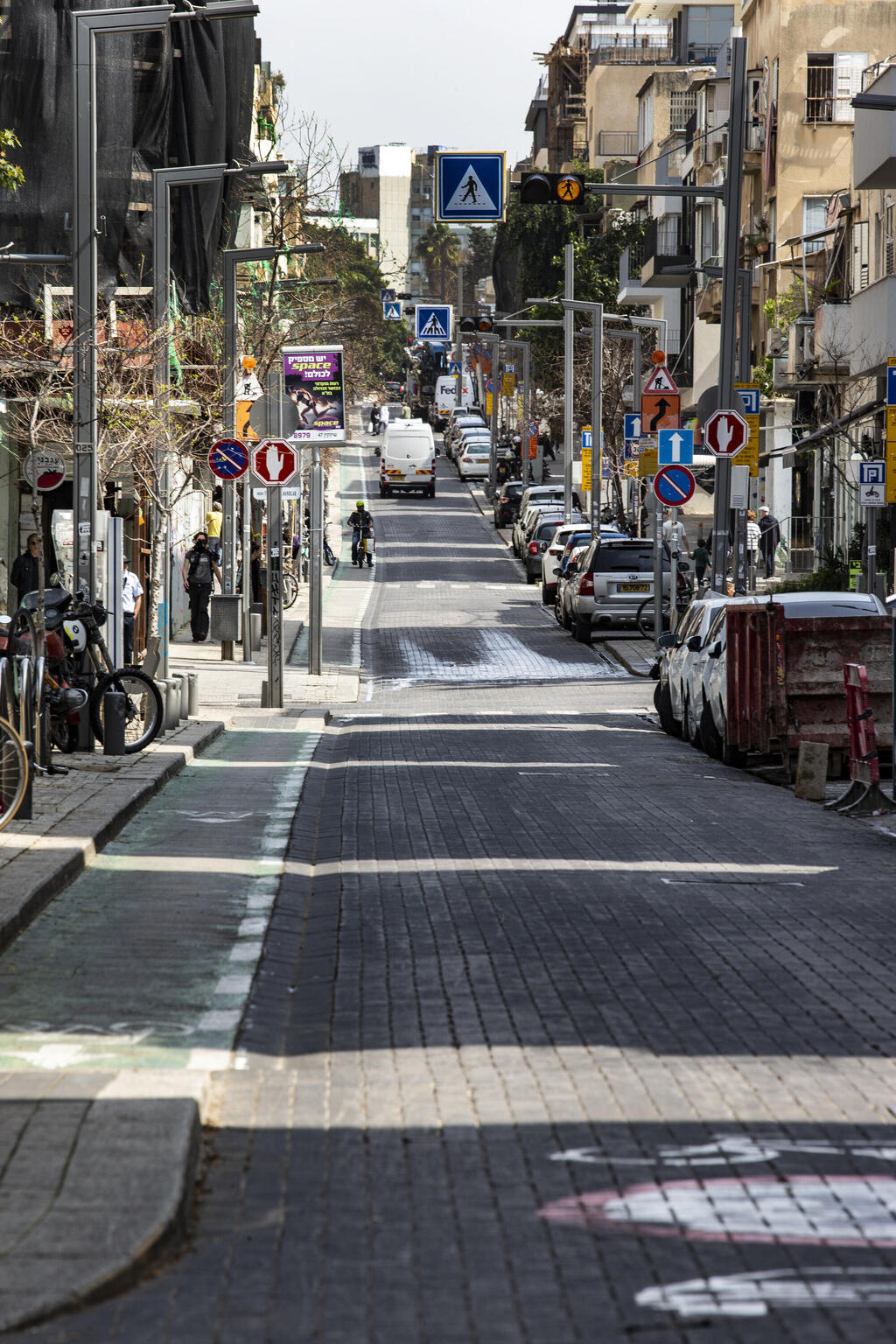
“You can barely walk here,” he said. “It’s completely packed with teenagers and people in their 20s. What is happening now is nothing short of madness.”
He said the street’s fashion mix includes streetwear, skate style, young designers, vintage, jewelry, eyewear and higher-end boutiques, serving a broad audience from teenagers to parents with children.
He said the street is not necessarily a reaction against malls, but offers another option for people who want to walk outdoors. He noted that open-air shopping centers succeed for a similar reason: they offer a street-like experience.
(Photo: Avigail Uzi)
In recent years, many young designers have tested Sheinkin through temporary pop-up stores, sometimes for a weekend and sometimes for several weeks, allowing small brands to sell on the street without committing to long-term rent.
One brand that moved from pop-ups to a permanent store is Holyland, founded in 2017 by designers and partners Anat Meshulam and Dor Chen. The brand previously operated a store on Montefiore Street that closed during the COVID-19 pandemic, then continued online and through pop-ups before opening a permanent shop at Yohanan HaSandlar and Sheinkin streets, next to Jin-G and across from Lee.
Unlike Toda, whose core audience is roughly 13 to 25, Holyland targets shoppers 25 and older.
“We’ve been active in pop-ups on the street for two years, and we felt something was waking up,” Chen said. “There’s a feeling that this is a central place again, a street people walk around in. It’s coming back a little to what it once was, but with a twist.”
Chen said new cafes have opened alongside small fashion stores, making Sheinkin one of the few Tel Aviv streets where music, culture and fashion still meet.
Meshulam said the street now draws several age groups at once.
“There are very young people and people from our generation, 40-plus, with families who live here,” she said. “They make it a pleasant place to walk around.”
She said the brand felt personally and professionally ready to open a permanent store that would allow it to develop and expand its collections.
“A store gives us that space,” she said.
First published: 22:15, 04.27.26