

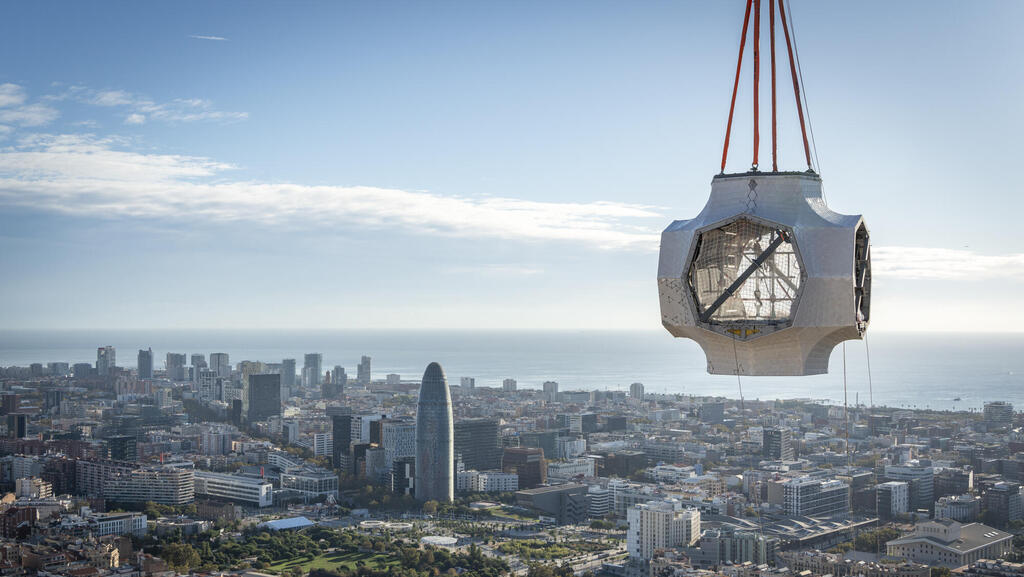
Even before it is fully completed, Barcelona’s famed Sagrada Familia Basilica marked a historic milestone this month: With the placement of the final component atop its central spire, it officially became the tallest church in the world, rising to 172.5 meters (566 feet).
For Barcelona, the moment is both an architectural peak and a symbolic milestone in an extraordinary construction journey that has lasted more than 140 years, since the cornerstone was laid in 1882. According to updated timelines, one of the longest-running and most famous building projects in architectural history is now entering its final stages, prompting a question closely followed by residents and tourists alike: Is the creation of Catalan architect Antoni Gaudí, conceived in the 19th century and shaped across generations, finally nearing completion?
The completion of the Sagrada Familia’s construction
(Video: Basílica de la Sagrada Família)


By reaching its final height, the Sagrada Familia surpassed Ulmer Münster in Germany, which for more than a century stood at about 161.5 meters (530 feet) and held the title of the world’s tallest church until this month.
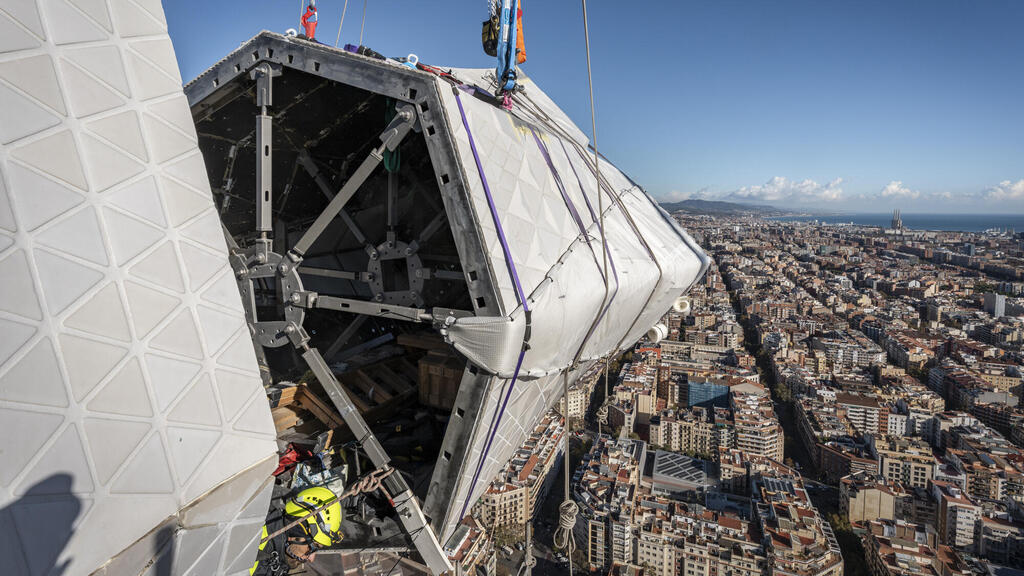
Project managers say the installation of the top element of the central spire marks not only an engineering achievement but also the transition into the final phase of construction. In a statement, the foundation overseeing the project said completion of the tower’s upper section “opens the closing chapter of the construction works,” following more than 144 years of planning, interruptions and adaptations by successive generations of architects, engineers and craftsmen.
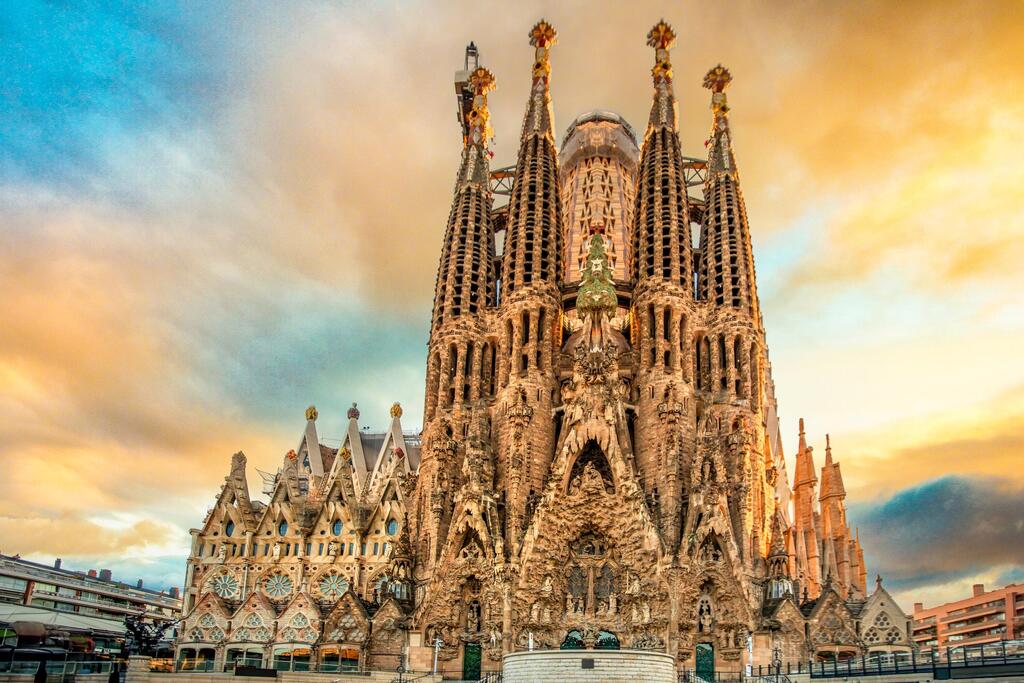
Symbolically, final completion is scheduled for this year, marking 100 years since Gaudí’s death. The basilica became central to his life and career after he abandoned the original neo-Gothic plan in favor of a more ambitious Modernista vision blending Art Nouveau and Gothic elements. Widely considered his most famous work, Gaudí labored on the project until his death in 1926 after a traffic accident, when less than a quarter of the structure had been completed.
Construction continued after his death amid repeated delays, budget constraints and frequent changes of architects. Unlike many major public projects, the Sagrada Familia was built largely without direct government funding, relying instead on donations, entrance fees and tourism revenue. A 2019 report put cumulative construction costs at about 360 million euros; continued work, faster construction and advanced technologies have since pushed total spending to an estimated 480 million euros.
(Photo: Fundació Junta Constructora del Temple Expiatori de la Sagrada Família / Pep Daudé)
(Photo: Fundació Junta Constructora del Temple Expiatori de la Sagrada Família / Pep Daudé)
For project leaders, the challenge has been as much financial as architectural, managing a site that functions simultaneously as a church, a major tourist attraction and an active construction zone. The project has also long raised a fundamental question: How far should later generations go in completing the work of an architect who died a century ago? Architects and engineers have relied on partial drawings, damaged models and written records, balancing fidelity to Gaudí’s vision with modern standards and technologies. “Gaudí wanted to invite people to look up, to be close to God,” said Jordi Faulí, the project’s chief architect. “He wanted to create a church of light.”
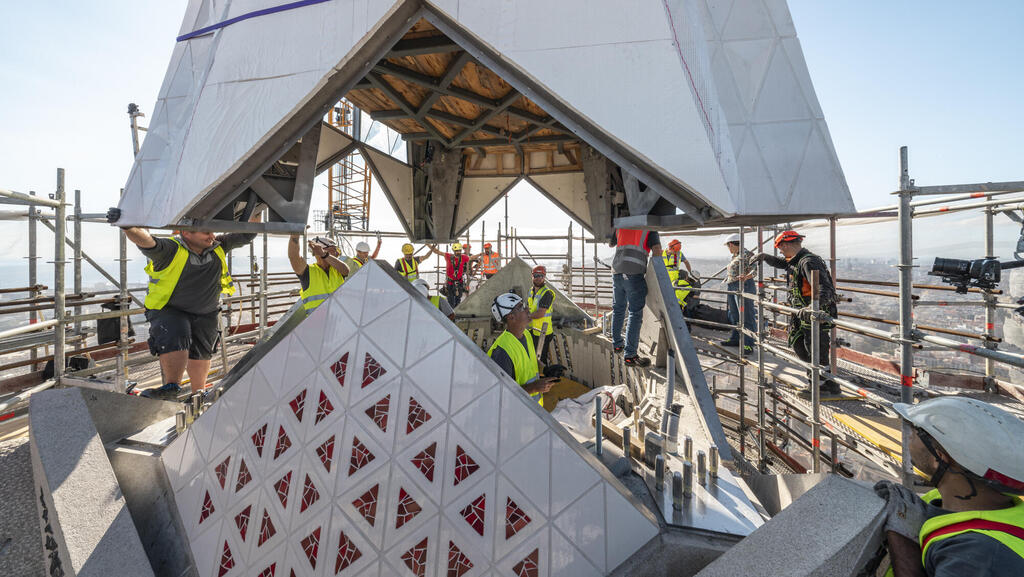
(Photo: Fundació Junta Constructora del Temple Expiatori de la Sagrada Família / Pep Daudé)
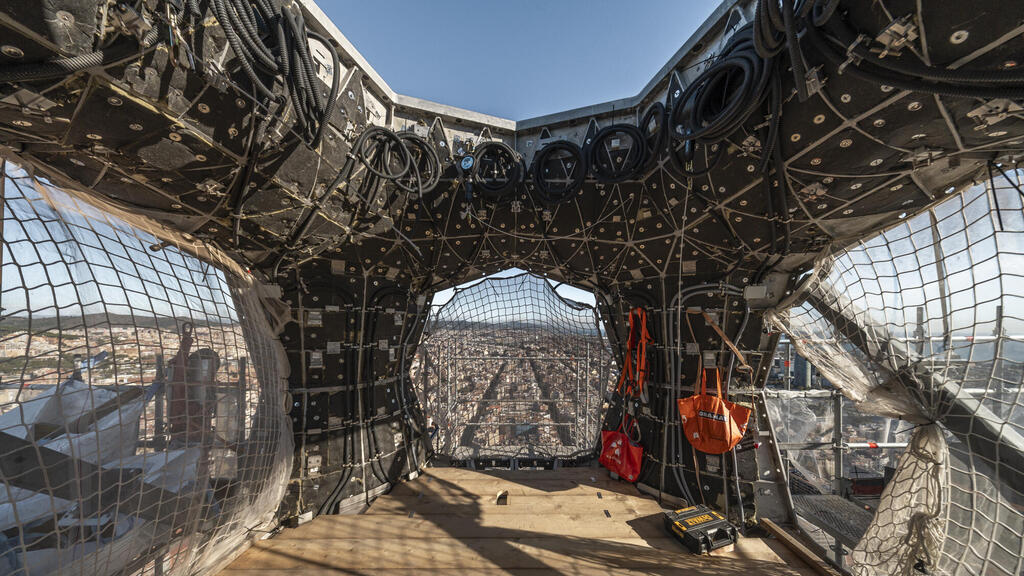
(Photo: Fundació Junta Constructora del Temple Expiatori de la Sagrada Família / Pep Daudé)
That vision is now being realized with tools Gaudí could not have imagined. A structure designed in the late 19th century using manual calculations and traditional stonework is being completed with 3D modeling, digital fabrication and advanced geometric algorithms, allowing for precise execution of the complex forms Gaudí envisioned.
The project’s completion also comes amid growing urban tensions. The Sagrada Familia is among Barcelona’s most visited sites and a key source of funding for the works. According to the managing foundation, tourism revenue reached about 124 million euros in 2023, with more than half directed to construction. At the same time, residents have voiced increasing criticism over overcrowding and pressure on public space.
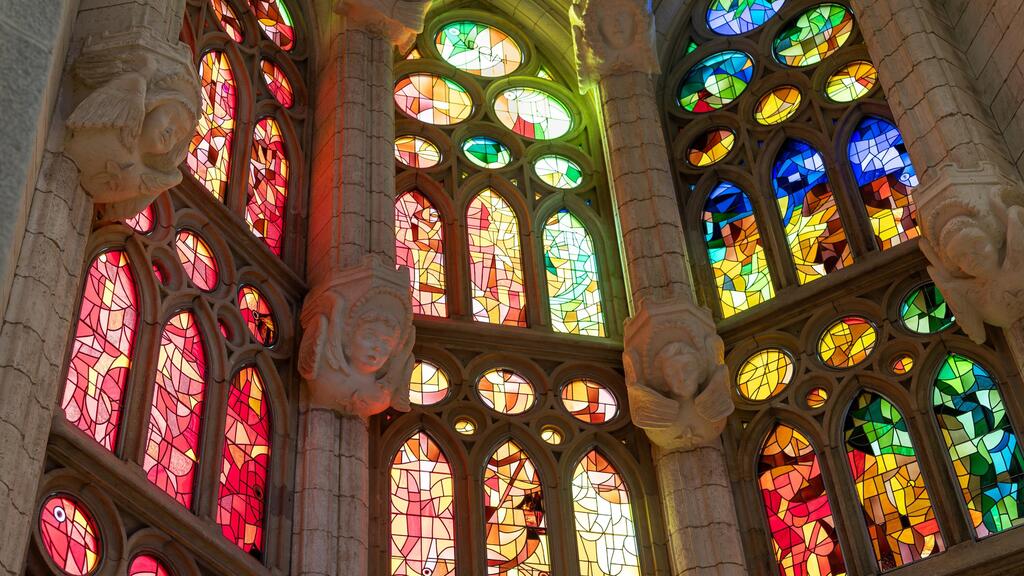
(Photo: David Herraez Calzada/Shutterstock)
After more than a century as a symbol of perpetual construction, the Sagrada Familia is approaching a cultural turning point. As scaffolding and cranes gradually disappear, a broader question remains: Can a building long defined by its incompletion retain its mystique once it becomes whole? For Barcelona, the answer will shape how one of its most recognizable icons fits into the balance between faith, tourism and contemporary urban life.