

A Tel Aviv district court is set to hear arguments in the coming days over whether the objections of a single homeowner who cares for dozens of cats could delay or block a large-scale urban renewal project expected to add hundreds of new apartments in the city.
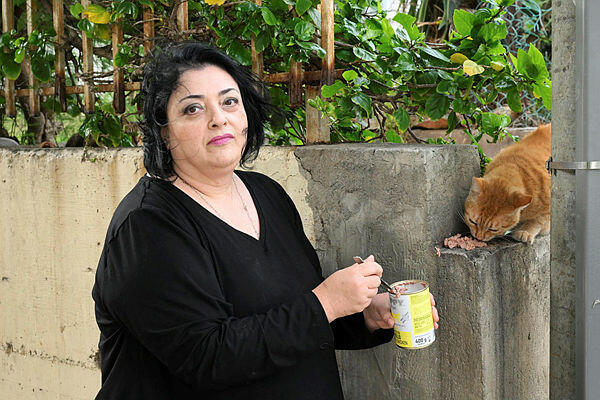
The case centers on Shirley Hamani, a Tel Aviv resident who lives with 12 cats in her privately owned apartment and regularly feeds stray cats in the neighborhood. Hundreds of other homeowners in the complex have sued Hamani and several additional residents, arguing that their refusal to sign on to a planned demolition-and-rebuild project is preventing long-overdue redevelopment.
The lawsuit was filed by 294 apartment owners who support the project and are seeking 2.6 million shekels ($700,000) in damages from a small group of residents who have not given their consent. According to the plaintiffs, 97% of property owners in the complex have already signed the agreement.
The project would replace eight aging row houses containing 176 deteriorating apartments with 564 new units. The new apartments would include reinforced safe rooms, balconies, storage units and parking spaces. The plaintiffs say the existing buildings lack protection against rocket fire and earthquakes, leaving residents exposed to serious safety risks.
Hamani argues that her opposition is neither arbitrary nor unreasonable. In a defense submitted to the court, she said she plays a central role in caring for community cats in the area and that abruptly severing this daily routine without proper alternatives would cause serious harm to the animals.
“These animals are not ‘pets’ to me,” Hamani wrote. “They are family members, with profound emotional and moral value. The harm caused by uprooting this routine and abandoning them is not compensation — it is a blow.”
Her filing also describes practical obstacles to finding temporary housing during construction. Hamani said repeated attempts to rent a long-term apartment failed once landlords learned she lives with 12 cats, some of them elderly and suffering from chronic medical conditions.
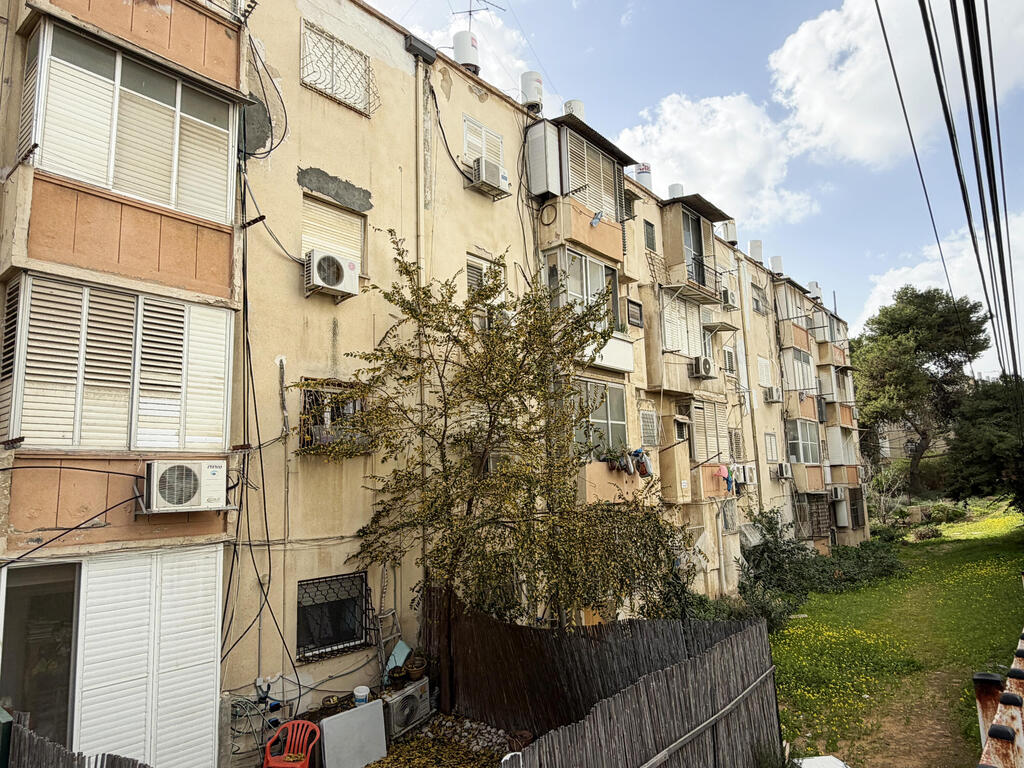
One the buildings planned for renewal
(Photo: Kobi Koankes)
“There is, in practice, no available rental apartment that can accommodate all the animals under her care,” the defense said, arguing that the eviction demand is unrealistic despite her willingness to find a solution.
The plaintiffs, represented by attorney Ziv Gruman, said the refusal amounts to an unjustified holdout that harms the overwhelming majority of residents.
“The defendants are preventing a dramatic improvement in safety and quality of life,” the lawsuit said, adding that emotional attachment to animals and speculative concerns about harm to wildlife cannot outweigh the collective interest of hundreds of homeowners.
Hamani’s lawyer, Inbal Keidar Haim, said her client does not oppose urban renewal in principle but objects to how the project is being carried out. She called for animal welfare surveys and coordinated relocation of both house cats and community cats during construction, noting that such measures have been adopted by Tel Aviv and other Israeli cities.
“This is not about stopping the project,” Keidar Haim said. “It is about modest, humane steps to prevent unnecessary suffering to animals, at negligible cost relative to the size of the development.”
Gruman said the homeowners are sensitive to animal welfare concerns and have proposed working with animal welfare organizations and providing veterinary assistance if needed. Still, he said, “Feeding cats should not prevent hundreds of families from moving into safe, modern homes.”
The Tel Aviv District Court is expected to hear the case later this month.