

Buying “on paper” in Israel can feel like a leap of faith, with glossy renderings promising more than they can guarantee; from interiors that serve only as inspiration to exteriors bound by regulation, the truth lies in the fine print; for foreign buyers, the real security comes from the specification sheet and the contract, not the brochure
With the sheer number of new developments under construction in Israel, I’m constantly in awe of how many cranes fill the skyline. Sometimes I even wonder how they don’t collide with each other. But I digress.
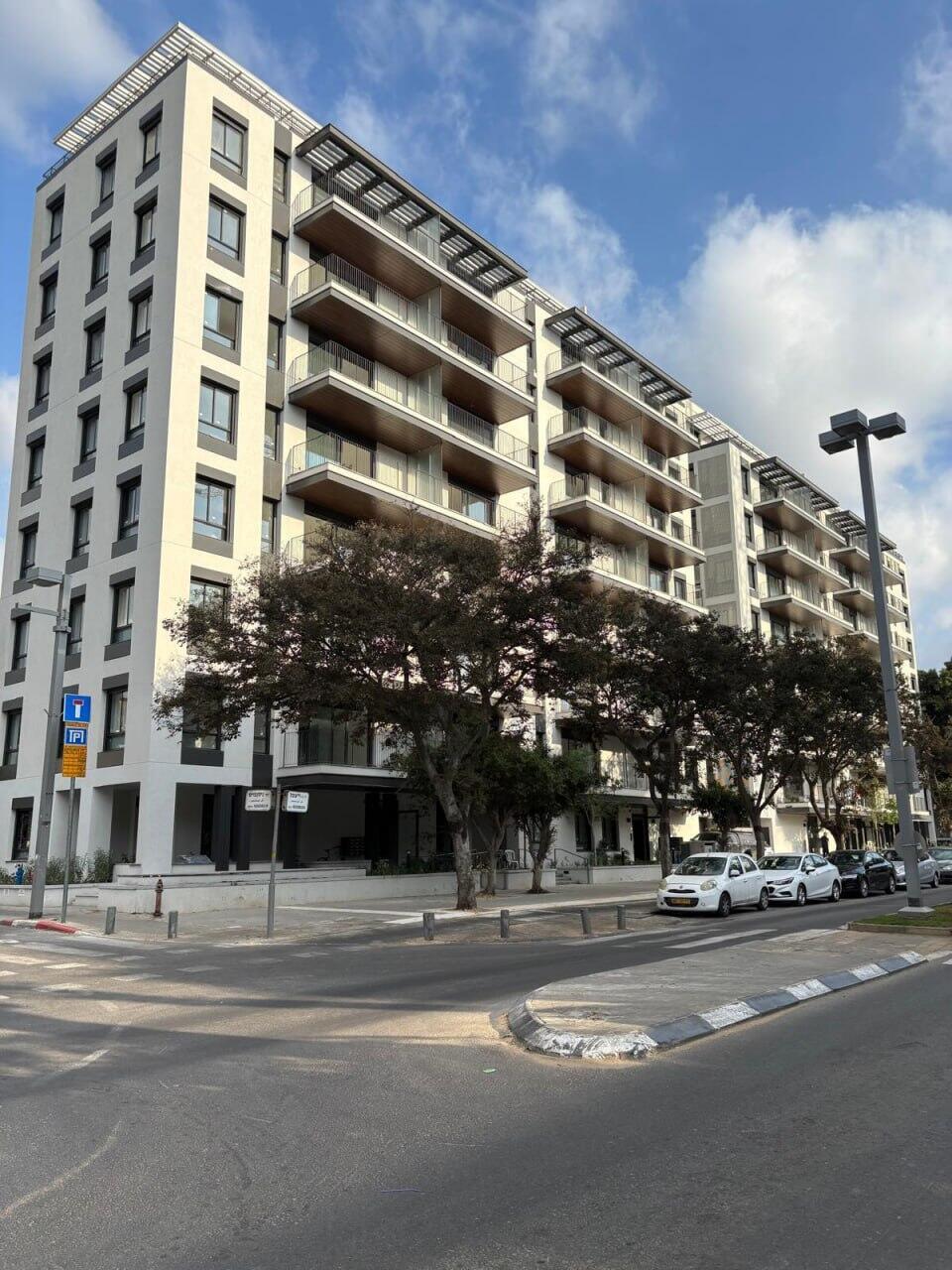
Whether it’s a project still in pre-sale or one that has already broken ground, the process with clients often looks the same: we review the relevant options, narrow them down, and then finally it’s decided – “this is the one”. And that’s when reality sets in. One of the simplest yet most important questions arises: “What am I actually buying?”
For many foreign buyers, one of the most intimidating parts of purchasing in Israel is the idea of buying “on paper.” You’re asked to commit to an apartment that doesn’t yet exist, relying only on glossy brochures and computer-generated renderings.
The images are often stunning with perfectly designed buildings, immaculate landscaping, sweeping views, stylish interiors, marble lobbies. But how close will the final product really be to what you were shown?
The promise of renderings
Let’s start with a fair observation. In many cases, particularly with reputable developers, the renderings are surprisingly accurate. I’ve seen projects where the finished building looked amazingly close to the marketing materials.
Developers know their reputation is on the line, and in a competitive market, credibility matters. If they consistently delivered something that looked nothing like the vision they sold, they would quickly lose trust and future business.
That said, renderings should always be taken with a grain of salt. They are marketing tools designed to inspire buyers, not legal documents. And when it comes to renderings, it’s important to understand there are really two categories: interior renderings and exterior renderings.
Interior renderings: Design vs. reality
Developers love to present apartments with beautiful interiors, complete with designer furniture, stylish lighting, and carefully curated art on the walls. These images are meant to help buyers imagine life inside the apartment. But unless you are purchasing a fully furnished, tailor-made apartment package, those interiors are not what you will be receiving.
Your apartment will come as a blank canvas. You will be the one responsible for furnishing and decorating it. What does matter in the interior renderings are the details that should be reflected in the specification sheet: the flooring type, the cabinets, the countertops, the windows, bathroom finishes and even the number and placement of light fixtures. Those are the items you want to see laid out clearly in the contract. Everything else such as the furniture, the décor, the staging, should be ignored for what it is: inspiration, not reality.
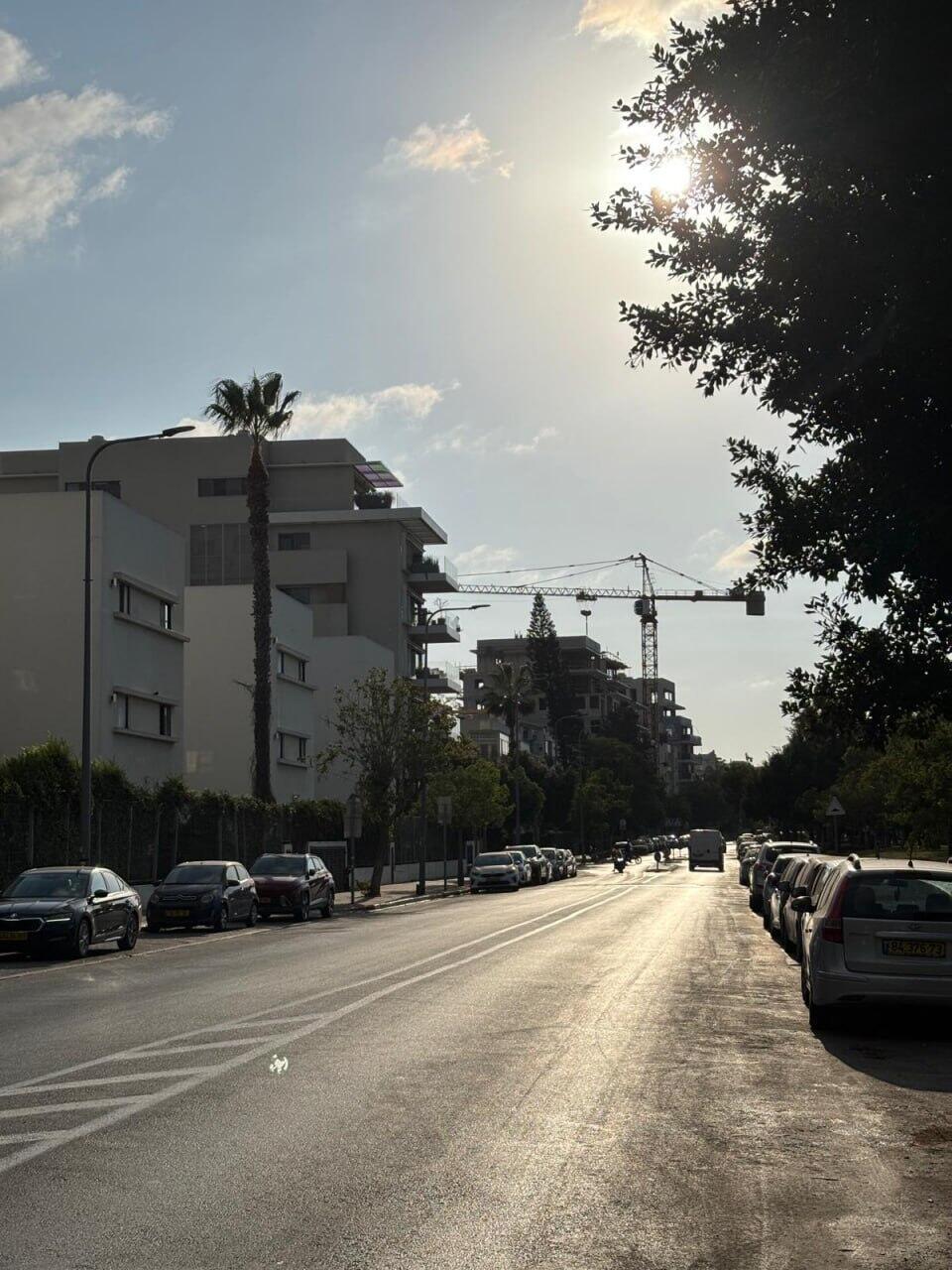
(Photo: Noah Sander)
Exterior renderings: Usually very close
When it comes to the exterior, there’s less room for interpretation. From my experience, the final building almost always looks very close to the renderings. Developers have a strong incentive to deliver what they market, because their reputation depends on it.
But beyond reputation, there is also regulation. When a developer submits plans to obtain a building permit, they are required to submit accurate renderings of the building’s exterior. Those renderings must closely match what is ultimately constructed.
If they don’t, the developer risks serious consequences with the municipality. For that reason, the exterior design, shape, façade, height, and general appearance is usually extremely accurate compared to the marketing materials. The only things that may differ are softer elements like landscaping, trees, or greenery, which can change slightly in the final delivery.
What really counts: The specification sheet
The key to knowing what you are truly getting lies in the specification sheet (mifrat techni) attached to your sales contract. This legally binding document spells out the essentials: the apartment’s square meters, ceiling heights, window sizes, type of flooring, cabinets, and more. If it appears in the specification, you can rely on it. If it only appears in the rendering, it should be treated purely as inspiration rather than a guarantee.
From a materials perspective, the specification sheet is the buyer’s bible. It removes confusion and ensures that you are protected if the final delivery deviates from what was promised. Also, developers will sometimes offer upgraded specifications at additional cost, so it’s important to confirm these details when thinking about moving on your dream property.
Managing expectations on views and surroundings
One area where buyers should be particularly cautious is views. Renderings can often show wide-open skylines or unobstructed views. But in dense cities like Tel Aviv, views are not guaranteed unless they are explicitly written into your contract. Many cities in Israel are transitioning rapidly from old to new, and another project could rise next door at any time, changing the view completely.
Public parks or designated spaces for example are relatively safe bets and unlikely to change anytime soon, but in general, treat the views in renderings as a mood piece, not as a contractual promise. If the reality matches then wonderful. But if not, your expectations were in check from the start.
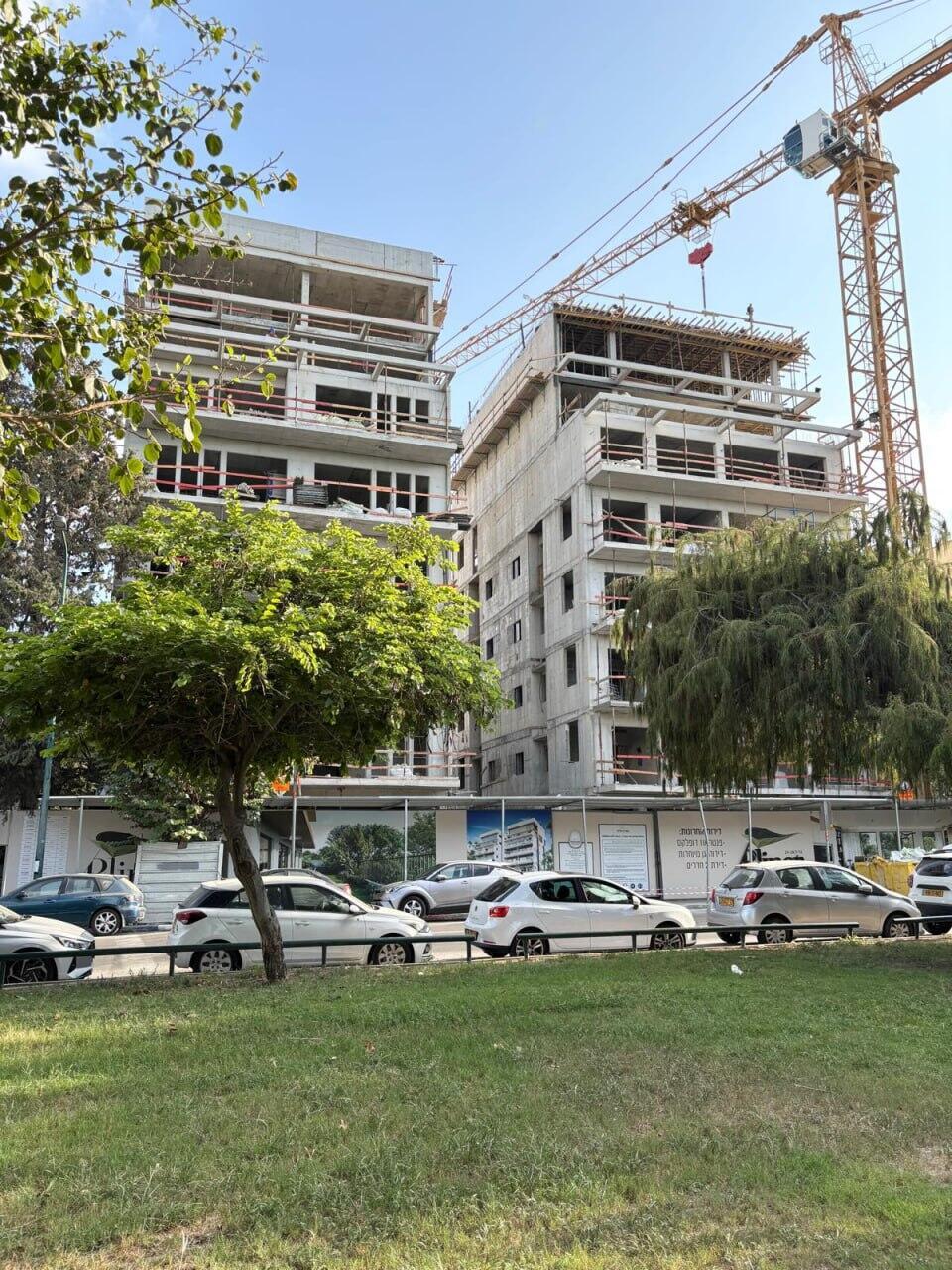
(Photo: Noah Sander)
How to gain peace of mind
So how do you bridge the gap between the dream on paper and the reality you’ll eventually move into? One option is to review the developer’s track record and ask to see previously completed projects. Comparing the original renderings with the finished product can give you an honest sense of whether they deliver what they promise.
In fact, I do this all the time with clients for this very reason. I’ll take them for a neighbourhood tour and walk to already completed and occupied projects. There’s no arguing with the real thing, and this always helps give confidence before purchasing.
Another useful step is to visit a sample apartment. Some developers, especially in larger projects and in the later stages of construction will set up a model apartment either on-site or nearby. Walking through one of these allows you to touch and feel the finishes, see the room sizes, and understand what standard the developer is actually delivering, giving further giving peace of mind.
The bottom line
Renderings are meant to inspire, not to serve as contracts. They show you the vision, the aspiration, the dream. But the real guarantees come from the specification sheet and the sales contract. For foreign buyers, buying on paper can feel like a leap of faith.
With the right due diligence and proper guidance, my goal is to make that leap far smaller than it seems, so that you can go into your next purchase on solid ground, with as little uncertainty as possible about what your future home will be when its complete.
Noah Sander is a Canadian-born real estate agent based in Tel Aviv, specializing in helping international buyers and new olim navigate the Israeli property market. For inquiries: [email protected], his brokerage: Daon Group Real Estate