

Over the past several months, the strong shekel and weaker dollar, along with other major currencies, have quietly reshaped the landscape for foreign buyers considering property in Israel.
The same apartment that felt comfortably within reach six or nine months ago now requires significantly more capital. In many cases, the difference is not marginal. It can amount to hundreds of thousands, and sometimes more than a million shekels in effective purchasing power.
Gallery
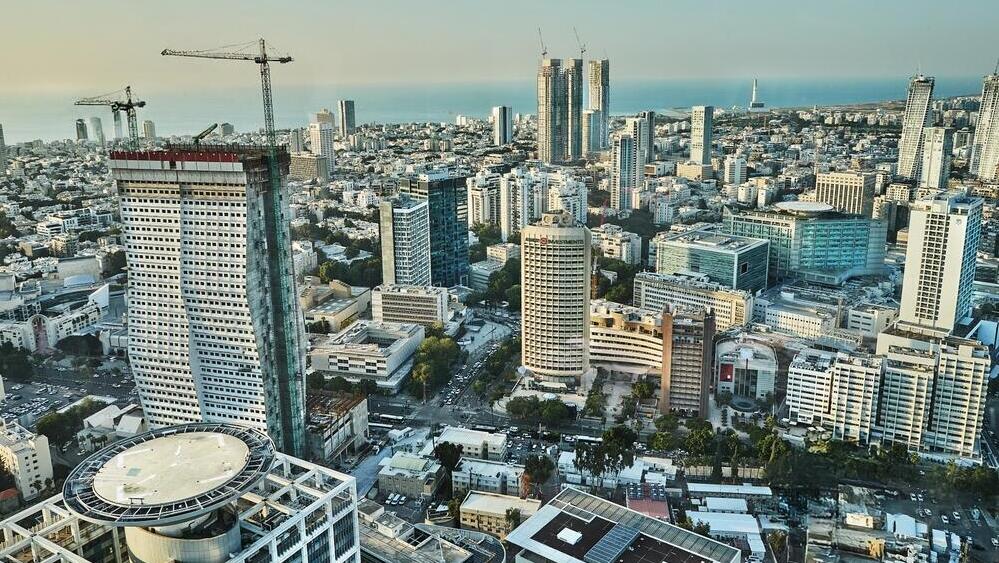
For buyers firmly committed to a specific neighborhood or city, another strategic lever is time
(Photo: Alex Donin / Shutterstock)
Before reacting emotionally, it is important to begin with one simple truth: No one can predict the future of currency markets.
Exchange rates move. They fluctuate. They reverse. What we have today is the reality we must work with. For buyers who need or want to purchase now, the question is not whether the dollar will recover. The question is: How can you maximize purchasing power in today’s environment?
Optimize the transfer itself
The first and most overlooked lever is the currency transfer itself.
When moving large sums of money, especially for real estate, comparison shopping matters. The difference between what traditional banks offer and what specialized global money transfer companies provide can be substantial. Banks often charge higher spreads and commissions, and on multi-million-shekel transactions, even a small percentage difference can translate into tens of thousands of shekels, sometimes far more.
Before transferring funds, buyers should compare rates from multiple providers and understand the full cost structure, including hidden spreads and fees. It is not uncommon to discover that major banks are meaningfully more expensive than alternative providers.
Reconsider geography
This is not always what buyers want to hear. If your home currency no longer stretches as far as it once did, frustration is natural. Sometimes, however, flexibility is the smarter response.
Expanding your search radius to nearby cities connected by light rail or strong infrastructure can immediately offset exchange-rate pressure. A 30% to 50% pricing gap between neighboring cities can neutralize much of the currency impact. If the commute remains short, the shift may be far less dramatic than it sounds.
In a compact metropolitan region such as Gush Dan, moving a few kilometers east, south or north does not necessarily mean sacrificing lifestyle. Often, it simply means buying more strategically.
If location is nonnegotiable, adjust the timeline
For buyers firmly committed to a specific neighborhood or city, another strategic lever is time.
Israel’s development pipeline is deep. While some projects are nearing completion, many others are scheduled for delivery three to five years from now.
That longer timeline can work in a buyer’s favor.
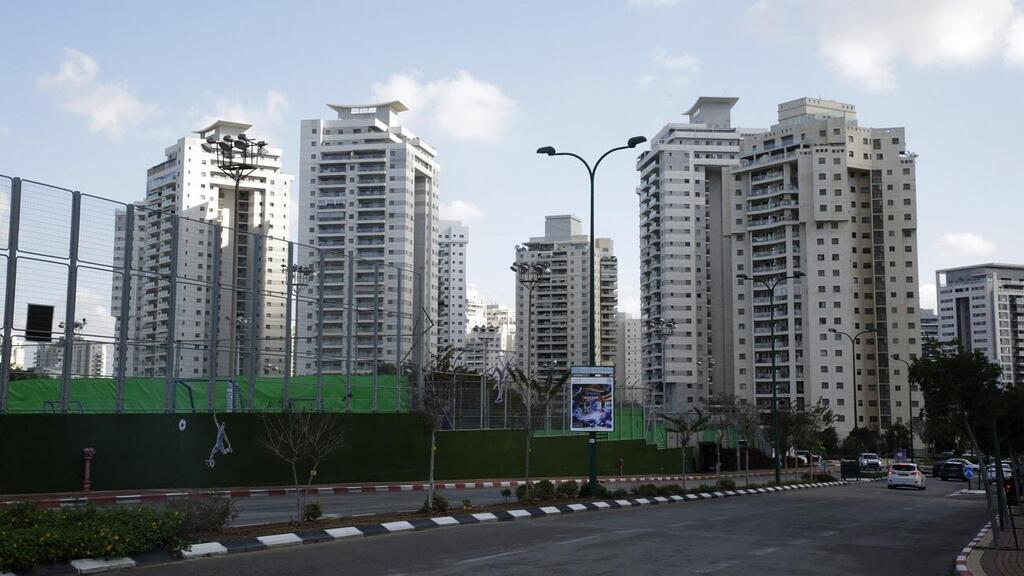
Petah Tikva
(Photo: Ryan Preuss)
Pre-construction purchases often require a down payment at signing ranging from 7% to 20%, depending on the stage of the project, with future payments spread out over time. Structuring a deal so that the next major installment is one or even two years away can provide breathing room in an unpredictable currency environment.
No one knows where exchange rates will be in 12 or 24 months. Spreading exposure over time reduces immediate pressure and creates flexibility. This is not about speculating on currency recovery. It is about intelligent structuring.
Think in terms of structure, not just price
When currency moves against you, the instinct is to lower the target price. Sometimes that is necessary. Often, however, structure matters more than the headline number.
Can payment schedules be negotiated differently in new construction?
Can financing in Israel reduce immediate shekel exposure?
Can liquidity abroad remain invested longer rather than fully converted today?
Strategic use of leverage, while remaining conservative, can preserve flexibility and reduce the immediate impact of exchange fluctuations.
The bigger picture
The strong shekel and weaker dollar have undeniably made buying in Israel more challenging for foreign buyers. That is the reality of the moment. There is no magic solution.
It is also worth remembering that we are operating in what many consider a buyer’s market, and those active today should understand the opportunities that come with it.
Real estate decisions, especially those tied to long-term plans such as aliyah, family relocation or strategic investment, should not be dictated solely by short-term currency movements.
Currencies fluctuate. Markets evolve. Opportunities shift.
In my professional view, if you have already decided to buy in Israel, the strong shekel alone should not be the reason to pause, even for several months. The Israeli market does not stand still while you wait. Prices can move quickly, and you may ultimately pay more regardless of exchange-rate shifts.
Instead, reassess your strategy. Evaluate what makes sense in today’s market. The answer may look different than it did eight months ago. A different location, a different timeline, a different structure. That does not mean the opportunity is gone.
Years from now, most buyers do not regret moving forward thoughtfully. They regret waiting too long. The buyers who navigate these periods successfully are not the ones who panic or freeze. They are the ones who adapt. They optimize transfers. They reassess geography. They adjust timelines. They structure intelligently.
In today’s environment, the question is no longer just “What can I afford?” It is “How do I approach this strategically?” In cross-border real estate, strategy often matters just as much as price.
Noah Sander is a Canadian-born real estate professional based in Tel Aviv and founder of ZionistInvestor.com, an AI-powered platform helping international buyers and new olim navigate the Israeli property market