

When people buy property, especially for the first time, they tend to focus on the big things. Price, size, location, number of bedrooms. All important, of course. But after years of walking clients through properties across Tel Aviv and central Israel, I can say with confidence that it’s often the small, easily overlooked details that have the biggest impact on how a home actually feels once you live in it.
These are not deal-breakers on paper, but they can absolutely become deal-breakers in real life. And in dense urban environments like Tel Aviv, where space is limited and every design decision matters, these details are amplified.
Light Direction: something you feel every single day
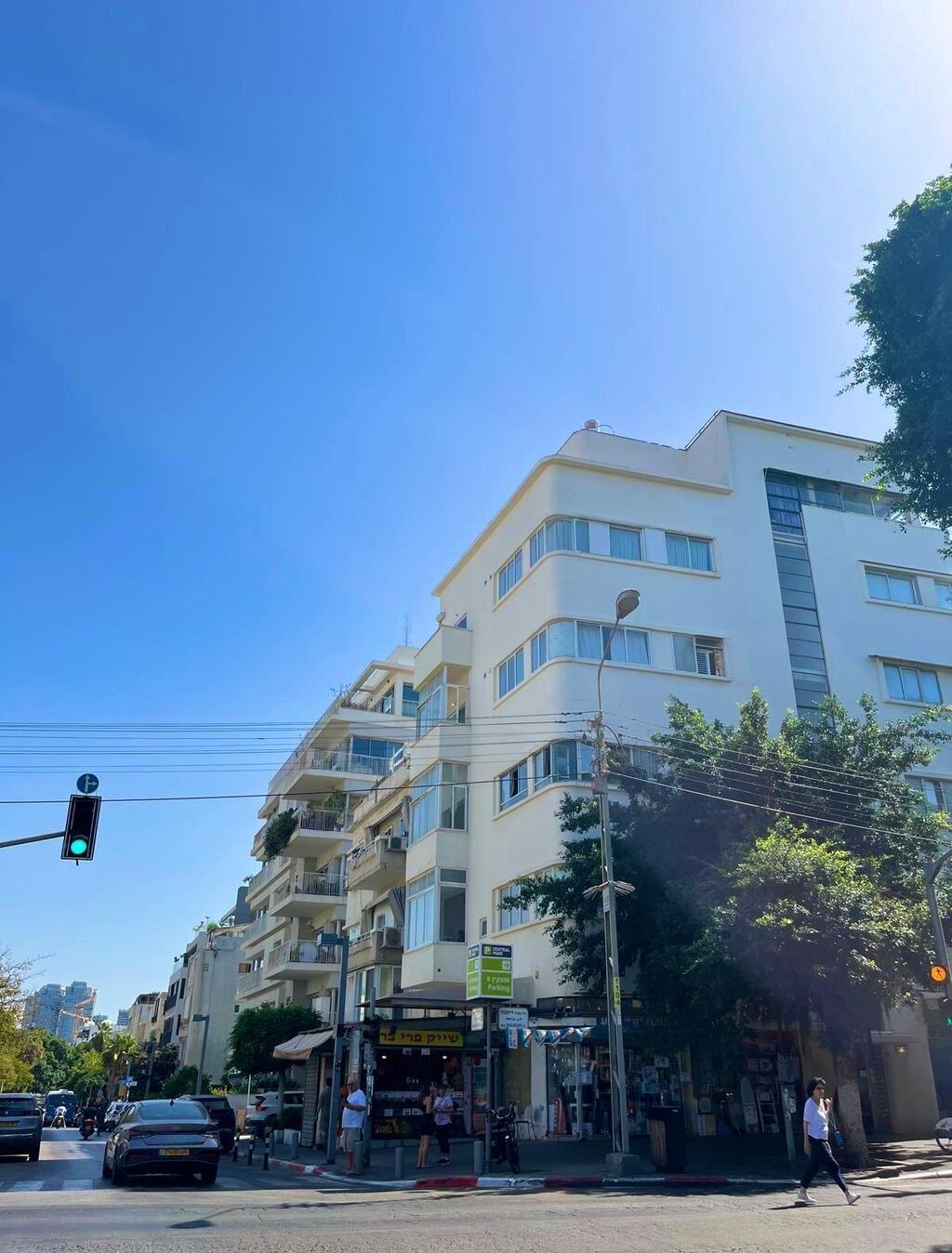
One of the most commonly overlooked factors is the direction an apartment faces. It’s something that never even crossed my mind before I moved to Israel- I was probably too young at the time to appreciate how much these small details matter. For buyers coming from houses or more open environments, this often isn’t even on the radar. In dense urban areas like Tel Aviv and its surroundings, it should be.
An apartment facing north will receive virtually no direct sunlight throughout the day. Some people actually prefer this, as there is often a pleasant breeze from the north, and during the summer months, when the heat can be intense, it can be a real advantage. That said, buyers who want bright, sun-filled apartments are likely to be disappointed once they move in. East-facing apartments enjoy beautiful morning light, which many people love. South-facing apartments receive the most consistent natural light throughout the day, though this also means they can get quite warm. West-facing apartments offer afternoon sun and sunsets, which can be stunning, but again come with additional heat.
This isn’t about right or wrong, it’s entirely personal preference. I’ve worked with clients who will only buy north-facing apartments for the shade and breeze, and others who insist on south-facing units for maximum light and brightness. Natural light affects energy, atmosphere, and how welcoming a space feels. Buyers should take the time to understand what kind of light they want to live with, not just what looks good during a quick showing.
Ceiling height: some apartments feel bigger than they are
Another detail that makes a huge difference is ceiling height. Two apartments can be exactly the same size on paper, yet the one with higher ceilings will almost always feel larger, more open, and more comfortable.
Today, the standard ceiling height in new construction is usually around 2.75 meters, compared to the old standard in new builds which was 2.5 meters. Of course, this varies depending on the type of project, the developer, and the location. But when you walk into an apartment with ceilings closer to three meters or higher, the difference is immediate. The space breathes differently. Light travels better. The apartment simply feels more expansive and welcoming.
Buyers often focus heavily on square meters and overlook this entirely, yet ceiling height plays a massive role in perceived space and long-term comfort. I’ve been in apartments of 65 square meters with ceilings above three meters that felt larger than much bigger units with lower ceilings. On paper, the numbers said one thing, but the feeling told a completely different story.
Ceiling height is also something you typically can’t change. For that reason alone, it’s a detail worth confirming early, especially in new developments. It may not show up in the listing headline, but it plays a major role in how your home will actually feel day to day.
Understanding views and future construction
Views, especially sea views, are another area where buyers can either be overly optimistic or unnecessarily worried. I recently worked with clients who were concerned that a future project would block their sea view. After digging into zoning regulations and building rights on the surrounding streets, it became clear that urban renewal would indeed take place in front of them. To our relief however, the height limits on those streets are different and meant those buildings would not exceed the height of the one they were buying in, and in fact would be one floor height lower. In other words, their view was protected.
In Tel Aviv especially, not all streets are created equal. Some allow construction up to six floors, others seven or more, and in certain areas even higher. Understanding where this height variations occur can make the difference between a view that lasts and one that disappears. This is not something you can assess with a quick glance or assumptions - it requires local knowledge and proper due diligence.
That said, I’m always careful to avoid “guaranteeing” a view. We live in a city, and a country, that is evolving rapidly. Regulations can change, planning policies shift, and construction is constant. While it’s impossible to predict exactly what will be built 20 or 30 years from now, it is possible to manage expectations based on current zoning and approved plans. Knowing what is reasonably protected versus what is simply hopeful allows buyers to make smarter, more grounded decisions.
If not sea views, many buyers say they want open views, and who wouldn’t? But it’s important to be realistic. In central Tel Aviv and much of Gush Dan, neighborhoods are dense by nature. Seeing another building nearby is completely normal. Expecting wide-open, unobstructed views in a standard low-rise building will significantly limit your options, unless you’re purchasing a penthouse, a high-floor unit in a tower, or a property directly on the coastline.
This isn’t about settling for less. It’s about understanding the urban environment you’re buying into. Adjusting expectations slightly often opens the door to far better opportunities overall: better layouts, better locations, and better value - without sacrificing quality of life.
Noise, orientation, and daily life
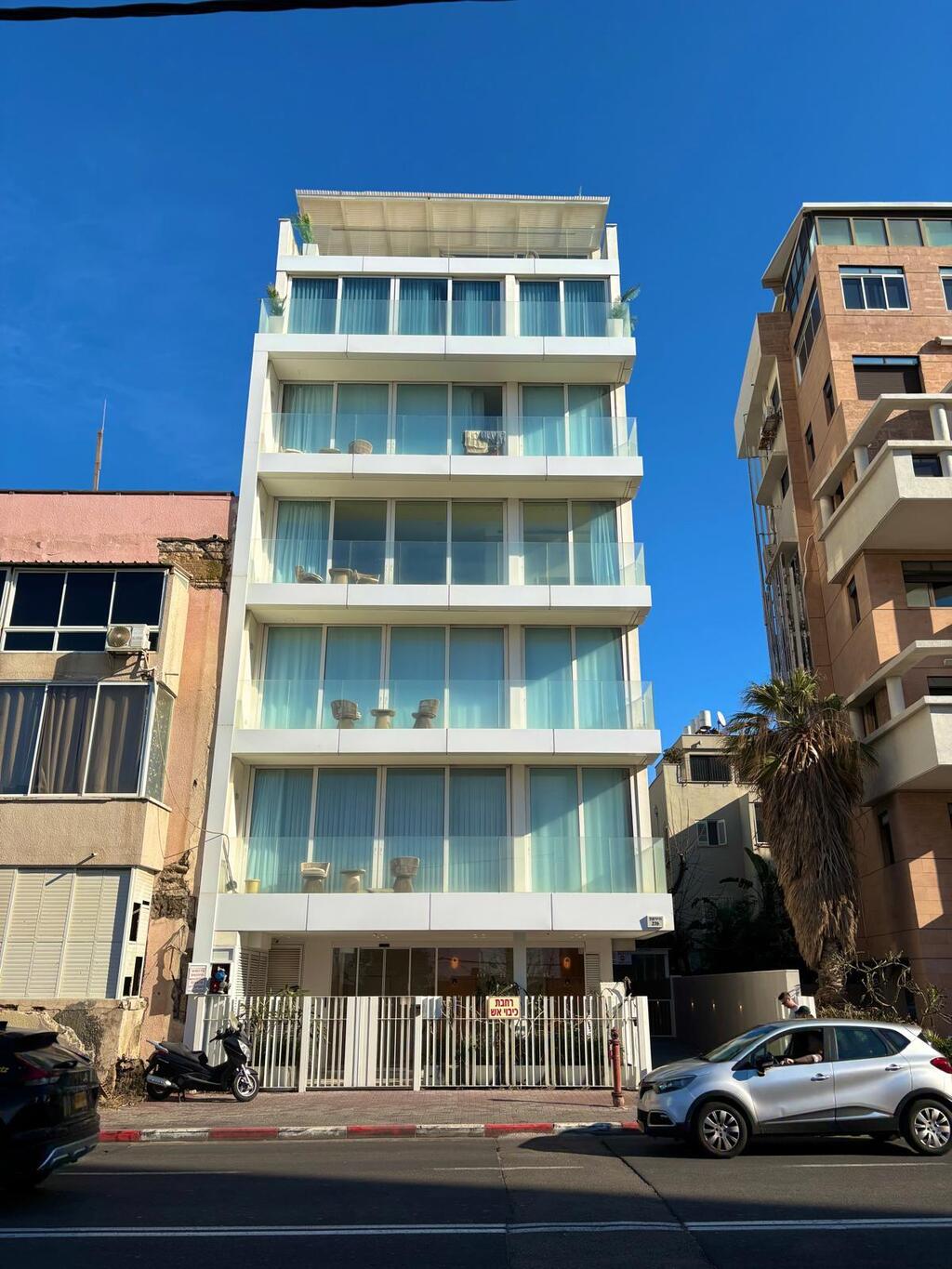
Noise is another factor buyers often underestimate. Two apartments on the same street can feel entirely different depending on whether they face the road or the rear of the building, whether bedrooms overlook a quiet courtyard or a busy intersection, and whether balconies open toward traffic or open space.
Orientation affects far more than just light. It influences sound, privacy, airflow, and how calm an apartment feels throughout the day and night. These are details that don’t always register during a short visit, but they become very noticeable once you move in. With that being said, I often joke with clients that if you’re looking for total peace and quiet in Tel Aviv, you should probably consider living on a kibbutz. Of course, there are secluded areas, quieter streets, and hidden gems tucked just off main roads, but this is a dynamic, bustling city. A certain level of noise comes with the territory and understanding where you’re willing to compromise is key.
(Photo: Noah Sander)
Layout over size
Lastly, layout often matters more than raw size. A well-planned 90-square-meter apartment can feel far more livable than a poorly planned 110-square-meter one. Hallways that waste space, awkward room proportions, or kitchens that feel disconnected from living areas can impact daily life far more than buyers expect. If you are buying in new construction, or renovating an existing unit, consulting with an architect and interior designer beforehand can make all the difference in maximizing your space properly.
Final Thoughts
Buying property is not just about acquiring an asset. It’s about choosing a space where you’ll live, recharge, host, and build memories. The small details are what turn an apartment from just livable into a place that truly feels home.
Buyers who take the time to think beyond the obvious, and who understand how these subtle elements affect daily life, almost always end up happier with their decision. And in a market like Tel Aviv, where compromises are part of the process no matter the budget, knowing which details truly matter to you makes all the difference.
Noah Sander is a Canadian-born real estate agent based in Tel Aviv, specializing in helping international buyers and new olim navigate the Israeli property market. For inquiries: [email protected], his brokerage: Daon Group Real Estate