


After years of announcements, discussions and planning, it's finally happening. Starting Monday, October 26, Oxford Street, one of Europe's most famous and busiest shopping streets, is set to undergo a historic transformation. A stretch of nearly one kilometer (0.6 miles) will be closed to vehicles and turned into a pedestrian-only zone.
The initiative aims to change not only the street's appearance but also how people use it, transforming a busy road where shoppers and tourists navigate between buses and taxis into a public space where visitors can stroll, sit and, of course, shop. City officials hope the changes will breathe new life into Oxford Street, strengthen local businesses and preserve its status as one of London's leading shopping and tourism destinations.
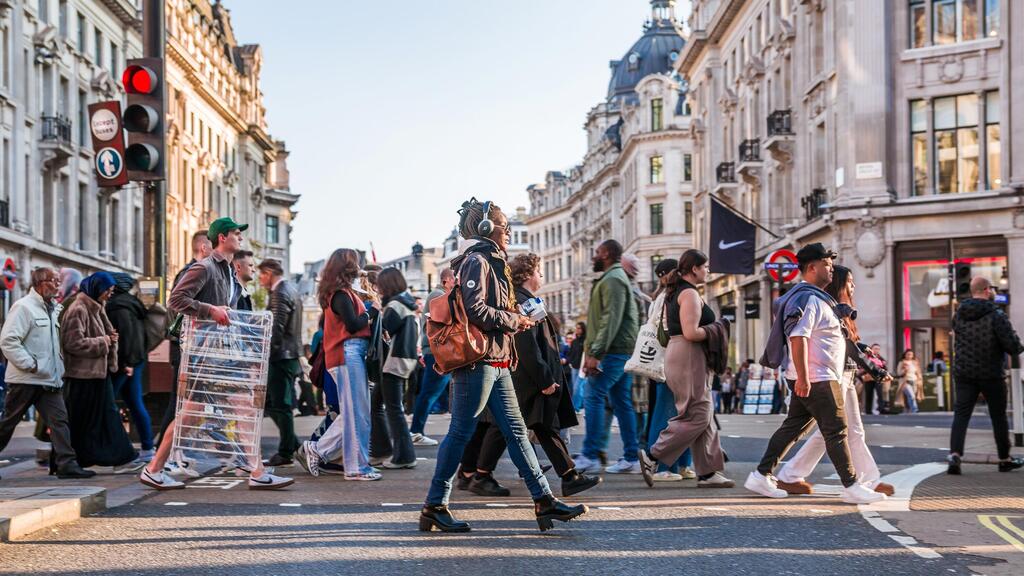
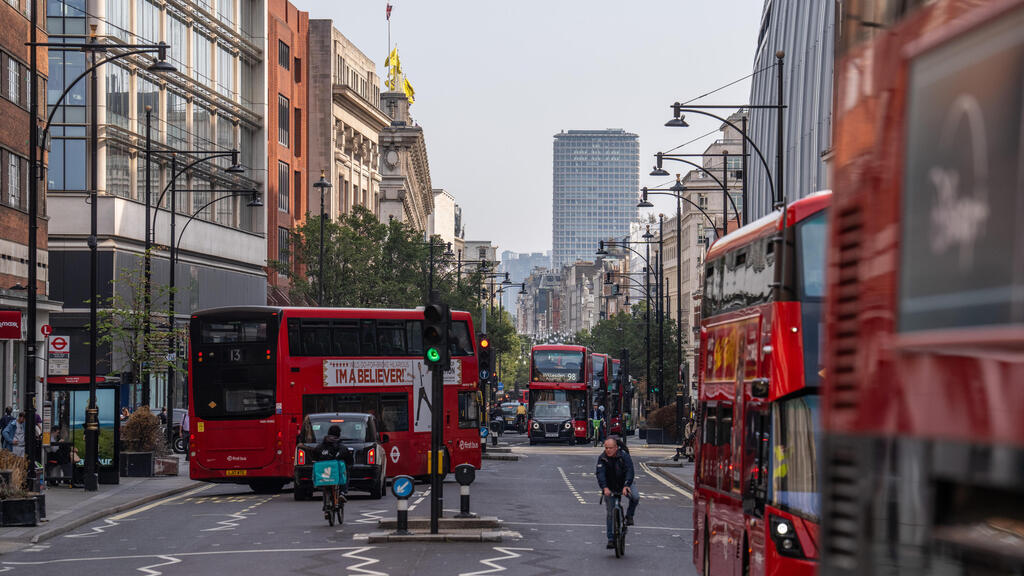
Oxford Street is crowded with cars and buses
(Photo: Carl Court / Getty Images)
But will removing vehicles really be the move that saves Oxford Street, or could the attempt to redesign it create new problems the city will struggle to address?
This is what will change
Under the plan, buses, taxis, bicycles and other vehicles will be banned from the section between Orchard Street and Great Portland Street. Traffic will be diverted to nearby roads, with transportation arrangements in the surrounding area adjusted accordingly.
The change is expected to significantly transform the experience of visiting one of the world's best-known and busiest shopping streets, allowing pedestrians to move more freely without the traffic noise and congestion that currently characterize it.
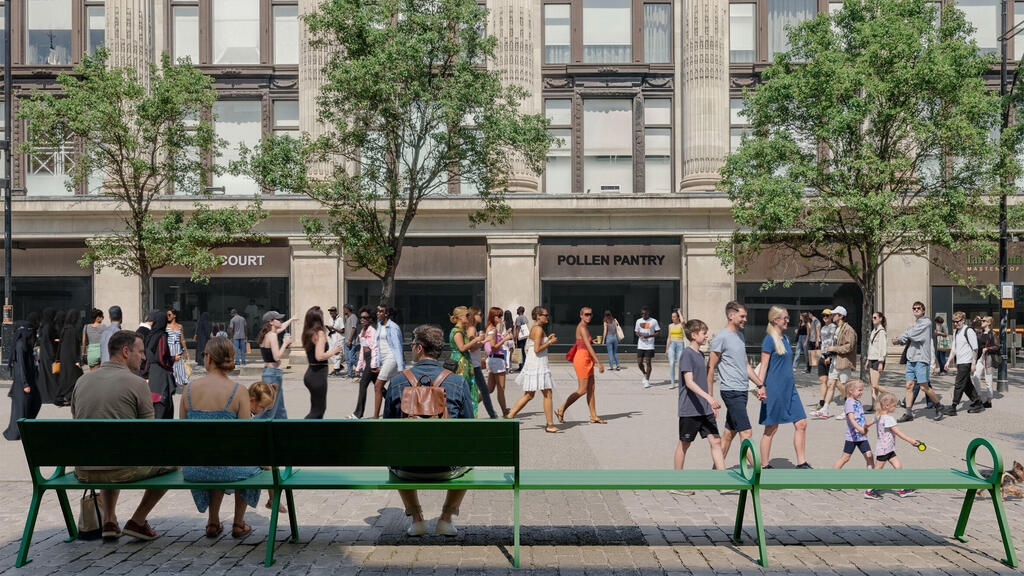
This is what the new Oxford Street pedestrian mall will look like
(Image: East Architecture)
London Mayor Sadiq Khan welcomed the move. "Following the overwhelming support from Londoners and local businesses, I'm delighted to see my bold vision for Oxford Street becoming a reality," Khan said. "In the first phase, the street will become traffic-free, just in time for the busy Christmas shopping season."
The decision to launch the initiative ahead of the holidays is no coincidence. At a time when the street attracts large crowds of shoppers and tourists, pedestrianization could provide a more pleasant and safer shopping experience while testing how changes to public spaces can affect commerce and urban life.
To understand the scale of the transformation, it is important to recognize that Oxford Street is not just another urban shopping destination. It is one of Europe's major retail corridors.
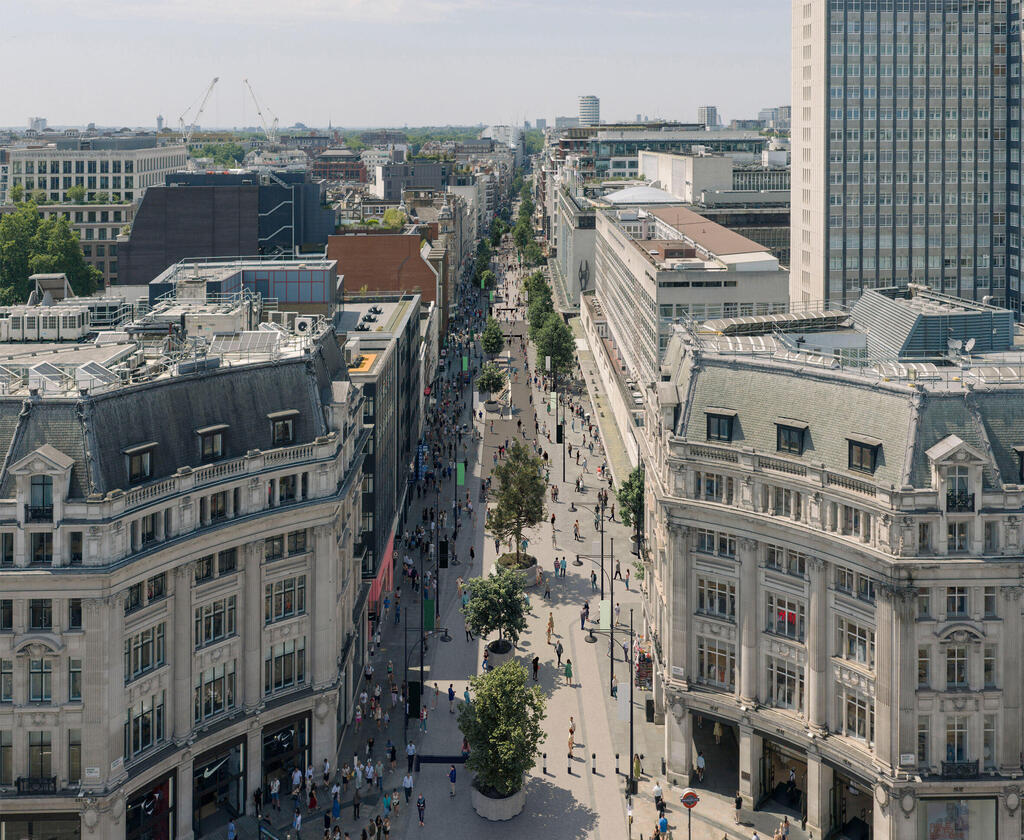
An aerial view of what the new Oxford Street will look like
(Image: East Architecture)
Stretching approximately 1.9 kilometers (1.2 miles), the street is home to hundreds of stores, ranging from department stores and international fashion brands to boutiques and souvenir shops. Every day, large numbers of shoppers, tourists and passersby make it one of London's most prominent commercial and tourist destinations.
It is precisely amid this intense activity, where pedestrian traffic mixes with buses, taxis and other vehicles, that city officials hope to fundamentally rethink the street's purpose: not simply as a place to shop, but also as a public space designed for the people who use it.
The goal: More revenue, better experiences
Behind the environmental and urban planning initiative lies a clear economic objective.
Oxford Street faces growing competition from online shopping and large retail centers, some on the outskirts of London or beyond. In recent years, it also has lost several of the major brands long associated with it.
London authorities hope that turning the street into a more pleasant and accessible public space will encourage visitors to stay longer, spend more money on shopping and entertainment, and attract new businesses.
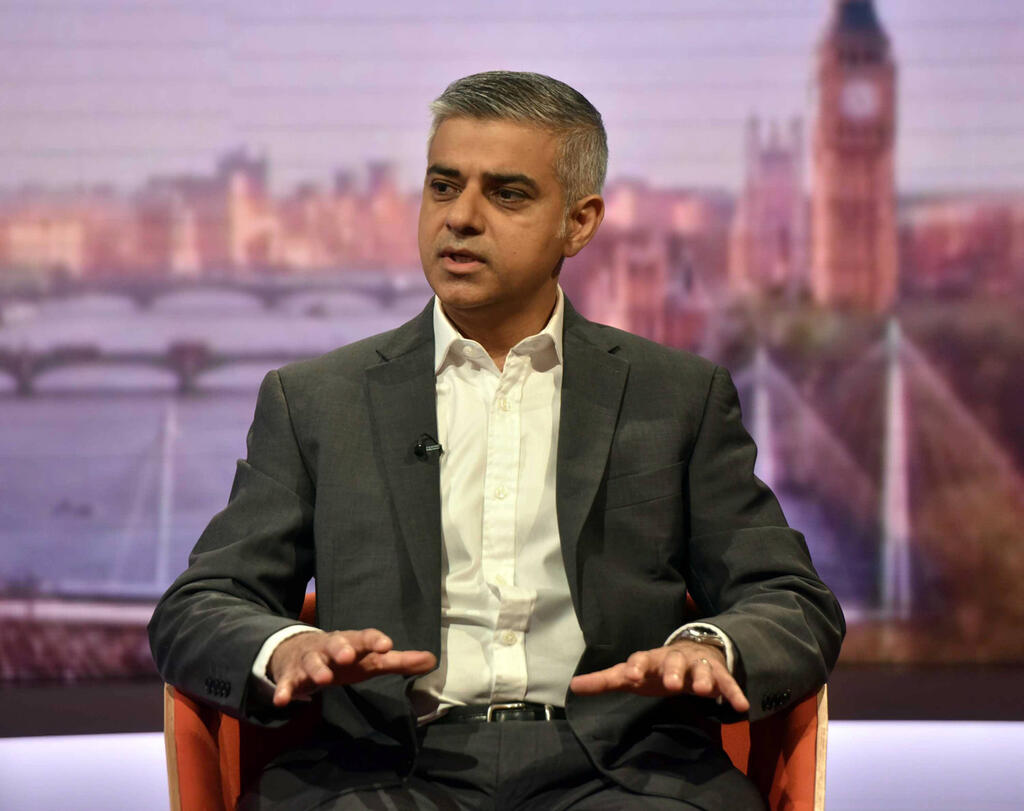
London Mayor Sadiq Khan:'Delighted to see my bold vision for Oxford Street becoming a reality'
(Photo: Reuters)
According to economic estimates published by the authorities, the project could add up to £82 million (about $110 million) annually to the local economy's gross value added and support more than 700 jobs.
These projections have yet to be tested, but they illustrate that the initiative is intended not only to improve the pedestrian experience but also to strengthen Oxford Street's position as a commercial and tourism destination.
The current initiative is not London's first attempt to explore the potential of a traffic-free Oxford Street. In September 2025, a section of the road was closed for eight hours as part of a public event that allowed residents and visitors to experience the street without vehicles.
According to city data, visitor numbers in the area rose 45% compared with the previous week, while passenger traffic at nearby Underground stations increased 25%. A survey conducted by the business organization New West End Company found that 67% of participating Oxford Street retailers reported sales equal to or higher than those of a typical Sunday.
However, the survey was small, with just 21 responses from local businesses, and was not representative of all retailers on the street. The figures therefore provide only an initial indication and do not establish that permanently pedestrianizing Oxford Street will necessarily increase sales.
Can the architectural vision solve all the problems?
Following the initial trial, the appearance of the redesigned street is beginning to take shape.
British architecture and landscape design firm East Architecture, which is leading the first phase of the project alongside a multidisciplinary team, recently released renderings illustrating how Oxford Street's public space is expected to change.
The images show broad pedestrian areas lined with trees, benches and tables. The project, scheduled for completion in spring 2027, will include planting more than 50 trees, creating two public squares, adding seating and dining tables, and improving signage along the street.
"Removing traffic on October 26 is just the beginning of the process, but from that day we will already start to see Oxford Street become a more welcoming and inclusive space, with new seating, additional public areas and plenty of trees introduced by spring 2027," said Julian Lewis, a senior architect at the firm.
Yet the architectural vision of a greener, more open public space does not necessarily address all the problems that could emerge from the transformation.
Despite support for the initiative, some local politicians have expressed concerns that removing vehicles from Oxford Street will simply shift traffic congestion onto neighboring roads, creating new transportation and environmental problems.
"While we finally have a proposed timetable for pedestrianizing the street, the council, residents and local businesses still have a long list of unanswered questions about how the plan will be implemented," said Tim Barnes, a Westminster city councilor and Cabinet member for growth and planning. "If we want the initiative to deliver the greener, better and more prosperous street the mayor has promised, urgent answers are needed on accessibility, air pollution, street cleanliness and public safety."
Barnes warned that the project could create more problems than it solves. "Right now, we risk ending up with all the disadvantages and too few of the benefits. Traffic will be pushed onto smaller neighboring streets, potentially causing economic and environmental harm," he added.
Beyond traffic congestion, the plan also raises questions about accessibility. According to Transport for London documents, relocating bus stops and taxi pickup and drop-off points to nearby streets could require some visitors to walk an additional 100 to 200 meters (330 to 660 feet) to reach their destinations. For older people and those with disabilities, that additional distance could be significant.
City officials, however, argue that expanding pedestrian areas, adding seating and improving street surfaces will make it easier to move around Oxford Street itself.
The real test, then, will not simply be whether pedestrianization succeeds in reducing vehicle traffic, but whether it creates a public space that is genuinely accessible to everyone.
More pedestrians, fewer cars
London's initiative is not happening in isolation. It is part of a broader urban trend that has gained momentum across Europe in recent years: reducing the presence of motor vehicles in city centers and allocating more space to pedestrians, cyclists and public activities.
Paris, Barcelona, Brussels and Copenhagen are among the cities pursuing changes to their street layouts through road closures, wider sidewalks, pedestrian zones and the transformation of paved areas into more inviting public spaces.
Behind these initiatives is an urban planning philosophy that seeks to reorder priorities in city centers. Rather than designing cities primarily around cars, traffic and parking, the goal is to return streets to residents and the people who use them.
Alongside efforts to reduce air pollution, noise and risks to pedestrians, the projects are intended to encourage local commerce, improve quality of life and address heat waves by adding greenery and creating shaded areas.
However, the transition toward less car-dependent cities is not without controversy. Questions about accessibility, traffic congestion, potential harm to businesses and the allocation of public space continue to spark debate.
With its plan to transform Oxford Street, one of Europe's best-known shopping destinations, London is joining a broader experiment confronting cities across the continent: Can a street be fundamentally redesigned without undermining its function, turning a congested transportation corridor into an urban space where people genuinely want to spend time?
The success of the initiative will not be measured solely by the number of trees planted or the amount of road space freed from vehicles, but by whether the changes actually improve urban life: whether the street will attract more visitors, whether businesses will benefit from it, and whether the surrounding streets will not pay the price.
Those answers will not come on the day the pedestrian zone opens, but only once the redesigned street becomes part of everyday life in London. Only then will it become clear whether the city has succeeded in transforming one of its most recognizable commercial landmarks into a better public space, or whether the ambition to return the street to people has overlooked the complexities of a living, breathing city.