

Everyday on my way to whatever it is I have planned for the day, I keep a close eye on construction around the city. In particular, which projects are clearly progressing, but also which ones seem to not be moving at all, with only the “project coming soon” sign slowly fading with each passing day.
In the market today, just because a developer is marketing a property, or erects a nice sign in front of the property, or even has a building permit, it does not necessarily mean construction is to start any time soon.
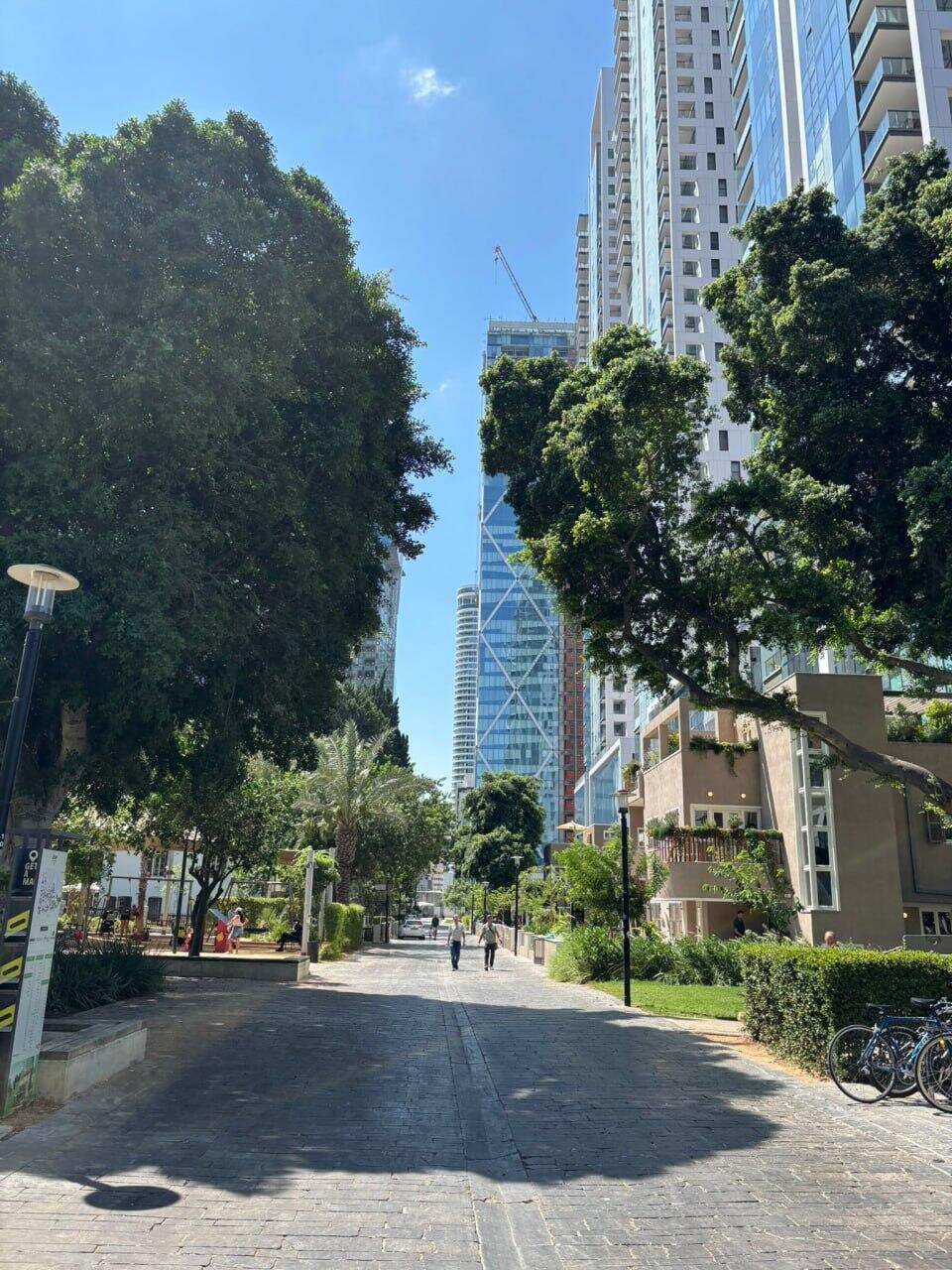
How are you supposed to know?
If you're considering buying a new development property in Israel right now, there's something important you need to understand about the current market that most buyers from abroad don't know.
There are a lot of developers operating in Israel today. Many of them are actually building. But more than you’d think are not, or at the minimum delaying breaking ground. And its important to be aware of.
Walk through almost any neighborhood in Tel Aviv and surrounding cities and you'll see it - a well-designed sign on the front yard of an old building, promising a beautiful new development coming soon. What the sign doesn't tell you is how long it's been standing there. In some cases, years. And in some cases, it will keep standing there for years more.
This isn't necessarily a sign of financial trouble. But it is something buyers need to understand before moving on any project.
Why some developers aren't building, even when they have permits
Since the war, the Israeli construction industry has been navigating significant headwinds. Foreign worker shortages, rising construction costs, and a market where buyers have become more cautious have created a situation where many developers are sitting on building permits with potentially no intention of breaking ground any time soon.
With these challenging conditions in the market today, developers may be re-evaluating profitability, and determine whether the remaining apartments can be sold at the prices they originally projected.
That doesn't necessarily mean there's anything wrong with the project. It does mean buyers need to distinguish between a project being marketed and a project actually being built.
For a buyer, this creates a real problem. You could sign a contract today on a project that looks credible with professional sales office, polished marketing materials, prime location, and find yourself waiting much longer than you intended for construction to even begin.
Knowing how to identify which developers are actually building right now is one of the most important pieces of due diligence a buyer can do in today's market.
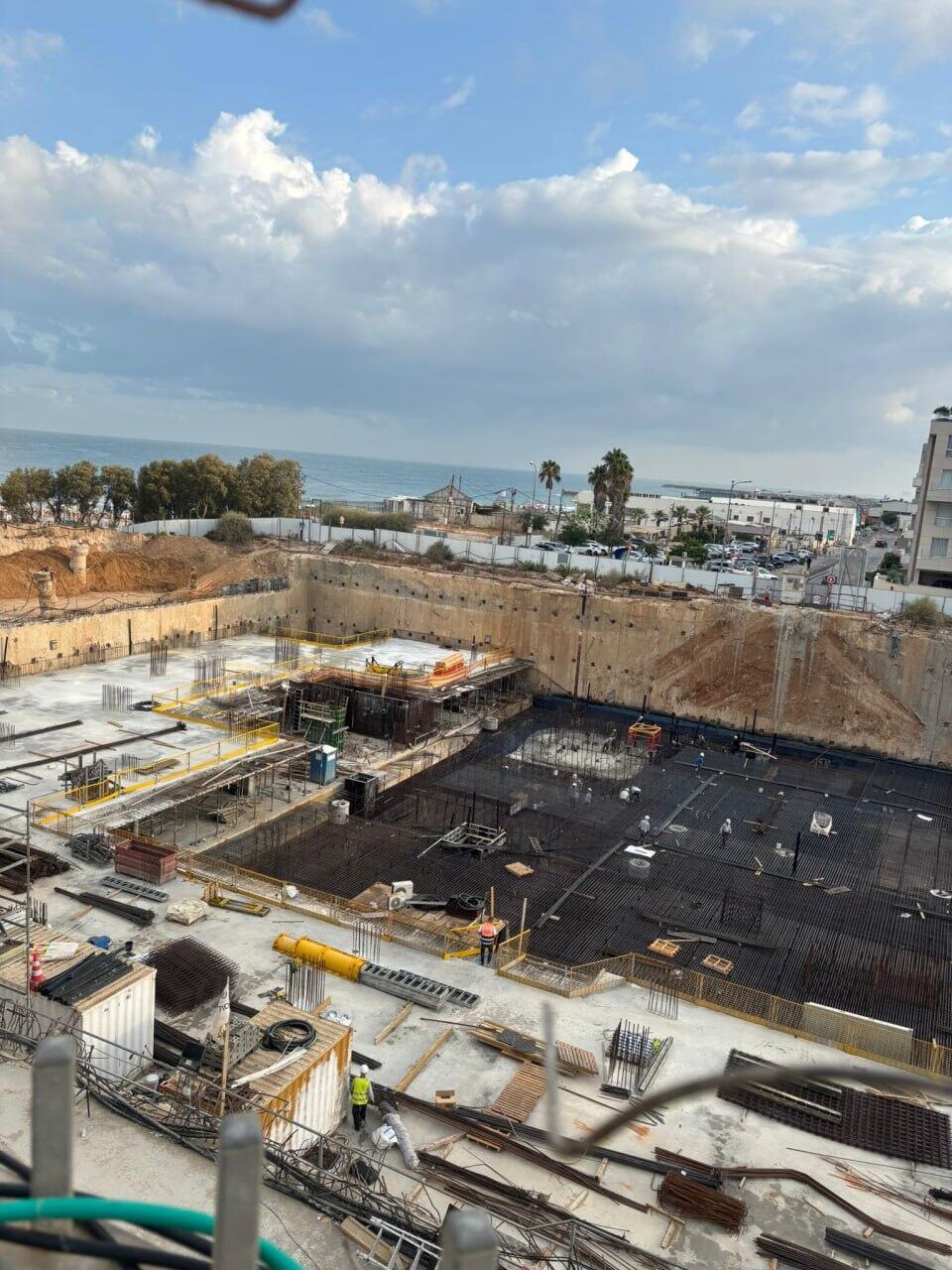
(Photo: Noah Sander)
How to vet a developer before you sign
Vetting a developer isn't overly complicated. It just requires asking the right questions and doing a little legwork.
First and foremost, ask directly which sites they're currently building. A developer who is actively building will have no hesitation answering this question. They'll tell you exactly where their active construction sites are and encourage you to check them out. If the answer is vague, or if all their sites appear to have signs but no cranes, that's a red flag worth taking seriously.
Find out from the developer locations of buildings they've recently finished. Pay it a visit. Walk around the building. Look at the quality of the finishes and the common areas. And if possible, speak to people who bought in those projects. Ask them how the process went. I sometimes will pass by recently occupied new developments, wait around several minutes until a resident comes out or is entering and pick their brain a bit. And the good news - they will give you the no BS, straightforward answer.
For example, delays in Israeli construction are common, especially since the war. The question isn't whether there were delays. The question is by how much, and how the developer communicated and handled them.
Also, check how many projects they're running simultaneously. Ask how many active projects they currently have and where each one stands in the construction timeline. A large, established developer may comfortably manage numerous construction sites simultaneously, while a smaller company will build 1-2 buildings at a time at the most, and there’s nothing wrong with that. What you're trying to understand is whether the company's current pipeline is consistent with the scale, resources and track record of its operation. And most importantly, construction is progressing. Some established developers keep significant parts of development under the same corporate umbrella - such as the contractor, architect, and design all in house, which allows for greater control, predictability, and execution.
And use a trusted agent who understands the local market. Walking into a sales office unrepresented is entirely your choice, but remember who the sales team works for. An experienced professional on the ground should know which projects are moving, which developers have a history of delivering, and what additional questions need to be asked.

(Photo: Noah Sander)
What about new developers?
Not every developer with a shorter track record is a risk. Everyone starts somewhere, and some of the most exciting projects in the market today are being built by newer players who are hungry, well-capitalized, and delivering excellent product.
But with a newer developer, the fine print matters even more.
If you're signing before a building permit has been received, your independent lawyer should examine exactly what the agreement says happens if the necessary permit isn't obtained within the anticipated timeframe. Does the agreement establish a deadline? What extensions are permitted? There are laws in place that outline this, and your lawyer will should make this information clear to you.
But an even more important question in my experience: after a building permit has been obtained, when does the developer actually have to start building?
Intuitively, it should be as soon as possible, but in the market today, the answer to that question is not so obvious. If commencement timing is a concern, ask your lawyer to examine whether the agreement provides a meaningful construction-commencement timeline and what rights you have if that timeline isn't met.
Depending on the project, it may be possible to negotiate certain protections dealing with start dates and the buyer's rights if construction doesn't begin within an agreed period.
Whether a developer will agree to such terms is a matter of negotiation. But it's a conversation worth having before you sign, not after you've spent a year wondering when construction is going to begin.
If you bought in a project that isn’t moving, is your money at risk?
This is the question most buyers ask, and the short answer is – no your money is not at risk. And it’s important to understand how the payment structure works in Israel.
In general, every developer in Israel is required to provide a bank guarantee on new construction projects in order to get financing. Here's what that means in practice.
When you make a payment toward a new development with a bank guarantee, your money doesn't go directly to the developer. The money you pay goes directly to the bank that is financing the project. The developer provides you with a designated voucher book, and your payments are made using those vouchers into the project's designated bank account. This structure means that your money is held securely throughout the process by the bank, under the Sales Law framework. The developer cannot simply take your payment and walk away. The bank controls the release of funds and ties it to actual building activity.
A client of mine from several years ago bought in a project that, unfortunately, suffered major delays as a result of October 7th. The good news is that he is receiving market value rent from the developer as compensation for his future unit, and in the meantime has a place to live until construction is complete. So while he is eager to move into his home, his money is protected and the developer is covering his rent by law.
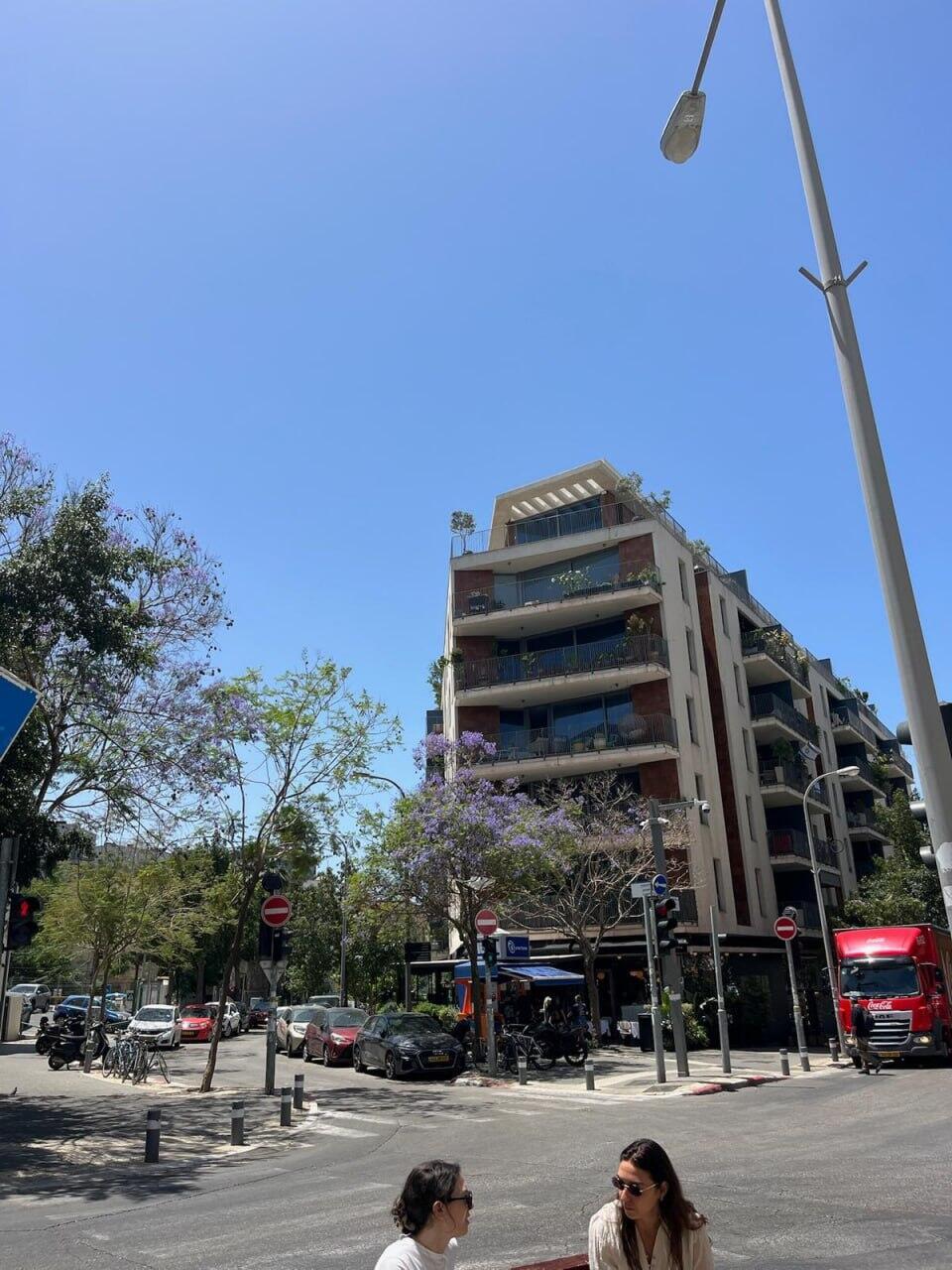
(Photo: Noah Sander)
The bottom line
The new development market in Israel right now has real opportunities, but it also has more noise than usual. More developers, more projects, and more signs on properties. And not all of them are moving at the same pace.
The buyers who navigate this well are the ones who ask the right questions before they commit. Visit the sites. Verify that construction is actually happening. Where applicable, confirm with your lawyer that the sales contract provides clarity around construction timelines and commencement dates.
The right developer, one who is building now, has a track record worth examining, and stands behind their product, is absolutely out there. So next time you walk past a 'coming soon' sign, don’t just look at what’s being marketed. Find out what’s actually being built.
- Noah Sander is a Canadian born real estate professional based in Tel Aviv and founder of ZionistInvestor.com, an AI-powered platform helping international buyers and new olim navigate the Israeli property market. For inquiries: [email protected]