

What do they do about overdraft, how much do they pay for their home, where did they last go on vacation and which expense do they regret most? People from across Israel speak candidly about their lives, before and during the war. This time: the Halawani family from Acre.
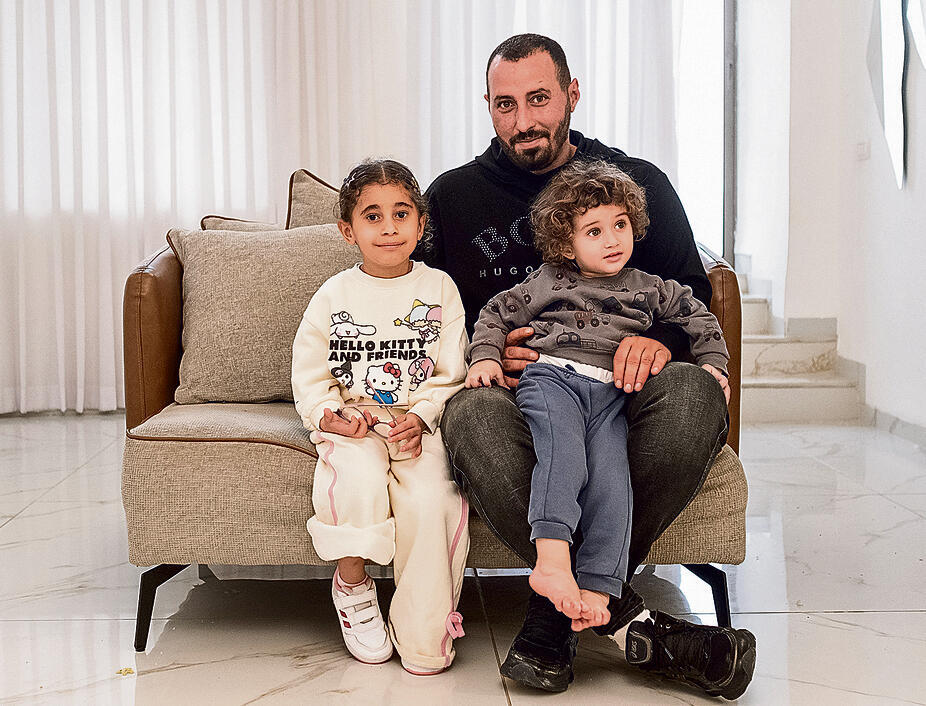
Pictured: Mahmoud, 36, Talia, 4, Mohammed, 1½. Not pictured: Reem, 34, Akram, 9, Khaled, 8.
The home?
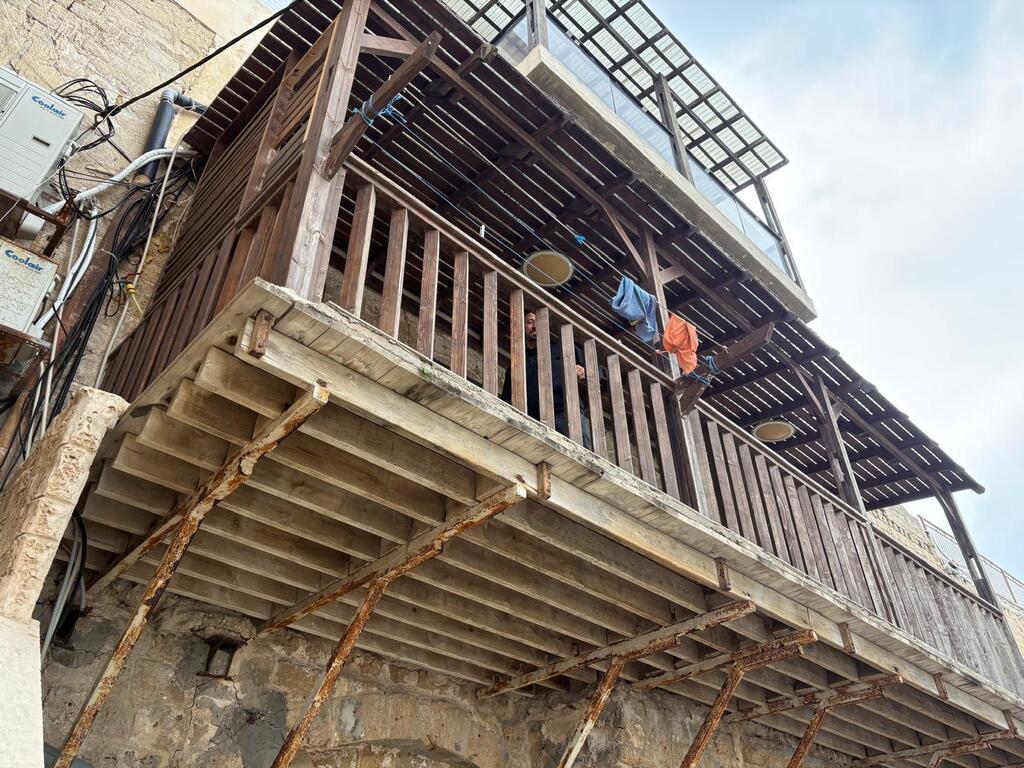
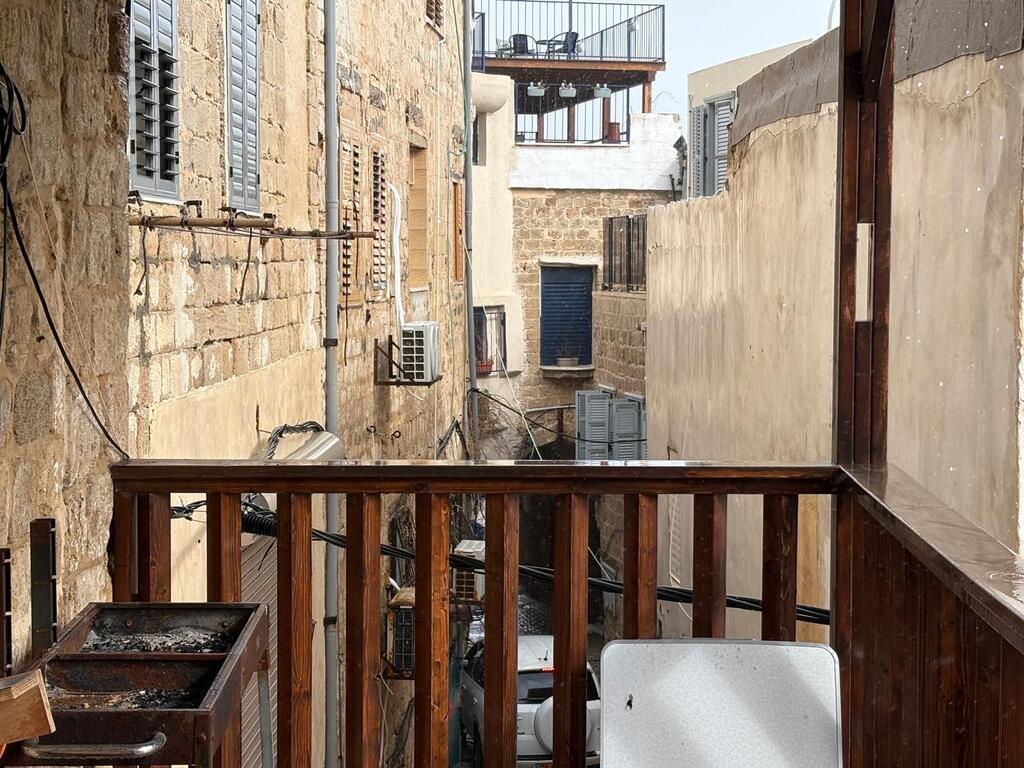
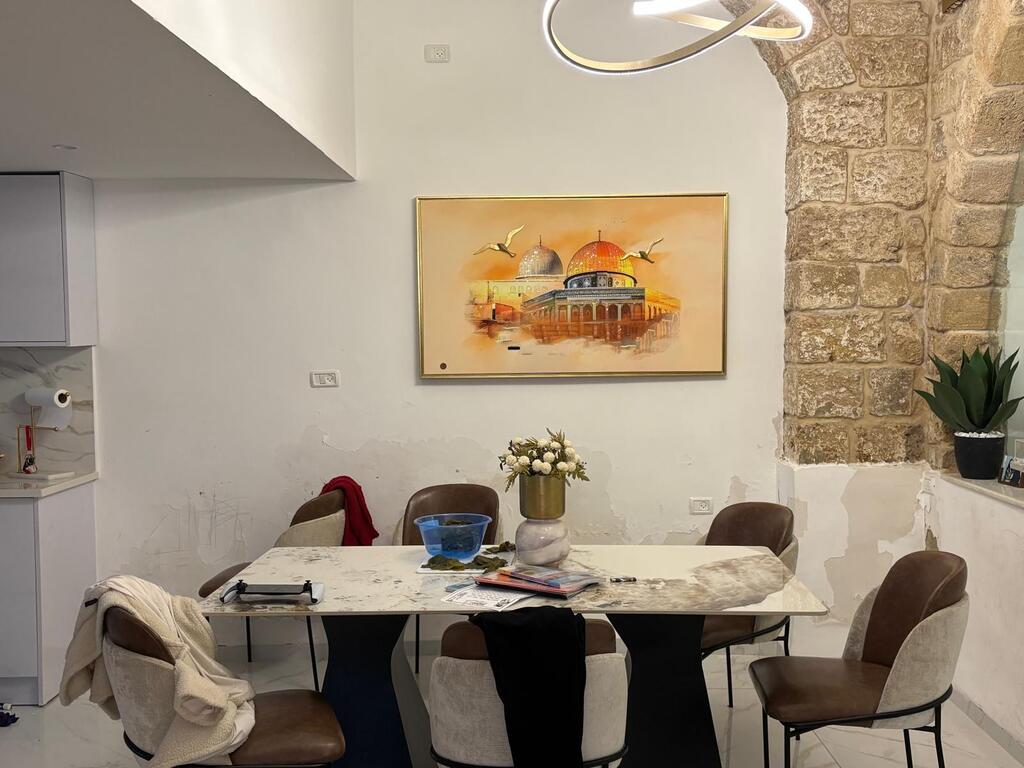
Mahmoud: “My family has been in Acre for many years, and in this house in the Old City for more than 50 years. I was born here. I have four sisters and two brothers, and we all lived here. When I got married, I took one of the rooms and part of the living room, closed it off and turned it into my home. Because the ceilings in Acre are high, I built a gallery for the kids’ room, and below that is my room and the living room. Today it’s already hard to buy a home here in the Old City — prices have risen a lot — so anyone who needs a home buys in new Acre.”
The Old City?
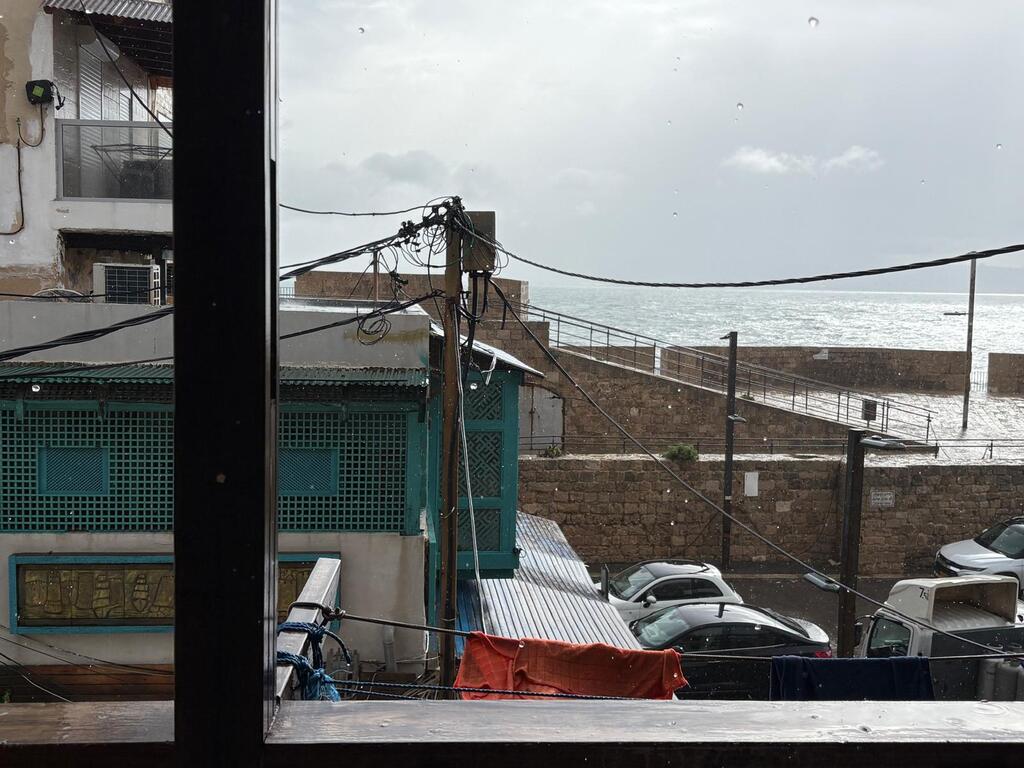
Mahmoud: “I can’t leave this place. I finish work, sit outside with my friends — that’s the best. Of course there are things here that aren’t good, but you wake up and see the ocean, and it’s worth everything. It calms you. I also live near my parents. People come and offer me whatever price I want just so they can live here. It’s mostly Jews — Arabs don’t really buy here anymore — but there’s nothing to talk about.”
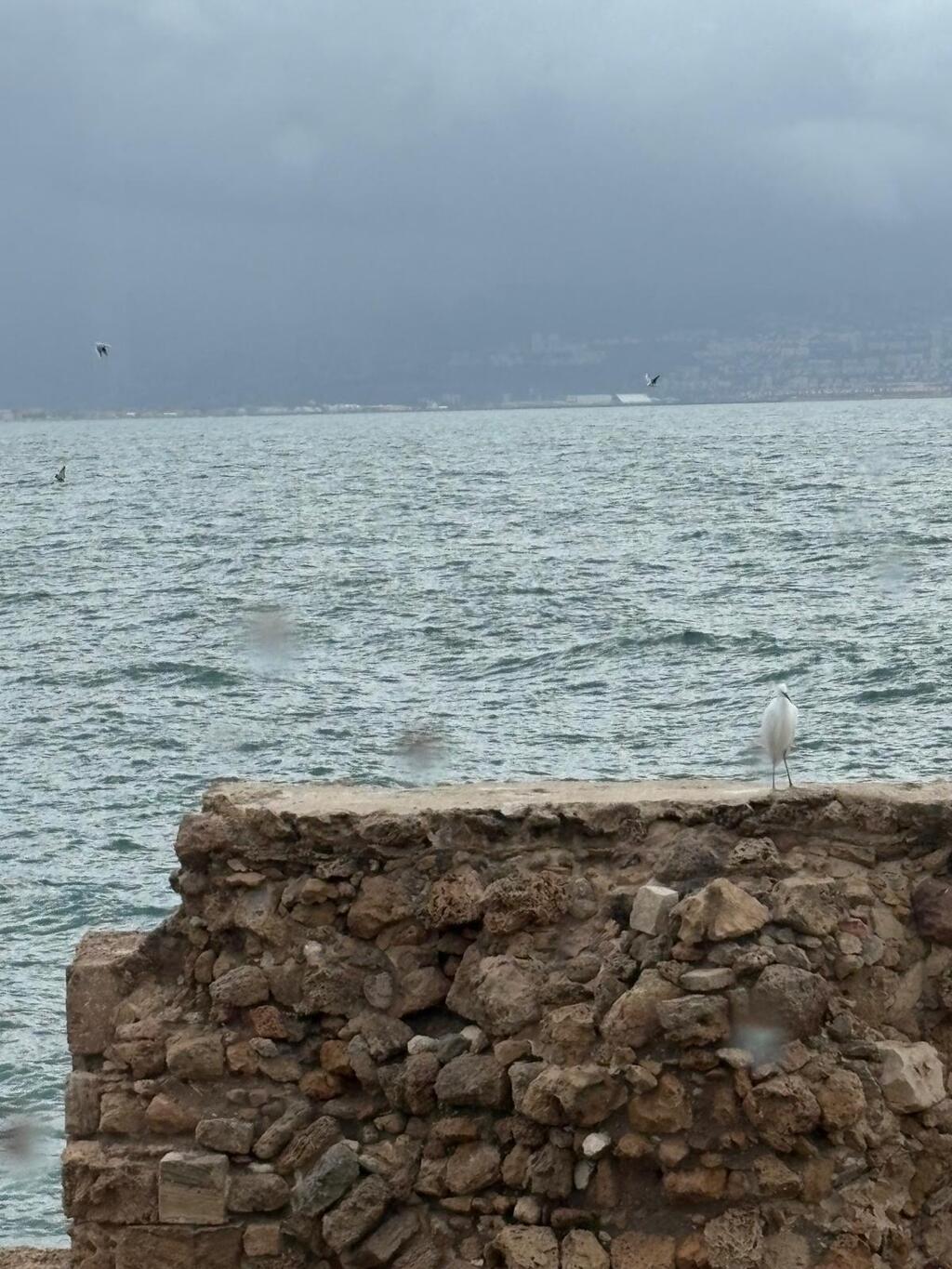
Mahmoud's view
(Photo: Assi Haim)
(Photo: Assi Haim)
What do you do?
“We’re fishermen. My father was one of the strongest fishermen in Acre, one of the best at sea. There was a time when a fisherman earned more than a doctor — piles of money. He started working at sea at age 8. My brothers and I worked with him. At 3 a.m. we’d wake up and go out to sea with him. That’s when you can catch ‘malita.’ Then at 6 a.m. we’d come back, shower and go to school. When we came back in the afternoon, we’d change and go back out. It was a lot of money, so what’s school? My mother didn’t like it. She’d tell me, ‘Leave it, the sea’s money stays in the sea.’ And in 2010, the situation in the sea deteriorated and we couldn’t even make 5,000 shekels a month.”
Deteriorated?
Mahmoud: “There was some explosion at a chemical plant near the bay and everything flowed into the sea, and the fish disappeared. We’d go out and the water was colored in all kinds of fluorescent shades. We didn’t know what to do. Then my uncle ran a tour boat in the bay and I started working with him. I saw there was money in it, and in 2011 I turned my father’s fishing boat into a tour boat. The economic situation was hard. My mother sold her gold, we took the boat to Haifa, renovated it and got started.”
(Photo: Assi Haim)
(Photo: Assi Haim)
Tour boat?
Mahmoud: “We took people out to sail in the bay along Acre’s walls. We had to make a living. At that time there was also a crazy rise in tourism in Acre. Until 2017 I worked only in tours, but fishing is in your soul — it’s stronger than you. In 2017 I bought a fishing boat too and started working with my cousin. We’d cast nets and bring in 300–400 kilograms a day. It was a rare year. The sea is like an addiction, you can’t get rid of it. When you go out to sea, you reset — you don’t think about anything.”
Reem: “And when you taste the fish you bring from the sea, it’s different. There’s nothing like the taste of calamari and small fish you catch yourself.”
Mahmoud: “When we’d come back from the sea with my father in the morning, he’d wake all my sisters and make us shrimp and calamari for breakfast. My mother would steam them with a little lemon and salt — and that’s it, eat and go to school.”
Food?
Mahmoud: “We eat whatever the sea gives. Whatever my father brought, my mother cooked. That’s how we grew up and that’s how it is today. Everyone in the family likes a different fish because each one has its own taste. I like big white tuna because it has more fat, and my brother-in-law likes only seafood. Fishermen know the taste of every fish. This profession passes down in the family. My father passed it to me. Today I have back problems after a car accident, so I hardly go out to sea — only when it’s very calm — and I passed it on to my cousin, who became one of the best. It’s the hardest job, but it’s addictive.”
(Photo: Assi Haim)
Reem?
“I stay at home and raise the children.”
Mahmoud: “I believe a woman is a queen, but she should be at home. She deserves everything she wants, and I’ll work for them.”
Financial situation?
Mahmoud: “Today I don’t make a living from the sea anymore. I left the boat to my cousin — I just want fresh fish for myself. I still work in tourism, even though it’s hard because there are almost no tourists in Acre, and I’m going to open a small shop near the train station. Life is hard here. It’s the most expensive country in the world, and we don’t earn like we used to. We live in the moment, with what we have. The city’s economic situation is tough. Everything that happens in the country hits Acre twice as hard. It’s a mixed city, and every war shuts it down — but we survive. We have nowhere else to go.”
Leisure?
Mahmoud: “We travel abroad three or four times a year. Two or three times with the kids, and once just me and Reem. Mostly to Egypt, to Sharm el-Sheikh, or to Turkey, to Antalya. It’s relatively cheap. You put down 20,000 shekels for the whole family, all inclusive. Eilat is insane — you pay 70 shekels for a shawarma in a pita.”