

Jerusalem is undergoing a major construction boom, driven by ambitious urban renewal initiatives. The city is advancing and approving plans for tens of thousands of new housing units, while private developers and contractors are flocking to the capital, pointing to Jerusalem as a model for how municipalities can promote housing development.
Jerusalem has seen a surge in construction activity in recent years, with building permits and approved plans reaching record levels. These projects span residential, commercial and employment sectors, along with infrastructure upgrades that are transforming the cityscape entirely. Officials and developers alike say the shift in approach is evident, and more is still to come, with a significant number of additional plans coming down the pike.
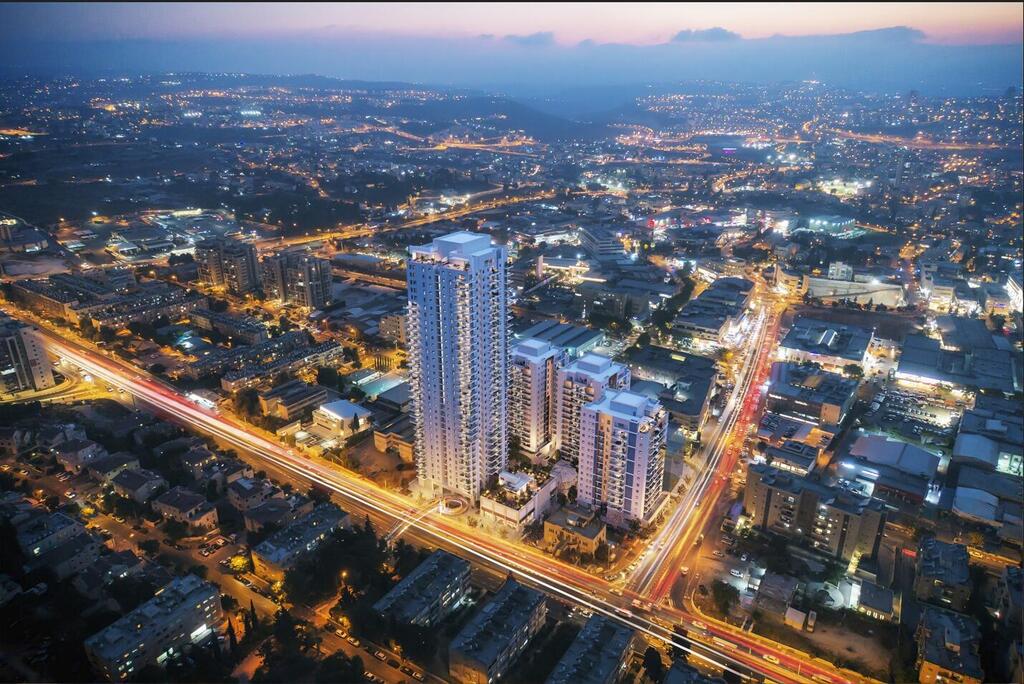
One of the key areas of growth has been urban renewal. According to data from the Israeli Authority for Urban Renewal, one-third of all housing units currently in various stages of urban renewal planning nationwide are located in Jerusalem, representing a potential for about 50,000 new units in the capital alone.
Get the Ynetnews app on your smartphone: Google Play: https://bit.ly/4eJ37pE | Apple App Store: https://bit.ly/3ZL7iNv
Jerusalem's municipality confirms the scale of the expansion. In 2024, the municipality issued more than 3,000 permits for construction and demolition under urban renewal programs. Sharon Mandelbaum, head of the city's Municipal and Business Strategic Development Division, explained: “As Israel’s capital and its most populous city, Jerusalem faces unique challenges which are responded to with innovative solutions to improve quality of life."
"We were pioneers in introducing a light rail system, and we’re now building infrastructure for an additional 75 kilometers, beyond the 14-kilometer Red Line that’s been operating for nearly a decade in central areas," Mandelbaum said, noting that infrastructure work across the city is being carried out in close coordination with residents and community councils, with an emphasis on expediting project timelines.
The city is also ramping up the pace of housing permits. “Our Planning and Infrastructure Division has significantly increased permit issuance. From an average of about 2,300 housing units per year up to 2019, we’ve grown to 8,000 annually from 2021 to 2024, and we expect the same in 2025. That’s over 28,000 units that were granted permits in these few years,” Mandelbaum said.
The city is also encouraging the development of long-term rental apartments and smaller units, in coordination with private developers and the Israel Land Authority.
As for urban renewal projects, the city has implemented a strategic approach known as the “Neighborhood Coordinator” model. This initiative ensures that infrastructure within renewed neighborhoods, such as roads, bike and pedestrian paths, parks, schools and community centers, is planned and built efficiently.
'Among the most in-demand cities for living and investment'
While the municipality advances its plans, the private sector is responding enthusiastically. Developers praise the city and district planning committee for their collaborative approach, which they say has been key to the scale of development.
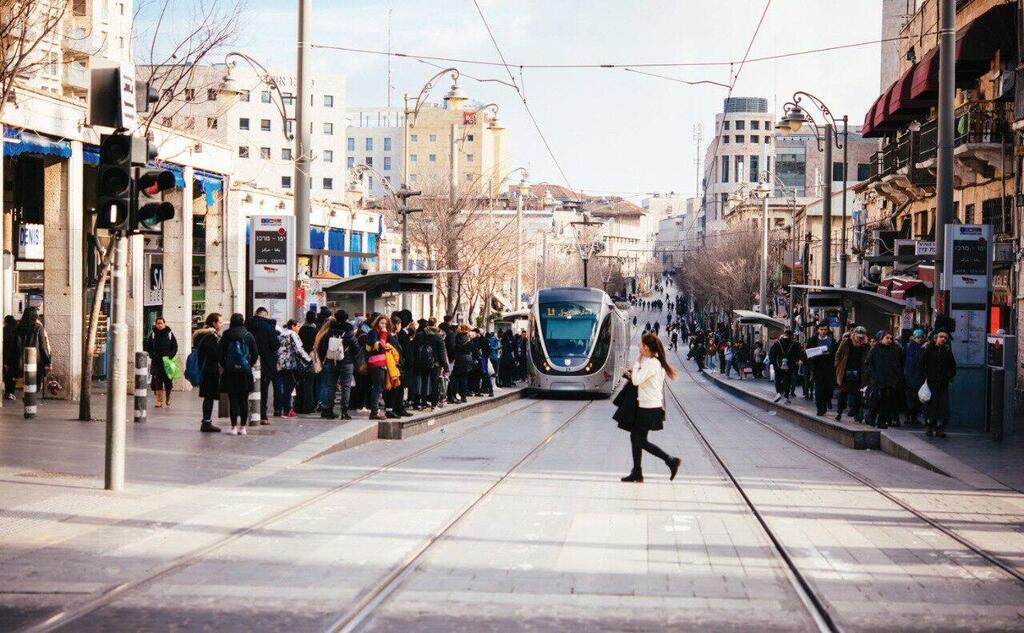
Jerusalem Light Rail 'boosts demand'
(Photo: Shutterstock)
Yoram Avisror, co-owner of Avisror Moshe & Sons, attributed the city's renewal boom to long-term planning and rising demand: “The city is now reaping the benefits of processes launched years ago, including approval of master plans and reducing red tape. Meanwhile, growing demand, especially among young people and families, is driving the market forward. Jerusalem is awakening, and we’re in the midst of an urban transformation."
Dan Parnas, CEO of Carasso Real Estate, also weighs in on the city's activities. "Demand for urban renewal projects remains consistently high," he says. "Jerusalem is among the most in-demand cities for both residents and investors, including overseas buyers, thanks to its distinctive character, history and heritage. As demand grows, so does construction. I expect this trend to continue and expand."
Africa Israel Residences is also active in the capital. CEO Ronit Eshed-Levy highlighted the company’s positive experience: "Jerusalem has become a focal point for our urban renewal and entrepreneurial activity. The volume of projects under planning reflects the momentum. We enjoy close cooperation with the city leadership, which has a clear vision and supportive policies, enabling us to advance complex projects."
Eshed-Levy described Jerusalem as a city of immense potential: "On the one hand, it has older neighborhoods in need of renewal, and on the other hand, there is growing infrastructure like the light rail that boosts demand and enhances project economic feasibility. In recent years, planning processes have become more efficient, with a deeper understanding of the importance of speeding up urban renewal."
She commended the municipality: "We work closely with the municipality and local council, which listens and responds to field-level challenges. It is clear that the city takes pride in these projects and measures success by their advancement. This shared commitment helps us tailor long-term solutions for the needs of the city and its residents alike."
"Jerusalem’s unique blend of tradition and innovation requires thoughtful urban and community planning", Eshed-Levy adds. "The positive environment and municipal support have encouraged us to expand our engagement in the city. We see Jerusalem as a strategic hub for continued development, and expect the city to continue leading in advancing development projects alongside a strong wave of urban renewal over the next decade."
Jerusalem is a national leader in urban renewal
The significant scale of construction in the city is drawing increasing numbers of entrepreneurs and contractors. Assaf Simon, CEO of BST Development, attributes this to progressive planning policies led by Mayor Moshe Lion and the district planning committee.
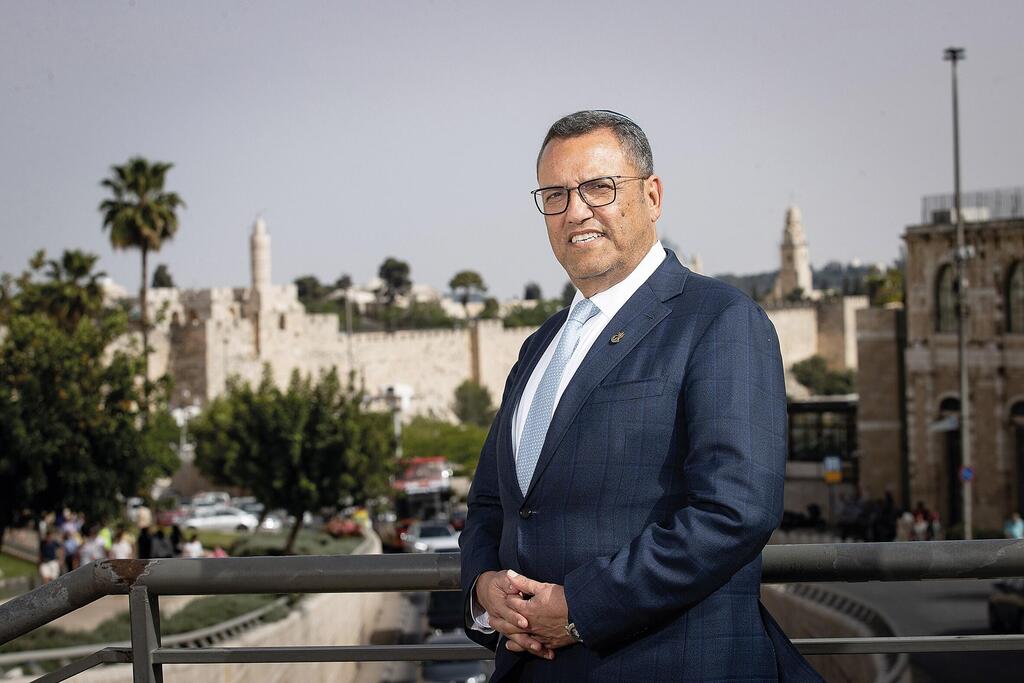
Jerusalem Mayor Moshe Lion
(Photo: Alex Kolomoisky)
"One particularly striking figure is that a third of all new apartments under urban renewal planning in Israel are located in Jerusalem," Simon noted. "The city’s broad planning scope reflects a strategic vision aiming to nearly double its housing unit stock - from around 220,000 units today to approximately 400,000 in the future. That’s a complex challenge for any city, but especially for Jerusalem, with its unique geopolitical dynamics."
Simon also addressed a side effect of this development boom: a flood of companies entering the market, not all of which are duly equipped, either professionally or economically, for the scale or complexity of these projects. "There’s a substantial gap between getting a city-building plan approved and actually executing a complex project, especially today, with rising construction costs and a shortage of skilled labor,” he said.
Simon advises homeowners seeking to initiate urban renewal projects to examine developers carefully. "The most important thing for residents to consider is the developer’s financial stability and execution capability. Ask yourself: 'Would I buy a home from this company? Do they have a track record and solid financials?'"
"In the past two years, we’ve seen numerous projects stuck between planning and execution, leaving residents stranded. That’s why companies that combine both development and construction under one roof have a clear advantage - they ensure continuity and better control over timelines and quality, thus significantly decreasing the uncertainty of project completion."
'Municipality's determined leadership'
Another key player in Jerusalem’s transformation is the city’s Urban Renewal Administration, which industry professionals credit as a major facilitator. Yonatan Azar, VP for Urban Renewal at Y.D. Barazani Ltd. emphasized the city’s strategic leadership. "Jerusalem didn’t become a national leader in urban renewal by chance. A third of all the new apartments in urban renewal planning across Israel are in Jerusalem; this is a remarkable figure that reflects a unique strategic approach."
What sets Jerusalem apart, making it a national leader in the field, is the combination of several key factors, including the city's decisive leadership and a comprehensive model tailored to the city’s complex needs, says Azar. "The municipality has created an efficient Urban Renewal Administration that coordinates between city officials, residents and developers. They anticipate and remove potential obstacles early on, which significantly shortens timelines."
Azar added that the positive approach of both the municipal planning committee and city officials enables a more substantial development in the city. "The Planning and Construction Local Committee in Jerusalem acts as a project accelerator rather than a bottleneck, and that makes all the difference. The municipality understands that urban renewal isn’t just about economics but an opportunity for social revitalization. Every project we (Y.D. Barazani) lead includes components that address community needs, such as public spaces, schools, cultural centers and local retail."
Azar pointed to the company’s Hebron Complex project as a prime example. "This is one of Jerusalem’s largest urban renewal projects, combining high-rise residential towers, including thousands of residential units, alongside office and commercial space, all designed to transform the area’s urban character. It will also include a large linear park for residents."
Ultimately, Azar believes that Jerusalem’s success lies in its long-term vision. “It’s about connecting the city’s unique historic and heritage preservation with its need for renewal. While challenges remain, the city’s model has proven itself and should serve as an example for other cities in Israel. As Jerusalem marks its municipal holiday (Jerusalem Day), the changes visible on its streets reflect a thoughtful urban renewal effort that honors the past while looking to the future.”
Ravit Kohavi, Vice President for Business Planning and Development at Sarfati Shimon Ltd., echoed these views. “Urban renewal has become a cornerstone of Jerusalem’s growth. Improved infrastructure, enhanced public spaces and expanded housing supply have created prime development opportunities. The city’s policy of cutting red tape, removing bureaucratic hurdles and supporting both residents and entrepreneurs is clearly bearing fruit."
'City's development model—blueprint for other cities and local authorities'
As Jerusalem experiences a rapid wave of construction, questions are being raised about whether the city is keeping pace in developing the infrastructure needed to support this growth. Tzeala Rosenblum-Amor, CEO of Mordechai Aviv Construction Industries, praised the city’s recent accelerated progress. "In just a few years, Jerusalem has managed to close development gaps that were decades in the making," she says. "Public housing built in the 1950s and 1960s, mostly in the city’s west and before the Six-Day War, is now undergoing accelerated permitting processes for thousands of new housing units, many of which are already under construction. These streamlined procedures could serve as a model for other municipalities across the country."
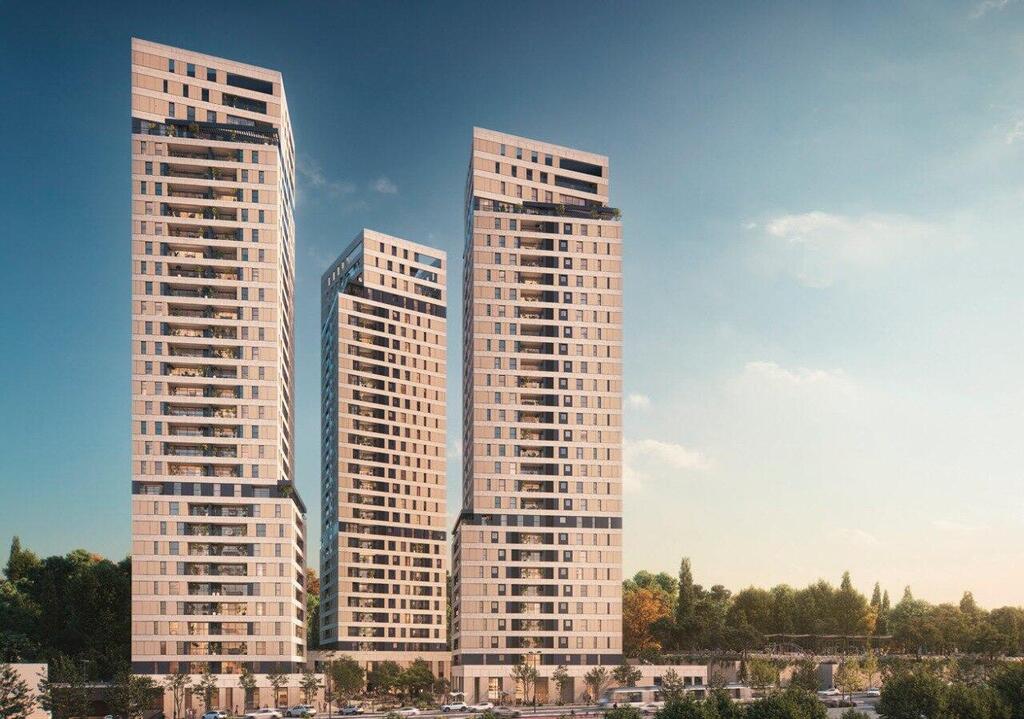
Azorim's Melach HaAretz project, Jerusalem
(Photo: 3Division)
Rosenblum-Amor emphasized that the surge in housing construction must be matched by improvements in transportation and infrastructure, along with enhancements to employment opportunities. “We’re now seeing significant mixed-use development initiatives, such as a major project underway in Givat Shaul. In the coming decade, we expect more of these, including continued expansion of the city’s light rail network. The soon-to-launch Green Line and a new gateway to the city are examples of strategic efforts to improve connectivity,” she said.
Azorim, another major developer operating in Jerusalem, also pointed to high demand and a supportive municipal environment as key drivers. "Jerusalem is now leading Israel’s real estate map, thanks to the proactive policies of the mayor, city officials and planning authorities," a company statement read. "The municipality is advancing major plans for new neighborhoods and land development, with careful attention to public services and necessary infrastructure to ensure that the city’s growth is balanced and well-planned."
Among the city’s strategies is a construction focus along the light rail corridor, which has helped shape planning logic across Jerusalem. The municipality is actively promoting rental housing projects, responding to strong demand for this type of accommodation, particularly in light of urban renewal plans requiring residents to relocate temporarily until their new homes are completed.
The company added that demand for both rental and owned apartments in Jerusalem remains strong. "We see natural demand from people upgrading or downsizing their homes, as well as migration from surrounding areas like Gush Etzion, Ma’aleh Adumim and Mevaseret Zion."
"Jerusalem is also a top destination for foreign buyers, especially among the Jewish Diaspora. The city represents one of the world’s most diverse urban environments, blending ancient heritage with a bold, modern vision for urban planning. It’s a microcosm of the broader trends shaping Israel’s real estate sector."
Yossi Avrahami Civil Engineering Works Ltd., another developer active in the capital, echoed the trend. "There is steady and robust demand from foreign buyers seeking homes in central Jerusalem," the company said. “In our Eden Project, the majority of buyers are from abroad, mainly the U.S., Canada and Europe. The project also preserves the façade of the historic Eden Hotel, built in 1938 in the Bauhaus style. This thoughtful integration of preservation with new development is part of what drives demand."
Adv. Avi Porten, the managing partner and co-head of the planning and zoning department at Agmon with Tulchinsky law firm, who accompanies many projects in the city, summarized the broader picture: "As Israel’s capital and largest city, Jerusalem now has a population exceeding one million, growing annually by more than 1.5 percent. It has a significantly higher proportion of young people and new immigrants than the national average. This translates into a yearly need for a large number of new housing units."
"Until about five years ago, the city failed to meet this demand, which also drove up land prices. Jerusalem is also a historic city with many older housing blocks built over 45 years ago, often in low-density configurations that urgently require renewal. Add to that the fact that Jerusalem was the first city in Israel to operate a mass transit system - the Red Line of the light rail already serves 170,000 passengers daily, and the Green Line is expected to open within a year, creating Israel’s first urban rail network."
This combination of a large and youthful population, high land values, a developed and expanding public transportation system and an aging housing stock that requires renewal creates a fertile ground for development and renewal," Porten said. “Overseeing all this is a leadership team that understands the stakes: the mayor, the district planning committee chair, the district planner and the city engineer are all committed to renewal, construction and development while preserving the city’s character."
"They encourage entrepreneurs to promote renewal plans, development agreements and often waive betterment levies. They recognize that boosting the housing supply is essential for Jerusalem’s economic, cultural and technological vitality and growth,” he concluded.