


“We’re not leaving Israel. We have no intention of doing that. Our house in Italy is the realization of a dream we planned long before retirement. We spend part of the year there and come back to Israel with renewed energy.”
It is a refrain heard from several older Israelis who spoke to ynet about a decision that transformed their retirement years: buying an old, sometimes almost ruined house in Italy, restoring it and spending several months of the year there. “As far as I’m concerned, there is no age limit for starting a new career and changing your life,” says Margalit Wiener, 79, CEO and co-owner of Sensi Homes, a family company specializing in locating and restoring historic properties in Italy and converting them into homes.
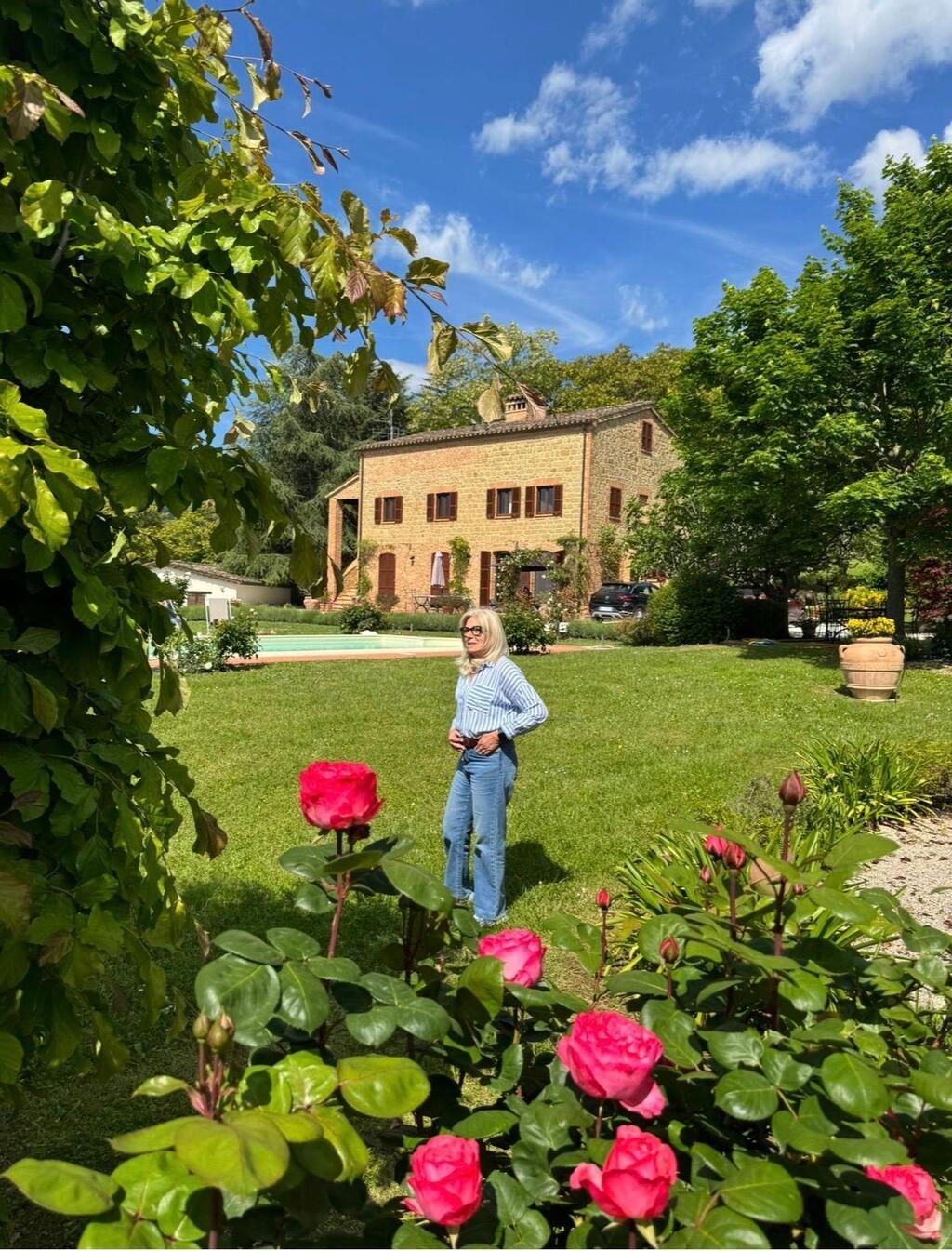
Wiener and her husband, Prof. Paltiel Wiener, 81, who headed the Internal Medicine A Department at Hillel Yaffe Medical Center for about 23 years until 2013, spend a significant part of the year at the home they built in Italy’s Marche region.
Its capital is Ancona, and while the region may be relatively unfamiliar to many Israelis, Wiener says it has become increasingly sought after among Israeli buyers.
“When I was young, after completing a degree at Tel Aviv University, my husband and I went to Italy to study at the University of Siena,” Wiener says. “Paltiel studied medicine, and I was in the law faculty working toward a doctorate in international law.”
“When I completed it with honors in 1972, the plan was for me to work in the European Union institutions and build a career there. That was the dream. But my husband returned to Israel for his medical residency, and of course I came with him.”
After their three children were born, Wiener changed direction and went into social work. She eventually became head of the social work department at Hillel Yaffe Medical Center.
“The years I worked there were the years of the Second Intifada, years of very serious terrorist attacks,” she says. “In 2005, at 58, after dealing so intensively with trauma and death, I decided to take early retirement. And then came the twist.”
What was it?
“After giving up my first dream of working in the European Union, this was my second dream. Even when we were studying in Italy, we dreamed that one day we would have a house there and divide our lives between here and there.”
“After I retired, I started making that dream happen. At first we thought about a house in Siena. After looking around and thinking it through, we decided Marche was right for us. There was something enchanting about it.”
They bought an old farmhouse from an Italian family, Wiener says, a property that was “literally a ruin.”
“With a local Italian team, we renovated and restored the house and turned it into a kind of dream castle. We moved into it about 25 years ago, and over time, just as we hoped, it became a family home, a meeting place for the children and grandchildren during holidays and vacations.”
“It’s also where I work,” she says, turning the camera to show a house that looks as if it were taken from an old Italian film. “My husband is swimming in the pool, and I’m working in the study with my daughter.”
Word spread quickly. “People started approaching us and asking for help finding homes of their own in Italy,” Wiener says. “So without planning it, I ended up with another career: restoring and building old homes in Italy.”
Today, she runs the company with her daughter Dalit, while her granddaughter Noa helps with marketing. “We’re helping dozens and dozens of families realize the dream of moving between two worlds,” she says. “Most are approaching retirement or already retired, but there are also quite a few younger people.”
“This isn’t known as a retirement destination. It’s a paradise for cyclists, water sports and culture lovers, and it’s attractive for younger families buying homes as retreats for the whole family. It’s a lifestyle that involves significant expense, but for them it is worth it.”
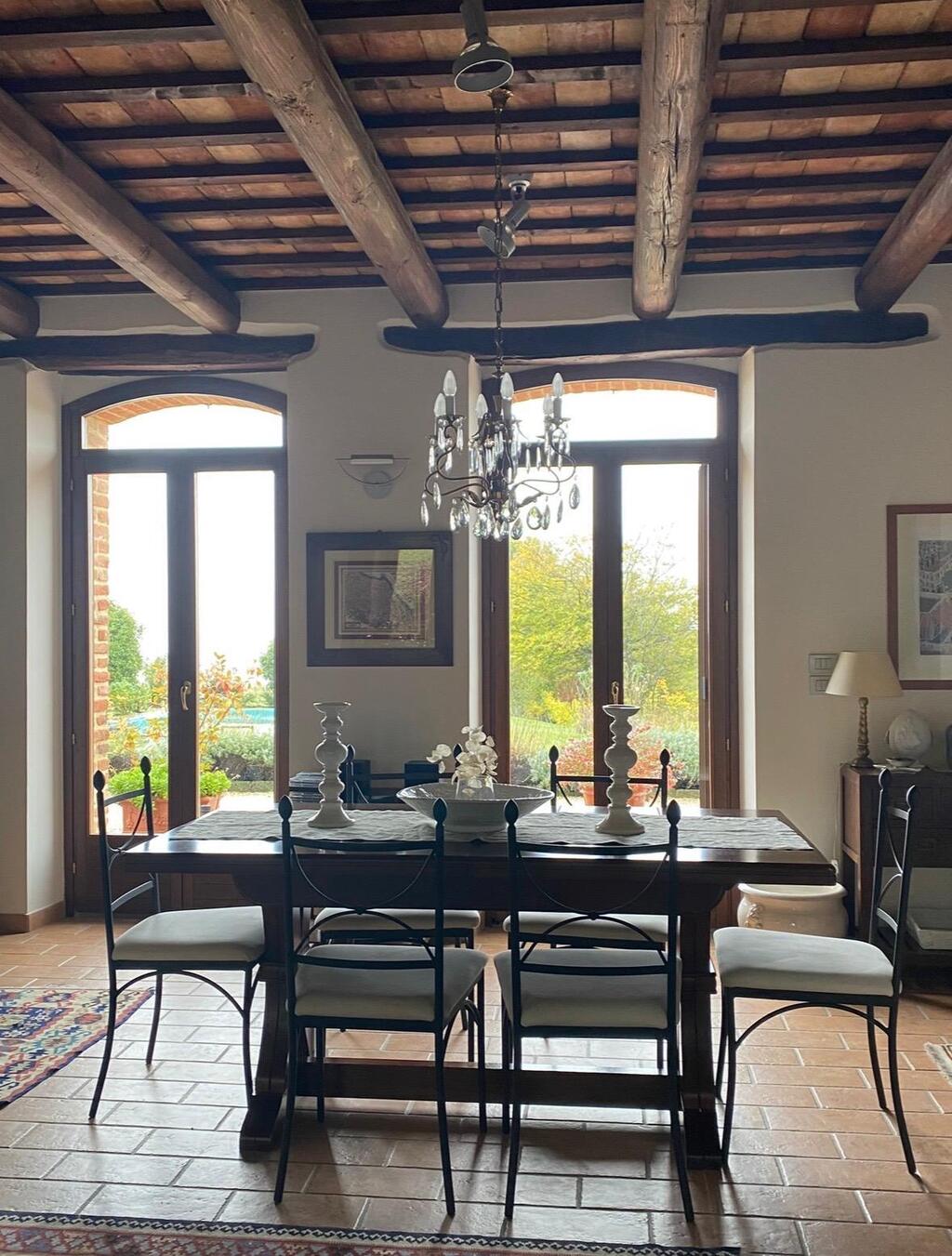
Wiener’s home in Italy
(Photo: Courtesy)
What does your company do?
“Real estate investment according to the client’s needs. The company focuses on Marche, but we can provide services in other parts of Italy as well. We market large estates and country homes. Once they are purchased, we adapt the restoration to the client’s requirements.”
“I work with law firms and notaries, accountants, architects and engineers who accompany the property from the legal and planning feasibility stage through to execution.”
Over the years, she says, an Israeli community has grown around them. “There is even a WhatsApp group for the Israeli community here, with one condition: ‘No politics.’ Recently, several families went together to an opera.”
“The feeling here is that we are fulfilling dreams. In the end, we are a growing Israeli community, but we live among Italians.”
“We come here, return to Israel, then come back again to catch our breath from everything happening in Israel, and then return again. Our children live in Israel. They aren’t leaving. We never considered leaving either.”
“We disconnect and then come back. It’s something you dream about in the second stage of life and fulfill in the third. The phrase everyone uses here is that it’s ‘life-changing.’”
What about Italian and European laws?
“Everything is done according to the law,” Wiener says. “There are rules that apply differently depending on whether you have citizenship or not.”
She says prospective buyers need to examine limits on how long they can remain in the country and understand the legal implications of ownership.
“Before buying, you check legal ownership and take a local lawyer to accompany the purchase and deal with the legal and bureaucratic issues. After buying the property, if you want to stay for longer periods, you have to look into the relevant residence requirements. If it is privately owned, you also consult a tax adviser, and in the end the houses are properly registered. All of those things have to be handled carefully.”
‘Even if the house cost only 10,000 euros, the renovation is expensive’
How much does it cost to realize a dream like this?
“In Marche, farmers are willing and often eager to sell their land,” Wiener says. “For the price of a small apartment in Israel, you can build a large private home here, properly registered.”
She says purchasing a property with an average plot of around seven dunams, or roughly 1.7 acres, can cost around 80,000 to 90,000 euros, while a fully restored property with a swimming pool, garden and surrounding landscape can reach around 600,000 euros.
“As someone who helps with my grandmother’s and mother’s marketing, I meet a lot of people who aren’t waiting for retirement before they start dreaming and living the way they want,” says Wiener’s granddaughter Noa Brenner, a blogger and social media content creator.
“I see people in their 40s and 50s starting to ask themselves what they really want the next years of their lives to look like. Not just where to work or when to retire, but how to live.”
“They ask themselves whether they want to spend part of the year in Italy, in a home they love, at a different pace, enjoying good food, meeting new people and experiencing another culture while still remaining connected to Israel.”
“I watch my grandparents move between Israel and Italy, travel, enjoy themselves and continue their family life. It affects me too.”
“We’re used to thinking that as people get older, life becomes more fixed and routine. With them, I see the opposite. They opened another world for themselves. My grandparents don’t just talk about dreams they once had. They’re living them now.”
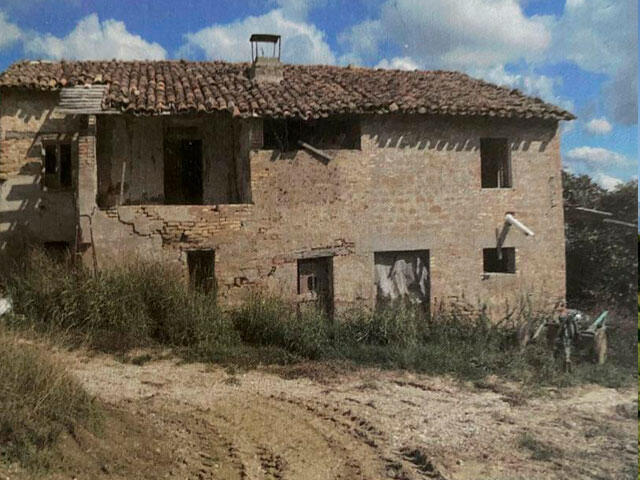
A house purchased by Israelis before renovation
(Photo: Sensi Homes)
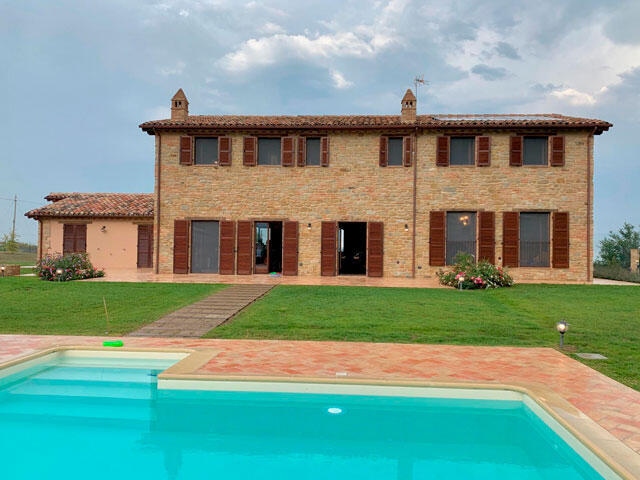
The house after renovation
(Photo: Sensi Homes)
‘The house has to fit your personality’
Although the people interviewed for this article own homes in Italy, the phenomenon also exists and is expanding in other countries, including Greece and Cyprus.
What they share is that the idea began taking shape several years before retirement, and none describes the property they purchased and restored primarily as an investment. For them, it is a home.
For Israel, a pseudonym, the dream began about a decade ago. “My wife and I are now both over 60 and retired,” he says. “We used to take family vacations in Europe in holiday homes at least twice a year. You take the family, rent a house for a week or more and come back.”
“We especially loved the Peloponnese in Greece. Over the years, those vacations became very expensive, and we decided a house of our own would suit us.”
About a decade ago, the couple decided to find a home where they could spend around half the year in alternating periods. “We started looking in the Peloponnese, but after thinking about it, we realized Greece wasn’t right for what we wanted. We considered France and Italy and chose Italy.” They first looked at Marche but eventually decided on Umbria.
What was the difference?
“A house abroad has to fit your personality,” he says. “What works for someone else doesn’t necessarily work for you.”
“For example, I need cafés and restaurants near the house, not somewhere that requires a long drive. Umbria is more central than Marche.”
“Why not Tuscany? Umbria feels authentically Italian. Tuscany is international. In Umbria you have locals, long-established Italians, domestic tourism and picturesque towns.”
They eventually found a ruin and bought it with the help of a lawyer and contractor. “You have to know how to enter a renovation project in Italy,” he says. “It’s very easy to get into trouble if you don’t have local professionals guiding you.”
Before completing the purchase, they found developers who restored the building’s exterior. “The house itself wasn’t expensive, but with the renovation we reached a substantial sum of hundreds of thousands of euros.”
‘It isn’t cheap’
Much attention in recent years has focused on Italian towns offering abandoned properties for as little as one euro as part of efforts to revive shrinking communities. “There are many empty properties in Italy that can be bought, but the renovation is expensive and there are standards you have to meet,” Israel says.
He points in particular to structural requirements intended to improve resilience against earthquakes. “That means you need local professionals. Even if the house cost only 10,000 euros, the renovation is expensive.”
“I want to break an urban myth here. This isn’t cheap, and everything has to be checked.”
He says prospective buyers should independently verify professional advice through qualified local experts rather than relying only on recommendations from other Israelis. “In the end, we recently moved into our dream house after seven months of renovation.”
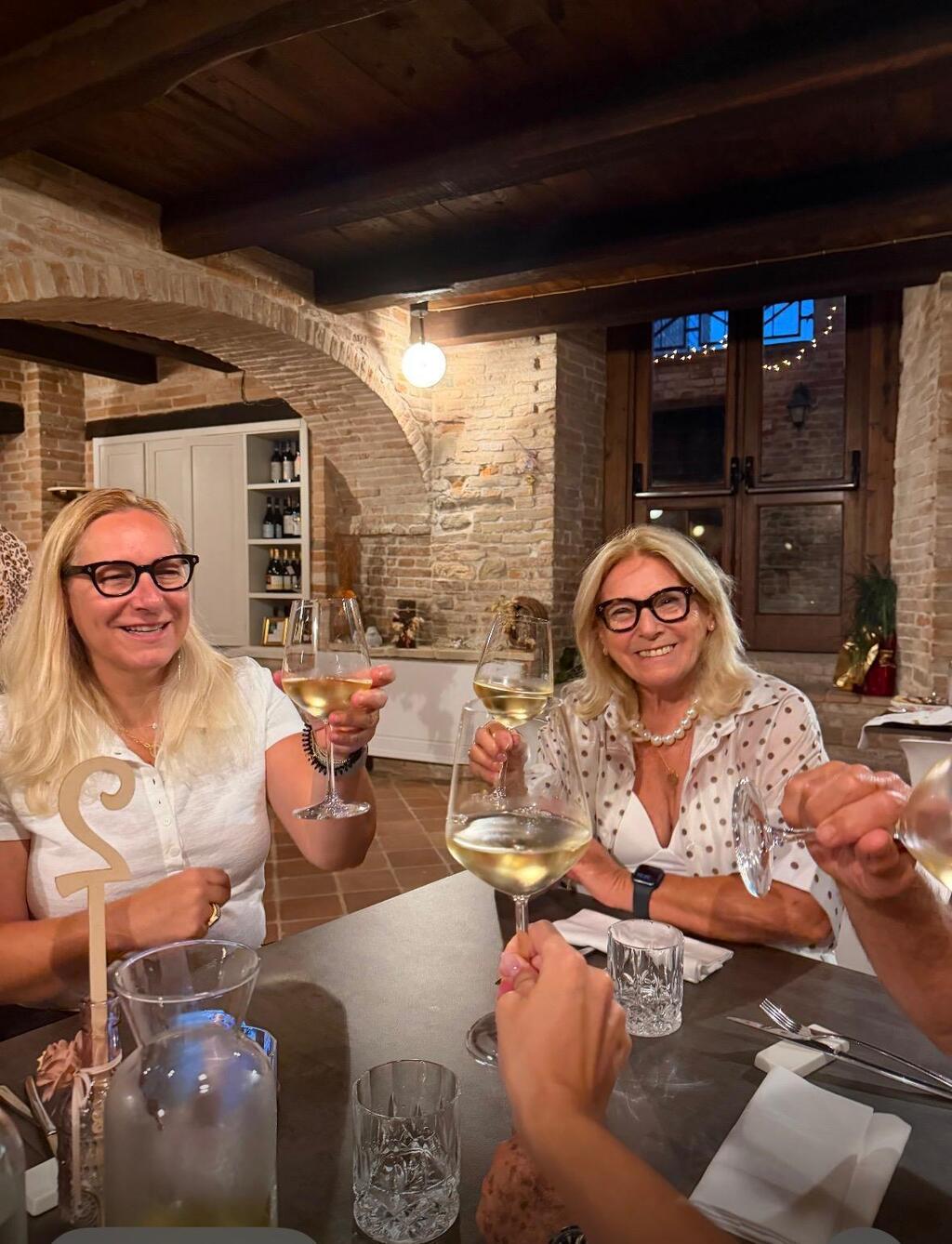
Margalit Wiener and her daughter at their home in Italy
(Photo: Courtesy)
Do you speak Italian now?
“Absolutely not,” he laughs. “What do you think Google Translate is for? We’re slowly learning now, but we manage perfectly well without it.”
In the past, the couple would use the final day of every vacation to choose the dates and destination for their next one and buy tickets in advance. “We still do that today, except now the destination is our own home, with the whole family. It changes the routine.”
“Getting out of Israel is good ventilation. We arrive in Umbria and find calm. There’s no irritability here. We miss that in Israel.”
He says the notary who handled their transaction told him that more than half the deals he had closed over the previous six months involved Israelis. “This isn’t about not living in Israel,” he says. “The center of our lives will remain in Israel. We believe there is no other place in the world for us.”
“But here it’s an island of sanity, a place to relax, not an alternative. It adds something to life.”
He prefers to remain anonymous. “We want to live in the moment and look forward. You’re speaking to me now while I’m in Israel. We came back from Umbria a week ago. In another two weeks, we’re going back.”
‘A choice about quality of life’
Revital, also a pseudonym, and her family bought a nearly ruined property in Marche around seven years ago, renovated it and now use it for family time, although they spend much less of the year there than some of the other families.
“We were looking for a house in a less familiar region where there wouldn’t be many Israelis,” she says. “That’s why we didn’t want Umbria or Lake Como.”
“Marche is completely different. Most of its tourism is domestic Italian tourism.”
At first, they considered Greece. “We’ve traveled there for years, but because so much closes between September and May, we decided on Italy. We contacted Margalit, and she helped us find the house we bought and restored. For us, it is the realization of a dream.”
The timing, however, was complicated. “In our case, we signed the contract just as COVID began. For a year and a half we couldn’t fly there. We built the house remotely.”
“The house in Italy is for family vacations. Little by little we are learning the language, enjoying the area and becoming part of the community.”
How much of the year do you spend there?
“At most a month a year. My husband is still working. Maybe that will change in the future, but even this is enough.”
Do you rent it out the rest of the year?
“Absolutely not,” she says. “We didn’t buy and renovate it as a financial deal. We bought it as an important addition to the way we live.”
“It’s about being with the family and enjoying every moment. I would recommend it to anyone who has the financial ability to do it. It isn’t cheap, but it is a choice about quality of life.”
“The idea is to take a break, breathe and then return to our real home in Israel. The house in Italy isn’t a refuge. We aren’t escaping there. It is a place to go, catch our breath, and then come back here, to our real home.”