


For Sharon, a New York resident, the election of an anti-Israel politician was the straw that broke the camel’s back. Like many Jews from the United States, Europe and even the United Arab Emirates, she has been shaken by the rising wave of antisemitism, a sense of personal security eroding and prompting a more serious interest in buying a home in Israel. Recent purchase data points to a shift.
“The election of Zohran Mamdani as mayor of New York put us in shock,” said Sharon, a Brooklyn resident and mother of three. She and her husband recently bought a five-room apartment in Beit Shemesh. “The pressure and anxiety began after the events of October 7. The entire Jewish community in our neighborhoods went into a state of deep fear, and my husband decided we needed to buy an apartment in Israel.
“We withdrew our savings and started looking. After two years of war and constant pressure, the Mamdani bomb dropped, and we saw how the stress was causing more and more friends in the community to rethink their future and look for homes in Israel.” According to Sharon, their lives have worsened in recent months. “Since he was elected, we avoid leaving our immediate area. I stopped going to Manhattan. There’s been an increase in antisemitic incidents, and we’re afraid.”
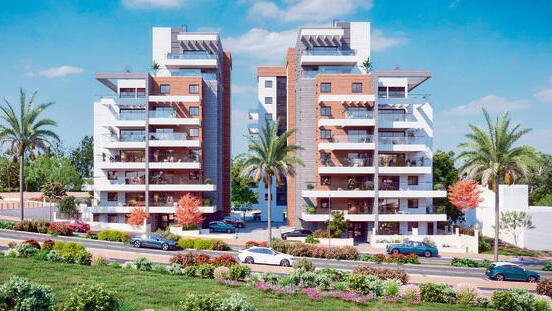
The search for a home in Israel was challenging. “It took a long time until we found something that really suited us,” she said. “We’re a religious-traditional family, and we had criteria such as a strong community, educational institutions and a residential project in a less crowded neighborhood. That’s how we ended up in the Neve Shamir neighborhood in Beit Shemesh.”
They purchased the apartment for 2.65 million shekels in a Netiv Group project. “Knowing we have an apartment in Israel and will soon receive the keys gives us peace of mind. At first, I assume we’ll rent it out until we arrange all the logistics of immigrating to Israel,” she added.
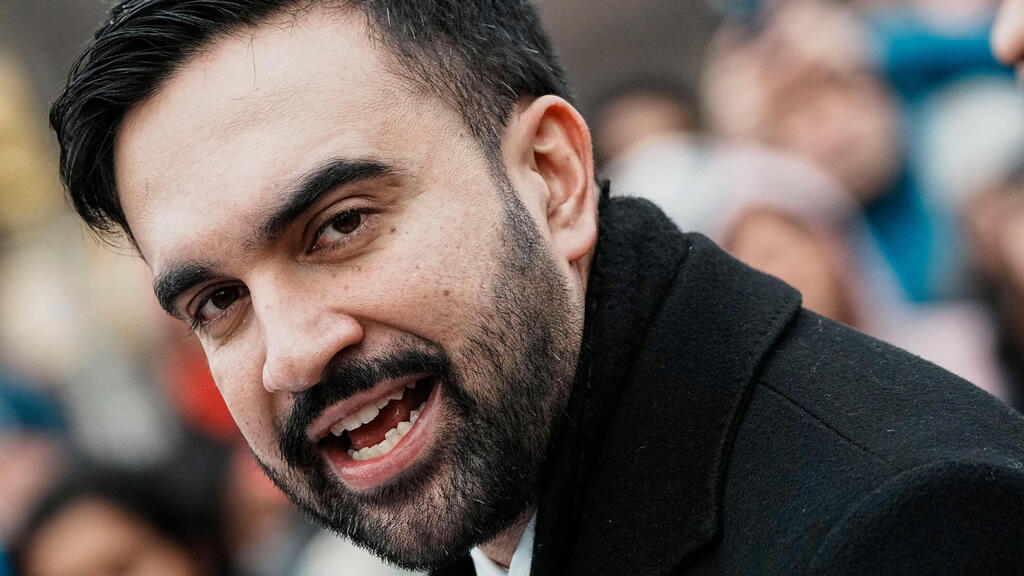
Zohran Mamdani, Mayor of New York City
(Photo: AP Photo/Eduardo Munoz Alvarez)
The Beit Shemesh case is not unique. Foreign residents and Jews from abroad have been buying property in Israel in recent months amid rising antisemitism worldwide. While Israel’s housing market is experiencing a prolonged slowdown in transaction volumes and investors make up a smaller share of buyers, making it hard to define this as a full-fledged trend, such purchases are increasingly visible on the ground. Some are high-end investment deals, while others are “standard” purchases intended for residence.
The Netiv Group reports strong interest among Jews from New York. According to Naftali Bar Natan, a sales manager at Eldar Real Estate Marketing, which is marketing Netiv’s Beit Shemesh project, “Neve Shamir has a large American community. Since Mamdani entered the race, we’ve received inquiries from overseas real estate fair organizers who said demand for homes in Israel among Jews living in New York is rising and invited us to participate in fairs in the U.S.”
Bar Natan said the company traveled to New York and met families who were genuinely afraid to stay. “Even before deciding whether to immigrate, they wanted, for peace of mind, to buy an apartment here. The neighborhood is a soft landing for them thanks to the Anglo-Saxon community living there, which made the decision easier. Some plan to immigrate, others bought ‘refuge apartments.’ I believe this trend will continue and demand will grow.”
Demand for larger apartments
Beit Shemesh is not alone. In Netiv Group’s “Shirat Hayam” project in Kiryat Yam, a four-room penthouse of 110 square meters with a 50-square-meter terrace was recently sold to a Jew from New York for 2.72 million shekels. The buyer is negotiating the purchase of another apartment for his son. The group says it plans to take part this year in three overseas sales fairs, one in England and two in the United States.
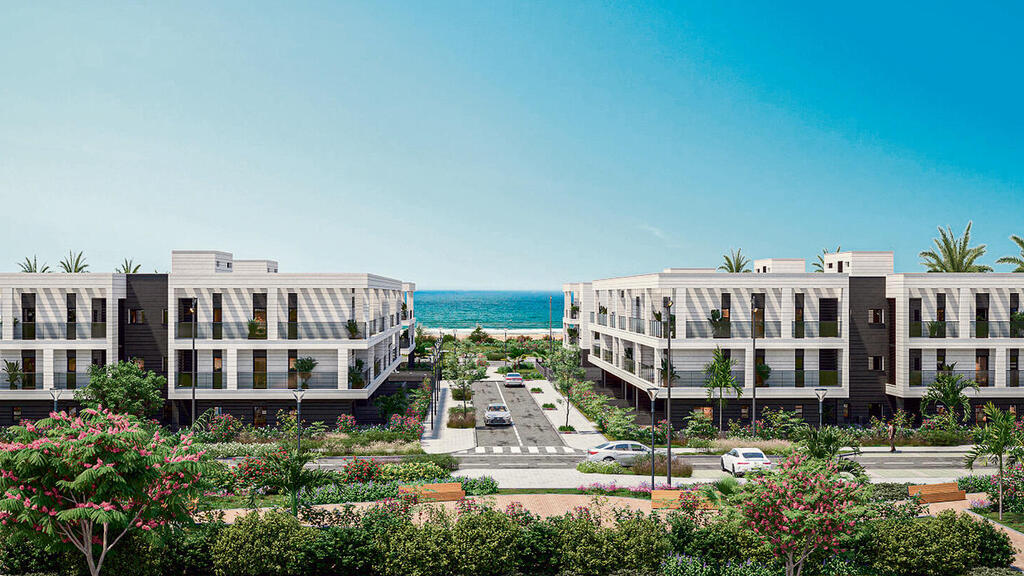
The Netiv Group's Shirat Hayam project in Kiryat Yam
(Image: Snapshot)
Aviv Melisron sold a penthouse apartment in Netanya in December for about 18 million shekels to an Israeli who immigrated from the United States. The 185-square-meter apartment, with a 92-square-meter terrace on the 15th floor of the SEA AVIV project along the waterfront, reflects a price of about 97,000 shekels per square meter. The company says this was the city’s most expensive deal in 2025.
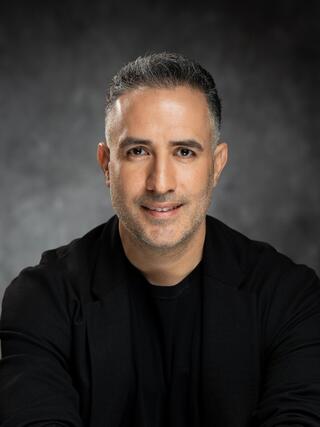 Tsahi Didi, CEO of Aviv MelisronPhoto: Rami Zarnegar
Tsahi Didi, CEO of Aviv Melisron, said, “Against the backdrop of rising antisemitism worldwide, we’re seeing an increase in apartment purchases by foreign residents, mainly from the U.S. and England. At the same time, there’s been a change in the mix: if in the past they focused on small investment apartments, demand has shifted to larger homes intended for living, sometimes with permanent immigration in mind.”
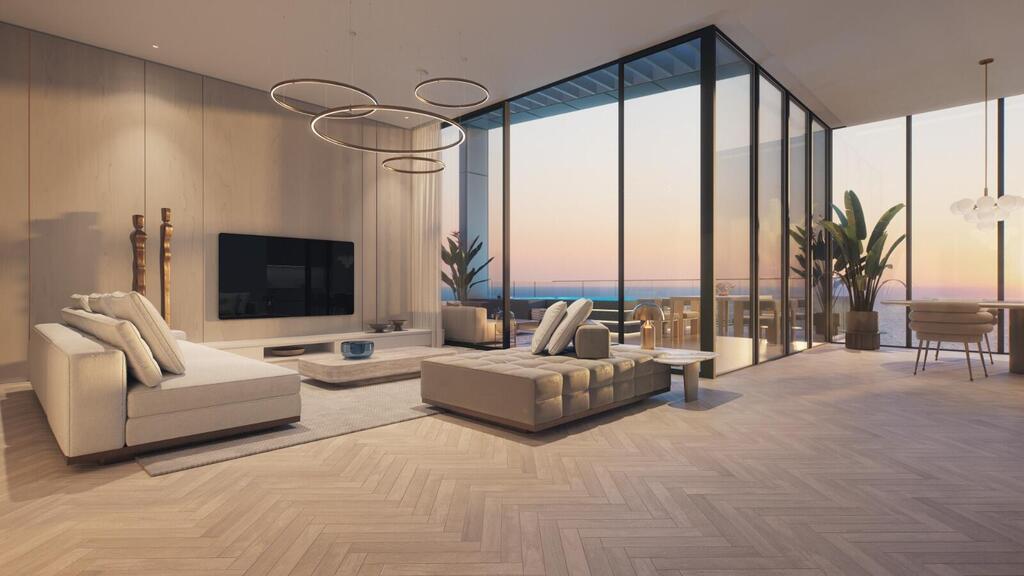
SEA VIEW project by Aviv Melisron in Netanya
(Courtesy of Aviv Melisron)
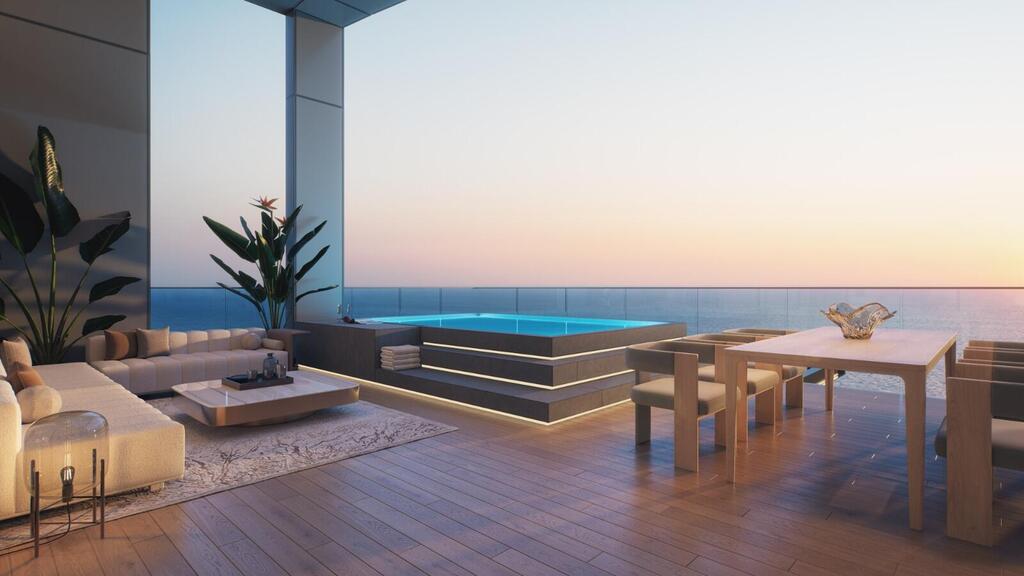
SEA VIEW project by Aviv Melisron in Netanya
(Courtesy of Aviv Melisron)
Rayk Real Estate Group, part of the Aspen Group, also completed several apartment sales to foreign residents, mainly from the U.S., in December. In Tel Aviv’s Old North, a four-room apartment of 118 square meters with a balcony sold for 6.99 million shekels to an Israeli living in Boston, while a three-room apartment of 80 square meters with a balcony sold for 4.6 million shekels to an Israeli living in Miami.
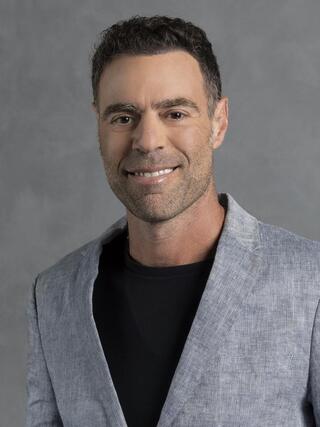 Yossi Rayk, CEO and owner of Rayk GroupPhoto: Raz Rogovsky
Interest is not limited to the U.S. or England. The company reports that two three-room apartments of 82 square meters with balconies in the same neighborhood were purchased by Israelis living in the UAE for about 5.4 million shekels each.
“We’re seeing a gradual return to sales offices, especially among foreign residents,” said Yossi Rayk, CEO and owner of Rayk Group. “These deals take time to mature, but they illustrate a return of buyers to Tel Aviv. Foreign residents are looking for projects that suit their needs, possibly for personal use upon returning to Israel.”
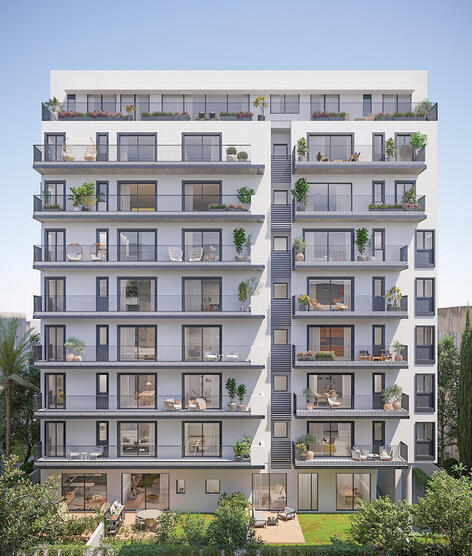
Weizmann 27-29 project in Tel Aviv by Rayk Real Estate
(Image: zeituni3d)
Deals conducted via Zoom
Peretz Bonei HaNegev recently completed several deals in a project in Ra’anana’s Neot Sadeh neighborhood after three families from France and South America decided to immigrate to Israel. Each family purchased a five-room apartment averaging 165 square meters with a 23-square-meter balcony for 5.3 million shekels.
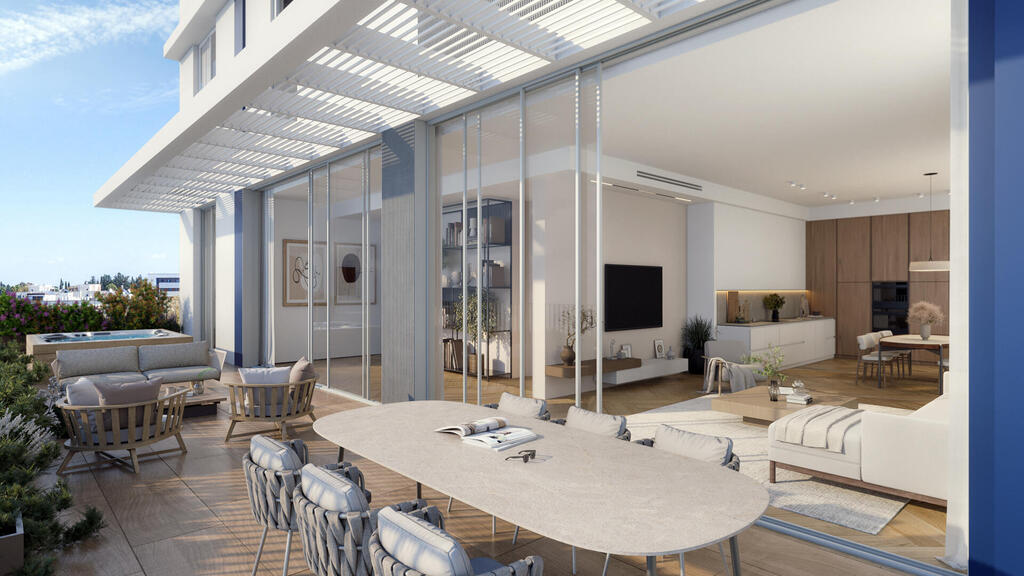
Geopolitical tensions in Australia have also left their mark. Following a deadly attack in Sydney during Hanukkah in which 11 people were killed, an Israeli architect living in Australia recently bought a three-room mini-penthouse for 8 million shekels in the boutique Bezalel Residence project in Tel Aviv. The 91-square-meter apartment includes a 42-square-meter terrace, reflecting a price of about 88,000 shekels per square meter.

Bezalel Residence project by Capital Platinum in Tel Aviv
(Image: Evolve Media)
Bezalel Residence project by Capital Platinum in Tel Aviv
(Image: Evolve Media)
The project, which includes two seven-story buildings with 39 apartments, was designed by architect Pitsou Kedem and is being built under the TAMA 38/2 urban renewal program. The apartment is located on the sixth floor out of seven, and the company notes that most of the transaction was conducted remotely via Zoom. After reviewing about 10 projects in Tel Aviv’s District 4, the buyer chose an apartment on Bezalel Street. The deal and apartment customizations were completed during a roughly 10-day visit to Israel.
"This transaction points to a new and strengthening trend," said CPA Roni Zohar, chairman of Capital Platinum. "We are witnessing a deep shift in mindset among Jews in the diaspora. The combination of the war and manifestations of antisemitism worldwide has turned Israeli real estate from a business opportunity into a strategic necessity. For them, an apartment in Israel is no longer measured only in terms of return, but serves as an anchor of stability and an insurance policy for the family’s future."
 Roni ZoharPhoto: Israel Hadari
The developer was represented in the deal by Roie Kaner and Shani Shulz of the Montefiore Real Estate Group, which markets the project and specializes in working with foreign residents and new immigrants. "This was a deal closed at a high price per square meter, reflecting the exceptional demand we are currently seeing from overseas buyers looking for safe, high-quality properties in central locations," they said. "The buyer is a resident of Australia, a country whose Jewish community has recently experienced a shocking massacre."
 Roie KanerPhoto: Karin Pliswasser
They added, "At a time when we are seeing a worrying rise in antisemitic incidents worldwide, more Jews in the diaspora are seeking to strengthen their connection to Israel, whether as an investment or as preparation for a future move. Overseas buyers are willing to pay a premium for security, stability and a high-quality real estate product. This demand supports prices and strengthens the market even during periods of uncertainty, and we believe the trend will continue."
Buying for grandchildren
Jerusalem is one of the few cities where apartment prices have continued to climb, despite a broader trend of price declines in recent months, which was unexpectedly halted in the latest index. One reason is the city’s appeal to foreign residents and Jews from abroad. Many projects are drawing interest from those planning to immigrate to Israel, as well as from those seeking a "safe haven" apartment, and developers report a range of recent transactions by foreign buyers.
In the Givat Hamatos neighborhood, for example, a five-room apartment measuring 125 square meters with a 17-square-meter balcony in the Aderet project by Ram Aderet and Sela’it was sold to a Jewish couple from New Jersey for 4.075 million shekels. According to the company, the couple also plans to immigrate to Israel due to rising antisemitism.
In Moradot Arnona, a penthouse apartment in the Luria project built by the Tzarfati Shimon Group near the future U.S. Embassy complex was sold in late December to a family with three children immigrating from London. The 128-square-meter apartment, with 39 square meters of balconies, two parking spaces and a storage unit, was purchased for 4.8 million shekels.
The group said additional relatives have purchased apartments in the project, and that the family’s grandfather is also negotiating the purchase of a garden apartment in the complex. Another recent deal in the same project involved the sale of a four-room apartment measuring 98 square meters with a 14-square-meter balcony, parking and storage to a 35-year-old Jewish woman from South Africa for 3.6 million shekels. She completed the transaction via Zoom.
Real estate professional Alina Gutz, who specializes in secondhand apartments in central Israel, says she is seeing more inquiries from foreign residents seeking to buy resale apartments. According to her, the search is focused mainly on existing properties for children and grandchildren. "We are seeing interest in areas that were previously not on their radar, such as Petah Tikva and its surroundings, alongside a rise in inquiries about secondhand properties," she said. "Behind these decisions is a practical consideration tied to rising antisemitism and the need to create a safe anchor in Israel."