

LA high-stakes home game players: When you see your favorite former NBA player, comedian, or actor at a mansion game run by a shady-looking dude you’ve never seen before, run. At best the celebrities, too, are being duped. At worst, they’re in on it.
That warning came from Garrett Adelstein, one of the most recognizable names in the poker world, known for playing at the highest stakes and for his deep insight into the secretive world of private poker games — a world that has suddenly become front-page news across America.
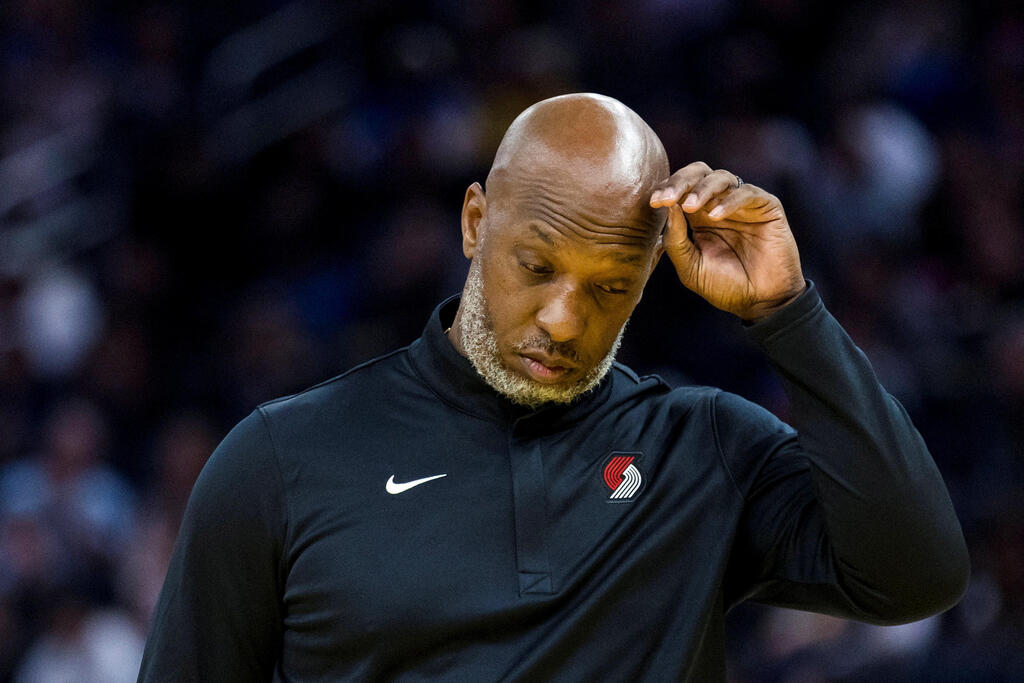
A shockwave through US sports
On Thursday, an earthquake hit American sports — and the NBA in particular.
Chauncey Billups, former Finals MVP (2004) and current coach of the Portland Trail Blazers, was arrested on suspicion of participating in a scheme that rigged private poker games worth millions of dollars.
He wasn’t the only basketball figure detained. Terry Rozier, currently with the Miami Heat, and former NBA player Damon Jones were also arrested.
According to the indictment, Billups was part of a 30-person network that rigged private poker games across the country. The case reportedly involves well-known organized crime families and includes allegations of sports-betting fraud as well.
The FBI investigation, dubbed Operation Royal Flush (after the strongest hand in poker), uncovered a sophisticated high-tech cheating ring.
Card-shuffling machines used in these games could read the players’ cards and transmit the data to outside accomplices, who then relayed it to the scammers’ cell phones.
There were also X-ray poker tables, marked cards readable through contact lenses or special glasses, and even chip boxes containing hidden scanners that could read concealed cards.
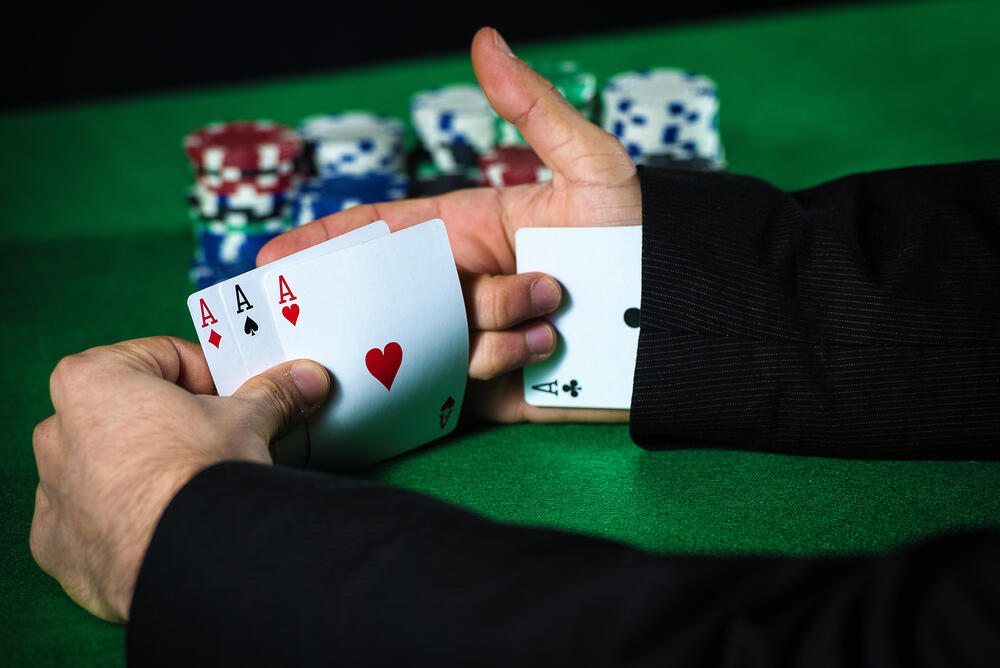
(Photo: Shutterstock)
These aren’t science fiction inventions. Earlier this month, Wired magazine published a video demonstrating how automatic shuffling machines can be manipulated for cheating.
Poker blogger Doug Polk, one of the most influential voices in the game, has long warned his followers to avoid private games using such devices.
How the scam worked
In these fixed games, the cheaters shared profits with the game organizers, while the victims were sometimes pressured to transfer their losses to shell companies that laundered the money. Organizers allegedly resorted to extortion and even physical violence to ensure payment.
Authorities estimate the victims lost around $7 million, with one player alone losing $1.8 million. The NBA has suspended both Billups and Rozier pending the outcome of the investigation — a scandal that has cracked open a Pandora’s box of corruption in America’s underground poker scene.
Professional player and poker celebrity Maria Ho wrote on X (formerly Twitter): “Throughout my career, I’ve tried to steer clear of high-stakes private games. The few times I’ve joined, they always felt like a losing proposition. Even if you personally know one of the organizers, the chance of being cheated is high because multiple people are involved. If you’re playing in a private poker game and questioning whether it’s legit — there’s a good chance it’s not. And don’t forget the astronomically high rake.”
A fight for poker’s reputation
Poker has long fought to shed its shady image as a game for hustlers and criminals. In recent years, it’s gained legitimacy as a strategic, intellectually demanding sport, requiring decision-making skills, mathematical reasoning, emotional control, and psychology. But this scandal threatens to set that progress back decades.
Professional player David “ODB” Baker defended the game on social media: Just because poker was the tool used to steal doesn’t mean poker is bad. It means these people were bad. If it wasn’t poker it would be some other tool to defraud people. Don’t be afraid to defend the industry just because there were some bad apples.