

Over the past decade, SUVs have done to minivans what smartphones did to compact cameras — nearly wiping them out, leaving only a small and often expensive niche segment for enthusiasts. The shift has left large families relying on SUVs that may offer versatility and even some off-road capability, but lack the unique and creative solutions for family transport that minivans developed over the years.
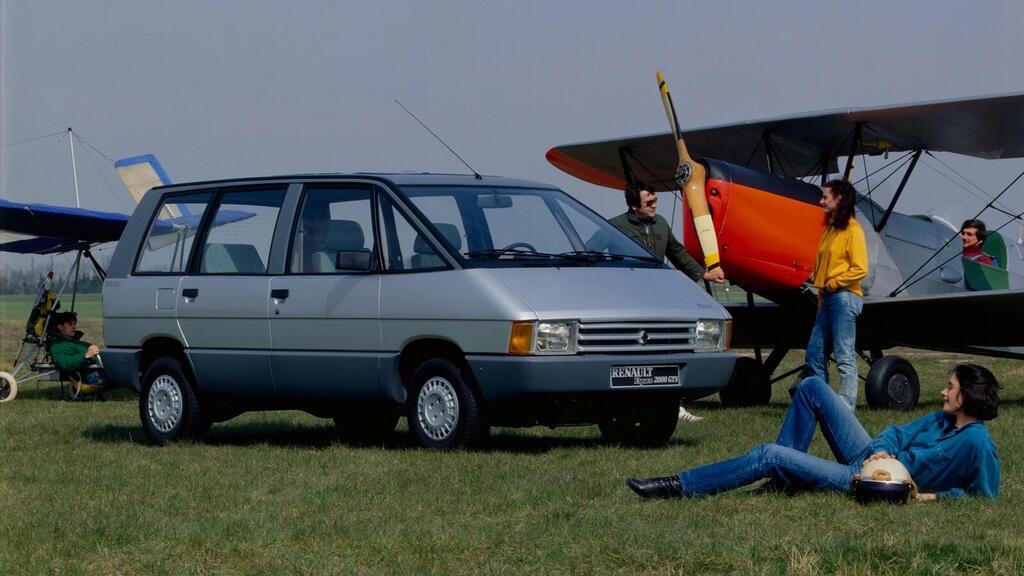
Marking just over 40 years since the birth of the modern minivan — with ongoing debate over whether the title belongs to the American Dodge Caravan or the French Renault Espace — here are some of the most notable features that emerged in family people carriers.
Swivel seats: like sitting on a train
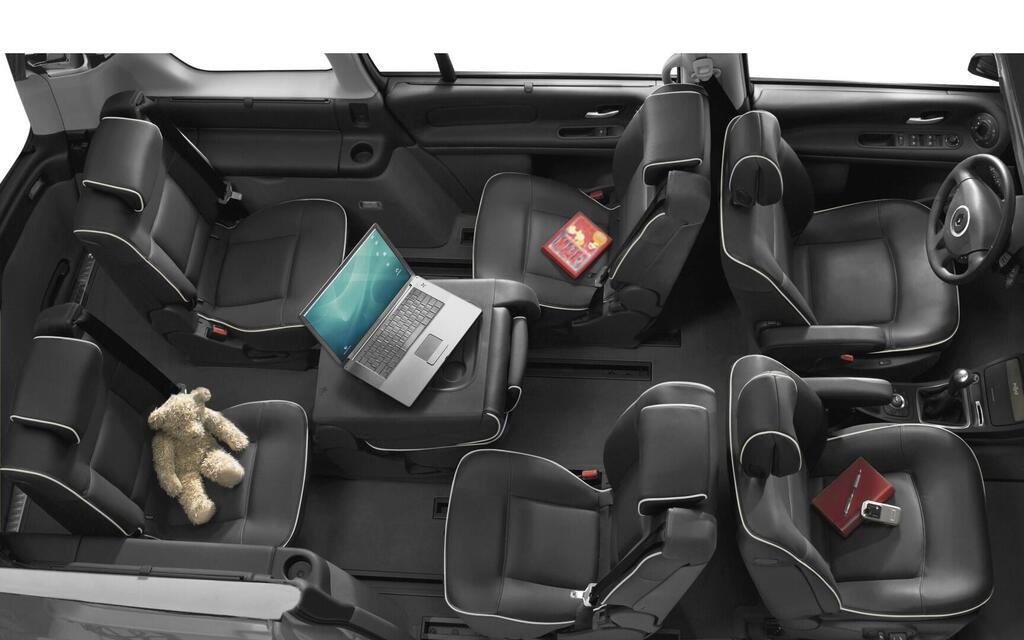
The large interior space of some minivans allows for creative seating arrangements. Renault developed rotating seats that let passengers sit facing backward, allowing children to see each other — and perhaps giving parents a bit of peace. However, turning the seats requires removing and reinstalling them, which is not a simple task.
Where we saw it: Renault Espace, Mitsubishi L300
Built-in booster seat: for the neighbor’s kid
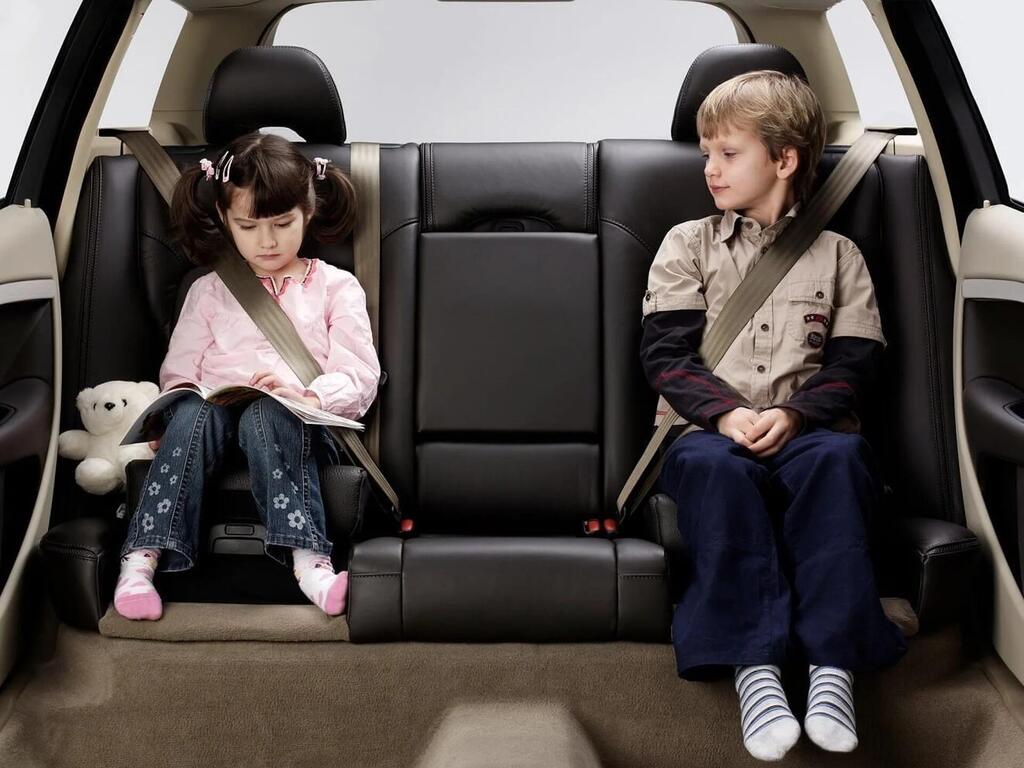
Sweden, home of IKEA, also produced one of the more inventive carmakers. Though not a minivan feature, Volvo introduced one of the simplest and smartest solutions in the XC90 more than 20 years ago: a built-in booster seat that folds out of the seatback as easily as an armrest. For parents who regularly drive children, a booster is standard equipment — but for grandparents or occasional carpool duty, this is an excellent solution.
Where we saw it: Volvo XC90, Volvo XC60
Built-in vacuum cleaner: the ultimate snack cleanup tool
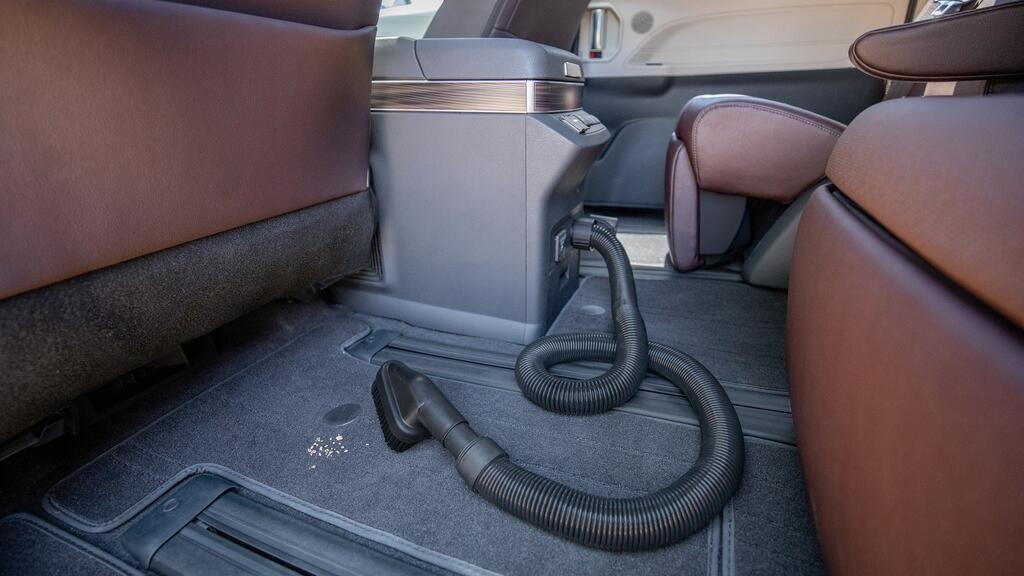
Toyota Sienna
Imagine not having to stop at a gas station to vacuum crumbs and sand out of your car. A vacuum integrated into the vehicle and powered by its electrical system is one of the most effective tools in parents’ ongoing battle against snack debris. Unfortunately, no models equipped with this feature are officially sold in Israel.
Where we saw it: Chrysler Pacifica, Honda Odyssey
Three front seats: memories of Fiat
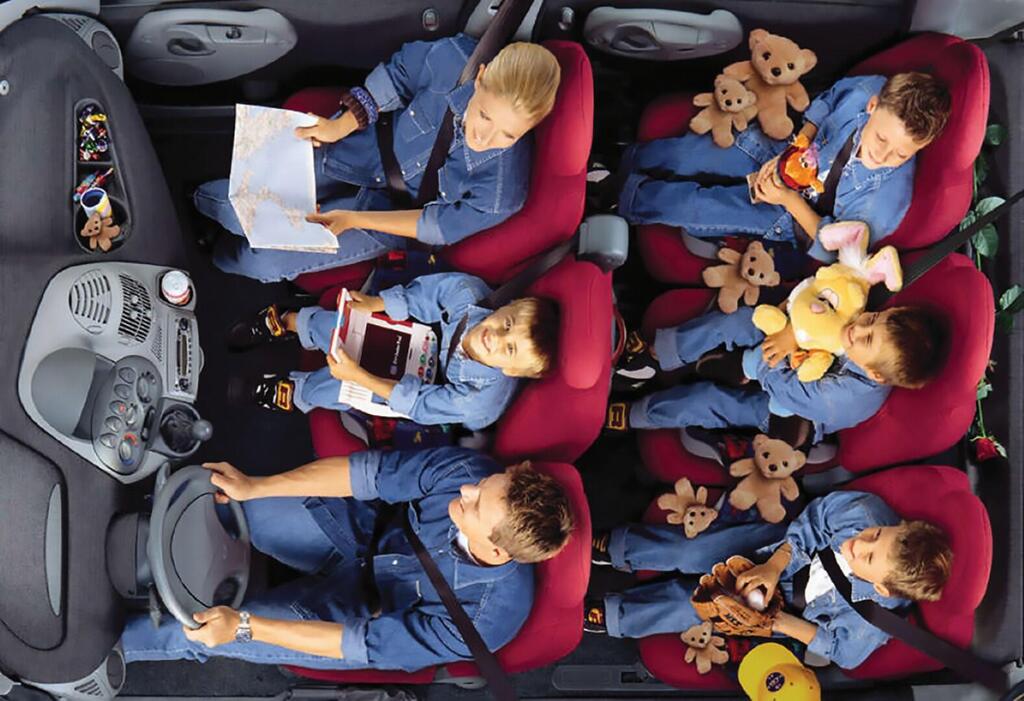
While three front seats were common in older American cars, the Fiat Multipla of the late 1990s turned the concept into one of the most practical minivans ever — offering six spacious seats and a large trunk within compact exterior dimensions. For context, the original 1998 Multipla was shorter than a Hyundai Getz supermini, had a longer wheelbase than a Subaru B4 sedan, and was wider than a Mercedes S-Class. Honda later adopted the idea, though it never became widespread.
Where we saw it: Fiat Multipla, Honda HR-V
Internal microphone: attention passengers
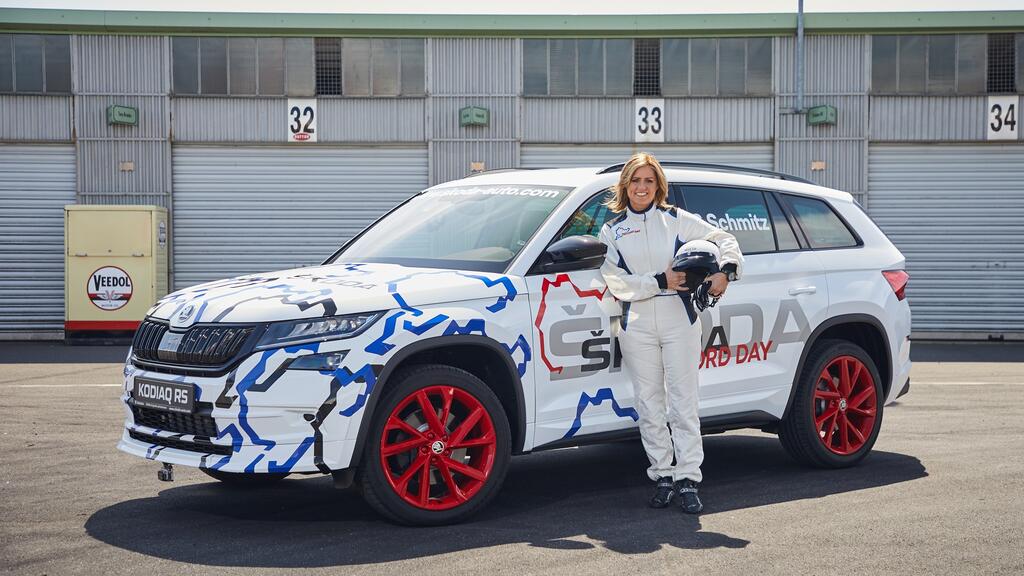
Skoda Kodiaq RS
How many times can you ask a child to stop kicking the seat or turn down their phone? In three-row vehicles, the issue may simply be that they cannot hear you. Automakers addressed this with a microphone near the driver that transmits to rear speakers. Fortunately, the system is one-way — complaints like “she started it” are still heard at home.
Where we saw it: Toyota Sienna, Skoda Kodiaq
Cabin monitoring camera: for safety too
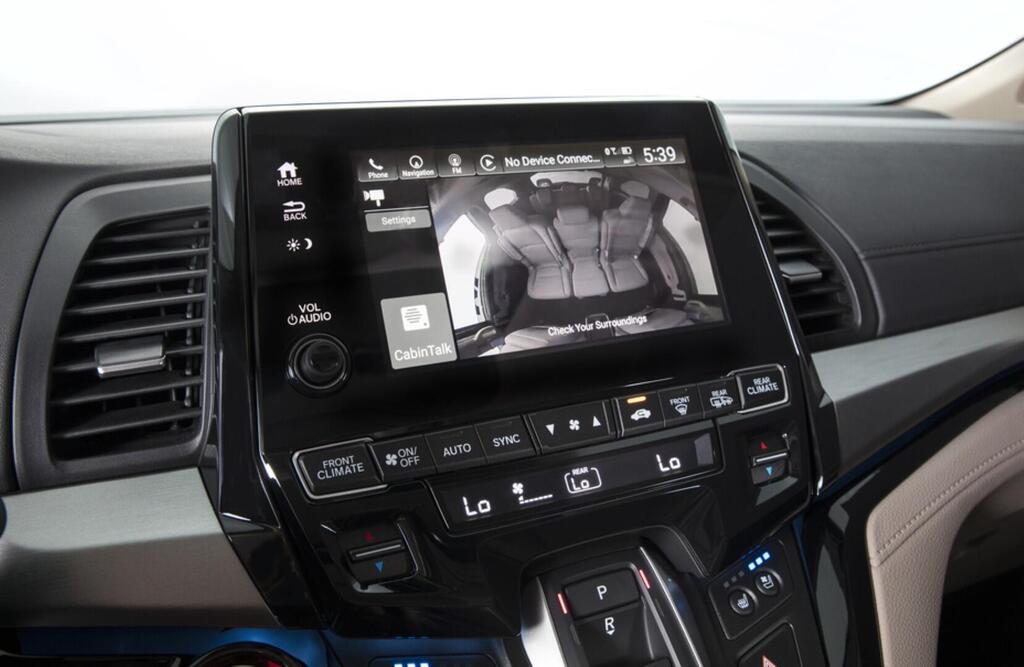
Some vehicles offer panoramic mirrors to view rear seats, but Honda took it further with CabinWatch — a camera that streams a live view of passengers to the infotainment screen. It also reminds drivers to check for children after the trip, making it a valuable safety feature.
Where we saw it: Honda Odyssey
Seatback trays: waiting for the flight attendant
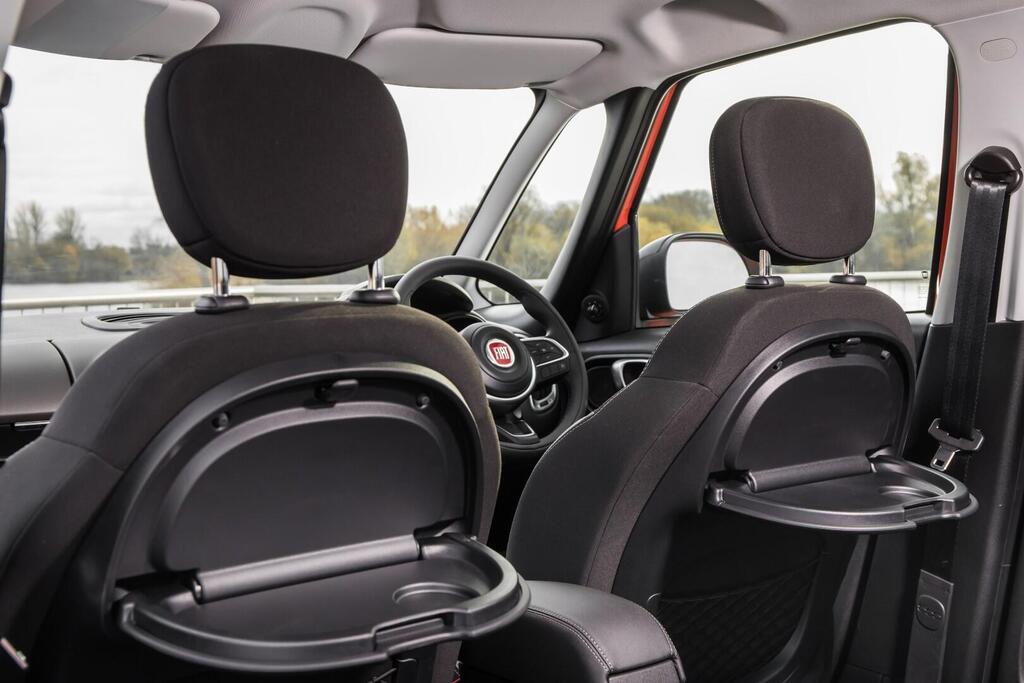
Fold-out trays on the back of front seats are useful not just for meals, but also for snacks or coloring books to keep children occupied during long drives. Some even include cup holders — raising the question of why this simple solution isn’t standard in all family cars.
Where we saw it: Toyota Verso, Citroën C4 Picasso, Renault Grand Scenic, Maxus Euniq 5
Modular roof rails: flip them around
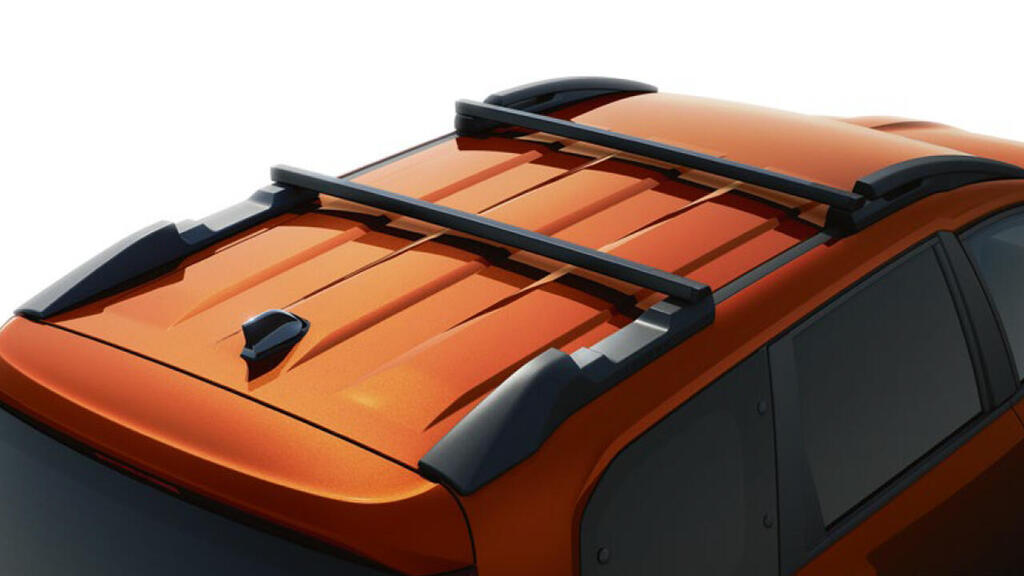
Many vehicles come with longitudinal roof rails to reduce drag, but proper cargo mounting usually requires crossbars. Dacia addressed this with rails that can be repositioned across the roof when needed — eliminating the need for separate accessories.
Where we saw it: Dacia Jogger
Creative storage compartments: for the spare pacifier
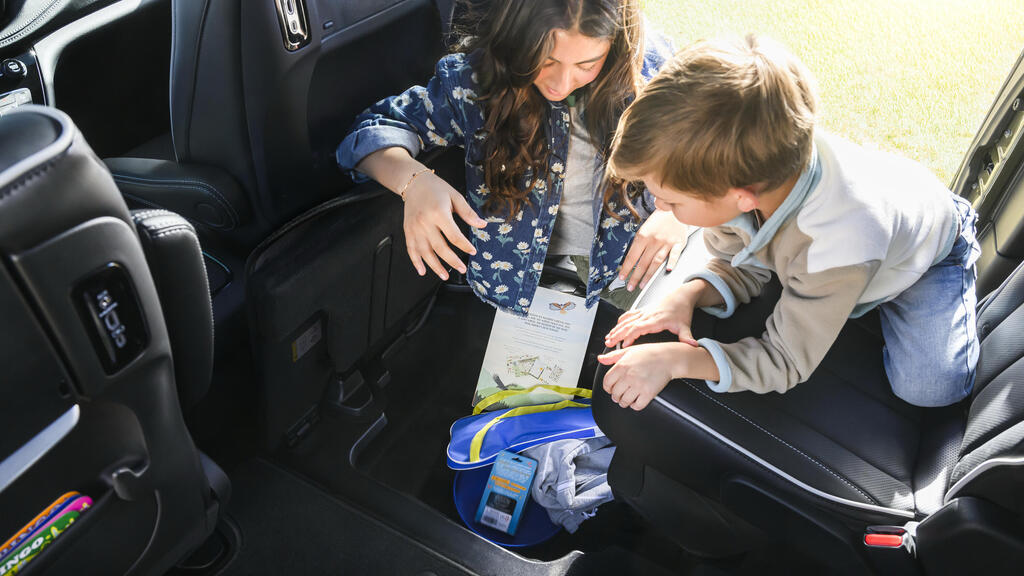
While some may look for hidden compartments for less legal uses, parents prefer them for wipes or emergency pacifiers. Models like the Renault Scenic and Chrysler Grand Voyager feature underfloor storage, while others offer compartments under seats or even behind the infotainment screen.
Where we saw it: nearly every minivan
Built-in coffee machine: something for the parents
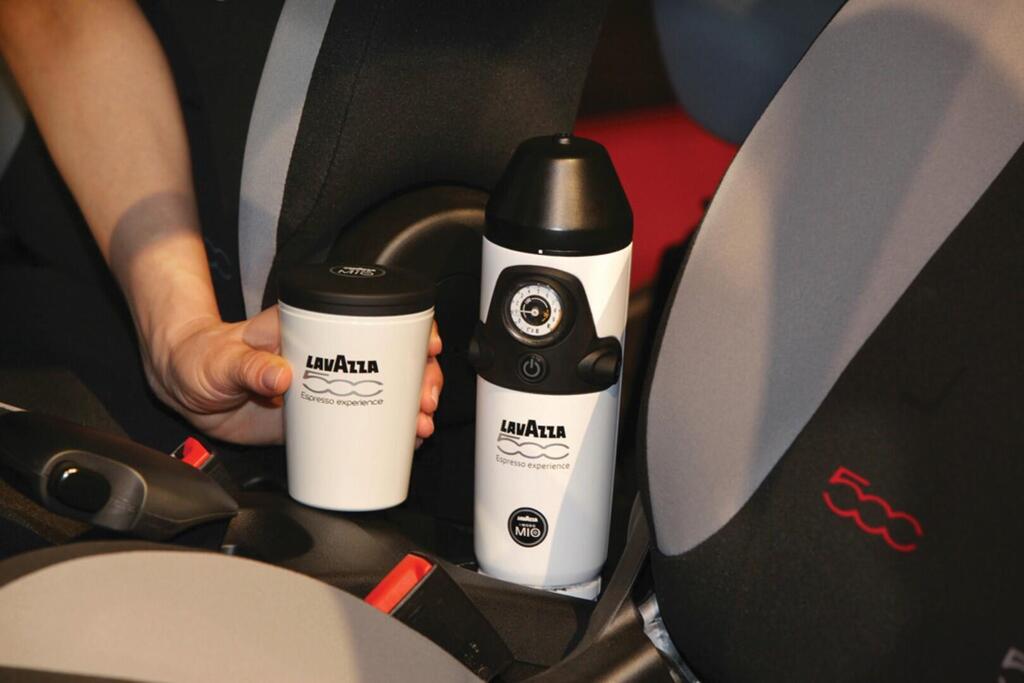
“If it can do everything — can it make coffee too?” Fiat once answered yes, offering a Lavazza coffee machine as an optional extra in the 500L for about 1,800 shekels. Its rarity today likely reflects the price, but in Italy you might still spot parents enjoying an espresso brewed inside their minivan.
Where we saw it: Fiat 500L