

Tensions between Israel and Norway’s national soccer teams escalated Tuesday ahead of their World Cup qualifying match in Oslo on Saturday, as the Israel Football Association (IFA) issued a sharp rebuke of comments made by Norwegian Football Association president Lise Klaveness.
“The Norwegian association and its president have still not seen fit, even two years after the horrific October 7 massacre, to condemn the murder of thousands of Israelis,” the IFA said in a statement. “That has been our position in every response, and we stand by it.”
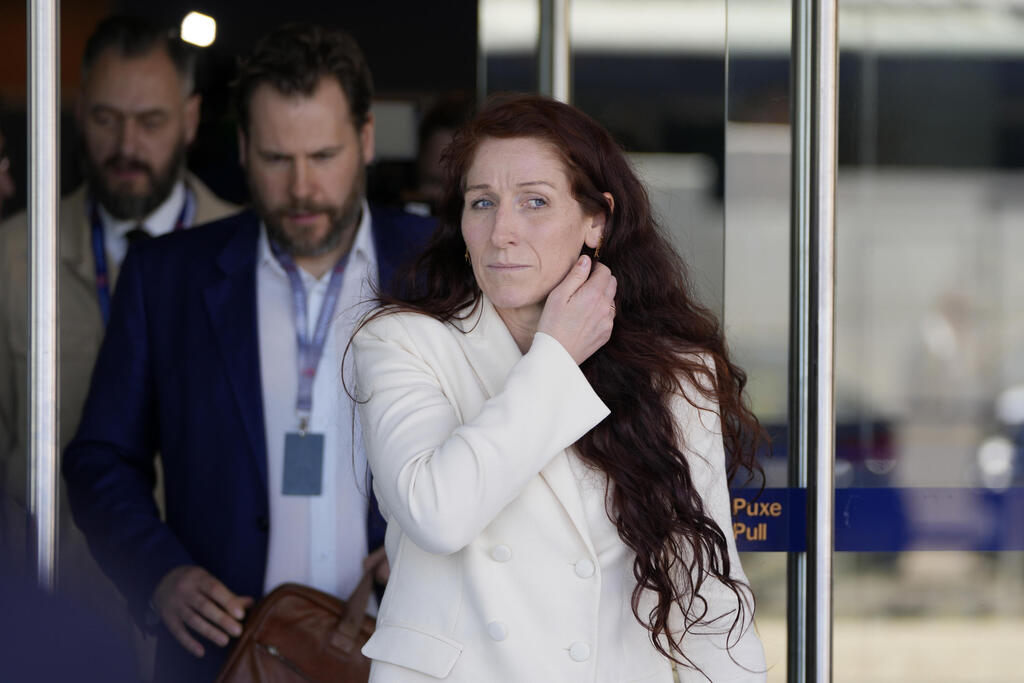
The IFA accused Klaveness of showing bias by calling to suspend Israel from competitions and to donate proceeds from the upcoming match to Gaza. “When the Norwegian association wants to emphasize something, it’s hard to miss,” the statement read. “We will arrive in Norway proud of who we are and what we represent, hoping that those who heated the atmosphere will ensure the event remains sporting and positive.”
Earlier Tuesday, Klaveness told reporters that she had in fact expressed condolences to her Israeli counterpart, IFA chairman Shino Zoertz, both immediately after October 7 and on its one-year anniversary. “Both messages were sincere and full of empathy for the victims,” she said. “I don’t want a public confrontation, but this is not the first time my words have been distorted. I understand he’s speaking from pain — that’s natural — but there are limits to what can be attributed to me. The truth is, I sent condolences to the people of Israel and expressed genuine hope for an end to the violence.”
Norwegian midfielder Patrick Berg of Bodø/Glimt also addressed the political tension surrounding the match. “You can’t ignore the background of this game,” he said. “It’s similar to the last time we played them. I’ve faced Maccabi Tel Aviv before, so I have some experience in situations like this. It’s a sad and uncomfortable situation that affects many — even here in Norway. We respect that, but right now we have to be a bit selfish and focus on football.”
Berg said the team’s spokesman had asked him to speak publicly because he is “comfortable handling difficult and unpleasant questions.”

Berg at Norway's press conference
(Photo: Jonas Faeste Laksekjon/NTB via REUTERS)
“It can be challenging,” Berg admitted. “Many players are afraid to face the media because it’s hard to know what’s right to say. I hope you’ll respect that — those who want to speak, can; those who don’t, don’t have to.”
Norway’s assistant coach, Brede Hangeland, a former team captain, summed up: “It’s a fine balance. In Norway we have freedom of expression, but no obligation to express an opinion. Everyone can decide for themselves whether to speak or stay silent.”