

From the sidelines, it’s hard to understand why Atalia Nevo competes in the Paralympic division, there’s no visible sign of the immense challenge she’s facing in one of the world’s most demanding sports. “I take the disease by the hand and walk with it,” she says. “When life gives you lemons, make lemonade."
Atalia Nevo, 52, is used to the curious stares she gets at competitions. With a wide smile, the Paralympic triathlete says people often look her over, trying to figure out what limb she’s missing. When they see none, their eyebrows rise. “Try explaining to the world that you have Parkinson’s,” she says. “It absolutely qualifies as a Paralympic condition."
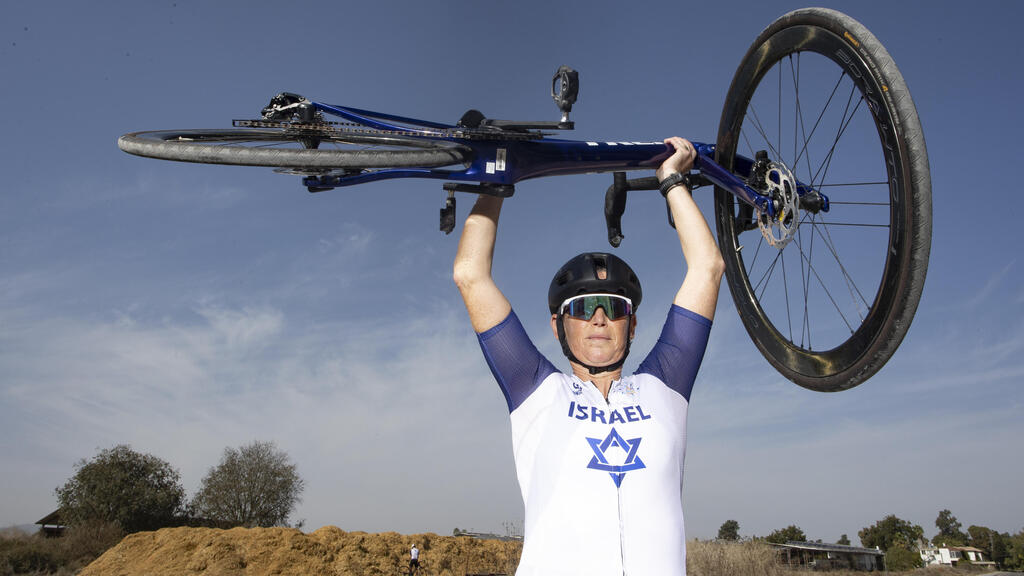
Nevo was diagnosed nearly a decade ago, after she had already begun competing. Though Parkinson’s is a known degenerative disease, awareness remains limited. In addition to swimming, cycling and running, Nevo has taken it upon herself to speak publicly about the lesser-known aspects of the illness.
“They didn’t know what to make of me,” she says of the Paralympic classification process. “The tests they gave me didn’t always match my impairments. A lot of times, I fell through the cracks.”
“People look at me from the outside and see someone who appears healthy,” she continues. “They don’t understand what I’m doing in a Paralympic sport. I’ve got two arms, two legs, but that’s just the outside. Inside, Parkinson’s affects how my body moves. I have serious motor issues. Fatigue is a major symptom, and when I finish a workout, I can barely move. It takes me days to recover. I limp. Running is hard."
The symptoms progress
She recently began limping due to the disease’s progression. “My leg just doesn’t work the way it used to. These are known symptoms: stooped posture, one arm that doesn’t swing when you walk.
"Many people associate Parkinson’s with the elderly, and maybe that’s one reason it took three years to diagnose me. I saw four doctors before anyone figured it out. It can show up as severe stiffness or fatigue that restricts movement. Looking back, I recognized symptoms even before I was diagnosed. They weren’t obvious."
How did you find out?
“Completely by chance. Many doctors, even those who treat elite athletes, thought it was a sports injury. I might have even undergone an unnecessary leg surgery. A relatively unknown physical therapist noticed something was off. My left side wasn’t moving like my right, and I had a slight stutter.
"She asked if I had seen a neurologist, and I replied, ‘What does that have to do with me?’ I saw myself as an athlete. But when I finally saw a neurologist, it was very clear. As the late Prof. Nir Giladi told me, ‘You’ve got the most classic symptoms of all'."
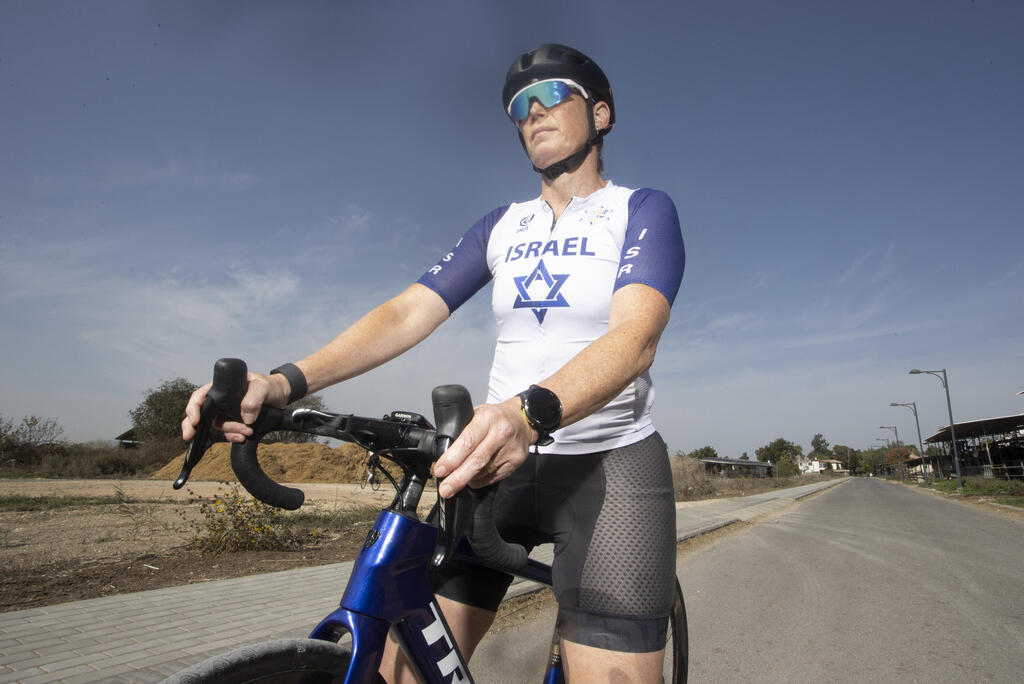
"Many people associate Parkinson’s with the elderly"
(Photo: Gil Nehushtan)
An athlete at heart
Nevo, who lives in the northern Israeli village of Bethlehem of Galilee, was a competitive swimmer as a child with Maccabi Haifa. Sports were always her passion, with all the challenges and pain involved, she also competed in Ironman races as an adult.
“I wanted to find meaning, even after becoming disabled. Sports let me stay involved,” she says. “Now I need more motivation because the mental side is tougher. My family helps a lot. No more hosting or late nights on the weekends. I’m an athlete. I plan in advance. I tell people to come over in the afternoon so I can go to bed early.”
How do people respond when they hear your story?
“By nature, I’m not a victim. I don’t complain. At first, a lot of people didn’t believe I stood a chance. But I’ve shown that I’m determined and capable. I get support from the Paralympic Committee and the Israel Sports Association for the Disabled, and along with my coach Erez Aisenberg, I get everything I need, with a smile."
Do you compete on a standard bicycle?
“Yes. Sometimes I need adjustments, like a handlebar support or a type of prosthetic, but it’s not like athletes who use hand cycles in wheelchairs. Everyone is different. For me, riding a bike is especially hard because of the disease.
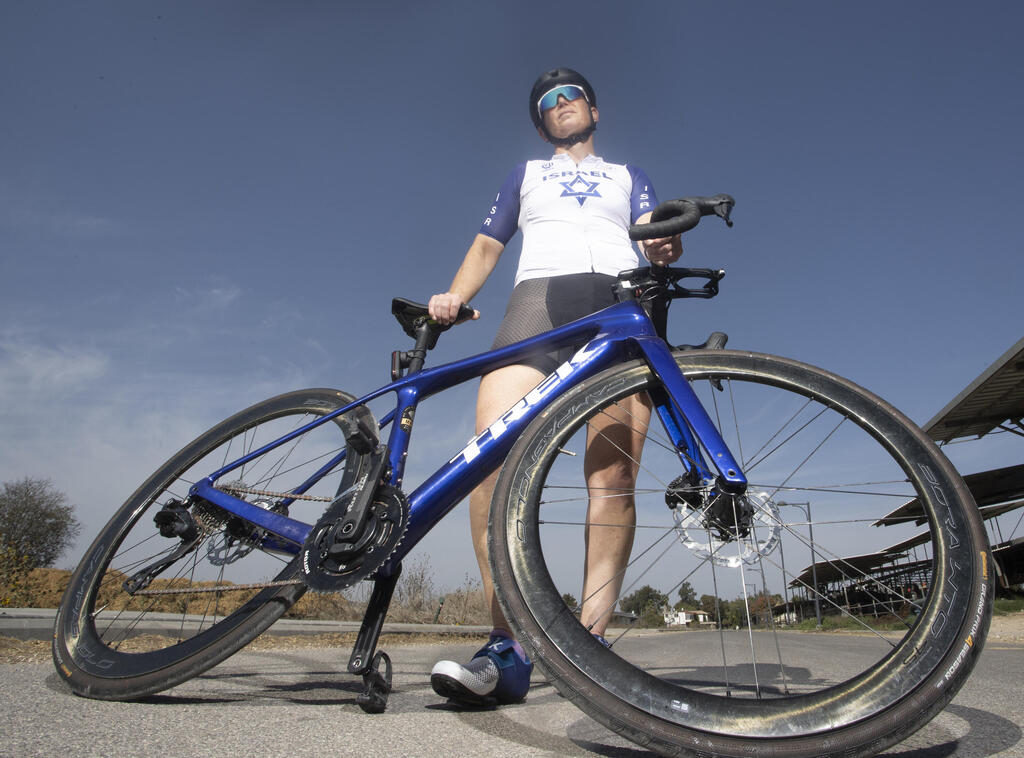
There is no one like her in the world
(Photo: Gil Nehushtan)
"I have balance issues, so it’s difficult to drink or take my hands off the handlebars. When there are sharp turns or U-turns, I have to disconnect, and even that is a challenge. Sometimes my leg doesn’t respond. I’ve had to pedal with one leg. You can’t always predict how it will go. My reaction time is slower."
If there’s no one else like you in the world, how do they know which competition category is right for you?
“I’m breaking new ground in this field. Maybe in the future, they’ll separate neurological impairments from limb amputations. Right now, I compete against an athlete with a leg amputation, and it’s not fair. It sounds odd, but all she’s missing is a leg, and with a prosthetic, she’s complete. I don’t have something to make up for what’s missing. My entire left side, from foot to head, functions at about 20 percent."
You’re preparing for the 2028 Paralympics in Los Angeles. Could the disease worsen by then?
“Parkinson’s is progressive, so I have to take care of my body. I need to reduce stress, calm life down a bit, and I’m a redhead,” she laughs. “You learn to control your emotions, stop chasing things that aren’t essential, and take life more lightly.
"I take the disease by the hand and walk with it. I don’t put it behind me or ignore it. The disease walks ahead of me, and I try to keep it by my side. I’m trying to make lemonade out of lemons and be happy with what I have. There are worse illnesses. That puts things in perspective."
Keeping things low-key
At the end of last month, Nevo finished fourth at the World Championships with a time of 1:33:01, a solid start toward the target that’s already marked on her calendar less than three years away. She didn’t make it to the upcoming Paris Games.
“I was classified with the wrong level of impairment,” she recalls. “The diagnosis wasn’t accurate. I was on my own in the beginning, at a time when the Paralympic Committee and the Sports Association for the Disabled hadn’t yet recognized me. During an Olympic year, there’s no option to requalify. I realized back in 2022 that my classification wasn’t correct, but I had no guidance, and it dragged on until I finally received recognition. By then, it was too late.”
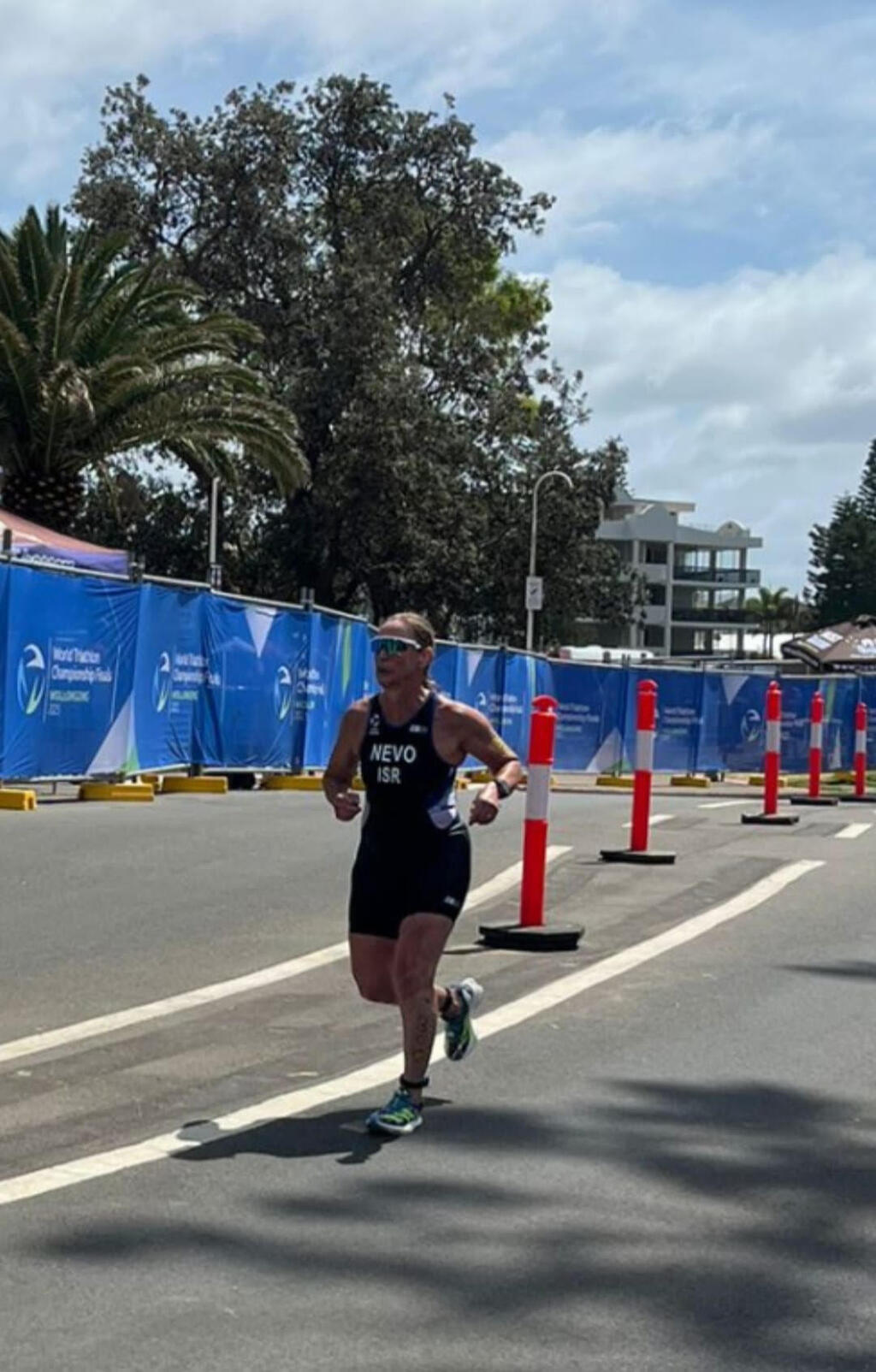
(Photo: Private)
Were you reclassified this year?
“Yes. I’m now in a category with athletes who have more severe disabilities. They built a special case for me, with tailored evaluations. A doctor with expertise in classifications accompanied me. I officially restarted in June this year, and it’s definitely a relief. It’s a different status, a different situation. I’m currently ranked fifth in the world, and I need to maintain that through the end."
You took a sabbatical during the Olympic year from your job as a vice principal and high school teacher. Have you returned to teaching?
“My disease is progressive, it’s not static. Last year, I felt it was too much to both work and train.
"Teaching in a school, with big classes, just became too hard physically and health-wise. My handwriting isn’t clear, and when I’m tired, my speech isn’t either. It’s hard to stand for long hours. I took a leave of absence. Right now, I’m keeping things low-key, advising and helping in the field of IT and computing."