

The Amsterdam City Council passed an unprecedented decision over the weekend, declaring Israel’s Maccabi Tel Aviv football club “unwelcome” in the city.
The move, backed by a strong majority after a heated debate, stemmed from last November’s events when the club’s fans were attacked in a planned lynching following a Europa League match against Ajax, as well as claims that the team’s “hardcore” supporters exhibit racist behavior and back “genocide.”

Sheher Khan, leader of the Dutch left-wing Denk party, spearheaded the proposal, arguing that sports clubs operating in illegal settlements or occupied territories should be deemed unwelcome, drawing a parallel to sanctions on Russian clubs amid the war with Ukraine. “The hardcore of their fans supports genocide—and that alone is reason enough,” he claimed controversially.
Other council members highlighted that the Israeli fans who visited last year were not just typical foreign supporters but posed a potential threat of serious misconduct. Only the right-wing VVD, JA21, FVD and CDA parties opposed the decision.
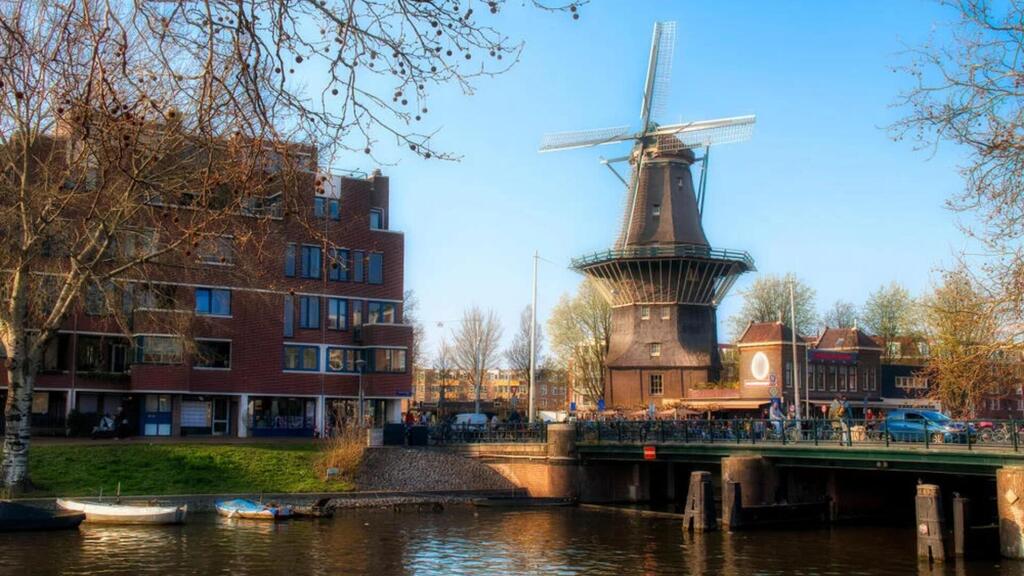
Amsterdam
(Photo: Shutterstock)
The council plans to send an official letter to the Dutch Football Association and the Dutch Olympic Committee, demanding that such clubs be barred from sporting events in the country.
Yesterday’s report in De Telegraaf about the council’s decision sparked furious reactions on social media. “This is pure antisemitism,” one user wrote, while another added, “In the end, Islam will conquer Amsterdam too.”