

The Israel Football Association has in recent days received an optimistic and unprecedented message from UEFA, indicating that a principled decision has been made for Israeli representatives qualifying this summer for European competitions to prepare to host matches again in Israel. The move marks a significant policy shift for the first time in three years, since hosting in Israel was halted following the October 7 attack, Yedioth Ahronoth and ynet have learned.
Despite ongoing security tensions and complex questions surrounding U.S.-Iran relations and their direct impact on Israel, the most substantive decision for local sports has now been made. If no further regional escalation occurs through the period following the World Cup, international soccer is expected to return to Israel.Official representatives of European soccer’s governing body have already conveyed that a formal decision will be taken in June. At that point, Israeli clubs would be able to host their home matches domestically. Four Israeli teams are expected to compete in the qualifying rounds of UEFA’s three competitions. The league champion would enter the Champions League qualifiers, the State Cup winner would compete in the Europa League qualifiers and two additional teams would participate in the Conference League qualifiers.
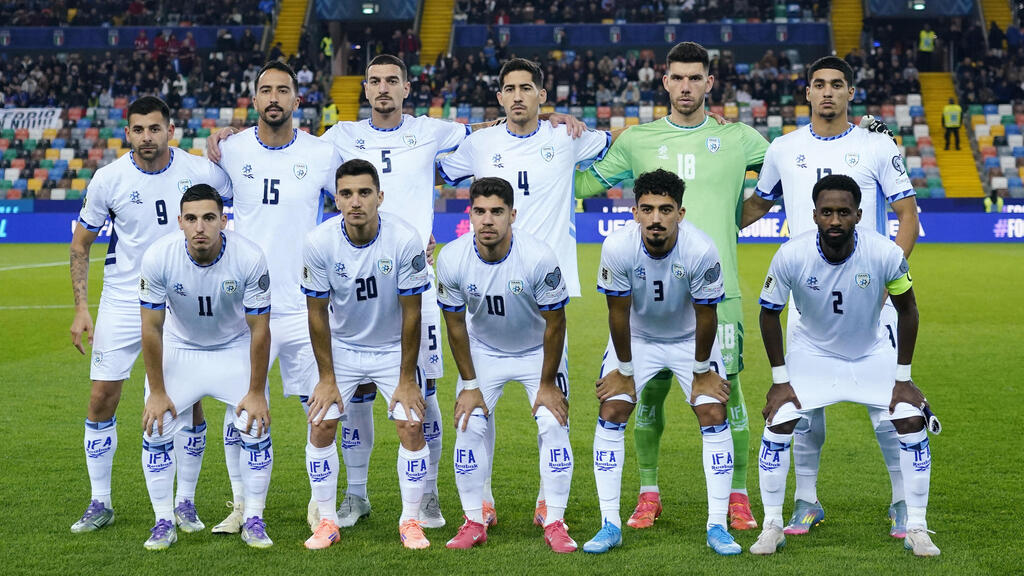
The working assumption to be presented to clubs likely to take part in European qualifiers is that formal approval will be granted close to the World Cup, which will be held this summer in North America. The practical implication is that Israel’s national team would also be able, if approval is granted, to host its Nations League matches at home. The same applies to the women’s national team, which has already scheduled its home matches in Hungary due to the ban that has been in effect until now. If UEFA grants the anticipated approval, the women’s team would immediately relocate its matches back to Israel.
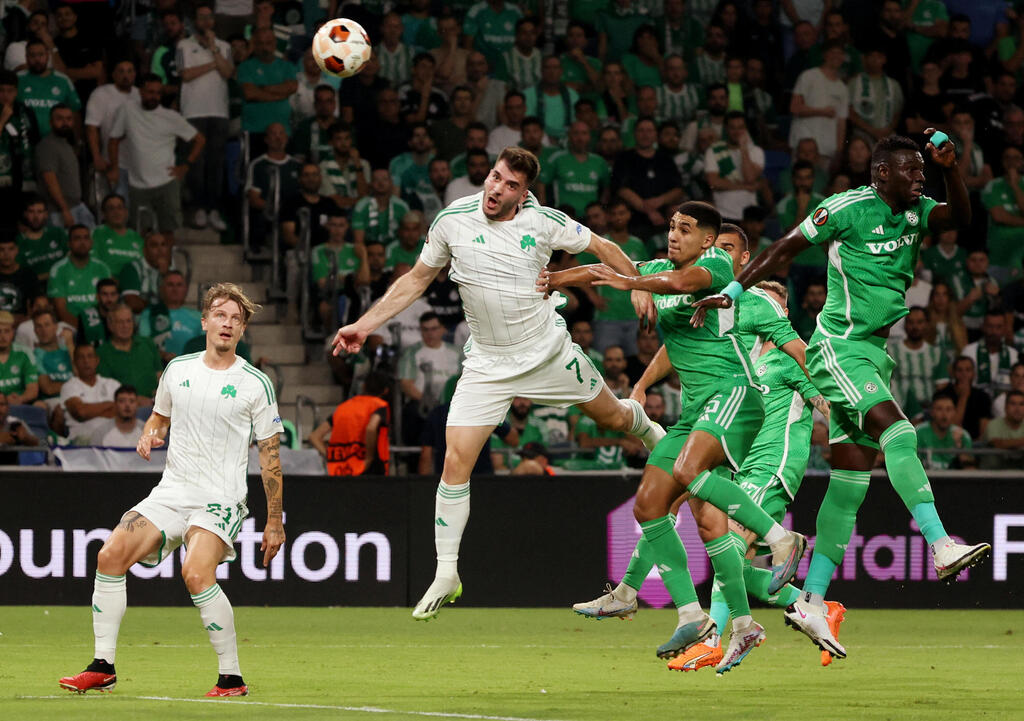
The last European match held in Israel: Maccabi Haifa vs. Panathinaikos
(Photo: Ronen Zvulun/Reuters)
Israeli soccer stopped hosting international matches immediately after Maccabi Haifa’s meeting with Panathinaikos at Sammy Ofer Stadium, just two days before October 7, in the Europa League group stage. The security situation forced all international activity to be relocated to Europe, primarily to Hungary and Serbia. The move led to massive revenue losses for the Israel Football Association due to the absence of ticket and season pass sales. It was compounded by substantial expenses for flights, accommodation and security, creating a heavy deficit. Clubs also suffered significant financial damage as a result of chartering private aircraft and extended stays abroad, alongside relentless travel schedules that adversely affected professional performance in domestic league play.
A stamp of normalcy
Next month, Israel’s national team will travel to Georgia for a friendly match as part of its commitments. It also has an optional international window at its disposal. Before the outbreak of the war, the team regularly used such windows to host high-quality national sides that traveled to Israel as preparation for major tournaments. At present, however, there is no demand from leading national teams to play in Israel.
If such a match is held, it would likely be either as preparation for a foreign team ahead of the World Cup or against a smaller opponent. As of now, no such fixture has been finalized. Still, if security developments allow UEFA’s working assumption to materialize, the development would represent a particularly dramatic breakthrough.
The trend aligns with similar decisions in other sports. EuroLeague and EuroCup basketball games have already returned to Israel, and it was recently decided to bring handball matches back as well. The women’s national handball team will host Greece next month, and three weeks later the men will host Georgia. International tennis has also returned, with Israel’s Davis Cup team hosting Lithuania in Netanya just last weekend.
Soccer’s return in June could serve as the final stamp on the restoration of routine international sports activity in Israel, with all its implications. These include the restoration of substantial revenues, an end to costly stays abroad, the return of lost home-field advantage and, above all, the revival of the experience of international sports before Israeli crowds in home stadiums.
First published: 14:10, 02.13.26