

A jersey worn by Diego Maradona in the “Hand of God” match, Kobe Bryant’s rookie uniform and a Lionel Messi rookie card from his first season at Barcelona – what once seemed like a collector’s hobby has become one of the fastest-growing markets in global investing. Culture, economics and nostalgia meet in an arena already generating tens of billions of dollars.
This past Sunday it happened again: a rare Lionel Messi card from the 2004–05 season sold for a record $1.5 million. The rookie card of the Argentine star, graded a perfect 10 by the prestigious Professional Sports Authenticator (PSA), set a new high for soccer memorabilia, surpassing the previous record of $1.33 million paid in 2022 for a rare 1958 Pelé card. Just days earlier, another Messi card sold for $1.1 million.
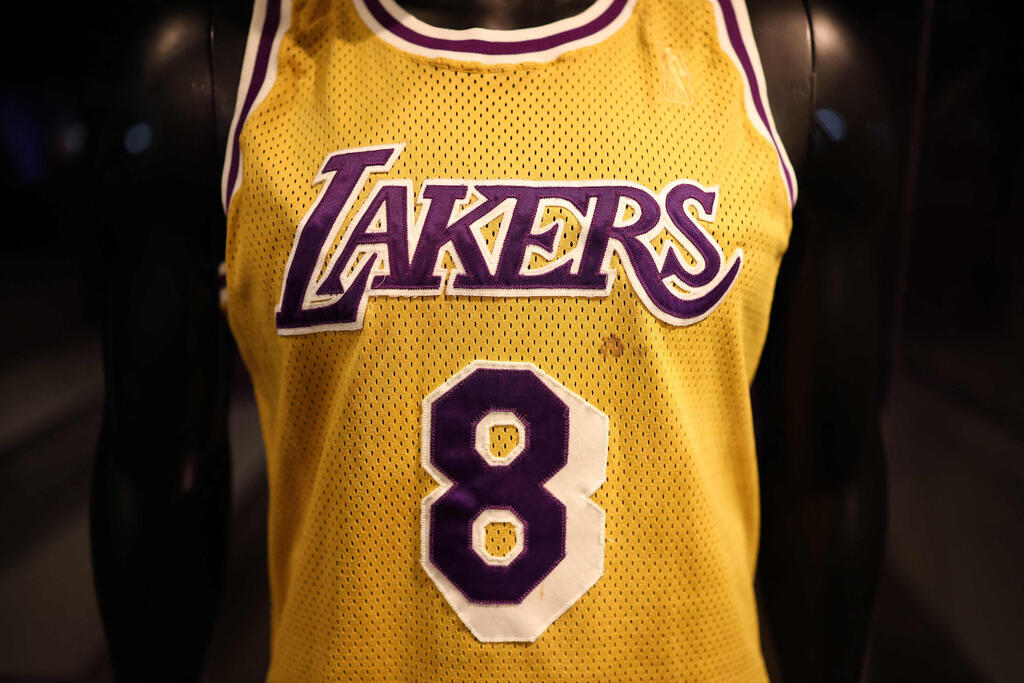
But that eye-popping figure doesn’t even crack the top 10 list of sports memorabilia sales. A 1952 rookie card of baseball legend Mickey Mantle sold for $12.6 million. Michael Jordan’s “championship sneakers” – six pairs, one from each year he won an NBA title with the Chicago Bulls – went for $8 million. Maradona’s jersey from the infamous “Hand of God” match at the 1986 World Cup fetched $9.3 million in 2022. Kobe Bryant’s rookie jersey from the 1996–97 season sold for $7 million.
The most expensive item of all is Babe Ruth’s “Called Shot” jersey, which sold in the summer of 2024 for $24.1 million. Ruth wore it during the 1932 World Series when, in a moment that has since become mythic, he pointed toward center field before blasting a home run exactly in that direction.
And it isn’t just game-day items. The original Olympic manifesto written by Pierre de Coubertin, founder of the International Olympic Committee, sold in 2022 for $8.8 million.
Cultural icons
Sports collecting is hardly new. As early as the 20th century, American children were tucking baseball cards from gum wrappers into shoeboxes. Those same cards now trade hands for millions. Over time the hobby grew, and every such item became a “sports collectible” with both emotional and financial value.
A recent report from Market Decipher estimates the global sports memorabilia market, currently worth $33 billion, will skyrocket to more than $271 billion within a decade. “This is no longer a hobby for the wealthy alone,” the report’s authors wrote. “More fans can feel like they own a piece of history.”

Jordan's pants from his last game
(Photo: Sotheby's)
Pop culture has played a major role in fueling the boom. Documentaries like The Last Dance about Jordan and soccer films such as Take the Ball, Pass the Ball about FC Barcelona’s golden years from 2008 to 2012 have made historic sports moments go viral, turning individual items into storytelling artifacts that climb in value.
Sports stars have become global celebrities, and everything linked to them carries the aura of their personal brand. Items once considered trivial have become sought-after trophies. When a Messi rookie card sells for $1.5 million in 2025, it’s not only about the money – it’s also about pop culture elevating athletes into cultural icons.
A booming market
This reflects a growing trend: over the past decade, sports memorabilia – from rookie cards to game-worn sneakers – has become an investment channel drawing not only die-hard fans but also sophisticated investors. The headlines focus on multimillion-dollar deals, but the market is far broader. Collectors with modest budgets buy signed cards, autographed balls or gear from regular-season games, which can appreciate significantly over time. And as with any booming sector, record sales of tens of millions also drive demand for more accessible items.
The numbers tell the story. Someone who bought Babe Ruth’s jersey in 2005 and held it until 2024 saw a 13-fold return. By comparison, an identical investment in the S&P 500 index over the same period yielded a sixfold return. A similar pattern can be seen with Jordan’s sneakers: a $104,000 purchase in 2013 turned into a $1.38 million sale a decade later – far outperforming the stock market.
“People were looking for alternatives when traditional markets felt tapped out,” Chris Ivy, head of sports auctions at Heritage Auctions, told ESPN. “Sports memorabilia offers a unique blend of passion and profit.”

Eran Zehavi
Israelis, too, are active in this space. European soccer attracts local collectors, while signed basketballs from Maccabi Tel Aviv’s EuroLeague games have sold well. Jerseys worn by NBA player Deni Avdija are in demand, and some believe that in the future items linked to Israeli striker Eran Zahavi or even Israel’s youth national team – which reached the finals of the 2023 European Championship and the 2024 Under-20 World Cup – may become collectibles.
The internet also enables Israelis to take part in global auctions without leaving the country, making the local market small but lively. Basketball’s popularity and the globalization of sports ensure that Israeli collectors have a foothold in this international phenomenon.
More than profit
Beyond financial returns, investing in sports memorabilia is a way of preserving culture. Each item is a tangible memory: the glove that caught a final out, the shoes that hit a decisive three-pointer, the jersey soaked in tears of victory.
The market blends nostalgia with financial strategy, letting fans “hold” historic moments while investors diversify portfolios with tangible assets. For many, it is not just a hobby but an investment that carries both emotional and monetary value. As one top dealer told BBC Sport: “When you buy an item from Jordan, Maradona or Messi, you’re not just buying a piece of fabric or a cardboard card – you’re buying part of history.”