

The Australian government has come under intense pressure over the past 24 hours from human rights organizations, sports unions and the Iranian diaspora, demanding it grant political asylum to members of Iran’s national women’s soccer team.
Concern for the safety of the squad’s 26 players intensified after Iranian state media labeled them “traitors” following a silent protest they staged on the field.
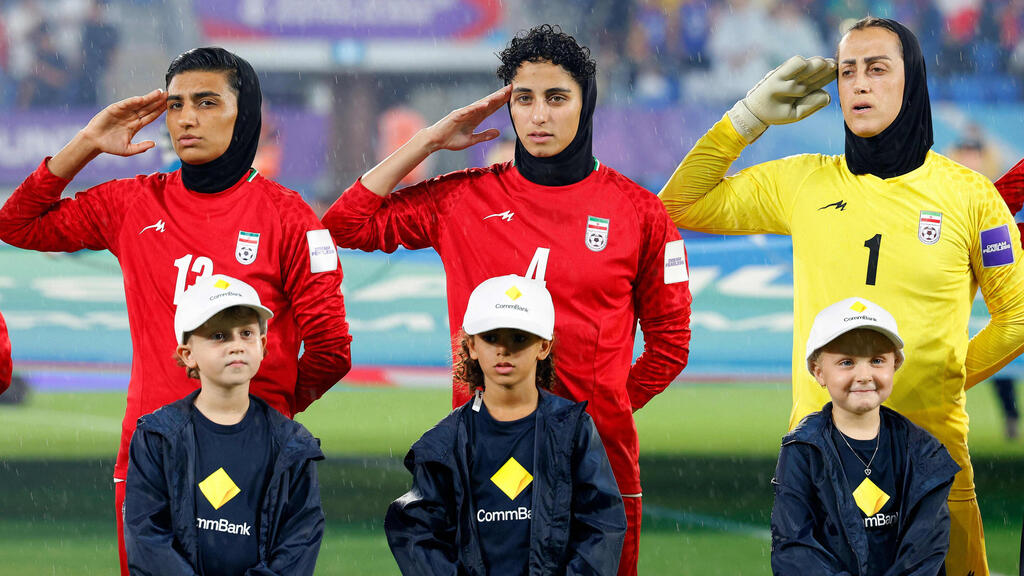
The controversy began last week during Iran’s opening match of the Women’s Asian Cup in Australia against South Korea. As the Iranian national anthem played, the players stood silently in what observers described as an act of civil defiance against the regime.
The move drew immediate anger in Tehran. A commentator on state television called for the players to be severely punished, describing their actions as a “betrayal of the nation’s values.”
Following threats and heavy pressure reportedly placed on their families in Iran, the players sang the anthem during subsequent matches.
“They are terrified,” said Tina Kordrostami, a Sydney local council member who has been in contact with several of the players. “They were born and raised in a country that denied them any right to choose, and that silence was the only way they could cry out.”
Reza Pahlavi, the exiled son of Iran’s former shah, joined calls to protect the team and warned of “serious consequences” awaiting the players if they return to Iran.
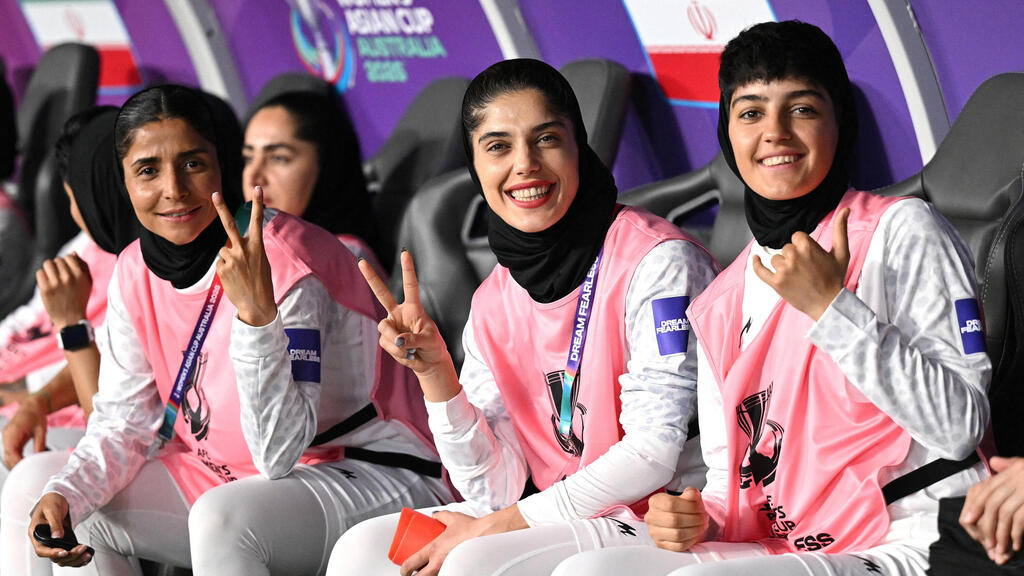
(Photo: Reuters)
FIFPro, the global soccer players’ union, has also appealed to FIFA to ensure the safety of the squad.
Craig Foster, a former captain of Australia’s national team and a prominent human rights advocate, said the players have been under close supervision and largely cut off from the outside world since the protest began.
“It’s clear they are being silenced and are under coercion,” Foster said. He previously helped evacuate Afghanistan’s women’s national team after the Taliban returned to power. “They can only speak through silence. It was an act of rejecting the regime, one of the bravest things I’ve seen.”
Foster added that even if the players are offered the option of remaining in Australia, not all of them may choose to do so. “Many of them have families and children in Iran, so even if they are given the right to stay here, some may feel they cannot accept that opportunity,” he said.
On Sunday, after a 2-0 loss to the Philippines, supporters gathered outside the stadium as the team bus departed, holding signs reading “Stay safe in Australia” and “If your home isn’t safe, mine is open.” Some also attempted to delay the bus’s departure.
Team manager Marzia Jafari sought to calm tensions at a post-match news conference, saying: “We are looking forward to returning. Personally, I would like to go back to my country as soon as possible and be with my people and my family.”
For now, the Australian government has remained deliberately vague. Foreign Minister Penny Wong expressed “solidarity” with Iran’s women’s soccer players but declined to comment specifically on their legal status or visas.
Australia’s Home Affairs Department said it could not comment on individual cases due to privacy considerations.
The team left Iran just days before the start of the U.S.-Israeli military offensive, and it remains unclear when they are scheduled to fly back to Tehran — or whether Australia’s government will ultimately decide to grant them political asylum.