

As Israel’s auto market approaches its year-end tally, the Association of Vehicle Importers reports that 283,587 new cars were delivered in the first 11 months of the year. Despite earlier forecasts of a difficult year for the industry, local registrations were still 9 percent higher than during the same period last year.
As always, the figures exclude trucks, buses, two-wheelers and vehicles imported privately or through parallel channels. In other words, more than 300,000 new vehicles received local registration during the 11-month period.
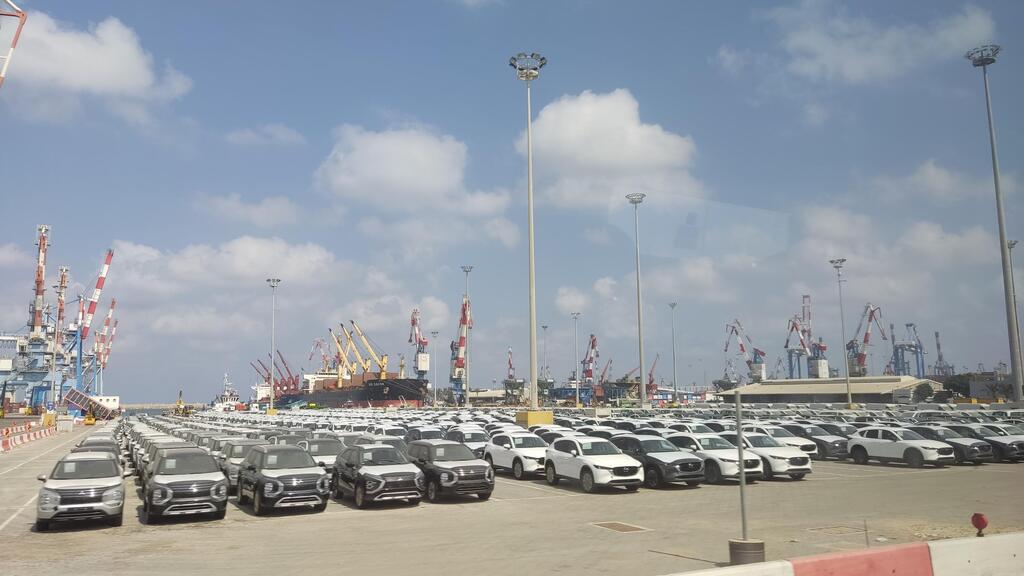
A small share of the deliveries are believed to be “re-aged” vehicles—cars registered to importers, sometimes under private individuals’ names, after a year has passed since production, to avoid depreciation. But this practice has existed for years, and these vehicles ultimately reach customers and hit the road, even if at a discount, in the months that follow.
It is therefore worth keeping the numbers in proportion. Despite claims of artificially inflating delivery data for ranking purposes, the number recorded as delivered still accurately reflects the true delivery totals for each brand.
Toyota remains the market leader, with an 8 percent rise in sales and one of only two Japanese brands in the top tier posting an increase. Nissan—up 76 percent and now 11th—was the other. Meanwhile, other Japanese brands plunged: Mazda is down 40 percent, Mitsubishi 41 percent, Suzuki 44 percent and Subaru 7 percent.
Korean brands held relatively steady: Hyundai, in second place, rose 10 percent, while Kia, in fourth, slipped 5 percent. Against them stands the unmistakable rise of Chinese manufacturers, most of them new to Israel, now responsible for one-third of all deliveries.
Leading the surge is Chery (imported by Frisbee), in third place overall. Together with its sister brand JAC (imported by Colmobil), in sixth place, the company accounted for nearly 42,000 deliveries. BYD and MG also rank among the top 10, while XPeng and Geely appear in the second tier.

(Photo: Noam Rhein)
In total, Chinese brands accounted for 93,000 deliveries (33 percent), followed by Japanese brands with 68,000 (24 percent), Europeans and Koreans with 58,000 and 57,000 respectively (20 percent each) and American brands with 7,000 (2 percent).
Electric vehicles hold a 19.5 percent market share, hybrids 25 percent and plug-in hybrids 11 percent — meaning more than half of all cars sold in Israel this year use electricity in some form.
Among importers, Colmobil (Hyundai, JAC, Mitsubishi, Mercedes and others) remains dominant with a 20 percent share. It is followed by Frisbee (formerly Carasso — Renault, Nissan, Chery, XPeng and others) with 16 percent. Union Motors (Toyota, Lexus, Geely, Aion) holds 15 percent; Champion Motors (Škoda, SEAT, Volkswagen, Audi) 12 percent; and Talcar (Kia, Seres, KGM) 10 percent.
Further down the list are Lubinski (Peugeot, Citroën, Opel, MG and others) with 6 percent; Delek Motors (Mazda, Ford, BMW, Dongfeng and others) with 5 percent; Shlomo Motors (BYD) with 4.5 percent; Semlat (Subaru, Jeep, Leapmotor, Alfa Romeo and others) with 3 percent; and Machsheray Tnua (Suzuki, Changan) and Meir (Volvo, Honda, Lynk & Co and others), each with 2 percent.
Overall, the five largest importers control 72 percent of the market, while the top 10 account for 94 percent. Despite the dramatic rise of new brands—especially Chinese ones—the balance of power in Israel’s auto market remains largely unchanged.