

BYD has introduced the Dolphin G, a supermini car aimed at the European market that will be the first model in its segment to offer a plug-in hybrid powertrain. It is expected to arrive in Israel in the third quarter of the year, positioned below the Atto 2, with pricing estimated at NIS 120,000-130,000 (about 42,400-46,000 dollars). That would also make it Israel’s cheapest plug-in hybrid.
The Dolphin G will be shorter than the familiar electric Dolphin, measuring 416 cm (163.8 in) in length (-13 cm / -5.1 in), but wider at 182.5 cm (71.9 in) (+5.5 cm / +2.2 in). At this stage, the manufacturer has not released details on wheelbase, cargo capacity or interior images.
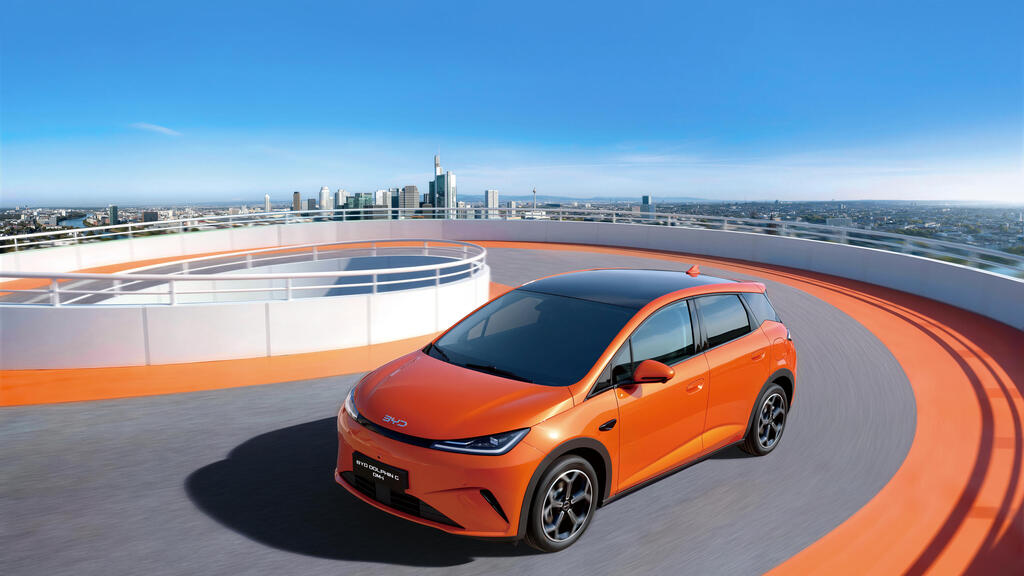
What else you need to know: The powertrain will resemble that of the Atto 2, featuring a front-mounted electric motor producing 197 horsepower (hp) alongside a 1.5-liter (50.7 fl oz) four-cylinder gasoline engine delivering 98 hp. The gasoline engine serves as a generator to charge the battery or connects to the front wheels at higher speeds.
The entry-level version will use a modest 7.8 kWh battery, with a combined output of 166 hp and an electric-only range of around 40 km (24.9 miles). The higher-spec model will offer an 18 kWh battery, 213 hp and about 90 km (55.9 miles) of zero-emissions driving. In both cases, combined range on electricity and gasoline is expected to exceed 1,000 km (621 miles).
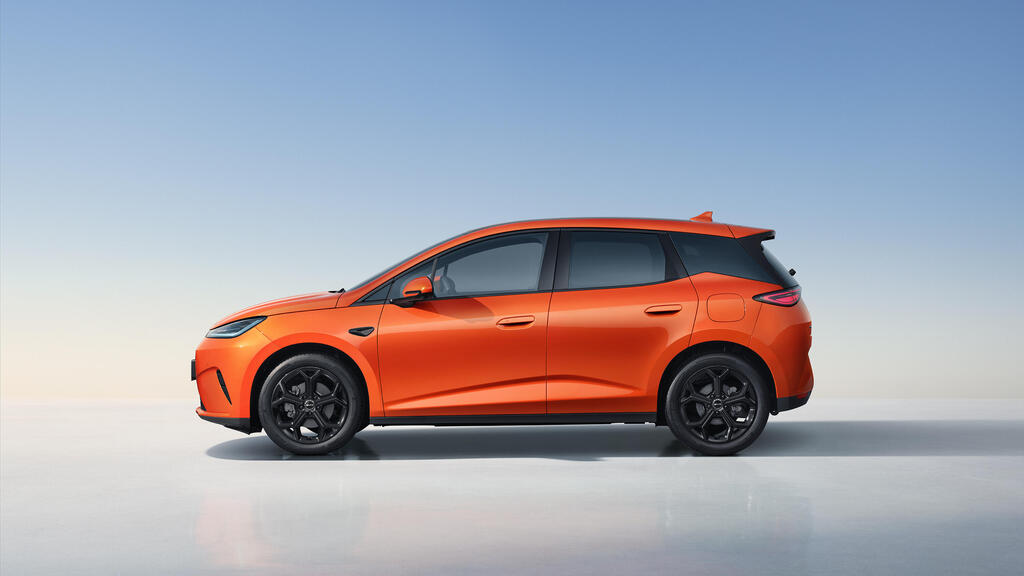
BYD's Dolphin G, a supermini car
(Photo: BYD)
Stella Li, BYD vice president, recently said in an interview: “The Dolphin G is the first model we designed exclusively for Europe because it generates no interest in China. Competition is pushing everyone to build bigger and bigger cars and it’s becoming crazy. You can’t drive large cars in Paris, Rome and London. People in Europe still prefer a smaller car.”
What we think: The Dolphin G will be the first plug-in hybrid in the supermini segment, and not by accident. Such a setup is expensive to develop and manufacture, which is why most automakers would not even consider it for a car meant to be small and affordable.
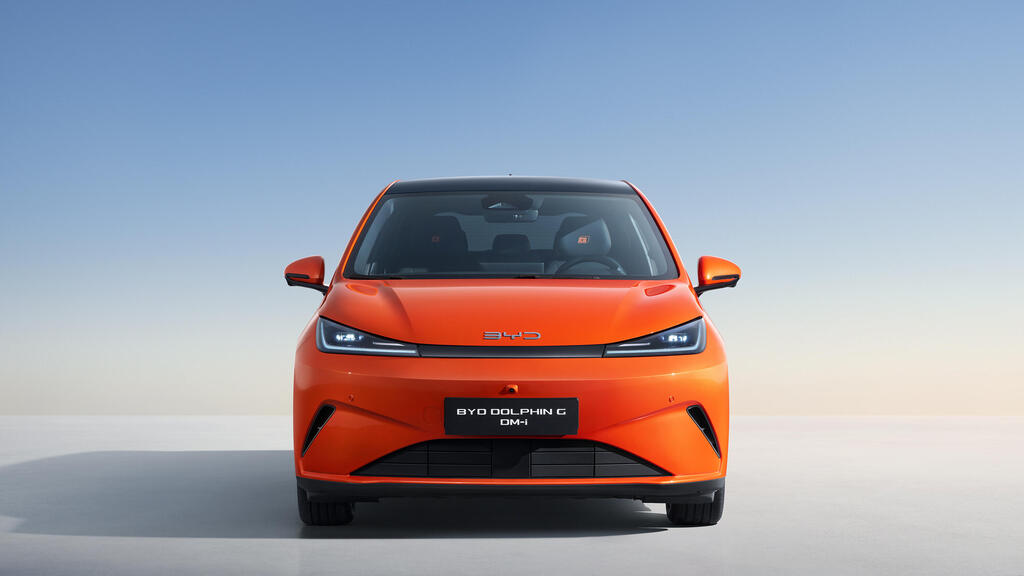
BYD's Dolphin G, a supermini car
(Photo: BYD)
The Chinese, however, likely have other ways of achieving profitability. And if they can also artificially reduce emissions figures along the way — given that many customers may not bother charging the battery at all — that is apparently good enough. At least until regulators wake up and close the loophole.