

With alcohol banned in Qatar, a genuine sense of freedom that was sorely missing in Russia and top-tier organization, the exact opposite of what was seen in Brazil, the 2026 FIFA World Cup is simply on another level compared to the three previous tournaments.
As a soccer fan who believes the sport’s biggest moments come only once every four years, I make a strong effort to experience the tournament firsthand. After two weeks of travel on the U.S. East Coast, it is fair to say that football, the kind played with your feet, has taken over the United States of America, especially after the New York Knicks’ championship celebrations faded from the headlines.
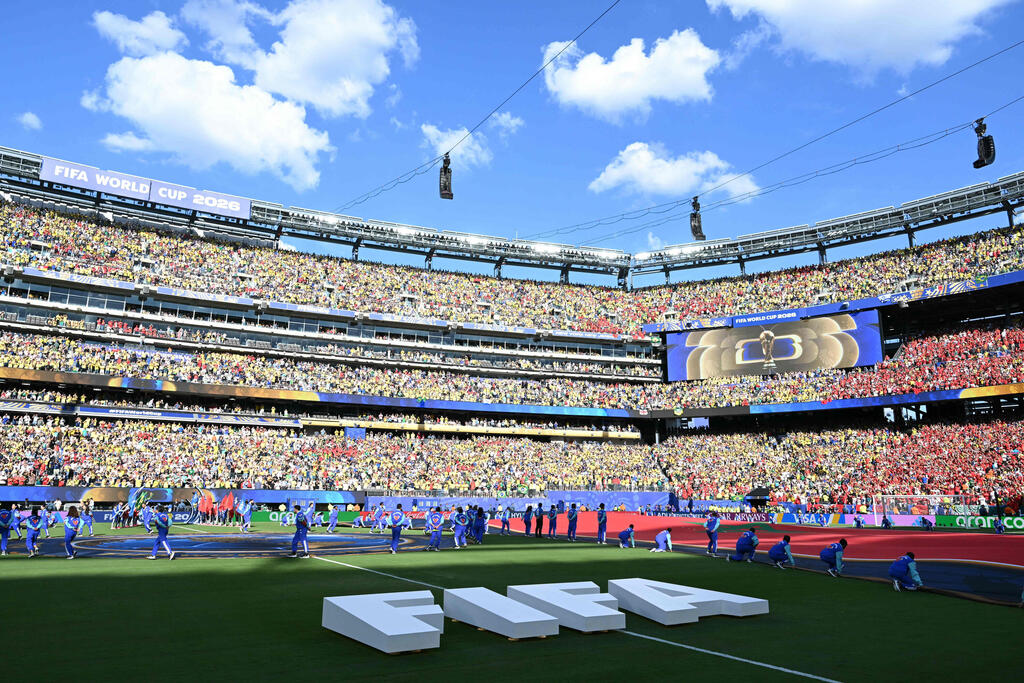
The streets are packed with fans creating a festive atmosphere. An alien arriving from space could easily assume that Scotland, Norway, Ecuador and Mexico are global superpowers. Everywhere you look, there are Scots in traditional kilts, groups of Norwegians performing rowing motions while chanting “roo,” and large numbers of Ecuadorian and Mexican fans, most of whom of course live in the United States, wearing their national team jerseys. There is also an impressive Brazilian presence, but somewhat surprisingly, the support they showed at the match we attended against Morocco fell well below expectations. Even at this World Cup, it is very difficult to find fans from traditional African nations.
Local residents are welcoming fans and often asking, “How did you get tickets to the games? They’re so expensive.”
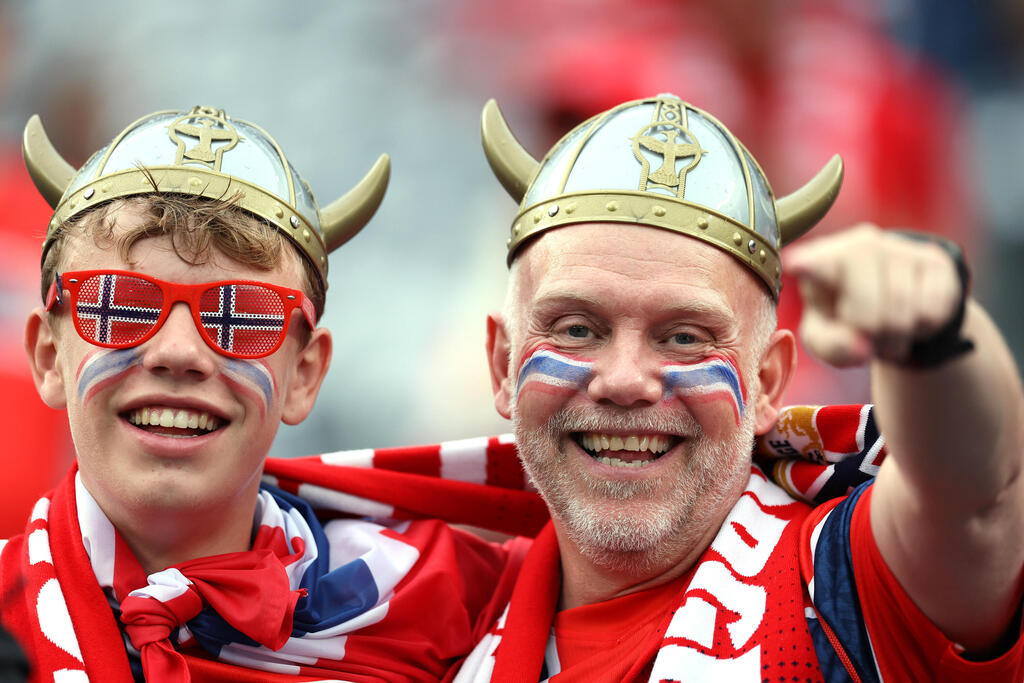
An alien arriving from space could easily assume that Scotland, Norway, Ecuador and Mexico are global superpowers
(Photo: Buda Mendes / Getty Images)
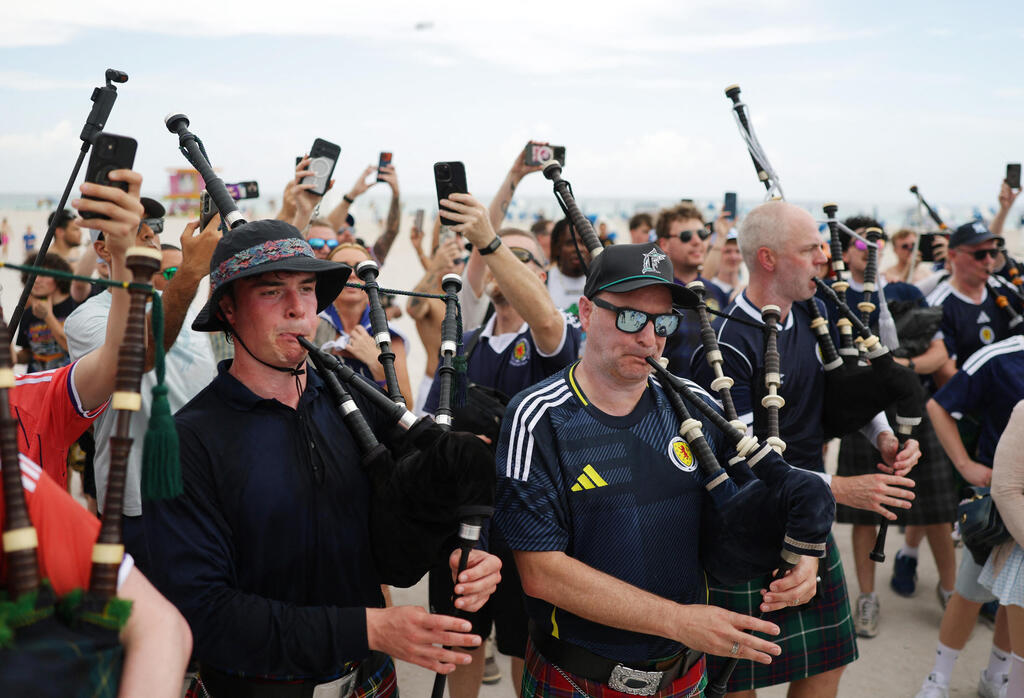
Everywhere you look, there are Scots in traditional kilts
(Photo: REUTERS / Amanda Perobelli)
An American Jew we met by chance at a stadium in New Jersey said his uncle had eight tickets to the final. He was offered 400,000 dollars for all of them, far above face value. As of this writing, the deal has not yet been completed. The price is expected to rise further.
American fans, of course, know how to monetize everything and had no intention of missing out on the spectacle. In every shop, it is possible to buy souvenirs and clothing items from almost every national team. In some bars and restaurants, there is even an added fee for being inside while matches are broadcast on screens.
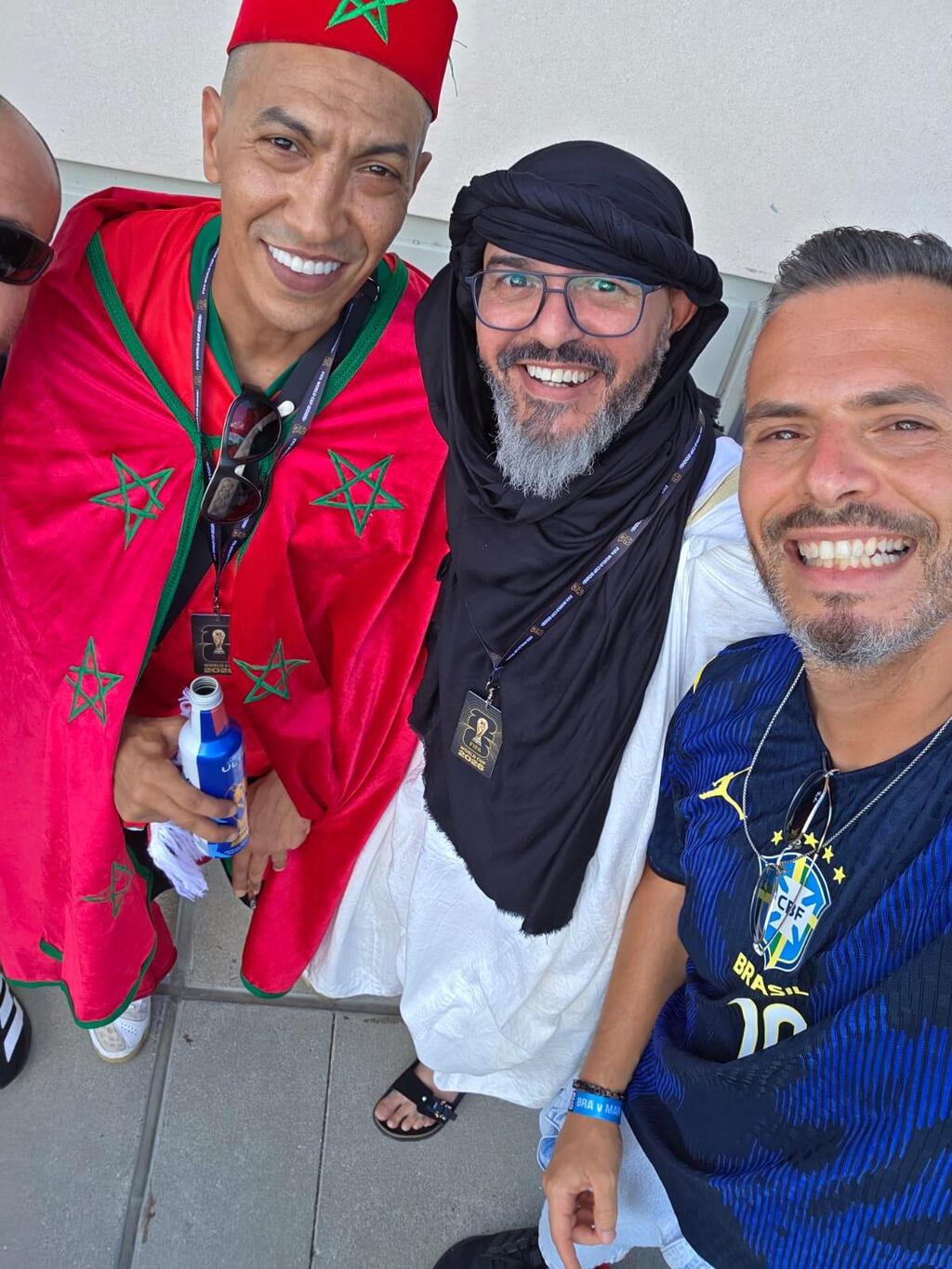
Shay Mogilevsky with soccer fans from around the world
For us, it was pure escapism from the situation back home. The same technology used by Israel’s Home Front Command, which sends alerts that take over mobile phones before missile launches, is used in the United States to send severe weather warnings. Try explaining to the person next to you why you suddenly flinched the moment you heard a sound that is instantly familiar to any Israeli.