

“No place to plug in”: The state comptroller is highlighting difficulties in installing charging stations in residential buildings as one of the major barriers to the transition to electric vehicles.
A previous audit found that the government had already decided five years ago to have the justice minister, in coordination with the finance minister, regulate legislation enabling the simple and safe installation of charging stations in shared residential buildings. However, despite three Knesset committee discussions since then, the legislative process remains incomplete. According to the state comptroller, the regulatory gap could lead to unauthorized installations that pose safety risks and spark disputes between neighbors.
The report also finds that, despite the government’s target of reducing pollution emissions from new vehicles by 95% by 2030, current regulations still require that new residential buildings be designed to support charging capacity for only 20% of parking spaces.
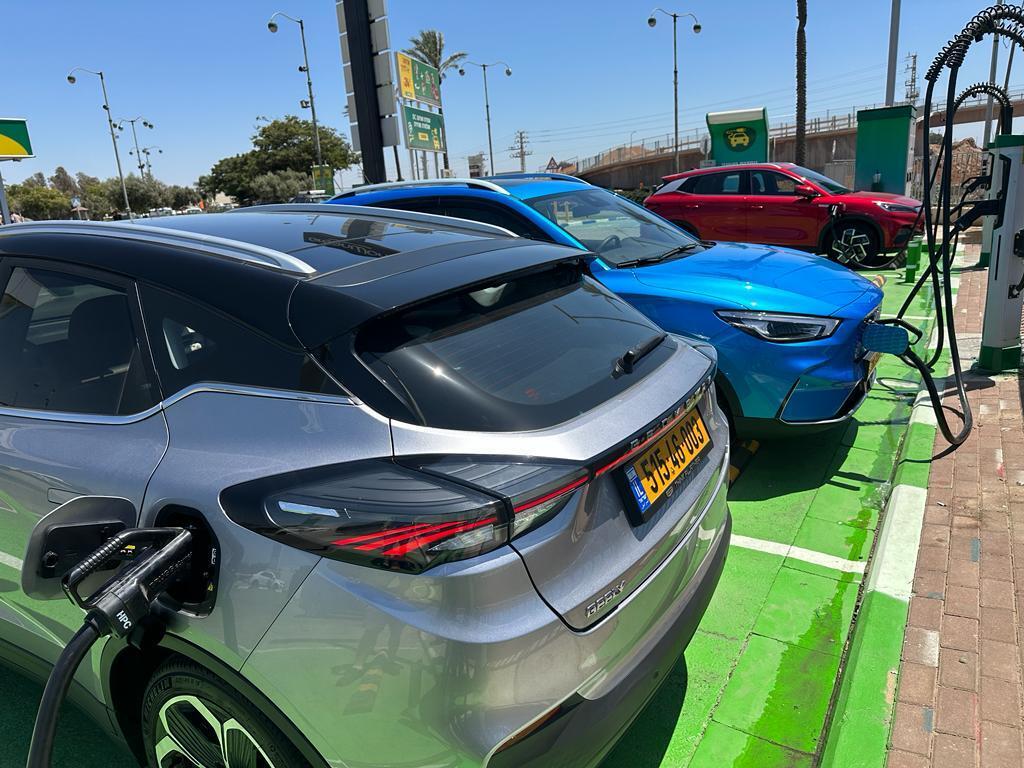
Another deficiency concerns the rollout of public charging infrastructure. The Energy Ministry reports that, as of April 2025, Israel had just under 8,000 public charging points, of which only about 1,500 are fast-charging stations. This is enough for less than 5% of electric vehicles currently on Israeli roads. The report also notes that since 2018 — when there were still very few electric cars in Israel — no quantitative or geographic targets have been set for installing charging stations.
What to do with the batteries
As early as 2023, the state comptroller warned about the absence of regulations for handling batteries from electric and hybrid vehicles at the end of their life cycle. Even today, the issue remains largely unregulated. The first recycling plant currently being established is expected to process about 10,000 tons of batteries per year, while the total weight of batteries in electric and hybrid vehicles on the roads today is more than 10 times that amount. Despite the plant’s construction, there is still no legal requirement governing the treatment of used batteries.
Aging trucks
The report also shows that the average age of trucks — which account for a significant share of air pollution — has risen from 5.1 years in 2000 to 9.5 years in 2024. This contrasts with relatively stable ages for private cars and a decline in the average age of buses.
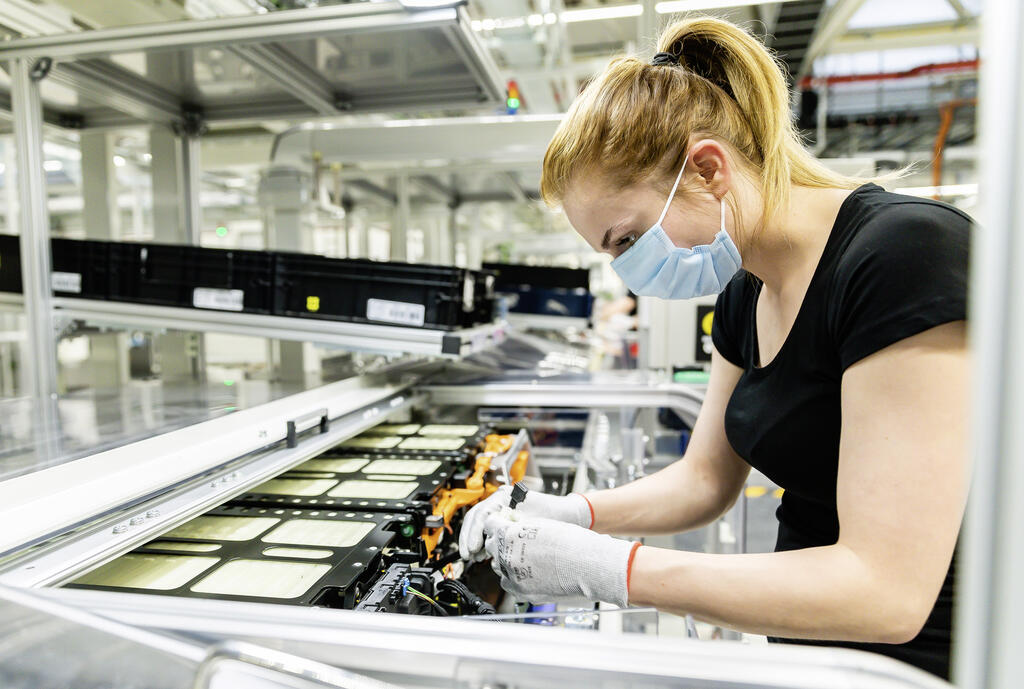
Electric batteries in an electric vehicle
Although trucks make up about 7% of all vehicles and account for roughly 12% of total mileage, they are responsible for 44% of transportation-related air pollution. Their impact on the economic cost of pollution is estimated at about 3.2 billion shekels annually.
Alongside these significant shortcomings that have not been adequately addressed, the report also notes several areas that have seen proper progress, including the installation of particulate filters in heavy vehicles, adjustments to electricity generation capacity to meet increased demand from electrified transport, infrastructure upgrades for electric buses and evaluation of hydrogen propulsion in vehicles.