

Chinese automaker Chery has begun marketing its new Lepas brand in Europe, positioning it above the Jaecoo and Omoda brands and offering it exclusively with electrified powertrains. The brand is also expected to arrive in Israel, though no official announcement has been made regarding the identity of the importer.
Colmobil, which distributes Jaecoo and Omoda in Israel, declined to comment. Freesbe, which holds the Chery franchise, also said it had no comment.
According to automotive industry sources, Lepas is expected to be added to Freesbe’s portfolio alongside Renault, Nissan, Dacia, Chery and Xpeng.
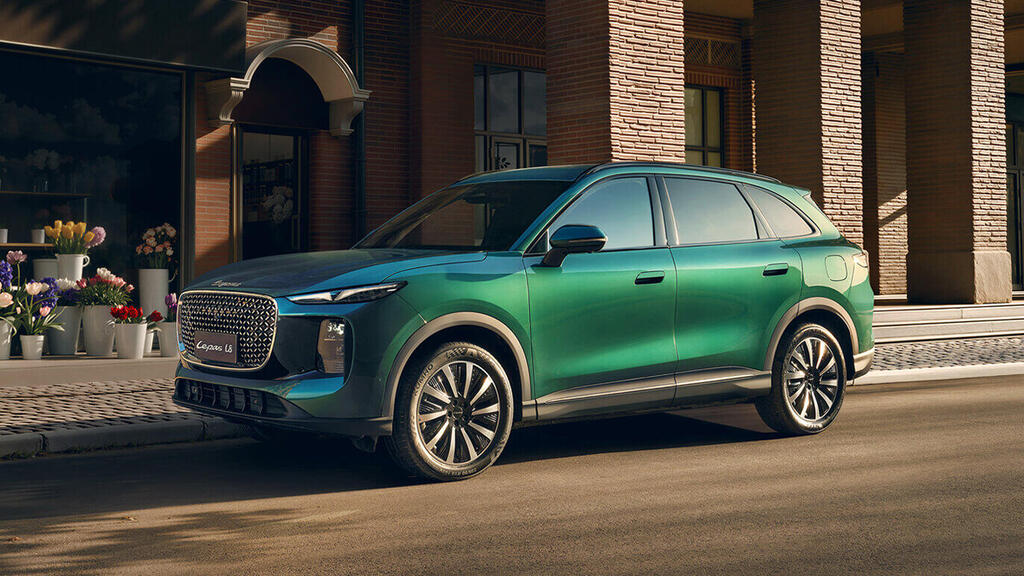
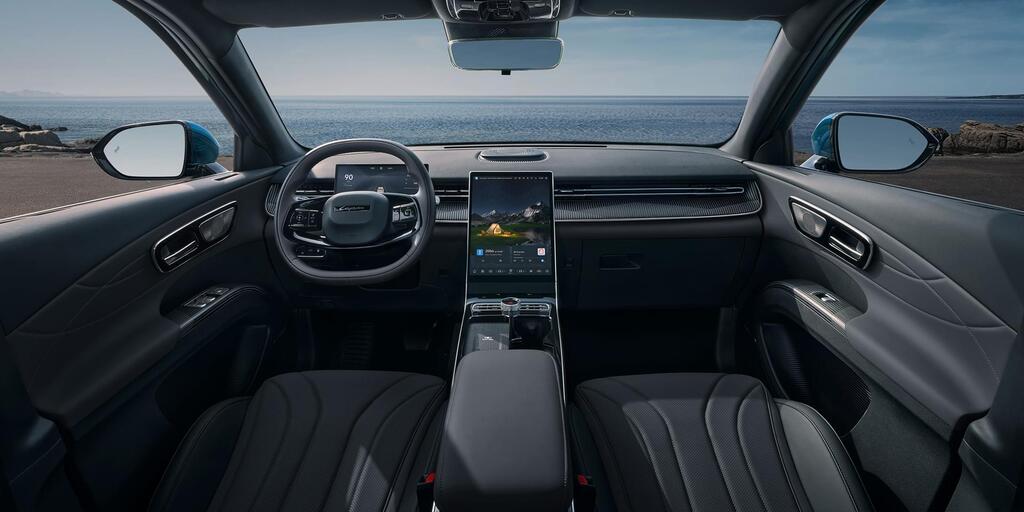
Lepas’ current lineup includes two sport utility vehicles, the L8 and L4, both built on Chery’s modular T1X platform designed for gasoline, hybrid, plug-in hybrid and electric drivetrains. Their exterior styling resembles the Tiggo SUV series from parent company Chery, but with a different grille and lighting units. The cabin layout also differs, offering broader customization options for upholstery and trim colors, as well as a large vertical touchscreen in the center console.
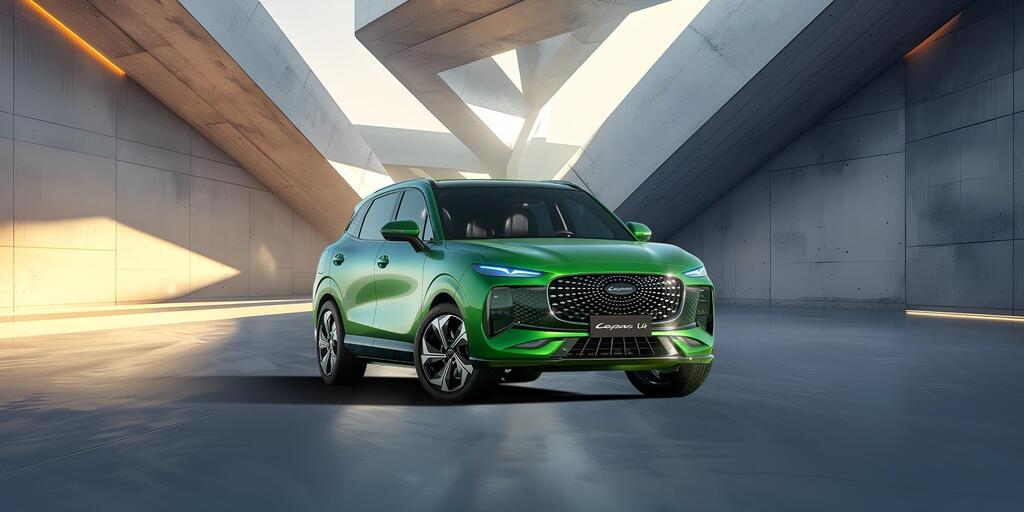
The L8 was the first model unveiled by Lepas. It is 3.5 centimeters shorter than the Tiggo 8, at 469 centimeters, but features a wheelbase that is 9 centimeters longer, at 280 centimeters. It seats five passengers and does not include a third row.
The L4, the second model introduced, is 15 centimeters shorter than the Tiggo 7 at 440.5 centimeters, but has a wheelbase that is 3 centimeters longer.
The L8 will be equipped with Chery’s familiar plug-in hybrid system, featuring an electric motor driving the front wheels with 204 horsepower as the primary source of propulsion, alongside a turbocharged 1.5-liter four-cylinder gasoline engine producing 143 horsepower that serves mainly as a generator to charge the battery and assist under load.
An 18.3 kilowatt-hour battery is expected to provide a theoretical electric-only range of about 100 kilometers. The L4 is expected to receive a similar powertrain, though the manufacturer has not yet officially confirmed this.
Chery and its affiliated brands have seen significant success in Israel, with one in every seven cars sold in the country in 2025 produced by the Chinese automaker. As is common among Chinese manufacturers, strong sales have fueled expansion ambitions, underscoring the rationale for introducing the new sub-brand locally.
However, Israel’s market is already saturated with Chinese brands, and a growing challenge is establishing a distinct identity that avoids customer confusion. Industry observers expect Lepas will likely draw much of its sales from buyers already familiar with and loyal to Chery’s existing brands in Israel.