

Menashe Zalka, captain of soccer club Hapoel Hadera, found himself at the center of a social media storm after a video circulated online showing him in IDF uniform during operational activity in southern Lebanon.
The backlash intensified after Al Jazeera shared footage that appeared to show Zalka firing a grenade alongside Israeli forces operating in southern Lebanon. The video quickly drew millions of views, while anti-Israel activists called on FIFA, world soccer’s governing body, to take action against him.
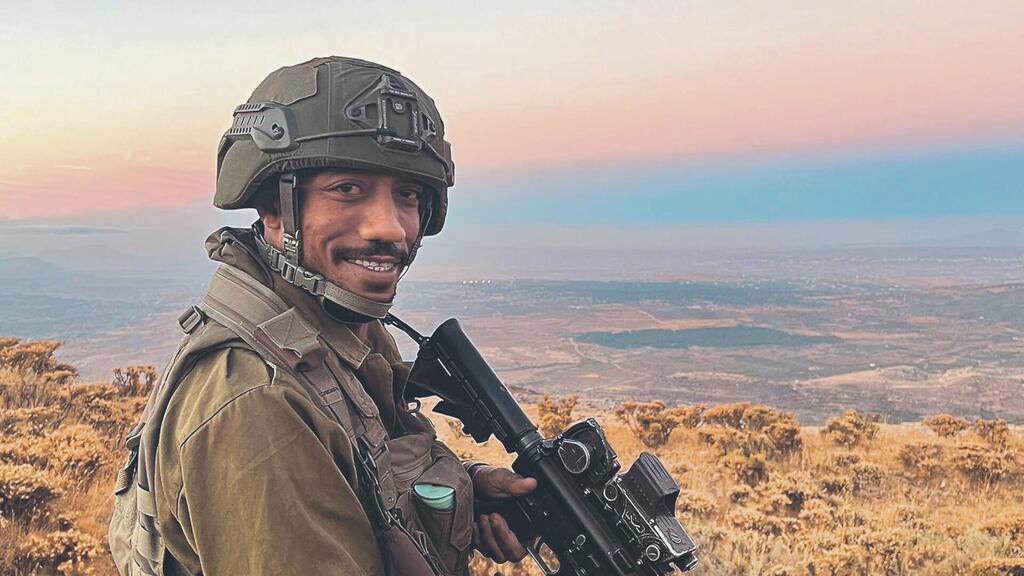
Critics framed the case as a test for FIFA, arguing that the organization was aware of the involvement of Israeli players in what they described as war crimes but had failed to act.
Among those amplifying the criticism was Spanish-Moroccan journalist Leyla Hamed, who frequently posts anti-Israel content online. In one post, she shared footage of Zalka in southern Lebanon, and accused FIFA of ignoring the conduct of Israeli players. She wrote, “Kicking a ball on weekends, committing atrocities on weekdays,” and claimed FIFA would already have acted had he been a Palestinian player.
Zalka, who had taken a short break after difficult days of reserve duty along the Lebanese border, responded to the criticism when he attended a second-division match between Hapoel Hadera and Maccabi Herzliya as a spectator.
“A terror-supporting body will not preach to IDF soldiers about how to behave and will not judge them,” Zalka said in response to the criticism. “We will not accept criticism from it or from people like it.”
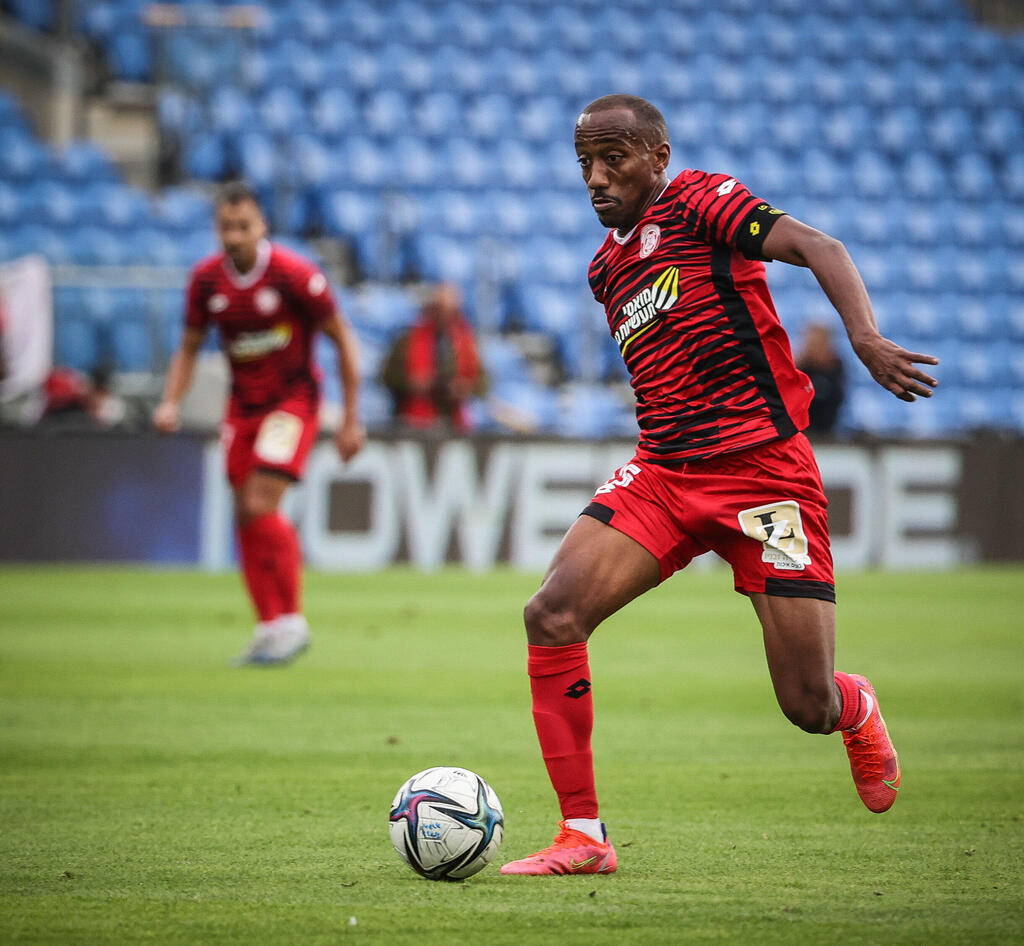
Zalka in Hapoel Hadera kit
(Photo: Oz Moalem)
He also spoke about his reserve service, saying he had taken part in Israel’s deeper ground maneuver inside Lebanon as part of the reserve system.
“These are days in which we are deepening the maneuver inside Lebanon,” he said. “I took part as part of the reserve forces. We are destroying infrastructure and pushing the enemy toward the Litani River in order to protect the communities near the border, and I am proud of that.”
Despite the physical and emotional strain, Zalka said his sense of mission outweighed the hardship. “I have not tired for a moment of reserve duty,” he said. “Every time we are called up, we come. It is not simple, but the sense of mission and commitment to the task are the reason we report for duty. Whenever the army calls me, I will come.”
For now, soccer has taken a back seat, though Zalka said he misses the game and wants to help his struggling club.
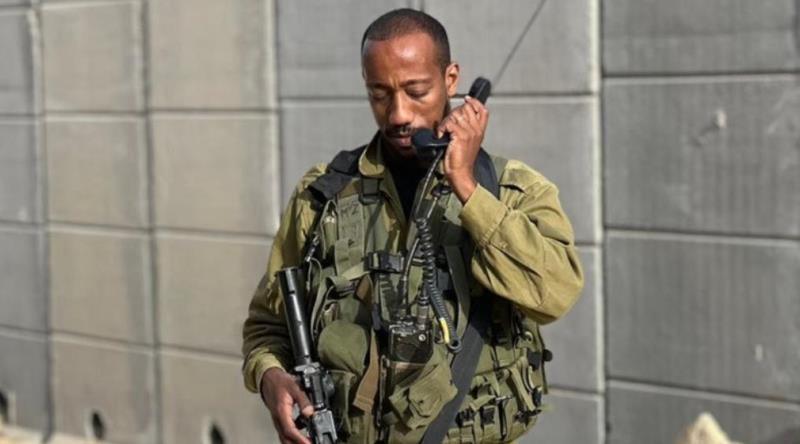
Zalka
(Photo: Hapoel Hadera)
“I miss soccer very much and want to help my team, which is in an unenviable position,” he said. He also praised Hapoel Hadera chairman Yakir Schwartz for supporting his family during his service, saying Schwartz understood that the military took precedence over soccer and that routine life would return thanks to the reserve effort.
Zalka is one of Hapoel Hadera’s most recognizable figures, having helped lead the club from Israel’s lower divisions to the top flight. At age 18, he paused his soccer career for three years in order to serve in the elite Paratroopers Reconnaissance Unit. Even while playing in the Premier League, he continued to serve in the reserves.
He was also called up after Hamas’ Oct. 7, 2023, attack and served 115 days in reserve duty. In 2019, he was chosen to light a torch at the Independence Day state ceremony, an honor reserved for individuals seen as having made a significant public contribution.
In a previous interview with ynet, Zalka said that whenever he receives an emergency reserve call-up order, “I leave my wife, children and soccer and go fight for the country. I do it with great love. It is more important than soccer. I do not think twice.”