

China is considering sweeping new restrictions on high-tech vehicle features, including touchscreens, reclining seats and voice-operated controls, as regulators increasingly prioritize safety over the technological innovations transforming modern cars. The proposals follow Beijing's decision to ban fully concealed electric door handles over concerns that electrical failures could prevent occupants from escaping after an accident.
According to a draft published by China's Ministry of Industry and Information Technology (MIIT), regulators are now considering an outright ban on foldable and flexible displays inside vehicles. The measure would be largely preventive, as such screens have not yet become a feature of mass-produced cars. Authorities also want conventional touchscreens and head-up displays to undergo safety assessments to determine whether they cause excessive driver distraction.
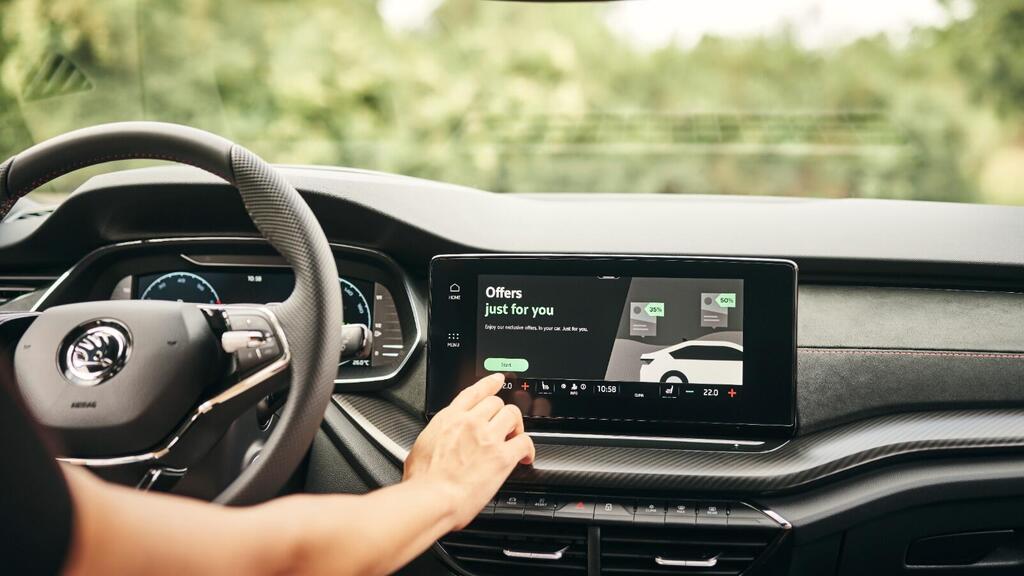
China takes aim at car touchscreens, reclining seats and voice controls
The proposed rules could significantly affect automakers that have increasingly replaced traditional dashboard controls with large digital displays. The draft also calls for physical controls to remain available for essential functions, including headlights, windshield wipers and windshield defogging systems, even when touchscreen alternatives are provided.
Zero-gravity seats and voice commands face scrutiny
Another target is the increasingly popular zero-gravity seat, originally designed to allow electric vehicle owners to recline comfortably while waiting at charging stations. These seats typically feature electrically adjustable backrests and extendable leg supports, allowing occupants to adopt an almost horizontal position. However, using them while driving could compromise the effectiveness of seat belts and airbags in a collision.
Chinese regulators are considering restrictions that would prevent drivers from using such reclining functions while the vehicle is moving. Swiveling seats and seats that convert into beds are also covered by the proposals, reflecting growing concerns about luxury features that could undermine passenger protection.
The draft also addresses customizable LED lighting systems that allow drivers to display text, images or decorative patterns through exterior headlights and taillights. Voice-operated controls are another area of concern, particularly the risk that ordinary conversations could accidentally trigger important vehicle functions. Proposed safeguards would prevent passengers from directly operating critical systems such as headlights, doors and hood releases through voice commands while the vehicle is moving.
New regulations could take effect in January
If approved, the rules would begin affecting applications for new vehicle models from January 1, 2027. Manufacturers of models that have already received approval would face additional reporting requirements by July 2027, with vehicles presenting unresolved safety hazards potentially subject to production suspensions or recalls. The proposals remain open for public comment until November 10.
The initiative reflects a broader shift in China's automotive industry, which has become synonymous with rapid technological innovation and increasingly sophisticated electric vehicles. But regulators appear determined to establish limits when new features create potential safety risks, even if doing so means restricting technology that manufacturers have promoted as a major selling point.